Understanding the Importance of Rubber Parts in Automotive Manufacturing
In the realm of automotive manufacturing, the selection of rubber parts such as inner and outer joints versus suspension components can significantly impact vehicle performance and longevity. The effectiveness of these parts is often determined by their design, material quality, and manufacturing precision.
Types of Rubber Parts
Rubber components are integral to various mechanical systems in vehicles, serving a multitude of purposes. Among the most common types are:
- CV Joint Boots : These protect the constant velocity joints, which play a crucial role in power transmission and steering.
- Steering Rack Boots : They safeguard the steering rack from dirt and moisture, ensuring smooth steering mechanisms.
- Shock Absorber Boots : Essential for protecting shock absorbers, these boots prevent contaminants that could hinder suspension performance.
- O-Rings & Rubber Sealing Rings: These provide critical sealing solutions to prevent leaks in various fluid systems.
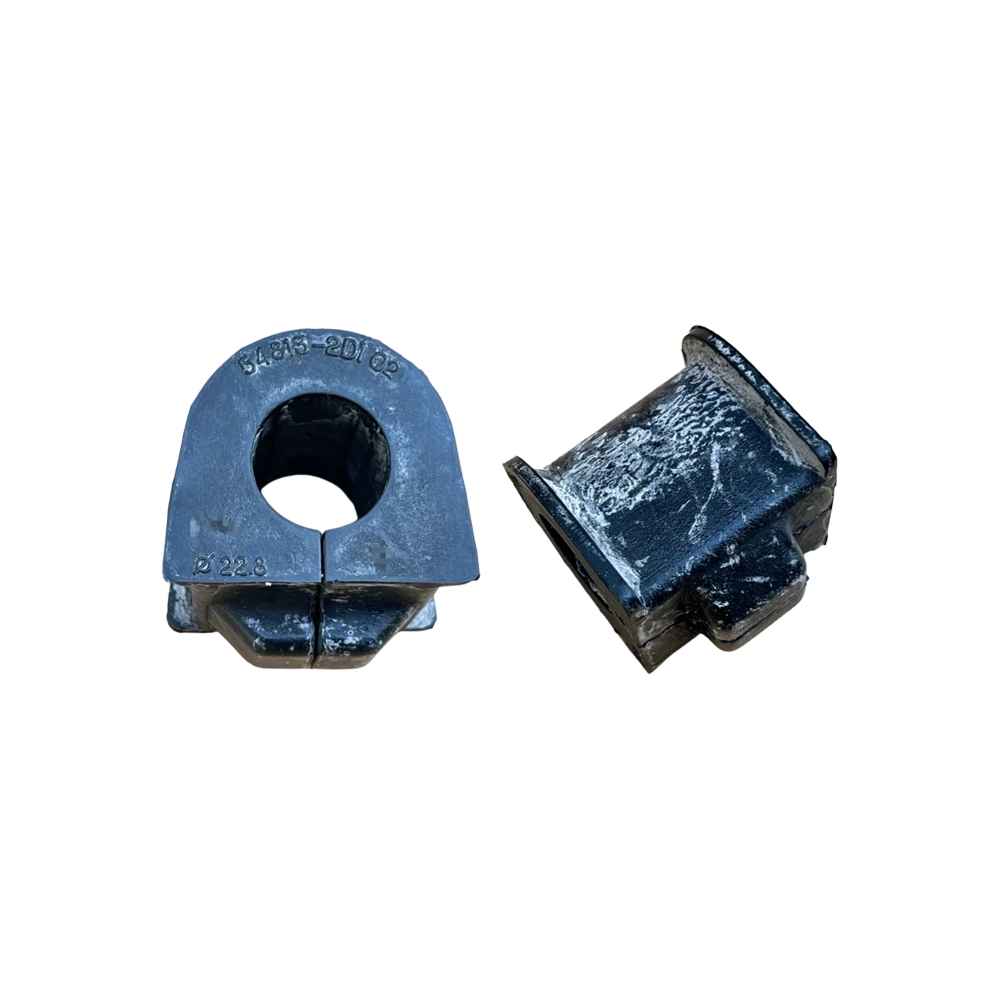
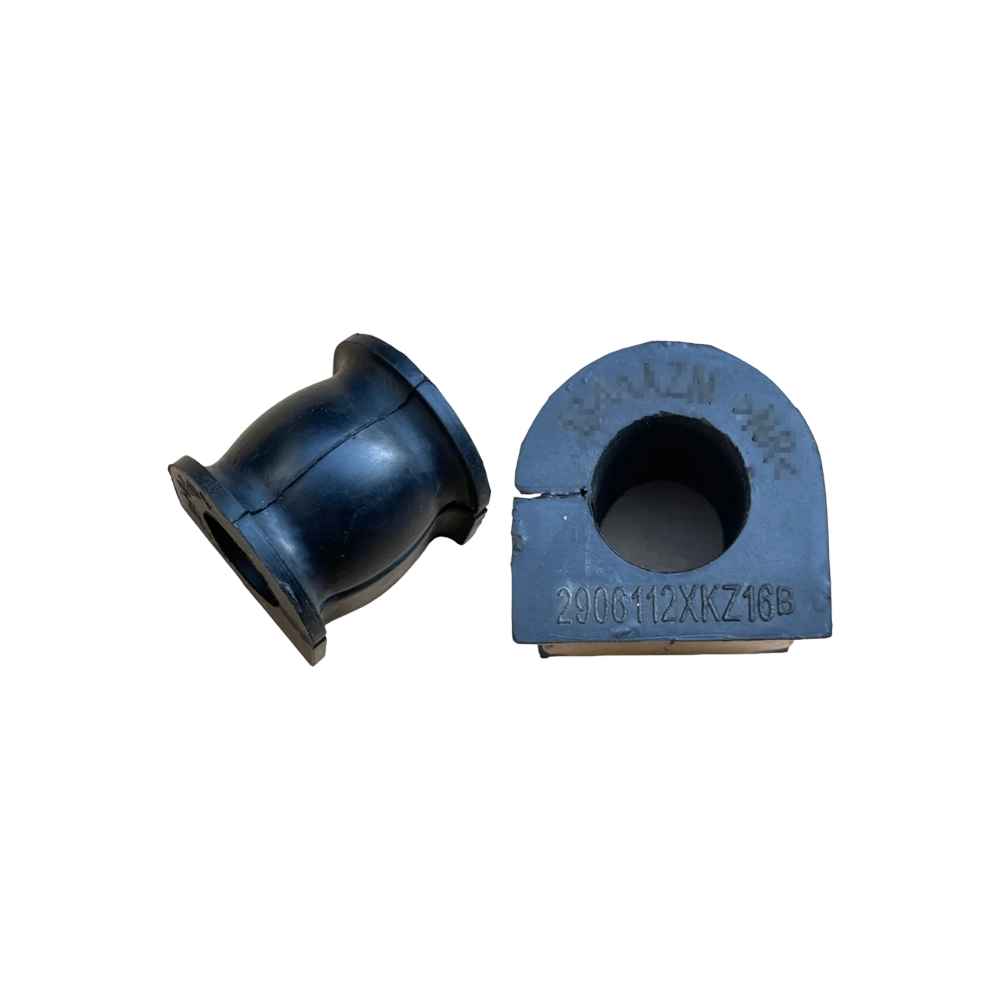
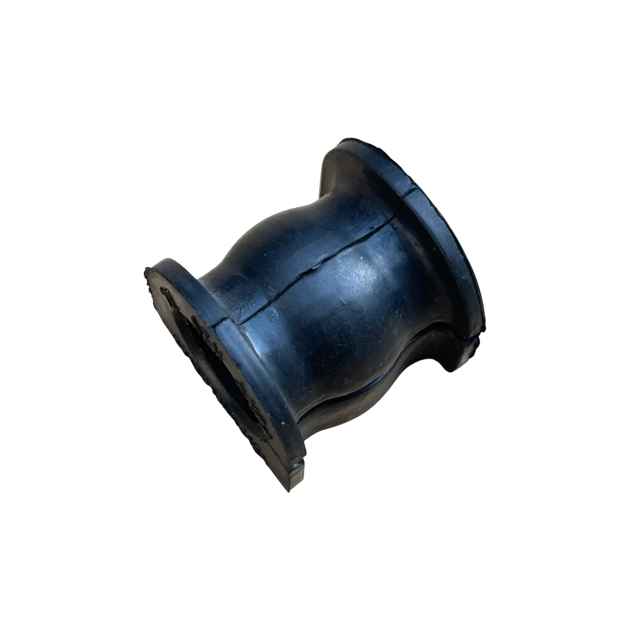
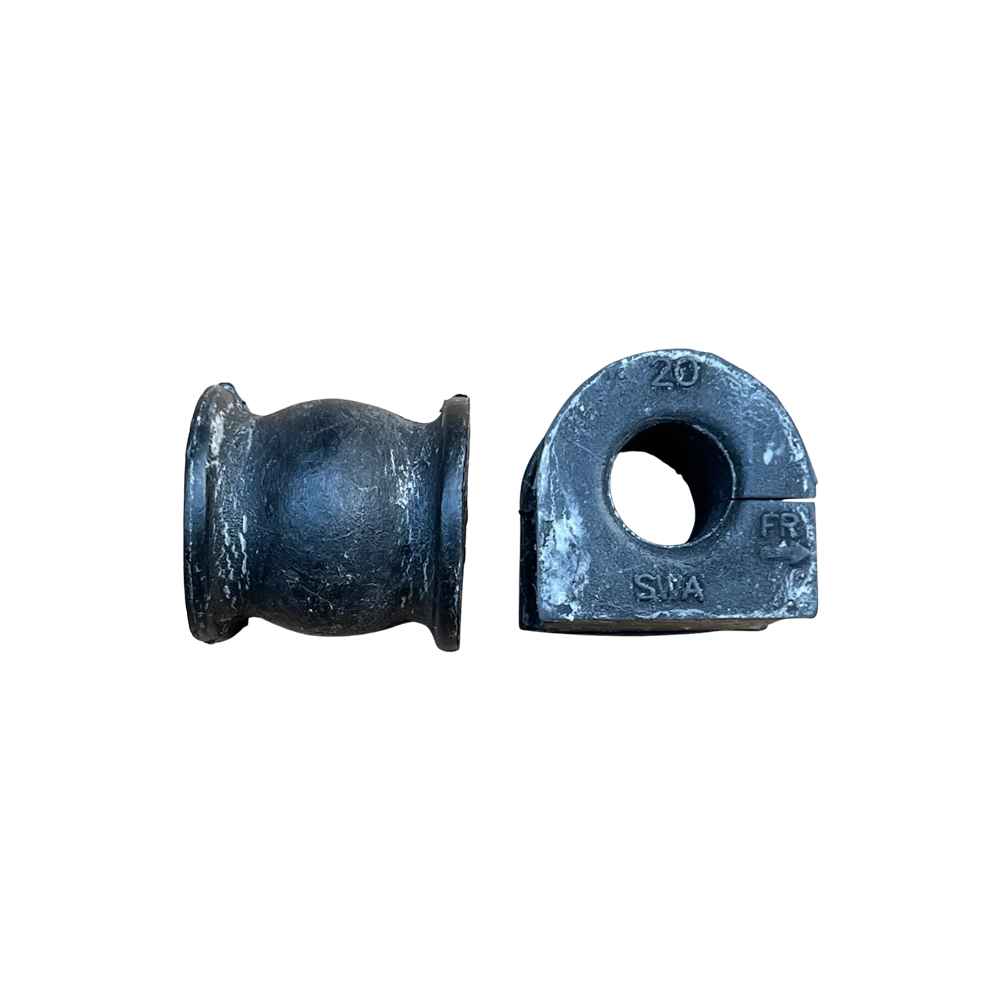
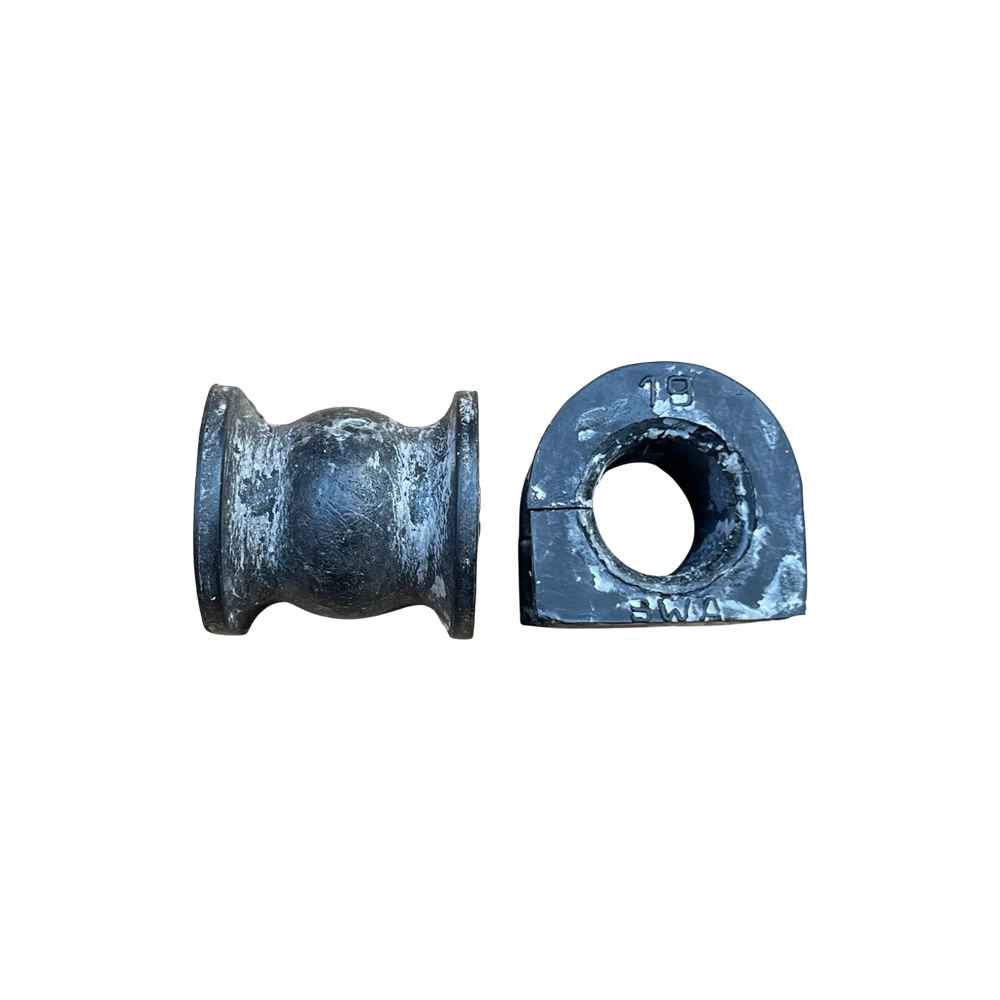
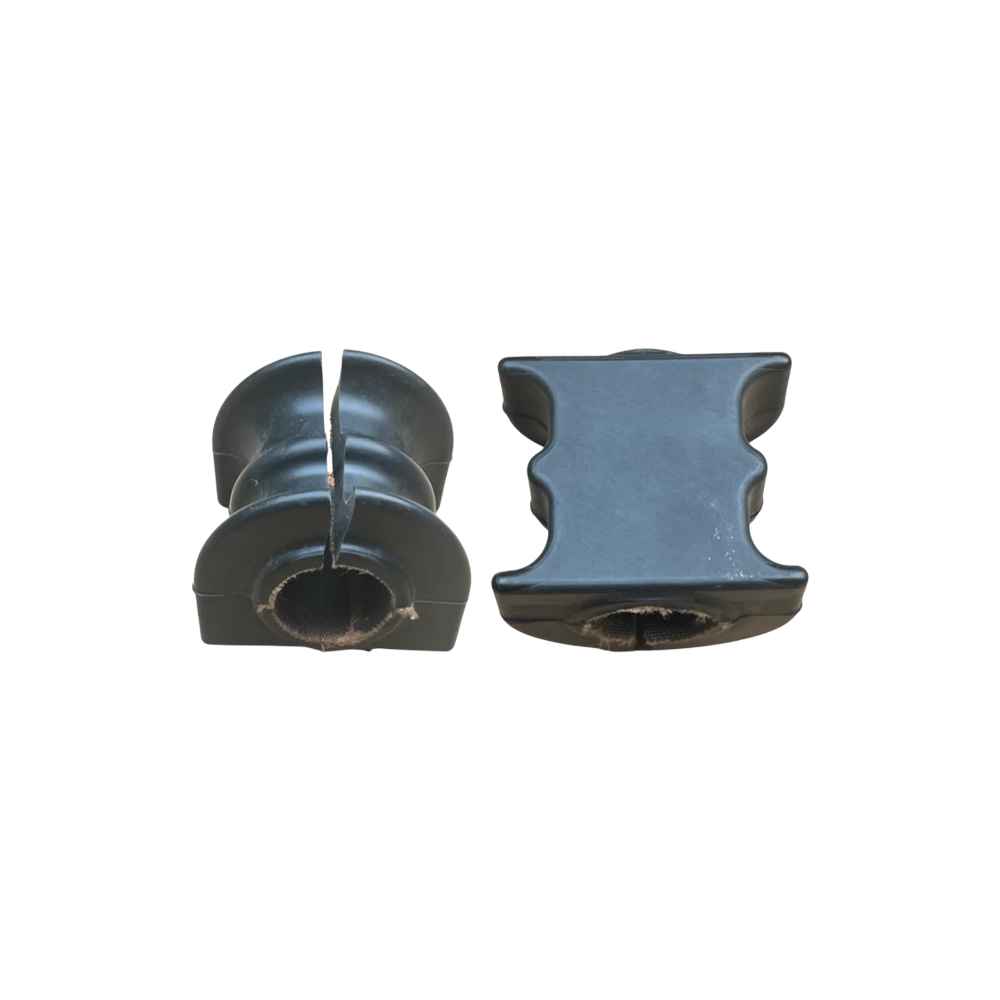
- Stabilizer Bar Bushings: These components help minimize sway during turns, improving vehicle stability.
- Valve Cover Gasket: Important for maintaining engine integrity, this gasket prevents oil leaks.
Evaluating Material Quality
The materials used for manufacturing rubber parts directly influence their durability and functionality. High-quality rubber compounds, often reinforced with additives, enhance resistance to wear, temperature fluctuations, and environmental stresses. It’s essential to consider factors such as:
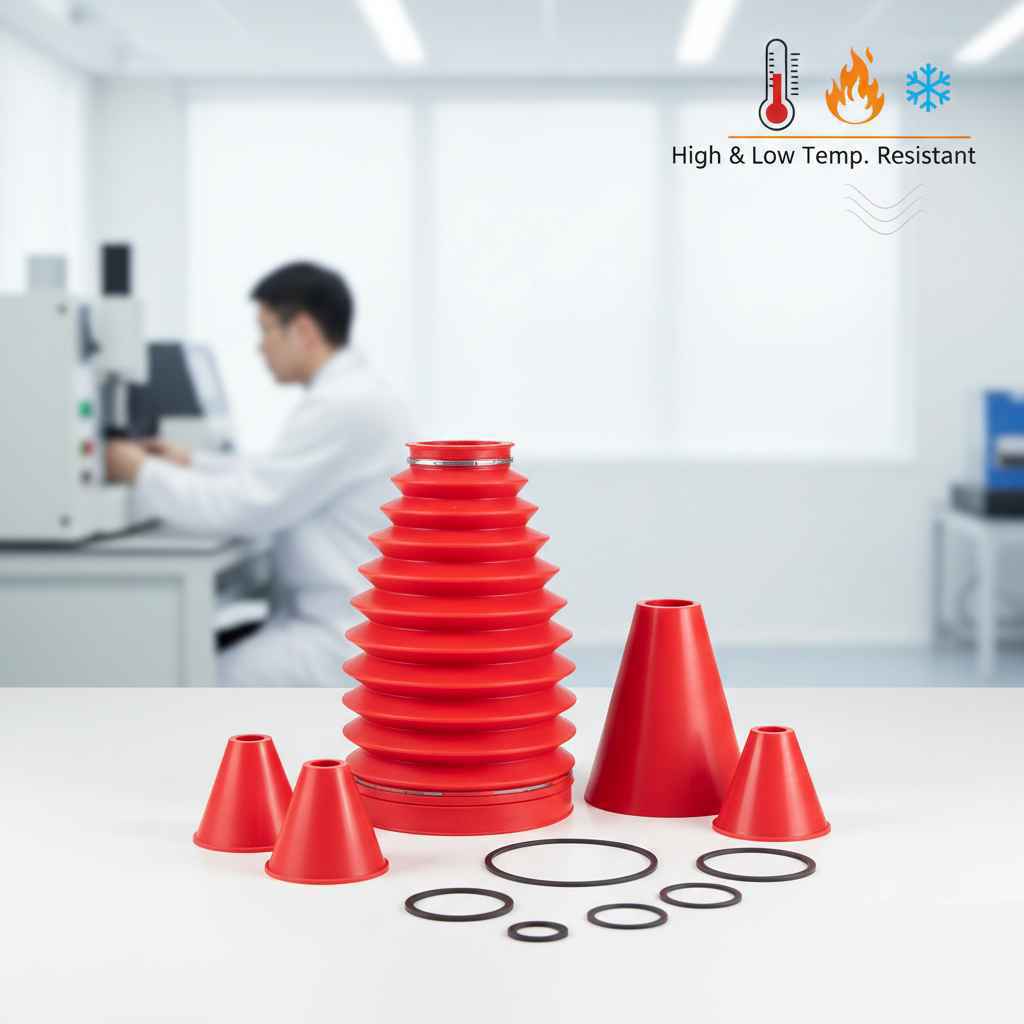
- Resistance to oil, heat, and aging
- Flexibility and tensile strength
- Compatibility with adjacent components
Manufacturing Techniques
Advanced manufacturing techniques, including injection molding and compression molding, play a pivotal role in achieving precise tolerances and uniformity in rubber parts. A reliable contract manufacturing partner, such as Guanghua, can offer expertise in these areas, ensuring that each component meets or exceeds industry standards.
Injection Molding vs. Compression Molding
Both methods have their advantages depending on production needs:
- Injection Molding: This technique allows for complex shapes and higher volume production while maintaining consistent quality.
- Compression Molding: More suitable for larger parts or lower production runs, it typically involves less waste of materials.
Design Considerations
When selecting rubber components, the design must not only consider the part's immediate function but also its integration within the overall assembly. Factors like:
- Dimensional accuracy
- Load-bearing capabilities
- Environmental exposure
- Ease of installation
must be carefully evaluated to ensure optimal performance and reliability.
Performance Testing
Rigorous performance testing is crucial in the selection process of rubber parts. Testing parameters may include:
- Durability tests under extreme temperatures
- Resistance to chemical exposure (for instance, oils and fuels)
- Fatigue testing to assess long-term performance
This data helps manufacturers refine their product offerings and ensures that clients receive high-quality, reliable components.
Future Trends in Rubber Component Manufacturing
The future of rubber part manufacturing is likely to involve innovative materials and advanced technologies. Increased focus on sustainability has prompted research into biodegradable rubber compounds and eco-friendly practices. Additionally, the integration of smart technology into rubber components could revolutionize how they monitor wear and performance, alerting users before failure occurs.
Selecting the Right Partner
Choosing the right contract manufacturing partner is imperative for achieving high-quality outcomes in rubber component production. A partner with proven experience in the automotive sector, such as Guanghua, should demonstrate:
- A strong track record of successful projects
- Capability for customization based on OEM specifications
- Access to state-of-the-art manufacturing facilities
- Commitment to quality assurance protocols
Conclusion
In summary, navigating the complexities of selecting rubber parts for automotive applications necessitates an understanding of material properties, manufacturing processes, and the specific demands of the application. By leveraging the expertise of knowledgeable partners, manufacturers can optimize their selections and contribute to more resilient and efficient vehicles.