Understanding the Material Choices
In the world of chassis, steering, and suspension systems, choosing the right materials is crucial for performance and durability. The three main contenders in this field are NBR (Nitrile Butadiene Rubber), Viton (Fluoroelastomer), and Silicone. Each material has unique characteristics that make it suitable for different applications. As a B2B wholesale supplier, it's important to guide clients through the specific advantages and limitations of each option.
NBR: The Reliable Workhorse
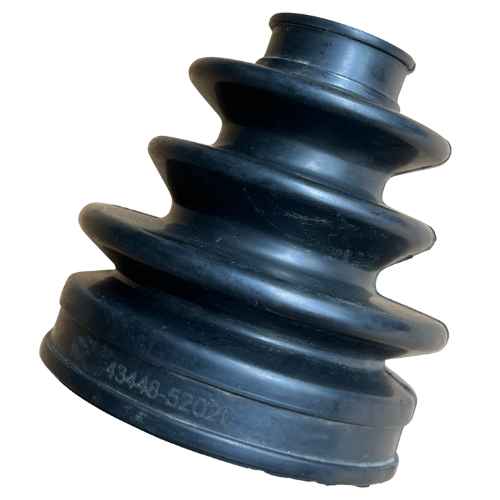
NBR is known for its excellent resistance to oil and fuel, making it a common choice for automotive parts. It's particularly effective in components like CV Joint Boots and O-rings. The cost-effectiveness of NBR also appeals to many wholesalers and manufacturers. However, it's not as heat-resistant as other options, which can limit its use in high-temperature environments.
Viton: The High-Performance Champion
If your customer is looking for superior chemical resistance and thermal stability, Viton is the go-to choice. This material excels in extreme conditions, making it ideal for Shock Absorber Boots and valve cover gaskets. While it comes with a higher price point, the longevity and reliability it offers often justify the investment. Clients who prioritize performance over cost should seriously consider Viton.
Silicone: Versatility and Flexibility
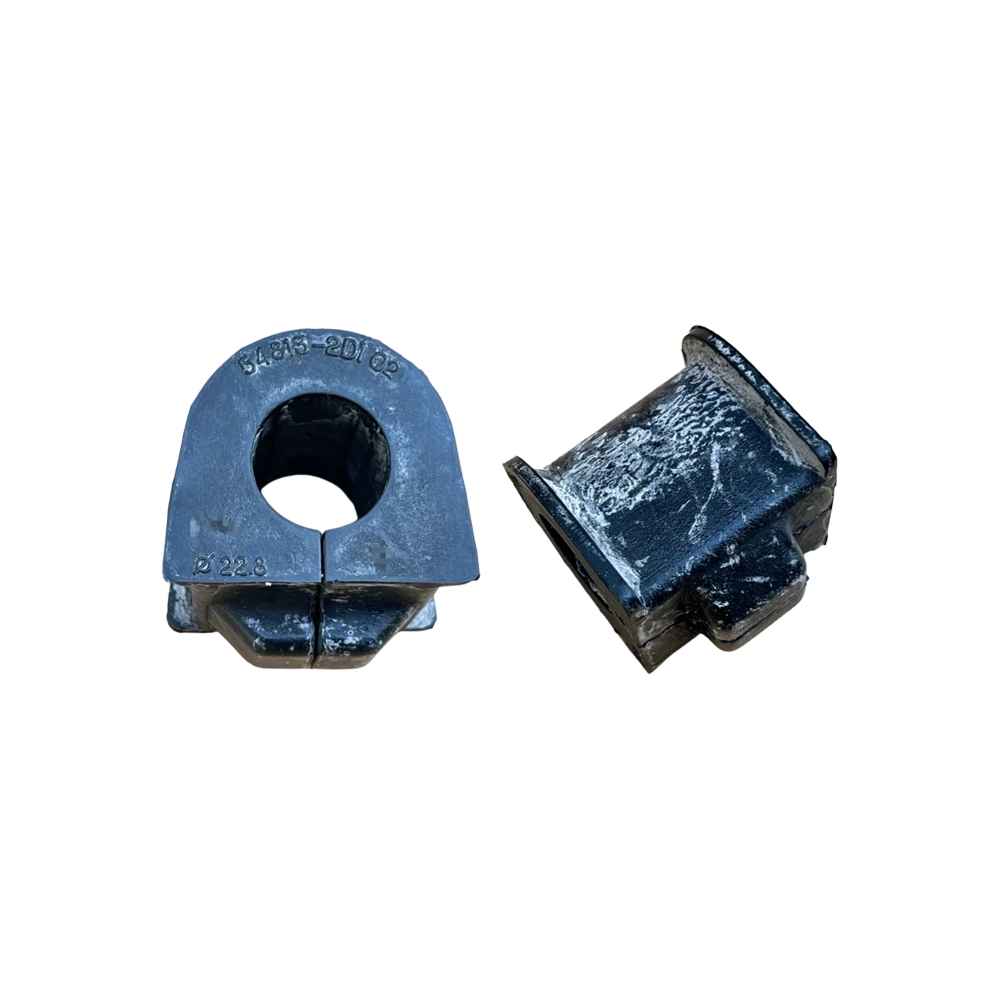
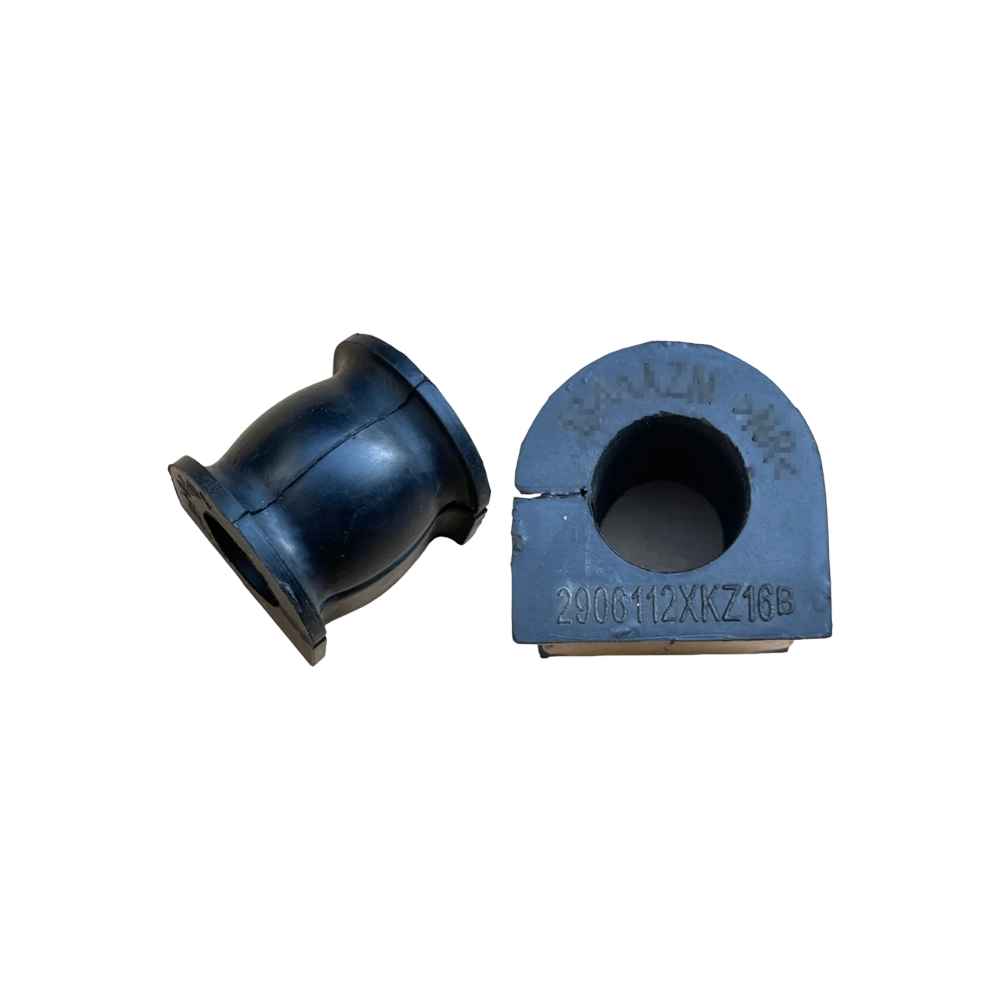
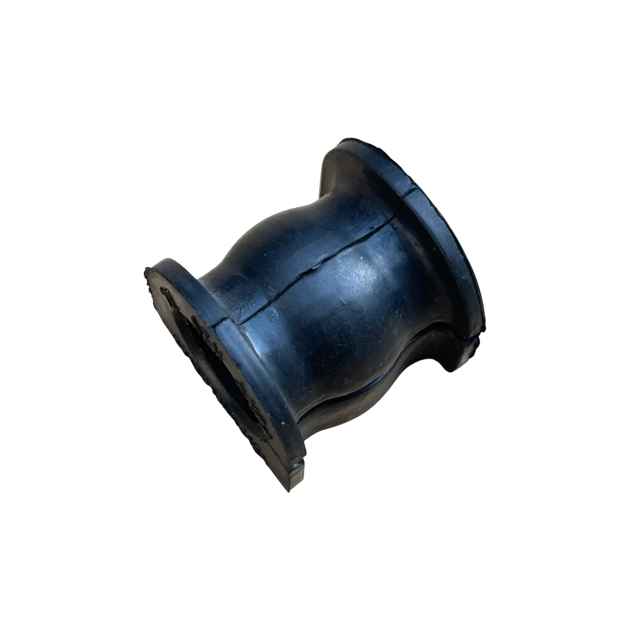
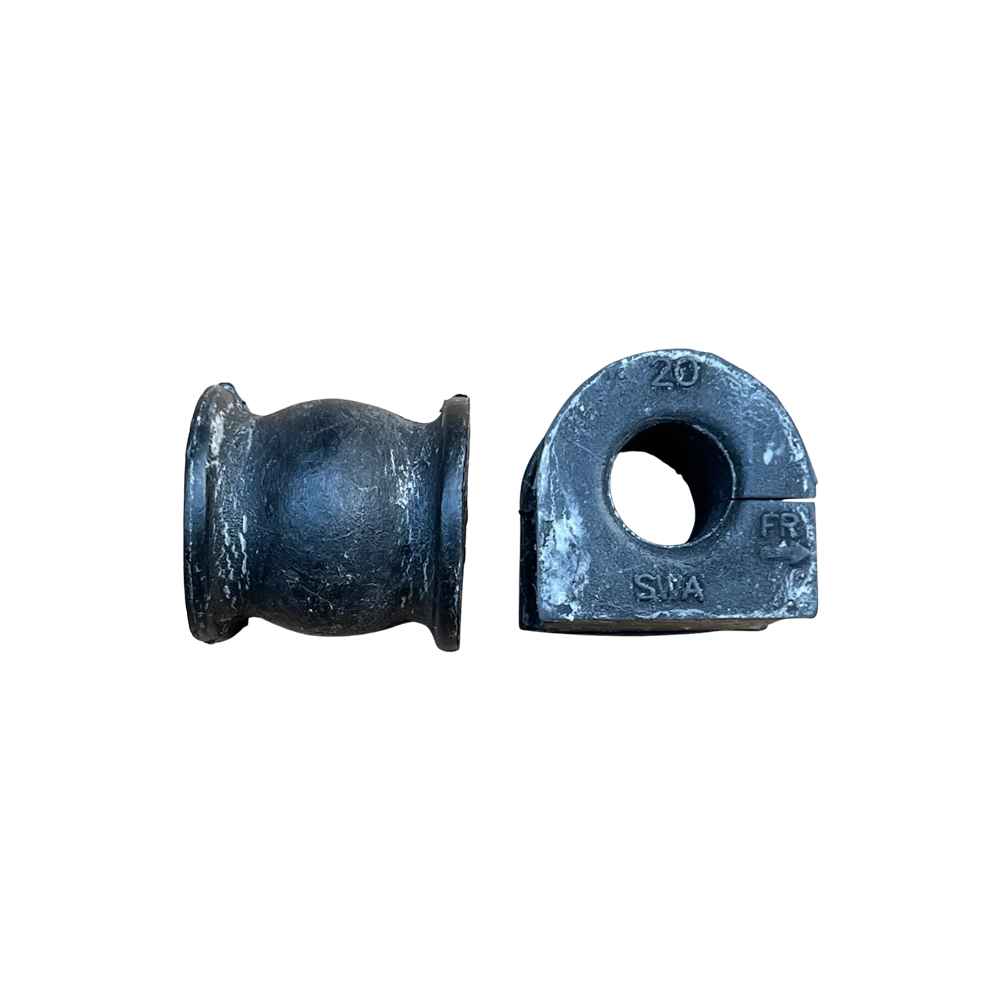
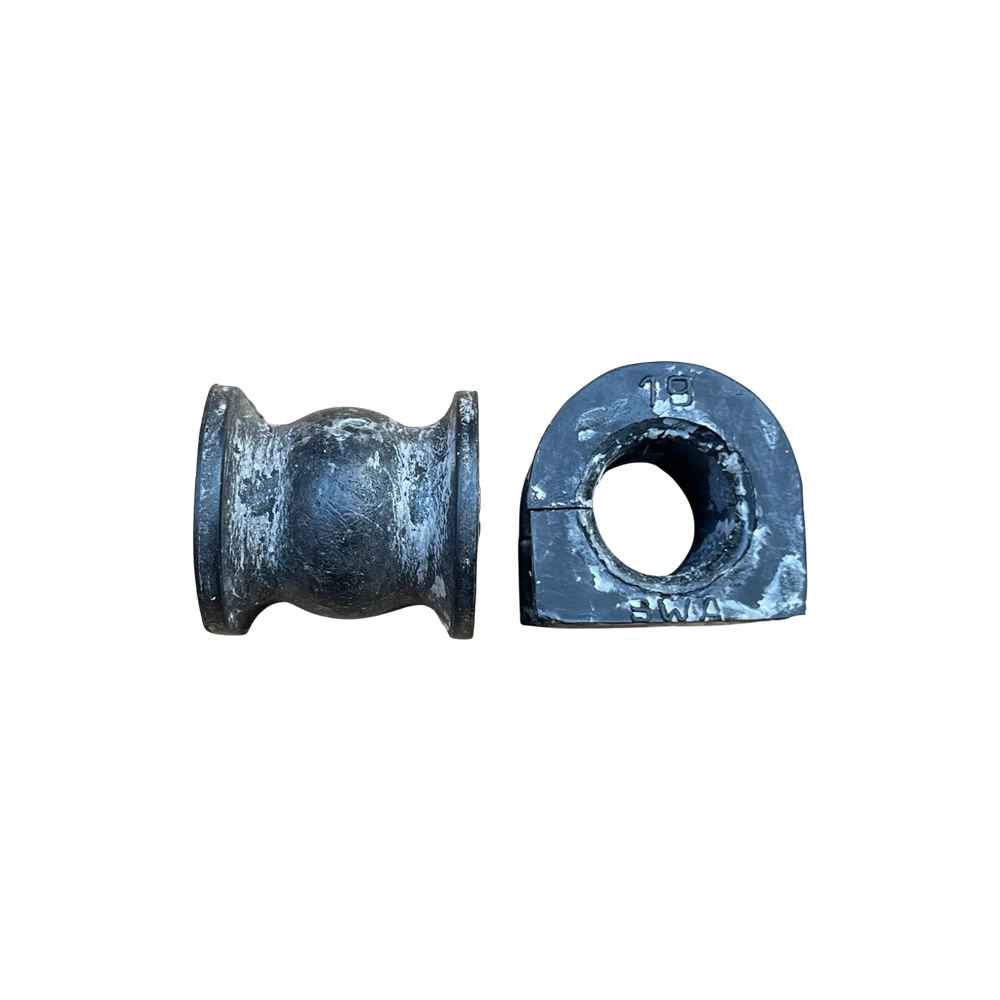
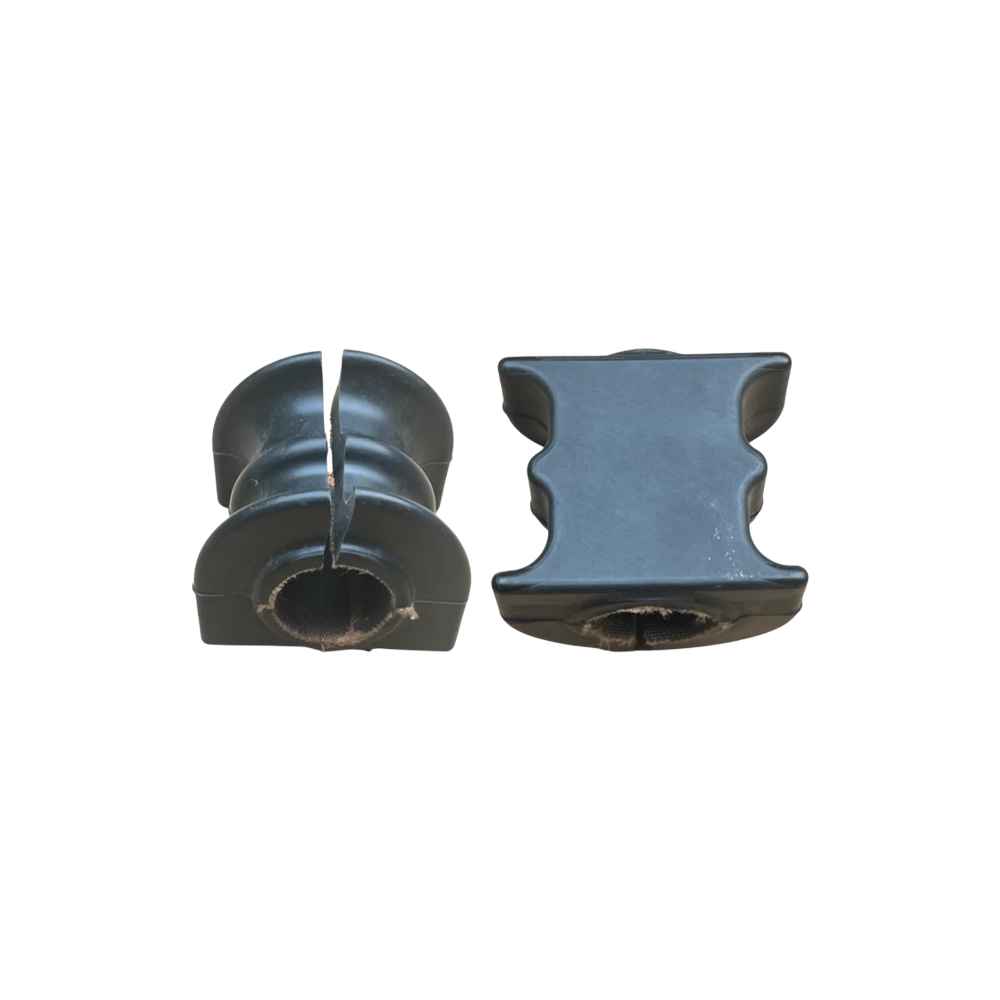
Silicone rubber stands out due to its remarkable flexibility and temperature tolerance. This makes it an excellent option for Stabilizer Bar Bushings , where movement and range of motion are essential. Silicone’s ability to maintain performance in both high and low temperatures is an asset, especially for customers operating in varied climates. However, it may not perform as well against oils compared to NBR or Viton.
Assessing Performance Needs
To effectively choose between these materials, it’s vital to assess the specific performance needs of the application. Here are a few key factors to consider:
- Temperature Range: What temperatures will the components be exposed to? If they’ll face extremes, Viton or Silicone may be more appropriate.
- Chemical Exposure: Will the materials come into contact with oils or fuels? NBR shines here, but Viton would outperform in corrosive environments.
- Mechanical Stress: Consider the physical demands on the part. Components like steering rack boots need to withstand significant movement and stress, which might lean you toward Silicone.
- Budget Constraints: Always factor in the cost. While Viton has great performance benefits, it’s also the most expensive. Understanding your client’s budget can guide your recommendations.
Vendor Relationships Matter
Choosing a reputable supplier can significantly impact the quality of your materials. Brands like Guanghua are recognized for their reliable products and dedicated service. Establishing solid relationships with suppliers will ensure that you have access to the best materials available, as well as support for any technical questions or concerns that arise.
Quality Control and Testing
Before finalizing any purchases, ensure that the materials have undergone rigorous quality control and testing. Verify certifications that guarantee compliance with industry standards. This step is crucial to avoid issues down the line, as even a small oversight can lead to costly repairs or replacements.
Future Trends in Steering & Suspension Materials
As we look towards 2026, advancements in material technology will likely introduce new options that could change the game. Keeping an eye on emerging trends will help you stay ahead of the competition. The focus on sustainability may also lead to the development of eco-friendlier alternatives that maintain high performance without compromising on environmental responsibilities.
Finalizing Your Decision
Ultimately, the choice between NBR, Viton, and Silicone depends on a confluence of factors including performance requirements, budget, and chemical exposure. A thorough assessment followed by an informed decision will allow you to recommend the best products to your clients confidently. Knowledge is power; the more you learn about these materials, the better positioned you'll be to advise others in the industry.