Understanding Material Choices
Choosing the right materials for high-performance off-road upgrades is crucial. NBR, Viton, and Silicone each have unique properties that cater to specific needs. Why settle for mediocrity when excellence is within reach?
NBR: The Versatile Workhorse
Nitrile Butadiene Rubber (NBR) offers excellent resistance to oils and fuels. If your vehicle often traverses muddy or wet terrains, NBR might be your best bet. Can you imagine the frustration of a failed seal during a critical moment? Avoid this by opting for NBR in applications like CV Joint Boots and O-rings.
- Pros:
- High tensile strength
- Good abrasion resistance
- Cost-effective
- Cons:
- Poor ozone resistance
- Limited temperature range
Viton: The Premium Option
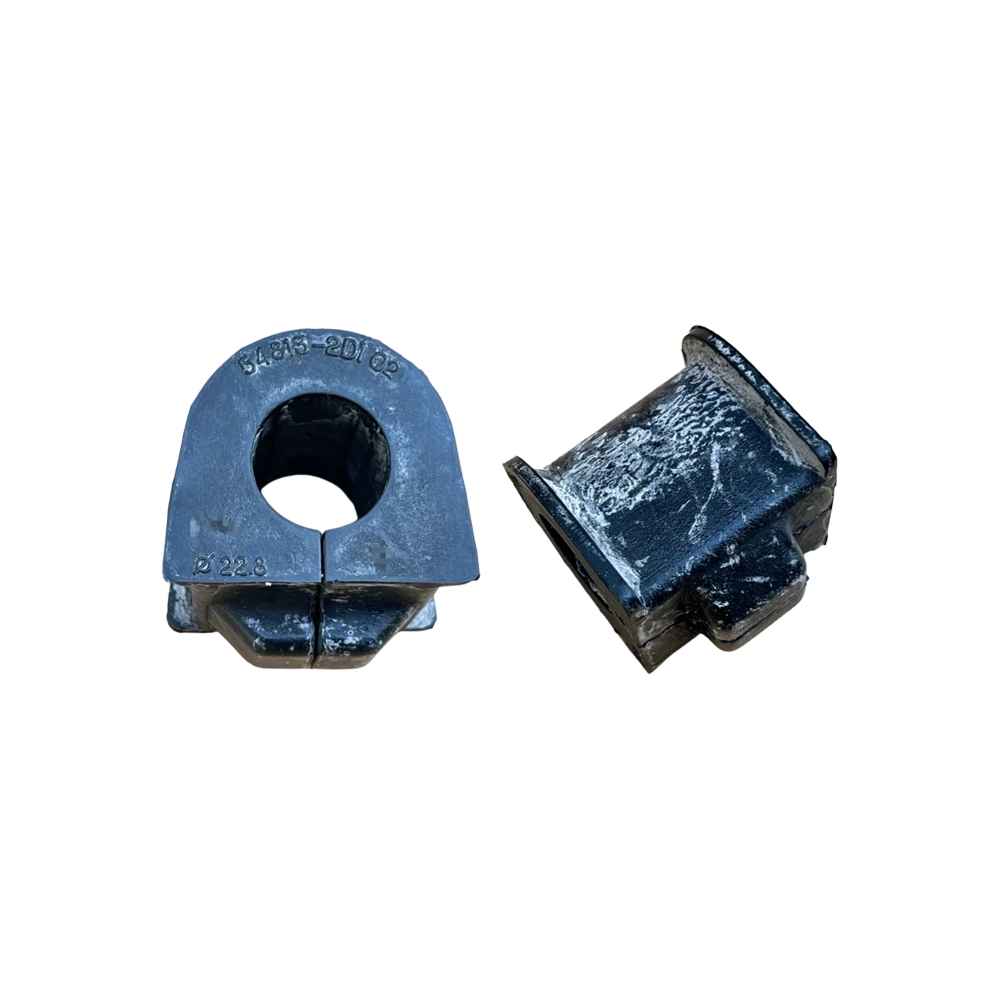
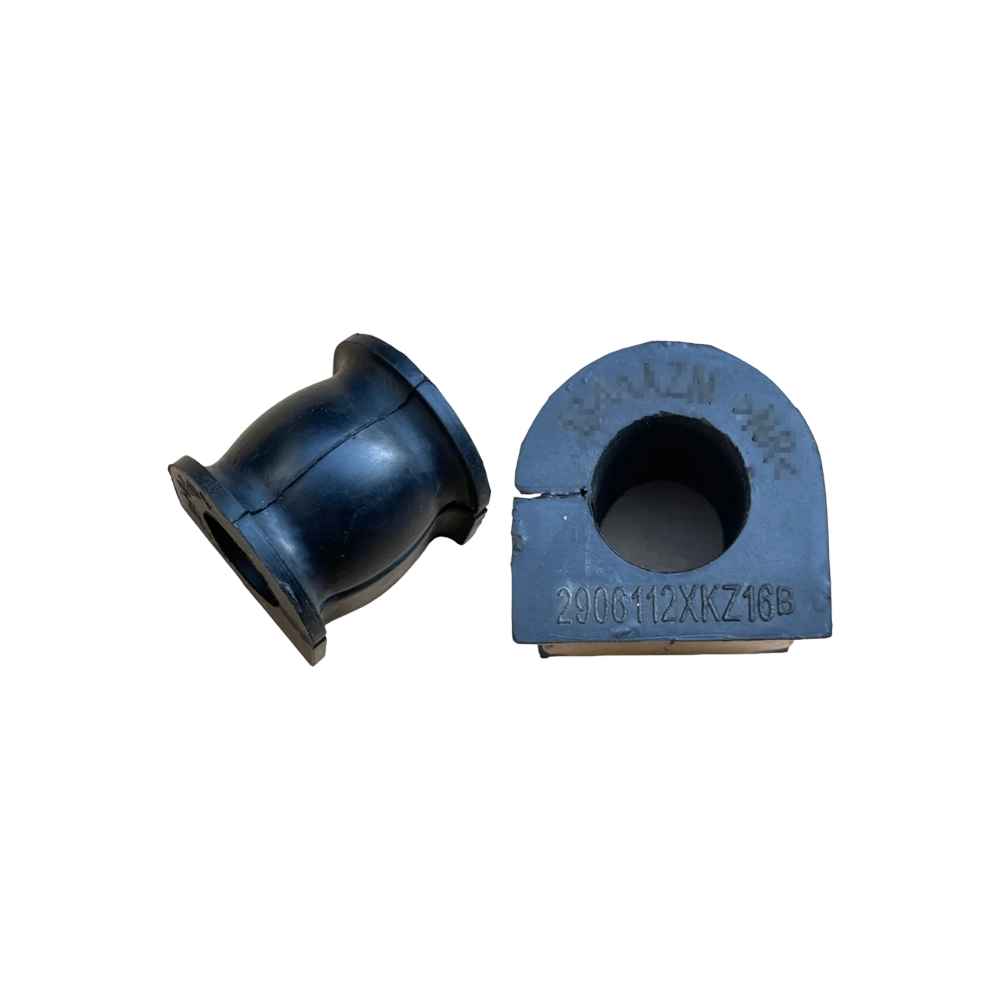
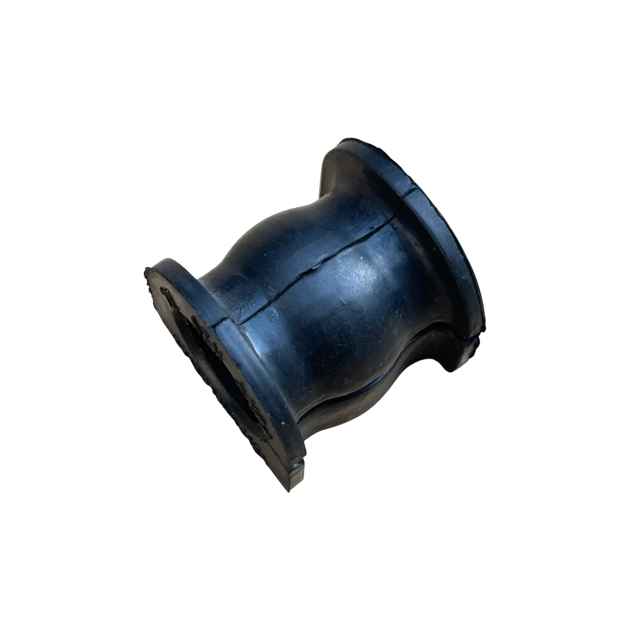
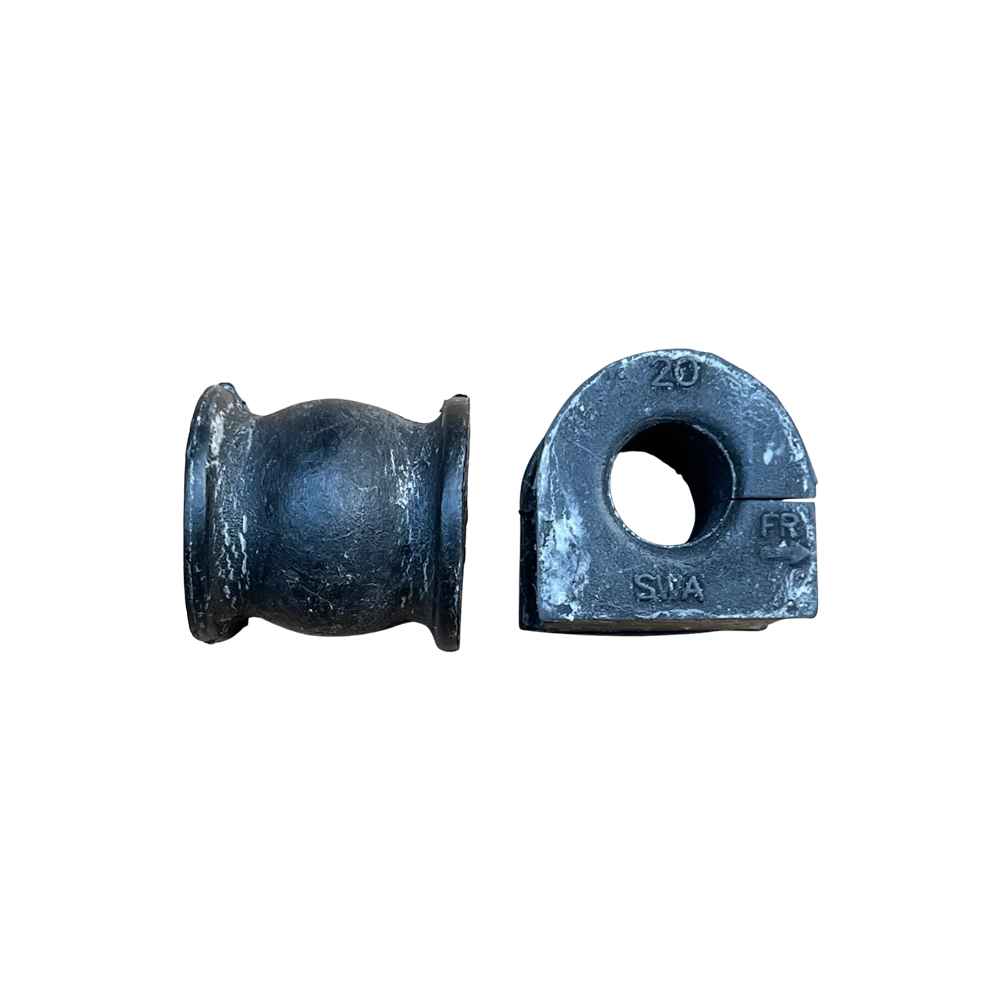
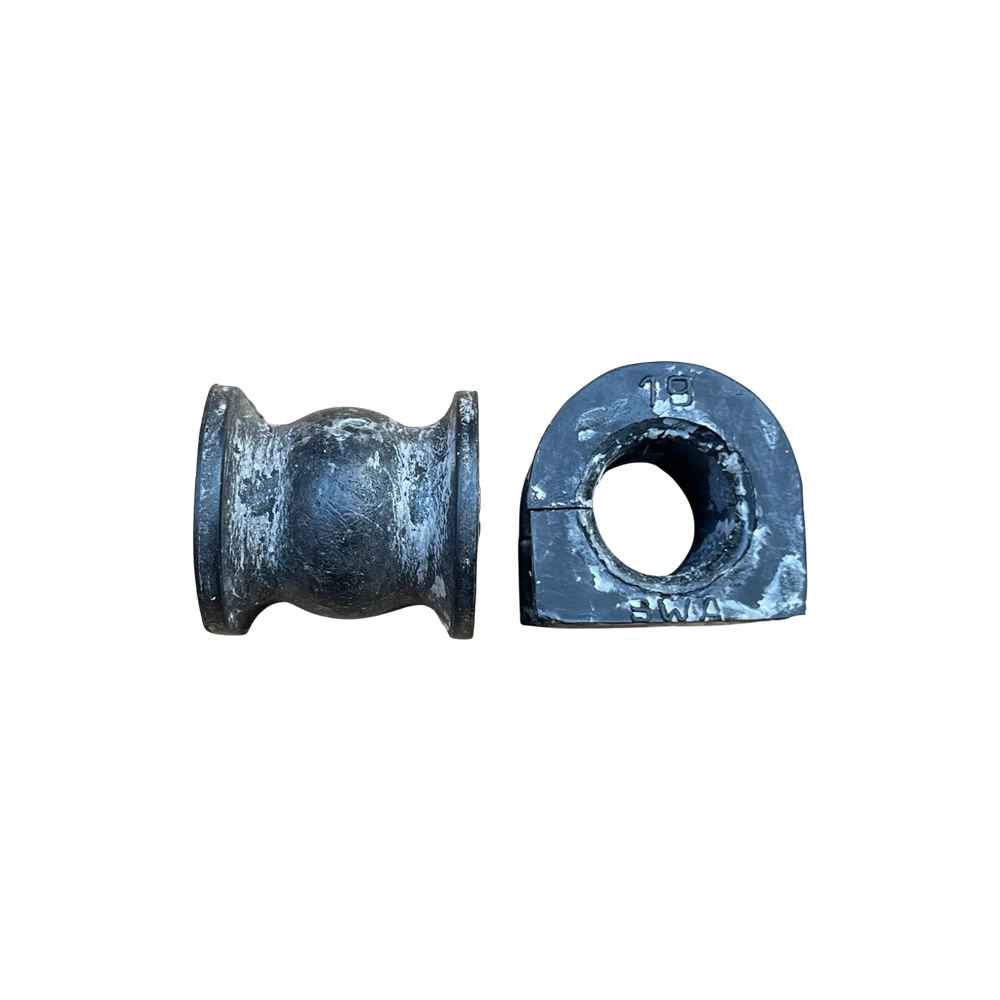
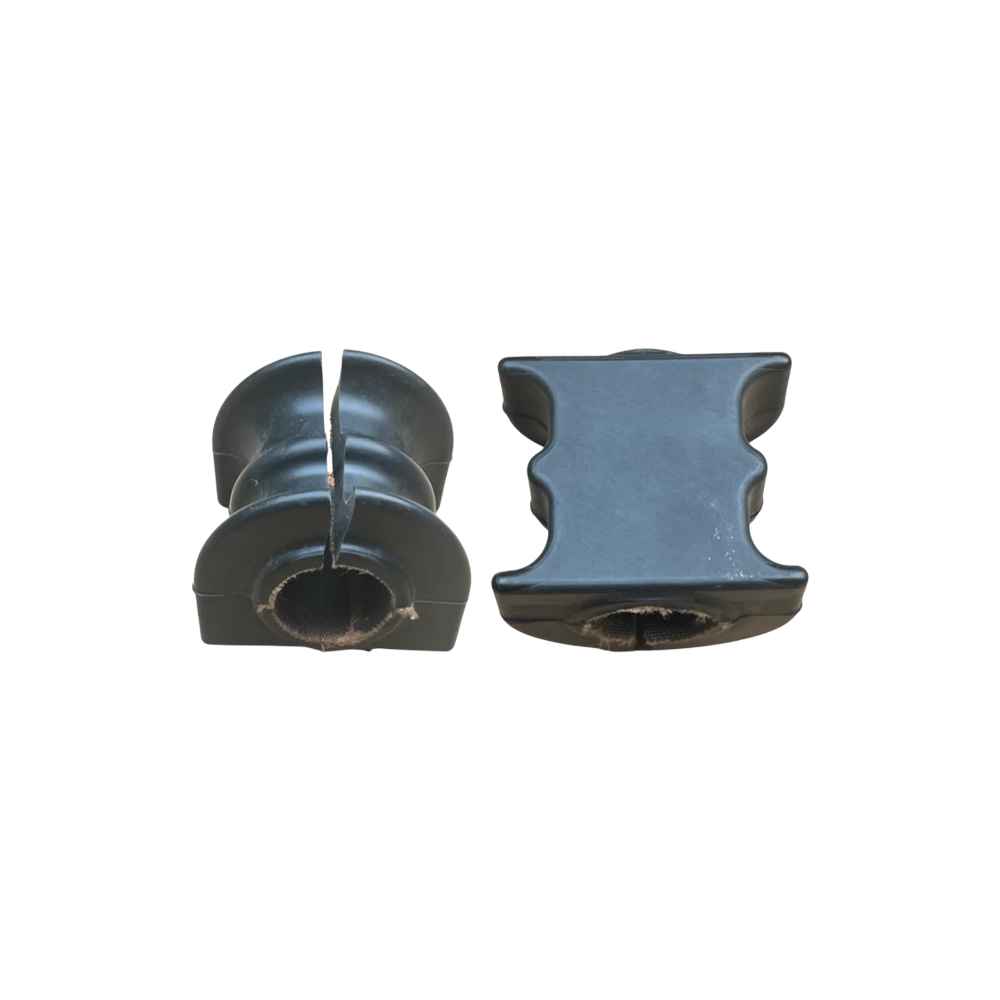
Fluoroelastomer, commonly known as Viton, stands out for its exceptional heat and chemical resistance. If you’re pushing your vehicle's limits, consider using Viton seals for Steering Rack Boots and Stabilizer Bar Bushings . According to recent data, vehicles equipped with Viton components experience a 30% longer lifespan compared to those using standard rubber!
- Pros:
- Outstanding thermal stability
- Superior chemical resistance
- Long-term durability
- Cons:
- Higher cost
- Less flexibility at low temperatures
Silicone: The Flexible Champion
When it comes to versatility, silicone reigns supreme. With excellent stability in extreme temperatures, silicone is ideal for shock absorber boots. The question isn't whether to use it but how much you'll appreciate its flexibility and resilience on tough trails!
- Pros:
- Exceptional temperature tolerance
- Great flexibility
- Good electrical insulation properties
- Cons:
- Lower tensile strength
- More expensive than NBR
Key Considerations for Selection
Deciding between NBR, Viton, or Silicone involves more than just their individual properties. You need to assess environmental conditions, application type, and budget. Think about where your vehicle will operate most frequently. Is it primarily in humid forests or dry deserts? Each context influences the material performance.
Real-World Application: A Case Study
Let’s examine a case from 2025 involving a popular off-road vehicle that weighs approximately 3,500 lbs. It relied heavily on NBR components for routine operations, but as drivers began demanding higher performance, they found themselves constantly replacing worn-out parts. In contrast, vehicles upgraded with Viton components reported far fewer maintenance issues. A staggering 40% reduction in service frequency was noted. How could any serious off-roader overlook such evidence?

Choosing a Reliable Supplier
When looking for materials, finding a trustworthy supplier is essential. Brands like Guanghua have built reputations by consistently providing high-quality products. They ensure that the elastomers meet stringent specifications. Also, consider local suppliers who understand regional demands and can provide personalized recommendations.
Conclusion: A Strategic Decision
Ultimately, selecting the right material for off-road upgrades is about balancing performance, durability, and cost. Whether you favor NBR for its affordability, Viton for its superior performance under pressure, or Silicone for its flexibility, make an informed choice. Optimize your ride today! After all, why not strive for the best possible upgrade?