Understanding the Materials: NBR, Viton, and Silicone
When selecting the right elastomer for OEM and aftermarket parts replacement in 2025, it is crucial to understand the properties of Nitrile Butadiene Rubber (NBR), Fluoroelastomer (Viton), and Silicone. Each material exhibits distinct characteristics that cater to specific applications.
Nitrile Butadiene Rubber (NBR)
NBR is particularly known for its excellent resistance to oils and fuels, making it an ideal choice for automotive applications, such as O-Rings & Rubber Sealing Rings used in fuel systems. Its ability to maintain flexibility even at low temperatures, while presenting a moderate level of heat resistance, renders it suitable for various mechanical seals.
Viton
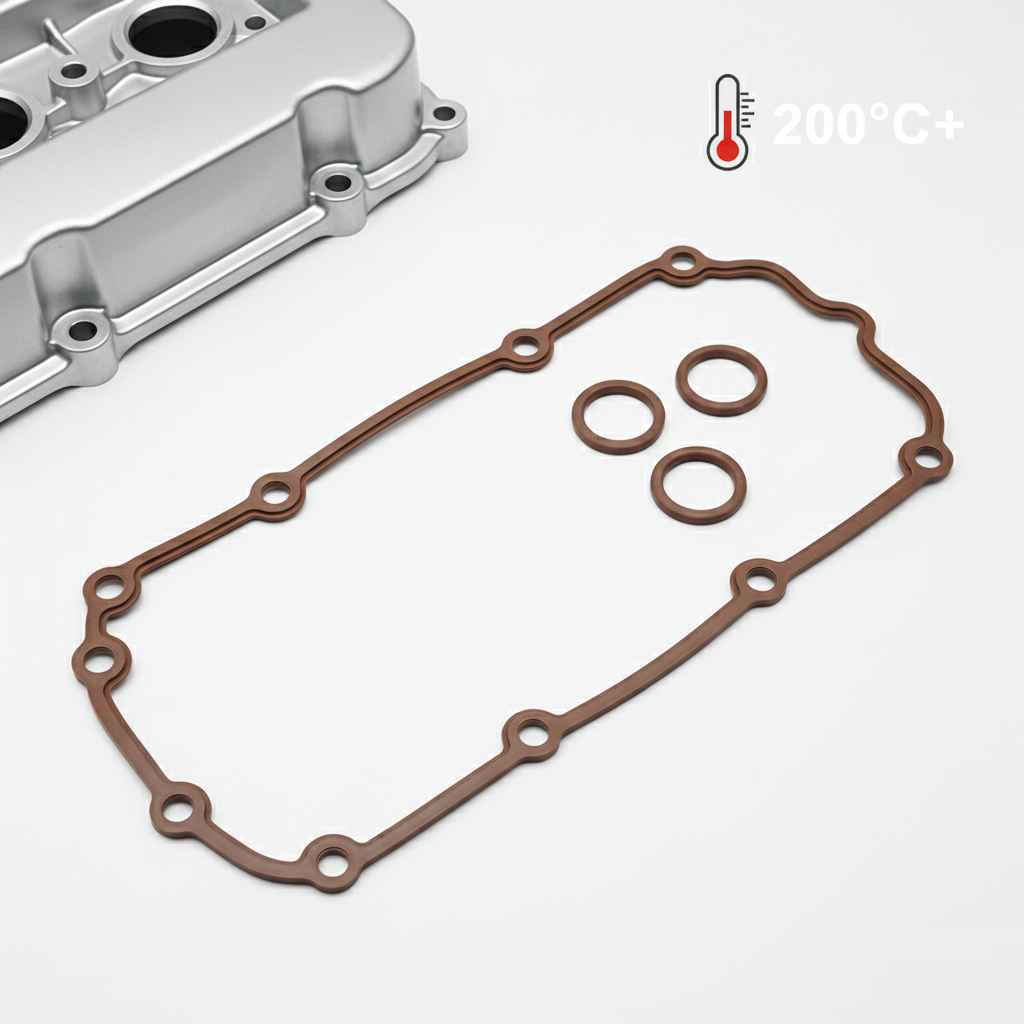
On the other hand, Viton stands out due to its superior chemical resistance, especially against aggressive fluids and solvents. This makes it a prime candidate for high-performance applications such as gaskets in critical environments. Additionally, its durability under extreme temperature conditions ensures longevity in automotive components like valve cover gaskets and CV Joint Boots .
Silicone
Conversely, silicone serves distinct purposes with its remarkable stability across a wide temperature range. It excels in applications requiring flexibility and resistance to environmental factors, making it popular for products like Shock Absorber Boots . Moreover, silicone is often chosen for food-grade applications due to its non-toxic nature.
Performance Criteria for OEM and Aftermarket Parts
Choosing the best elastomer doesn't solely rely on material properties; performance criteria must be systematically evaluated. Key considerations include:
- Tensile Strength: Evaluate the material's resistance to deformation under tensile loads.
- Compression Set: Assess the ability of the elastomer to return to its original shape after compressive forces are removed.
- Temperature Resistance: Ensure the material can withstand operating temperatures without degradation.
- Chemical Compatibility: Verify compatibility with various fluids it will encounter during service.
- Durability: Consider how well the material resists wear over time, especially in dynamic applications.
Supplier Selection: Why Trust Matters
In the landscape of OEM and aftermarket components, supplier reliability plays a pivotal role. A trusted supplier, such as Guanghua, often provides not only high-quality materials but also valuable insights based on industry experience. When evaluating suppliers, consider their:
- Quality Assurance Processes: Look for certifications and compliance with industry standards.
- Technical Support: A knowledgeable team should assist in matching materials to specific application requirements.
- Flexibility in Production: A reliable supplier should offer custom solutions for niche applications.
Cost-Effectiveness vs. Quality
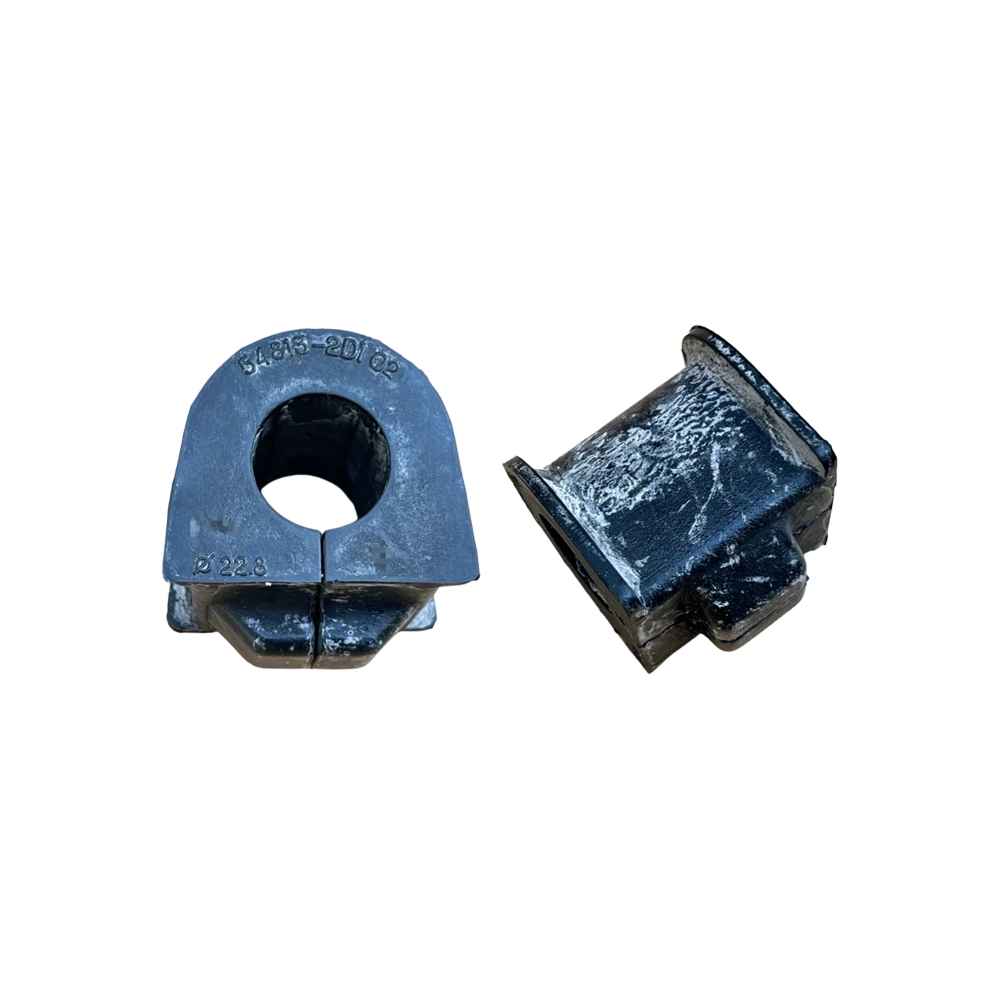
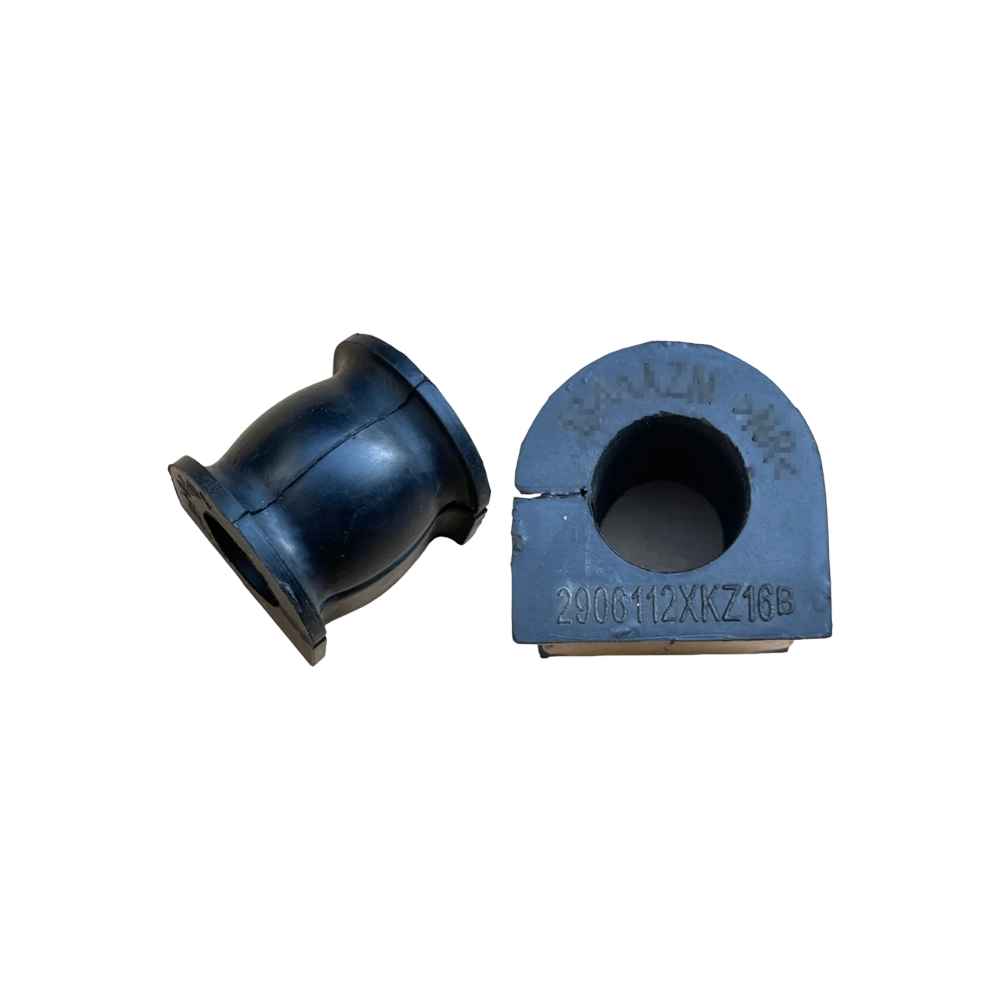
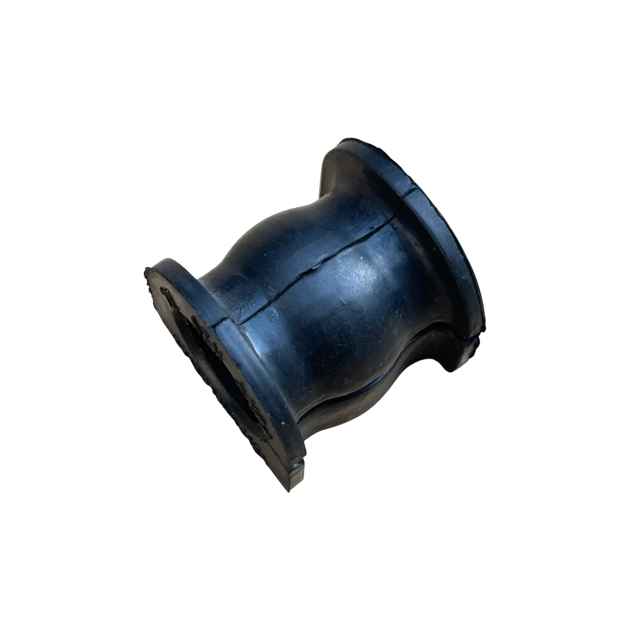
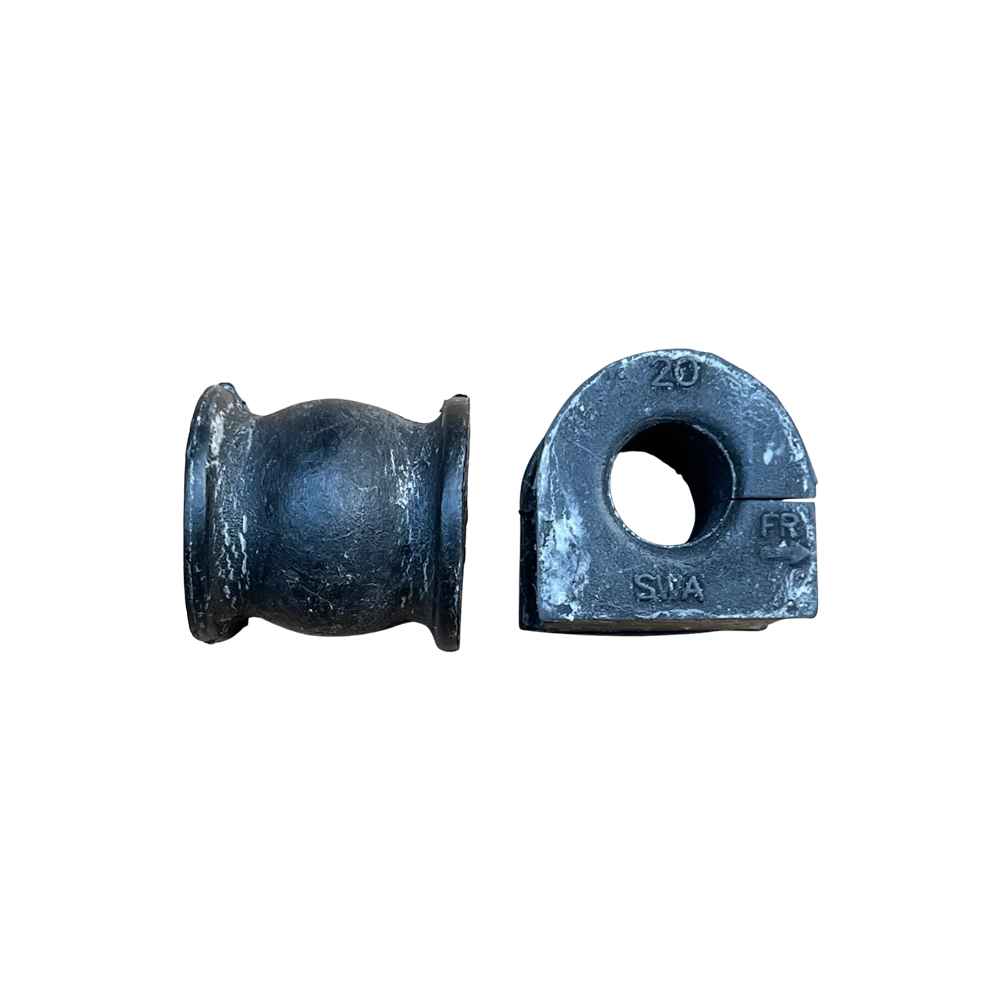
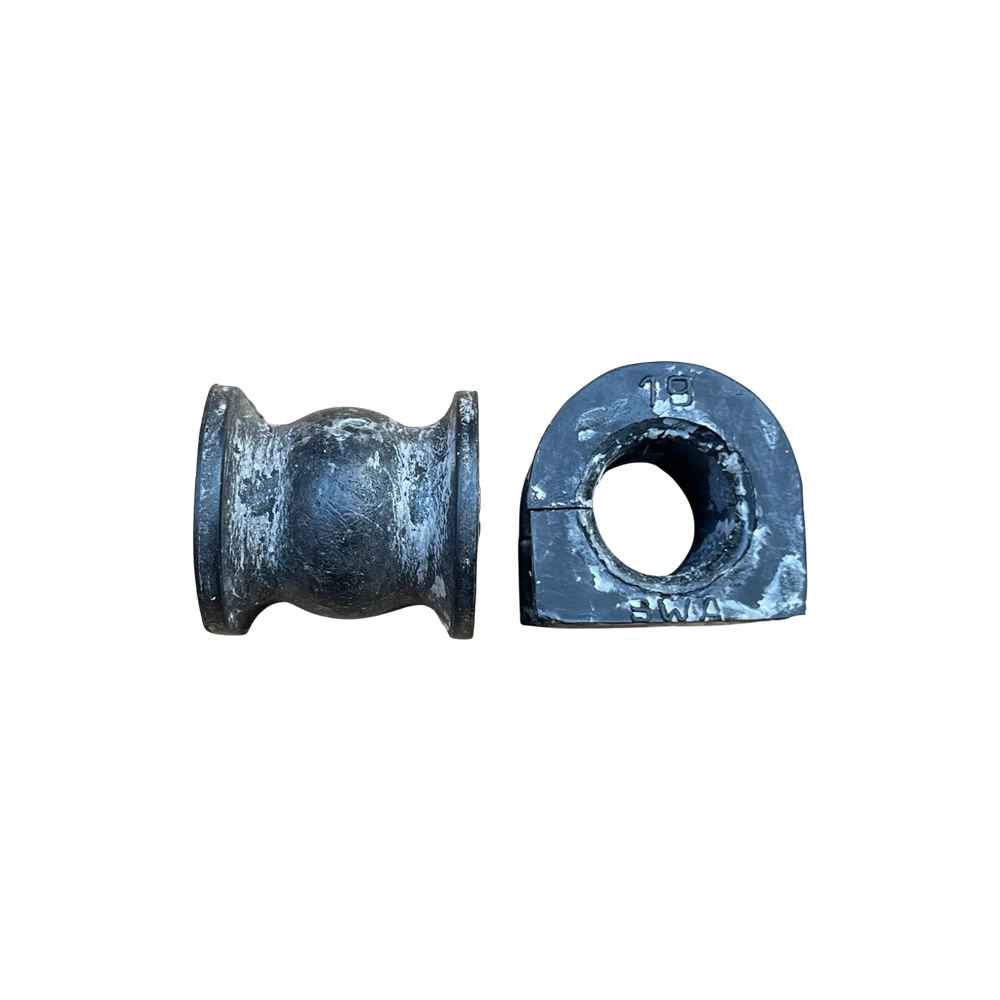
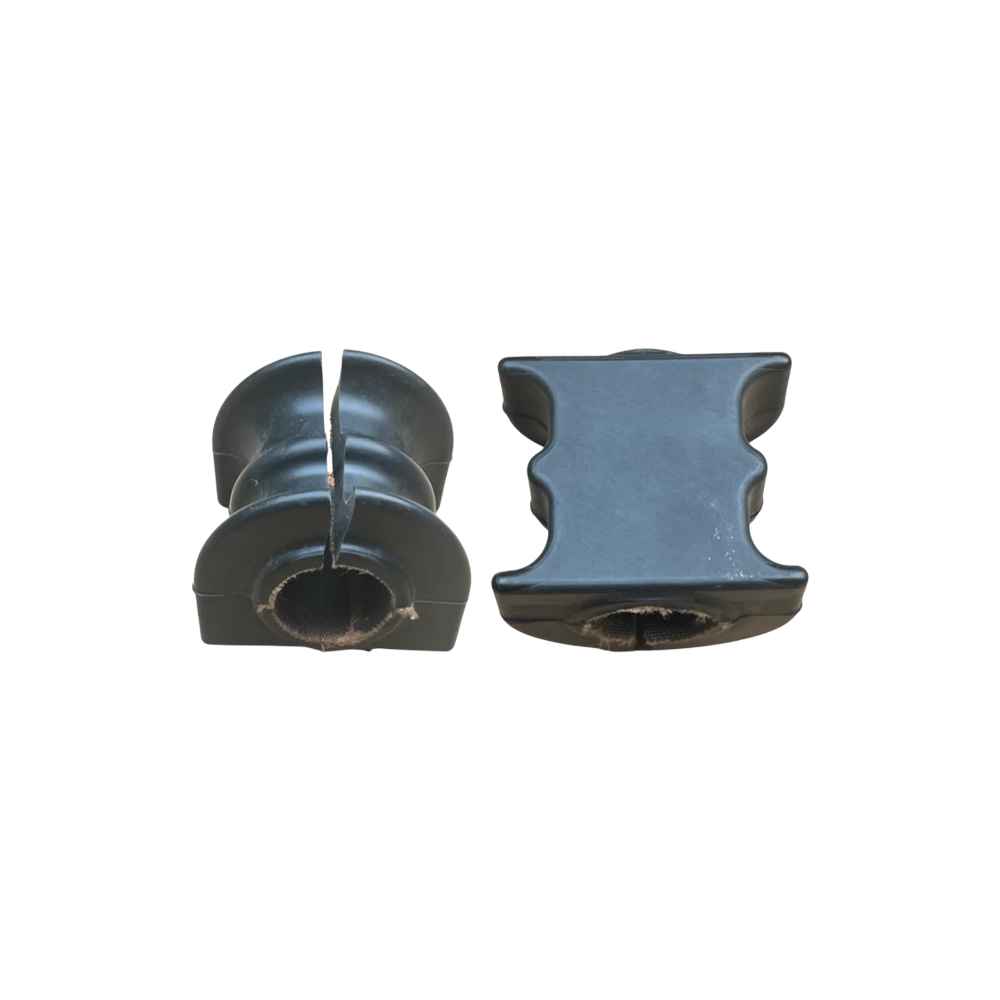
It’s tempting to opt for the least expensive material available, especially for aftermarket parts. However, sacrificing quality can lead to higher long-term costs due to premature failures. For instance, an inferior quality stabilizer bar bushing may need frequent replacements, negating any initial savings. Investing in reputable materials can ultimately enhance vehicle performance and reduce maintenance efforts.
Trends Influencing Material Selection in 2025
The automotive industry is rapidly evolving, driven by consumer expectations and regulatory demands for improved efficiency and sustainability. As such, trends influencing material selection include:
- Eco-friendly Materials: An increased focus on sustainability often leads manufacturers to explore bio-based or recyclable options.
- Advanced Manufacturing Technologies: Innovations such as 3D printing allow for more complex designs, which can elevate material choices.
- Enhanced Performance Standards: Growing demands for higher performance necessitate the use of advanced elastomers that meet rigorous specifications.
Final Considerations for OEM and Aftermarket Parts Replacement
In summary, making informed decisions regarding NBR, Viton, and Silicone for OEM and aftermarket part replacements in 2025 requires a comprehensive understanding of material properties, performance criteria, supplier reliability, and current industry trends. By adopting a meticulous approach to material selection, one can ensure the longevity and efficacy of automotive components, thereby enhancing overall vehicle reliability and performance.