Understanding O-Ring Seals
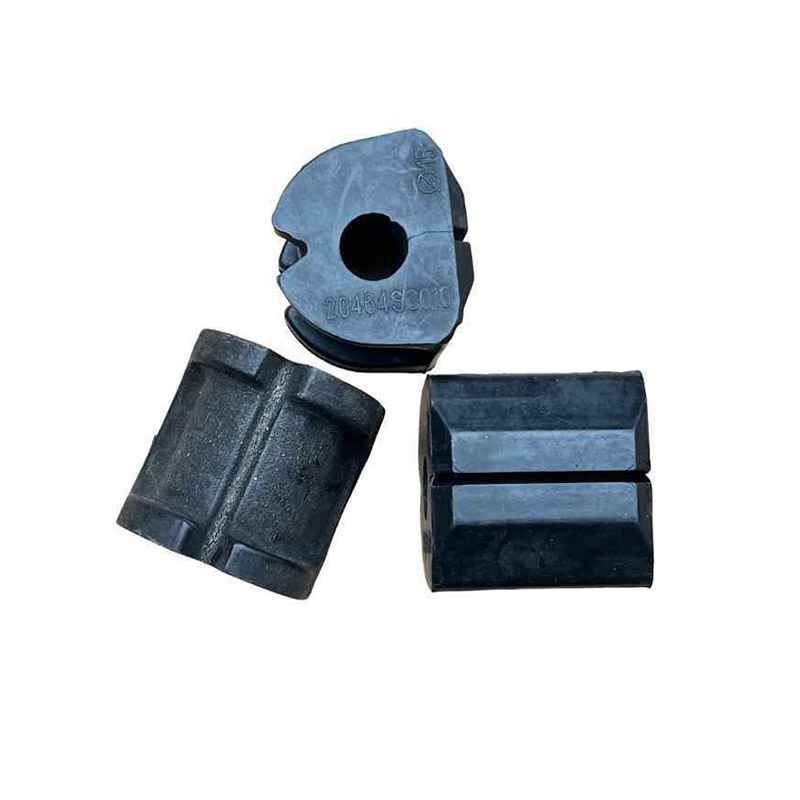
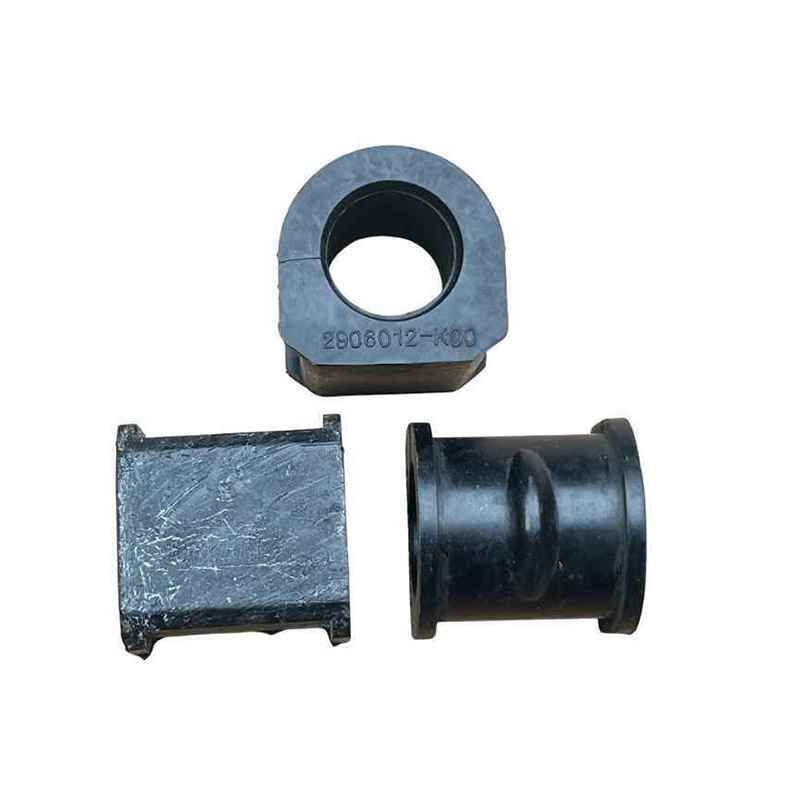
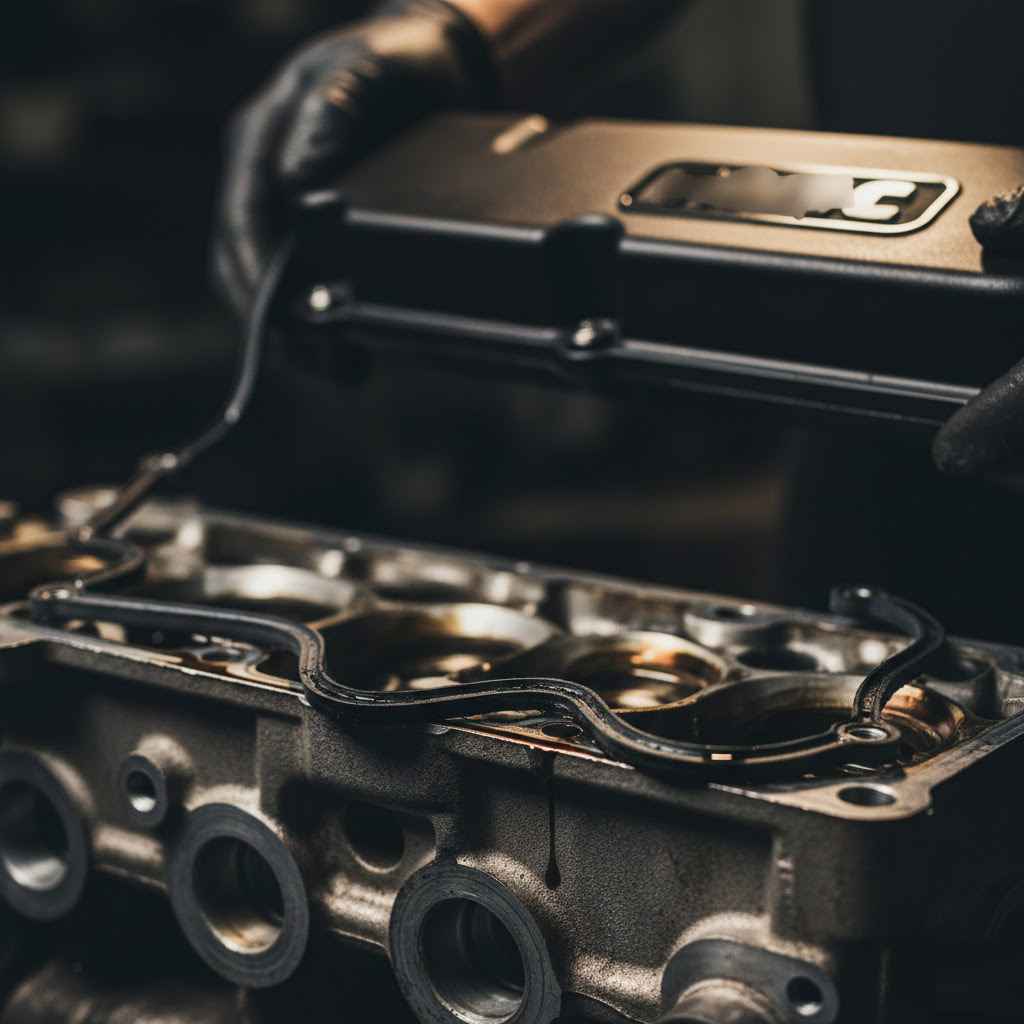
O-ring seals, often fabricated from synthetic rubber materials such as nitrile or silicone, are essential components in various mechanical assemblies. Their primary function is to create a reliable seal between two parts, thereby preventing leakage of fluids and gases. These seals are widely used in automotive applications, including engine compartments, hydraulic systems, and pneumatic devices.
Key Characteristics of O-Ring Seals
- Material Composition: The choice of material significantly influences the performance of an O-ring. Options include heat-resistant materials for high-temperature environments and chemical-resistant compounds for aggressive fluid applications.
- Size Standards: O-rings are available in various sizes, generally categorized by inner diameter and cross-sectional thickness. It’s crucial to select the correct size to ensure optimal sealing performance.
- Durability and Lifespan: The longevity of O-rings depends on environmental factors such as temperature fluctuations, exposure to chemicals, and pressure levels. Selecting high-quality seals from manufacturers like Guanghua can enhance durability.
Driveshaft Boots: An Overview
In contrast, driveshaft boots, commonly made from durable rubber, serve to protect the constant velocity (CV) joints from dirt, debris, and moisture. They play an integral role in the overall performance and longevity of the drivetrain system.
Importance of Driveshaft Boots
- Protection: The primary function of driveshaft boots is to shield the CV joint, which is pivotal in allowing the driveshaft to flex while maintaining a safe and secure connection.
- Fluid Containment: Like O-rings, these boots help contain lubricants necessary for the smooth operation of the CV joints, thus preventing premature wear and failure.
- Signs of Wear: Regular inspection of driveshaft boots is essential; cracks or tears in the material can lead to contamination of internal components, necessitating timely replacements to avoid costly repairs.
Comparative Insights: O-Ring Seals vs. Driveshaft Boots
While both O-rings and driveshaft boots serve as integral sealing components, their applications and functionalities differ considerably. O-rings primarily focus on sealing static or dynamic interfaces, whereas driveshaft boots are designed specifically for protective purposes around moving parts.
Selection Criteria for Each Component
When choosing between O-ring seals and driveshaft boots, various factors should be considered:
- Application Environment: Identify the conditions under which each component will operate; aggressive chemical environments may favor specific materials for O-rings, while driveshaft boots should withstand mechanical stress and resistance to abrasion.
- Performance Requirements: Assess the performance needed—whether it is in terms of pressure ratings for O-rings or flexibility and stretchability for driveshaft boots.
- Manufacturing Standards: Opting for products from TS16949/ISO certified manufacturers like Guanghua ensures adherence to high manufacturing standards, potentially enhancing reliability and performance.
Considerations When Sourcing Sealing Solutions
The sourcing process must not be overlooked, as it directly affects the quality and efficacy of the sealing solutions. Factors such as supplier reputation, product certifications, and customization capabilities should be taken into account.
Supplier Reputation
A reputable supplier known for quality products will provide assurance regarding the performance and durability of O-rings and driveshaft boots. Engaging with established brands that have a strong presence in the industry adds an extra layer of confidence.
Customization Capabilities
Varying applications require tailored solutions; therefore, it's beneficial to collaborate with manufacturers offering customization options. For instance, specific durometers, colors, or even geometrical configurations might be necessary to suit particular operational needs.
Conclusion: Making Informed Choices
Ultimately, selecting the appropriate O-ring seals or driveshaft boots hinges on understanding the specific requirements of your application. By considering the characteristics, performance needs, and sourcing strategies mentioned above, one can achieve superior sealing effectiveness and component longevity.