Understanding the Role of O-Rings in Automotive Hydraulic Systems
O-rings are crucial components in automotive hydraulic systems, acting as seals to prevent fluid leaks. They are used extensively in applications ranging from brake systems to power steering. In 2025, choosing the right O-rings and rubber sealing rings involves understanding their materials, sizes, and compatibility with various fluids.
Material Considerations
The material of an O-ring dramatically affects its performance. Common materials include:
- Nitrile Rubber (NBR): Excellent resistance to oil and fuels, making it a popular choice for automotive applications.
- Fluoroelastomer (FKM): Known for high temperature and chemical resistance, ideal for harsh environments.
- Silicone Rubber: Offers great flexibility but is not suitable for high-pressure applications.
It’s essential to analyze the environment where the O-ring will be installed. For instance, if you are sourcing parts for a vehicle that operates under extreme temperatures, a fluoropolymer might be more appropriate than standard nitrile. In fact, I would argue that too many distributors overlook this factor, leading to premature failures.
Size Matters: Choosing the Right Dimensions
Selecting the correct size for O-rings can’t be overstated. The two key dimensions to consider are:
- Inner Diameter (ID): Must match the housing or fitting it will sit in.
- Cross-Section Thickness: Affects how well the O-ring can seal against the mating surface.
When you order O-rings, ensure to verify the specifications meticulously. Miscalculating even slightly can lead to costly leaks or system failures. This is a common pitfall that I’ve seen firsthand among distributors who rush through orders without double-checking measurements.
Compatibility with Fluids
Hydraulic fluids vary significantly in their chemical composition. An O-ring that performs well in one type of fluid may fail disastrously in another. To choose the right one, consider:
- The type of hydraulic fluid used (mineral-based, water-based, etc.).
- Temperature ranges the fluid will encounter.
- Any additives present in the fluid that could degrade the O-ring material.
For example, if you're dealing with phosphate ester fluids commonly found in aviation applications, a typical nitrile O-ring won't suffice. Instead, a specialized Viton O-ring would be necessary. Distributors should always be aware of the specifics of the fluids involved, and I suggest working closely with suppliers like Guanghua who can provide detailed compatibility charts.
Quality Assurance and Testing Standards
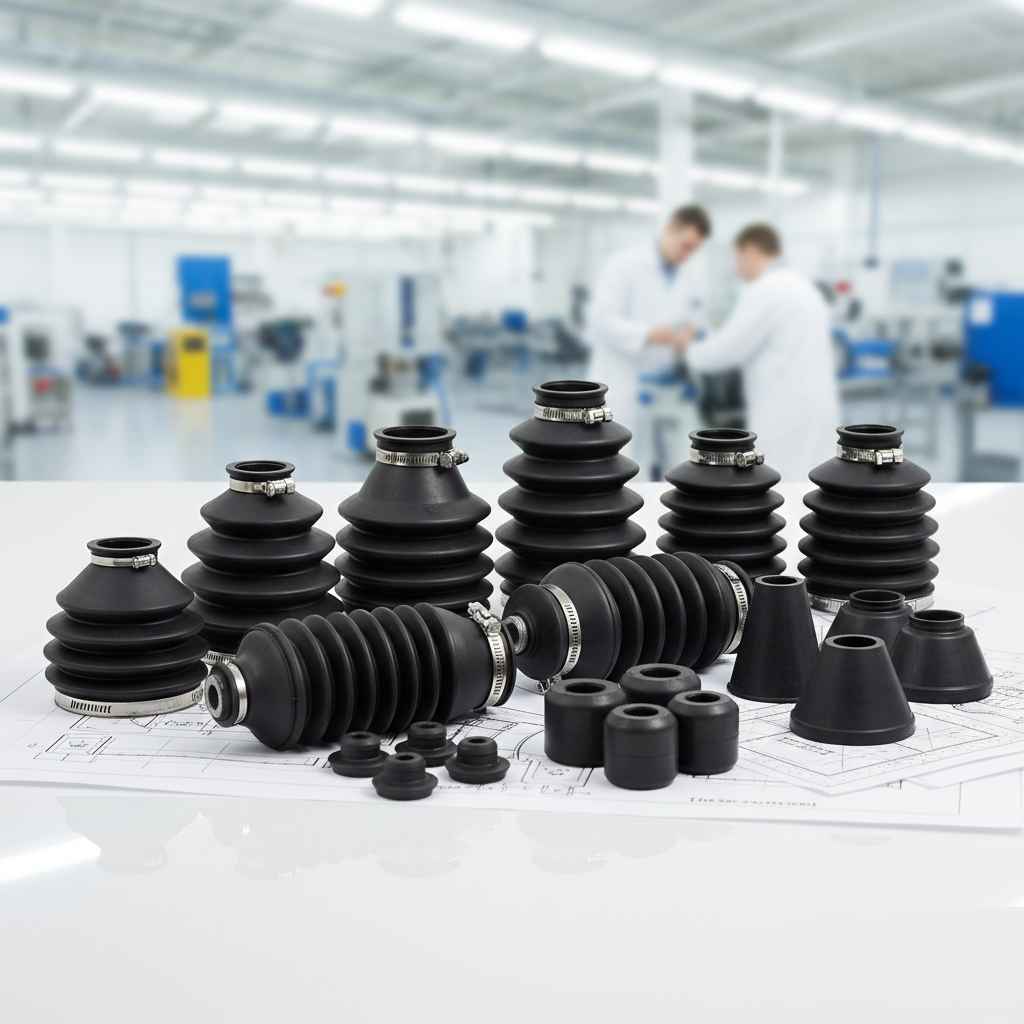
Not all O-rings are created equal. Quality can vary based on manufacturing standards and processes. It’s vital to procure O-rings from reputable suppliers who adhere to international quality standards such as ISO 9001. Here’s what to look for:
- Certification documents proving compliance with industry standards.
- Testing results for physical properties (compression set, tensile strength).
- Traceability of materials used in production.
I often recommend that distributors establish a long-term relationship with manufacturers like Guanghua, which have proven track records in delivering reliable products tailored for the automotive sector.
Cost vs. Value: Finding the Balance
While it's tempting to choose the cheapest option available, this approach can backfire. O-rings are the last line of defense against leaks in hydraulic systems. Spending a little more upfront on high-quality O-rings can save significant costs associated with repairs and downtimes later. Often, the best value comes from balancing cost with quality, especially when sourcing parts for your customers.
Conclusion: Expert Tips for Distributors in 2025
When selecting O-rings and rubber sealing rings for automotive hydraulic systems, take a holistic approach. From understanding materials to ensuring compatibility and adhering to quality standards, each factor plays a critical role in ensuring the longevity and reliability of automotive components.
As we move into 2025, I encourage distributors to stay updated on trends and innovations within the sealing ring market. By partnering with trusted manufacturers and paying attention to detail, you can better serve your customers and enhance your business's reputation.