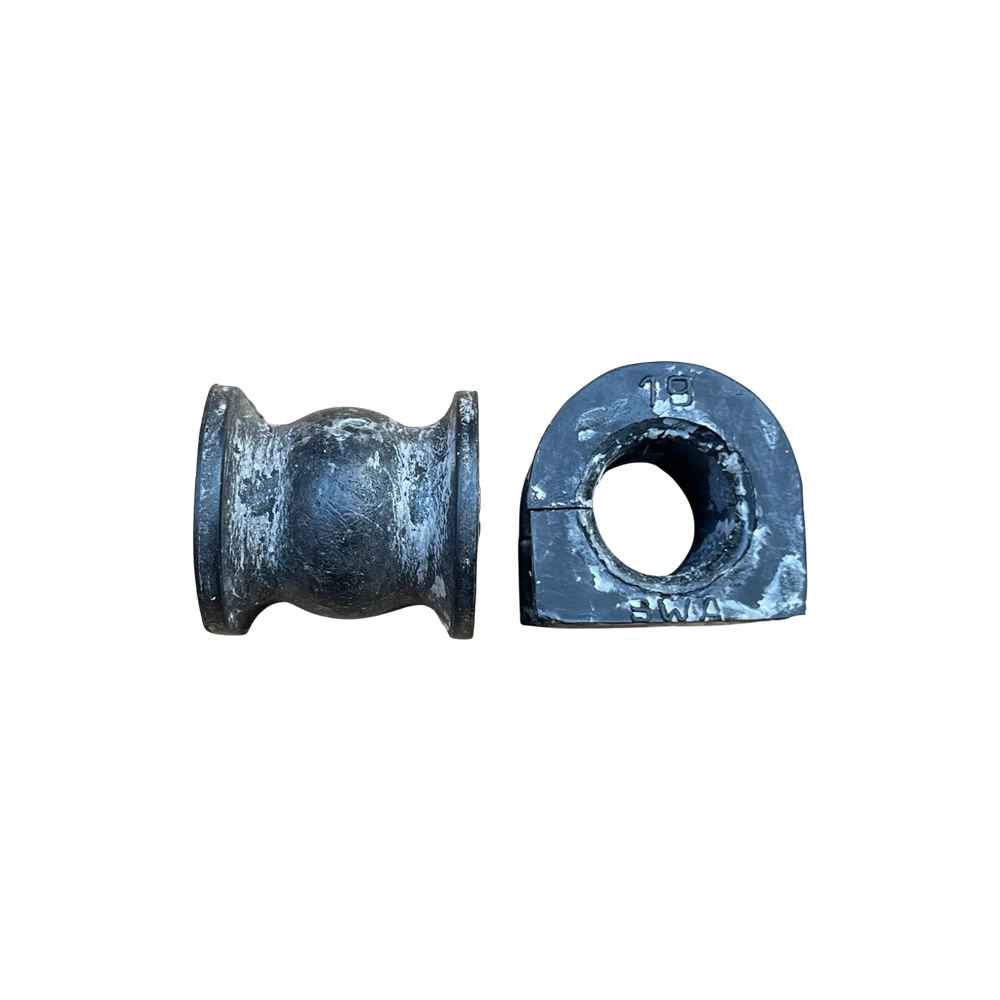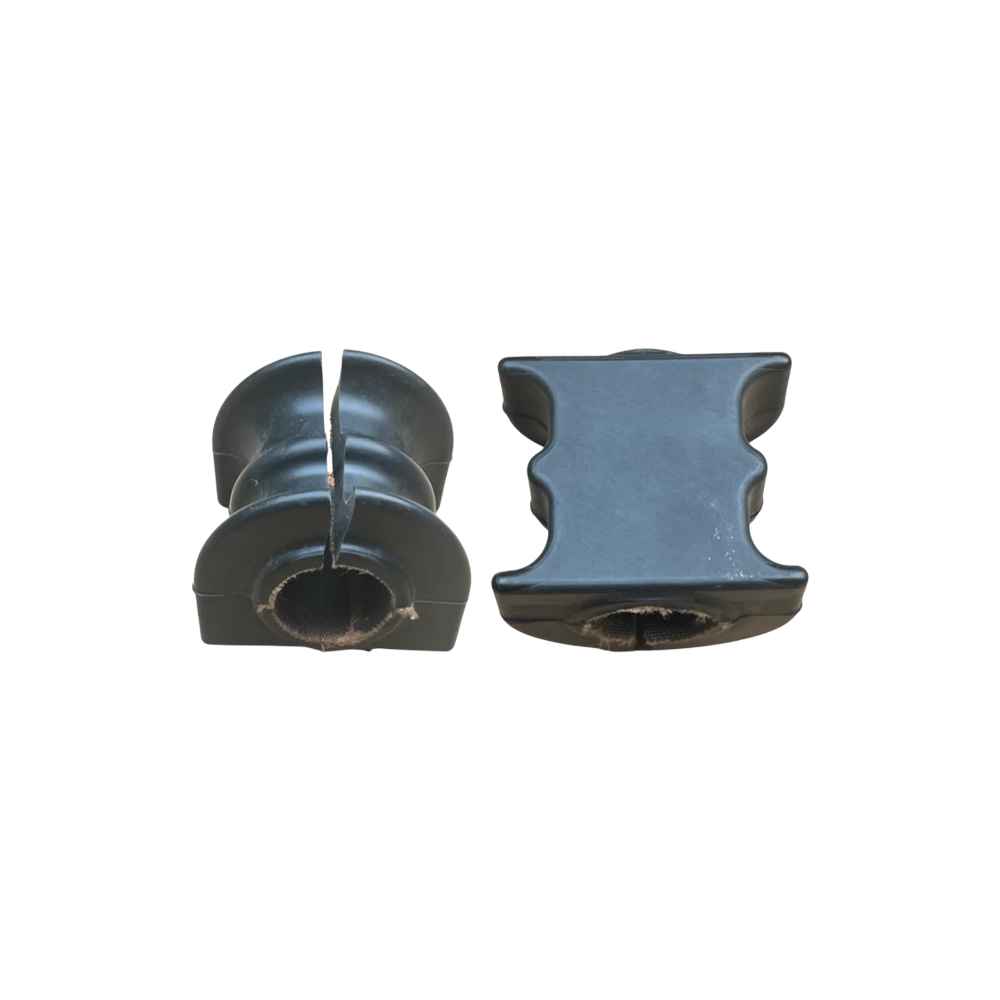
Understanding O-Rings and Rubber Sealing Rings
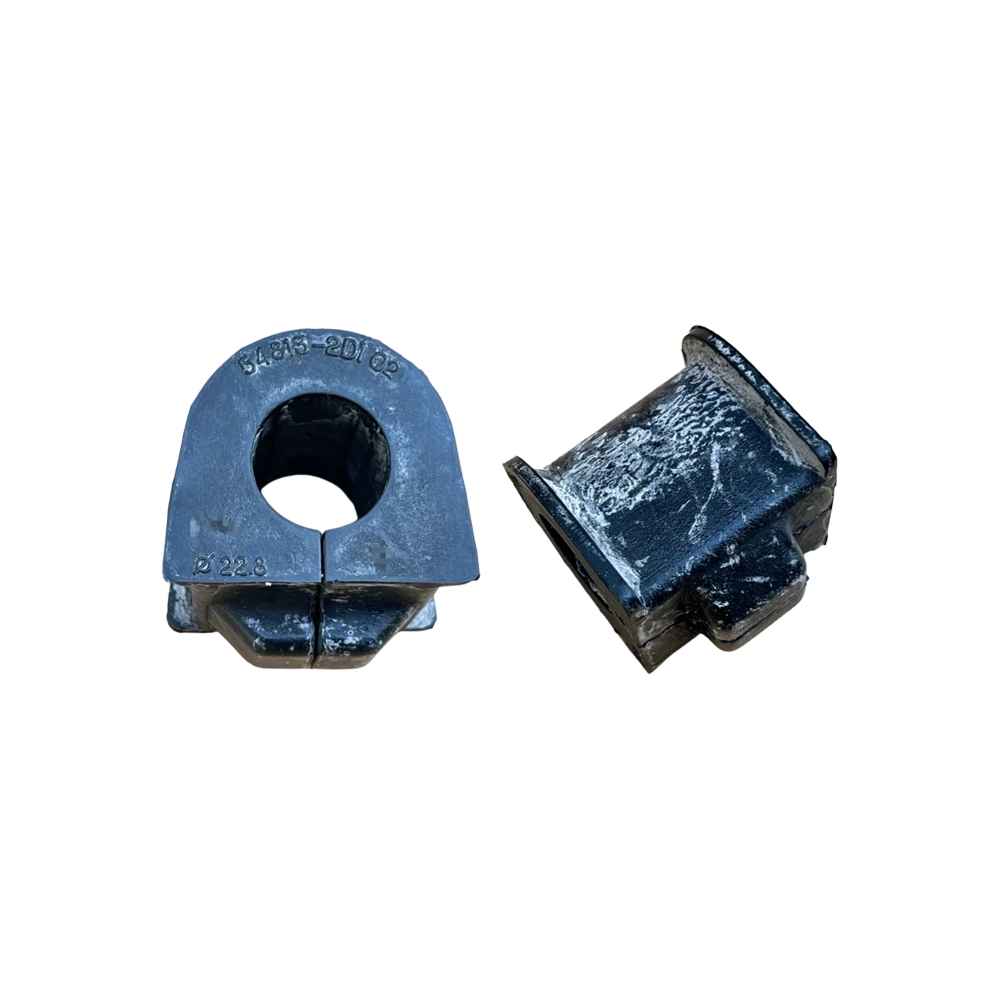
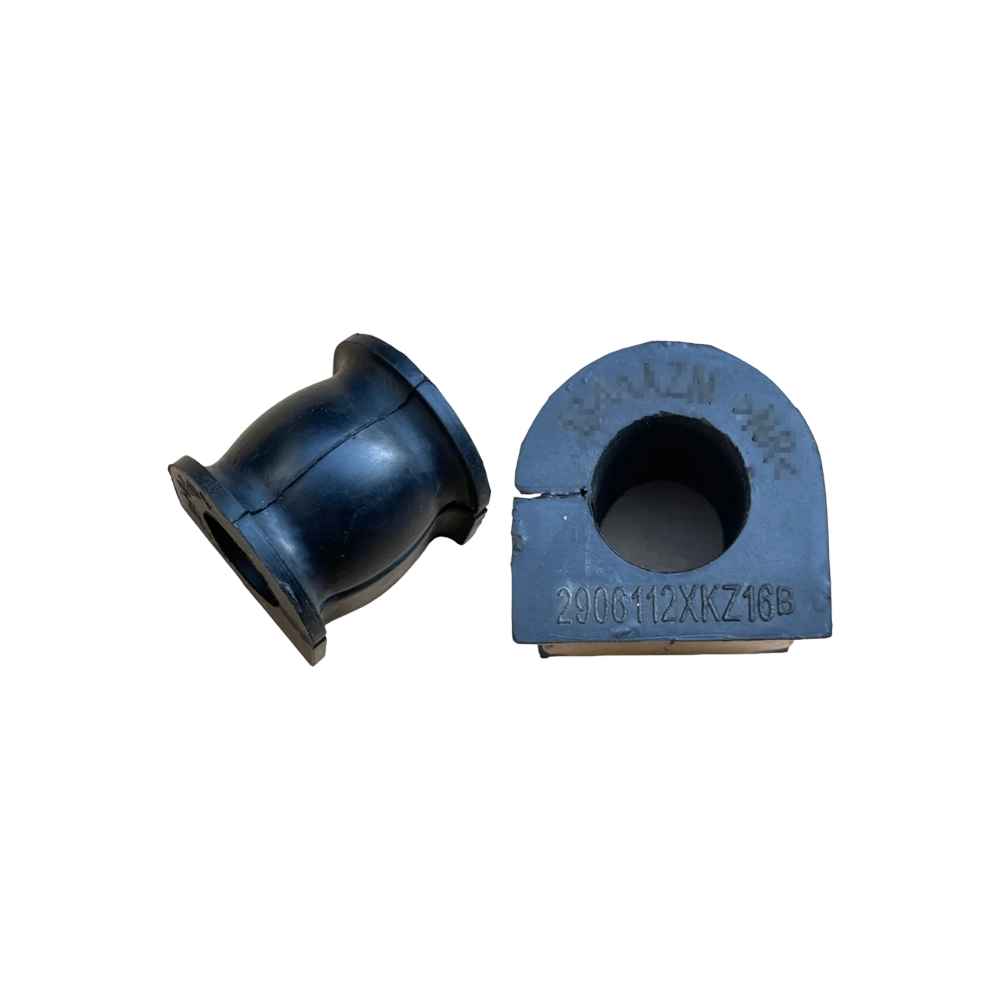
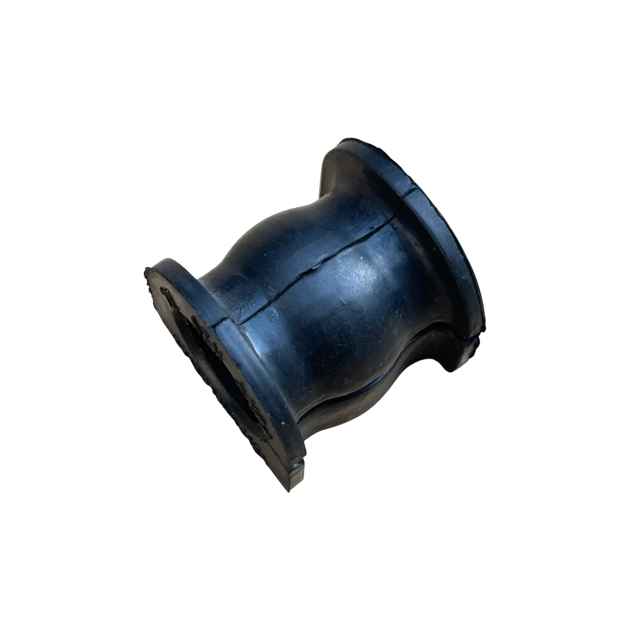
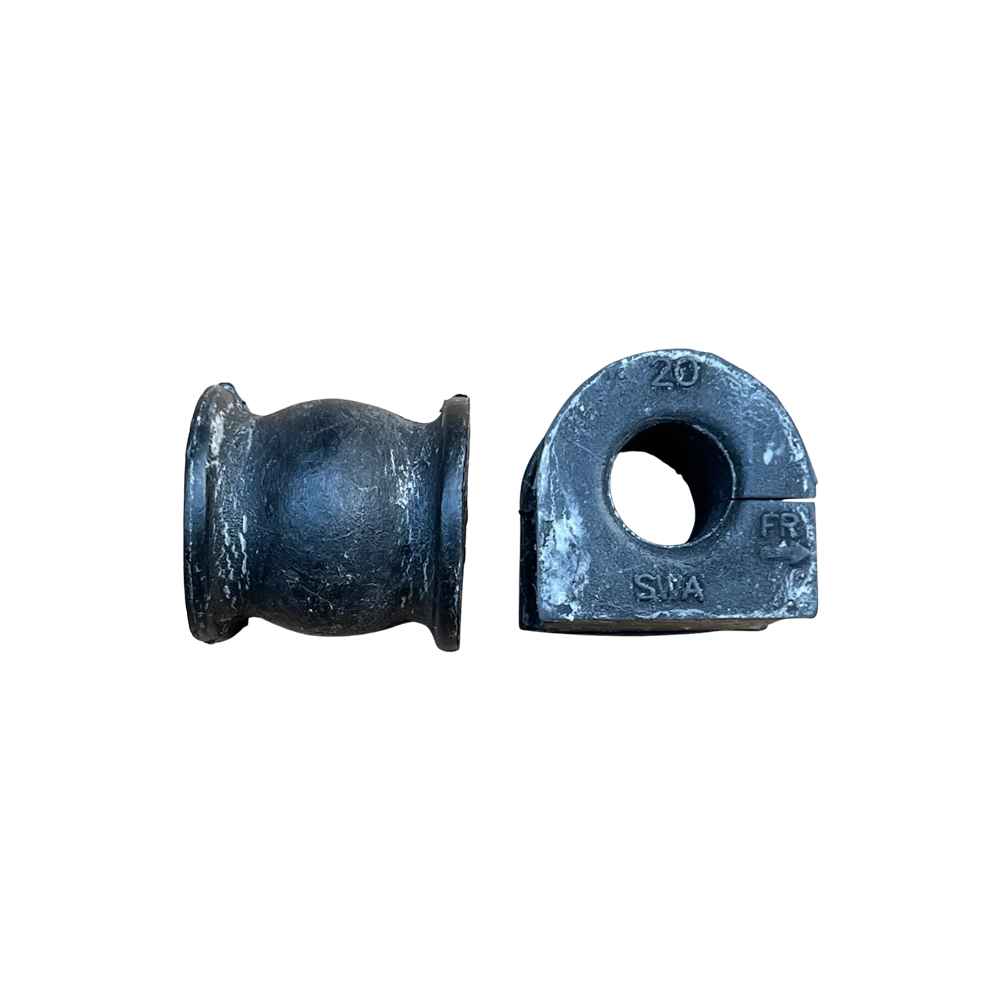
O-Rings and rubber sealing rings play a crucial role in ensuring the integrity of various mechanical systems, particularly in automotive applications. While they may seem simple, their effectiveness depends on material selection, design, and application conditions. In my experience as a manufacturing partner, I often encounter clients who underestimate the importance of these components.
Material Selection
The choice of materials is essential for the performance of O-Rings. Options range from standard nitrile to more specialized compounds like fluorocarbon or silicone. Each has unique benefits depending on the environment they will be exposed to. For instance, if heat or chemical exposure is a concern, a fluorocarbon O-Ring might be preferable, while a nitrile ring suffices for general use. I’ve seen firsthand how selecting the right material can prolong the lifespan of these seals significantly.
Dimensions and Tolerances
When it comes to dimensions, precision is key. The fit must be exact; otherwise, you risk leaks and premature wear. It's also vital to consider tolerances during production. A slight deviation in size can lead to catastrophic failures in critical systems. I recommend working closely with your manufacturer to ensure they understand the specific requirements of your application.
Rack and Pinion Boots: An Overlooked Component
While many focus on O-Rings, rack and pinion boots deserve equal attention. These boots protect the steering mechanism from dirt and debris, prolonging the life of the steering rack. A damaged boot can lead to contamination, which results in costly repairs down the line.
Why Material Matters Here Too
Similar to O-Rings, the material of rack and pinion boots plays a pivotal role in their functionality. Most manufacturers opt for durable rubber compounds that can withstand harsh environmental conditions. For instance, the Guanghua brand offers options that are specifically designed to resist ozone degradation. This feature can significantly extend the functional life of the boot and, by extension, the entire steering system.
Installation Considerations
Proper installation techniques cannot be overlooked when discussing rack and pinion boots. Improper fitting can not only jeopardize the boot's efficacy but also lead to misalignment issues in the steering system. It's crucial to follow best practices during installation to ensure long-term performance.
Key Differences Between O-Rings & Rubber Sealing Rings and Rack and Pinion Boots
While both types of components serve distinct purposes, some key differences set them apart:
- Application: O-Rings primarily seal joints between two parts, preventing fluid or gas leakage. In contrast, rack and pinion boots safeguard mechanical parts from external contaminants.
- Design: O-Rings have a circular cross-section, whereas rack and pinion boots typically have a bellows design to accommodate movement.
- Failure Modes: The failure of an O-Ring often leads to leaks, while a damaged boot may result in mechanical failure due to contamination.
Choosing the Right Partner
Selecting the right manufacturing partner can greatly influence your success in sourcing these components. Look for companies that specialize in custom solutions, as they can offer tailored advice based on your unique needs. A good partner should also provide detailed specifications and data sheets for their products, helping you make informed decisions.
Evaluating Quality
Not all rubber sealing rings or boots are created equal. Demand quality assurance processes from your supplier. A reputable manufacturer will perform rigorous testing to ensure their components meet industry standards. It’s always worth asking about certifications, such as ISO 9001, which indicates a commitment to quality management.
Cost vs. Value: A Delicate Balance
Price can often drive decision-making when sourcing O-Rings and rubber sealing rings or rack and pinion boots. However, as many in the industry know, the cheapest option isn’t always the best. It’s crucial to balance cost with performance and durability. Investing slightly more in high-quality components can save a significant amount in maintenance and replacement costs over time. Actually, I've seen cases where the initial savings on cheaper components led to far greater expenses due to frequent failures and replacements.

Conclusion
In summary, whether you’re considering O-Rings and rubber sealing rings or rack and pinion boots, understanding the nuances of each component is essential. From material selection to installation best practices, every detail matters. By partnering with a knowledgeable manufacturer and focusing on quality, you can minimize risks and enhance the longevity of your mechanical systems.