Understanding the Differences
When it comes to automotive maintenance, oil leak prevention and driveshaft boots are two critical aspects that often get mixed up. While both serve important roles, they are designed for different functions. The right choice can save you from costly repairs down the line.
What Are Oil Leak Prevention Strategies?
Oil leaks in a vehicle can lead to serious issues if not addressed promptly. They typically indicate a failure in seals or gaskets, which could snowball into engine damage if ignored. To prevent this, various strategies can be employed:
- Regular inspections of O-Rings & Rubber Sealing Rings to ensure they're intact.
- Using high-quality valve cover gaskets can significantly reduce the risk of leaks.
- Employing oil additives specifically designed to prevent leaks.
The Role of Driveshaft Boots
On the flip side, driveshaft boots, such as CV Joint Boots , are crucial for protecting the components around your drivetrain. These rubber covers shield the CV joints from dirt and debris, ensuring smooth operation. If these boots crack or tear, it can lead to joint failure, which is a pretty expensive fix!
Choosing the Right Products
Now, let’s dig deeper into how you can choose the best products. It can seem overwhelming with so many options on the market. But don't worry too much; I've got some tips to simplify things.
Quality Over Price
It might be tempting to go for cheaper alternatives, but investing in quality pays off in the long run. Brands like Guanghua offer proven reliability. Check reviews or ask around in forums; there’s always someone who has been through the same journey.
Compatibility Is Key
Your vehicle’s make and model will dictate what parts fit best. Always refer to your vehicle's manual to avoid unnecessary returns. It’s also wise to consult with professionals if you're unsure about compatibility with CV Joint Boots or any other component.
Installation Tips
Alright, so you've got your parts. Now what? Installing these components properly is essential!

Professional Installation vs DIY
If you're handy, you might consider doing it yourself. Just make sure to have all the tools ready, including something as simple as a torque wrench. But if you’re not confident, don’t hesitate to bring it to a mechanic. Sometimes paying a little extra is worth the peace of mind.
Check for Other Issues
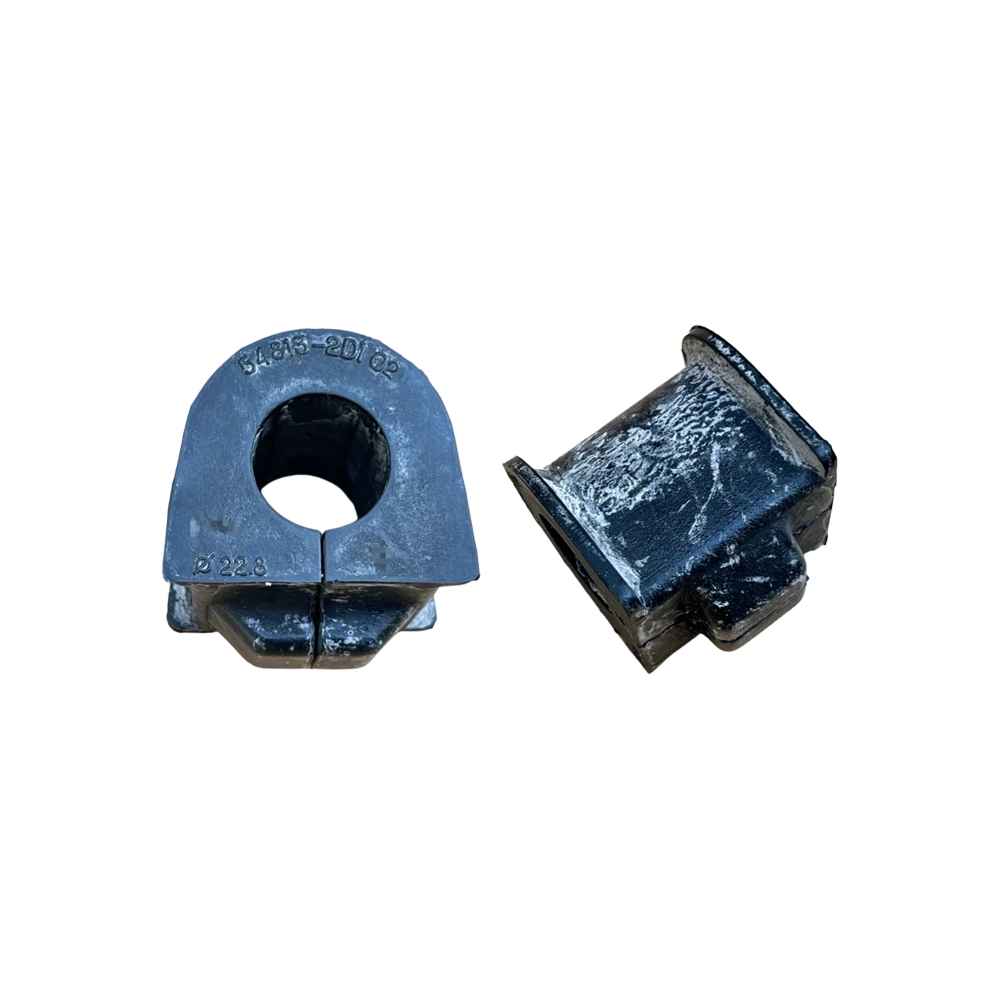
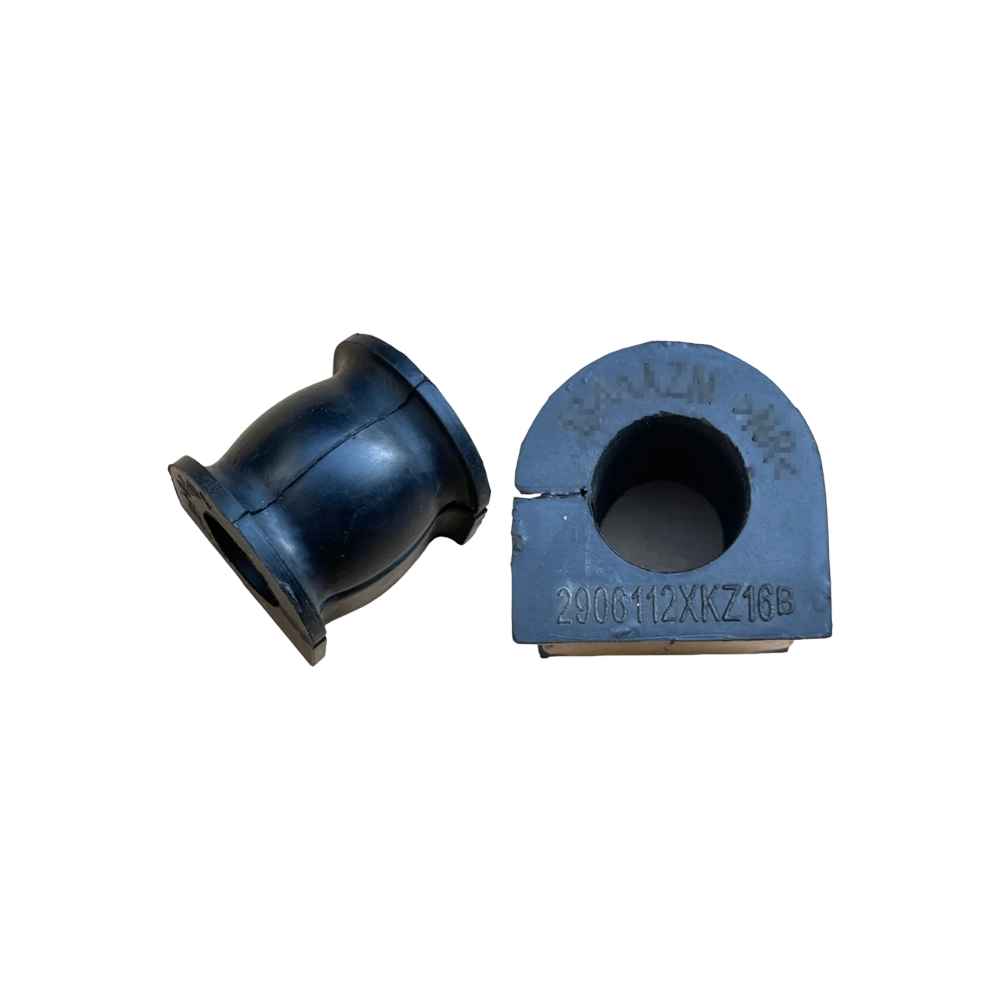
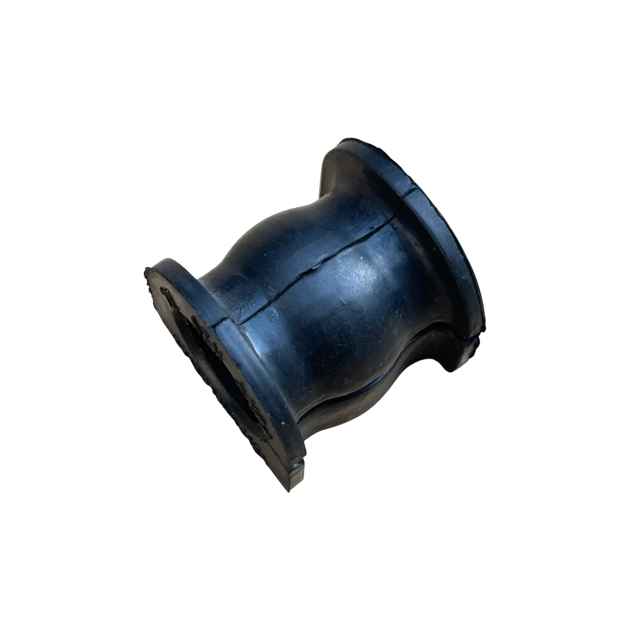
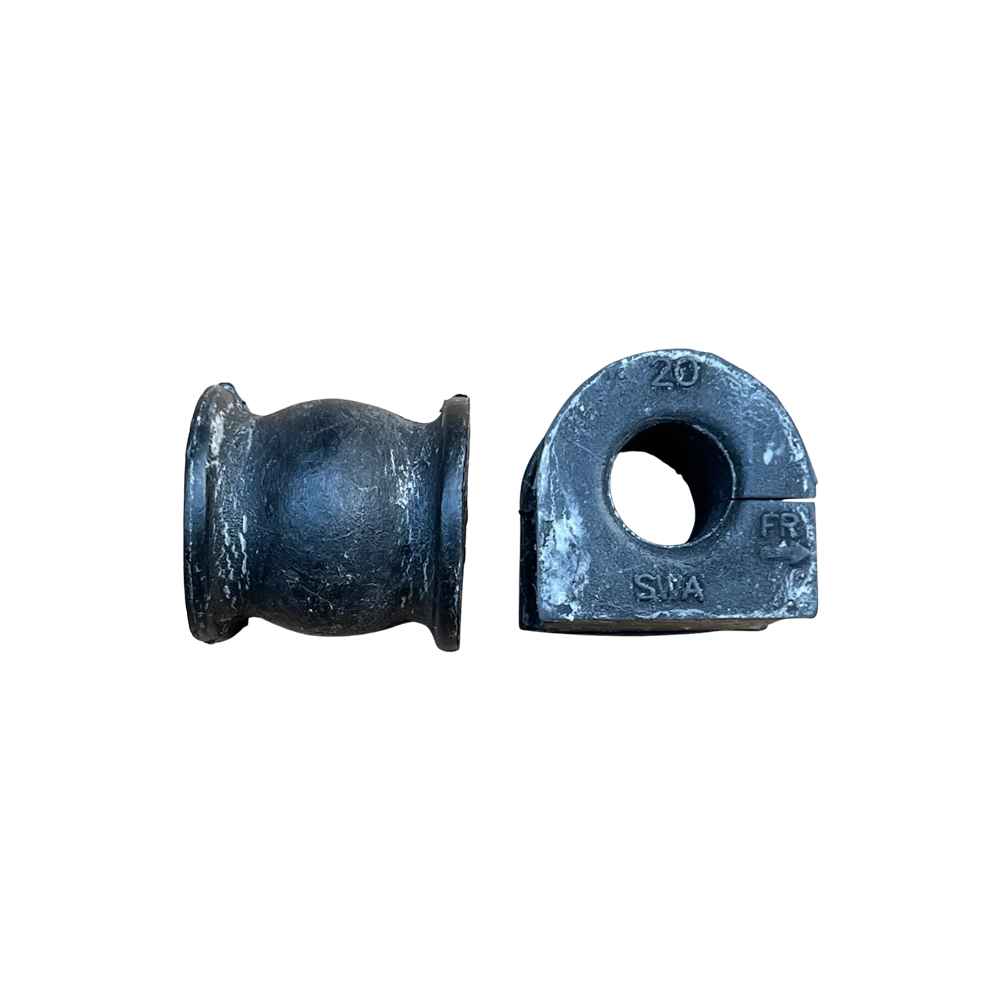
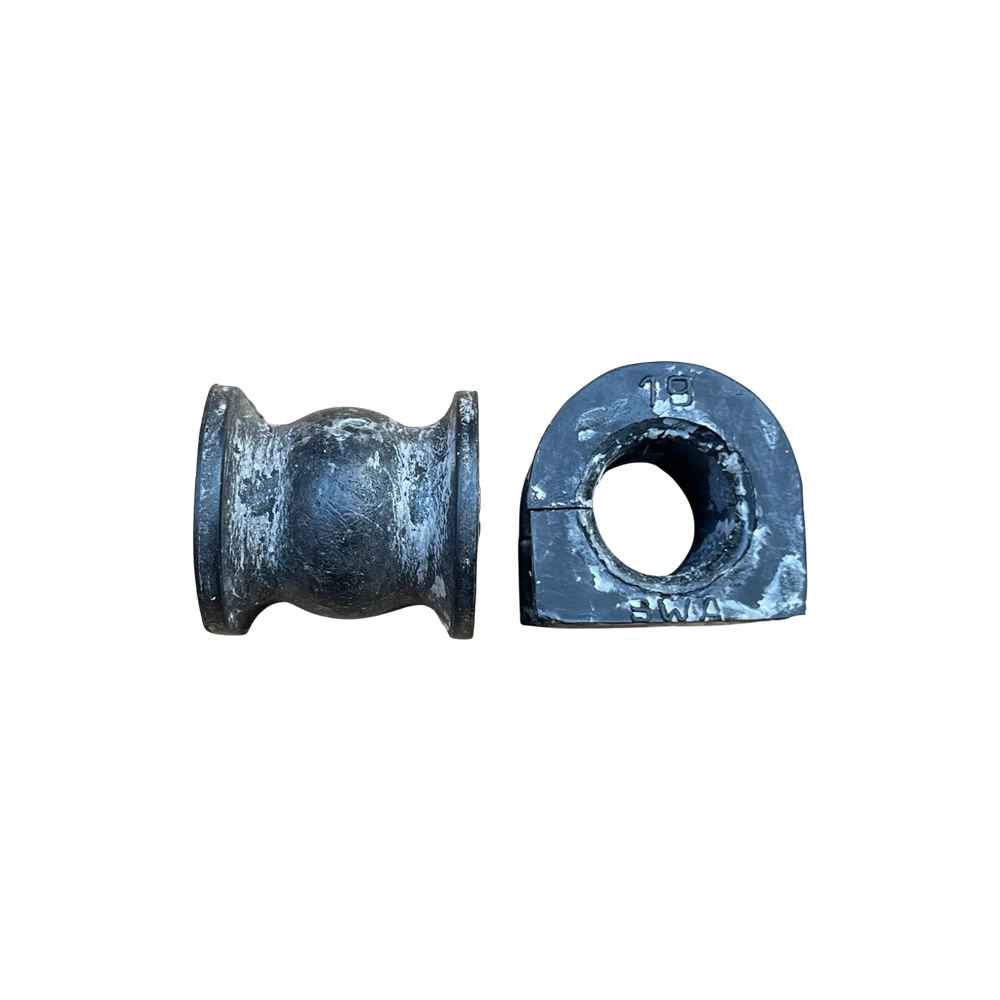
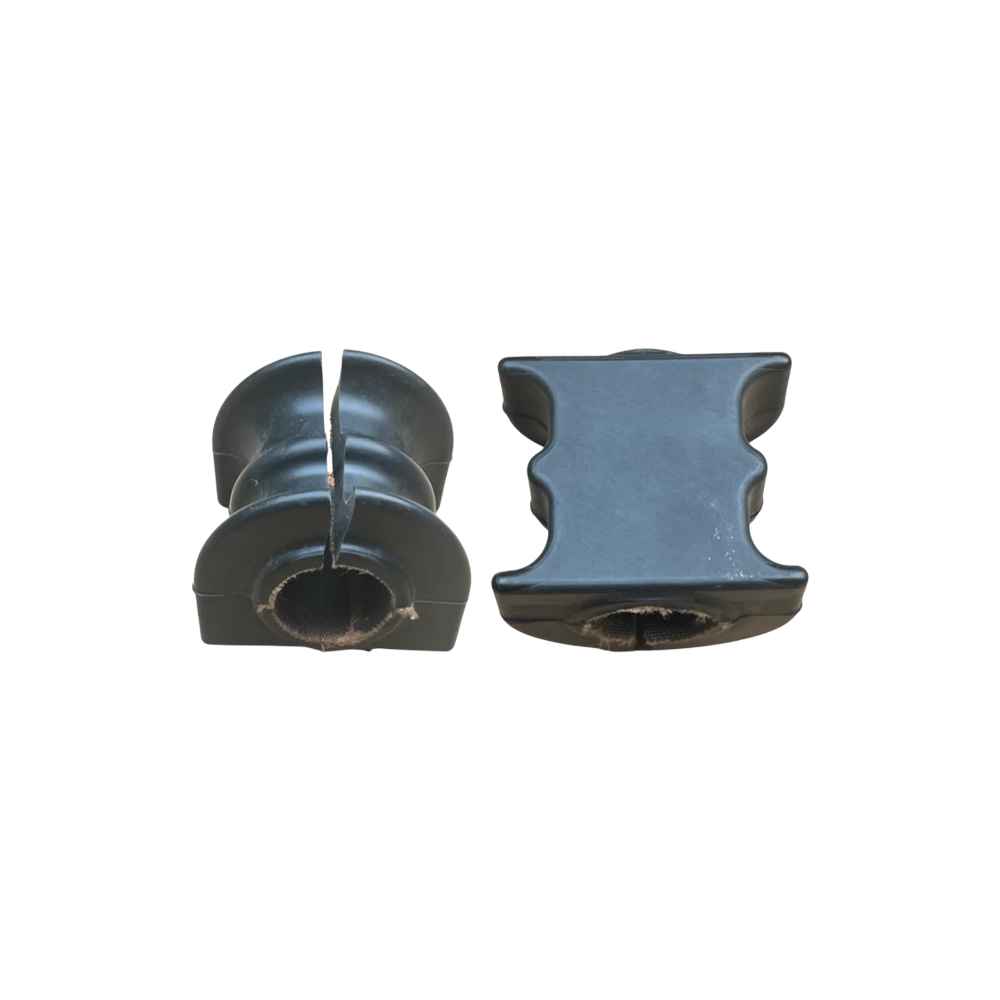
While you're at it, inspect surrounding areas. For instance, if you're replacing shock absorber boots, take a look at your stabilizer bar bushings. A small issue can affect others, so it's smart to do a thorough check while you're working.
Maintenance After Installation
Once you've tackled those oil leaks and installed your driveshaft boots, don’t just forget about them! Regular maintenance is key.
Regular Inspections
Schedule regular checks every few months. Look for any signs of wear and replace O-rings or gaskets as needed. Keeping an eye on these components can help catch problems early before they escalate.
Utilize Quality Oils
Using high-grade oils can also minimize leaks. It not only helps in reducing friction but also ensures that your gaskets maintain their integrity over time. Always refer to your vehicle's specifications when selecting oils.
Final Thoughts
In summary, understanding the differences between oil leak prevention and driveshaft boots is crucial for any vehicle owner. By focusing on quality, compatibility, and regular maintenance, you'll set yourself up for a smoother ride ahead. Remember, taking proactive steps today can save you a ton of headaches tomorrow!