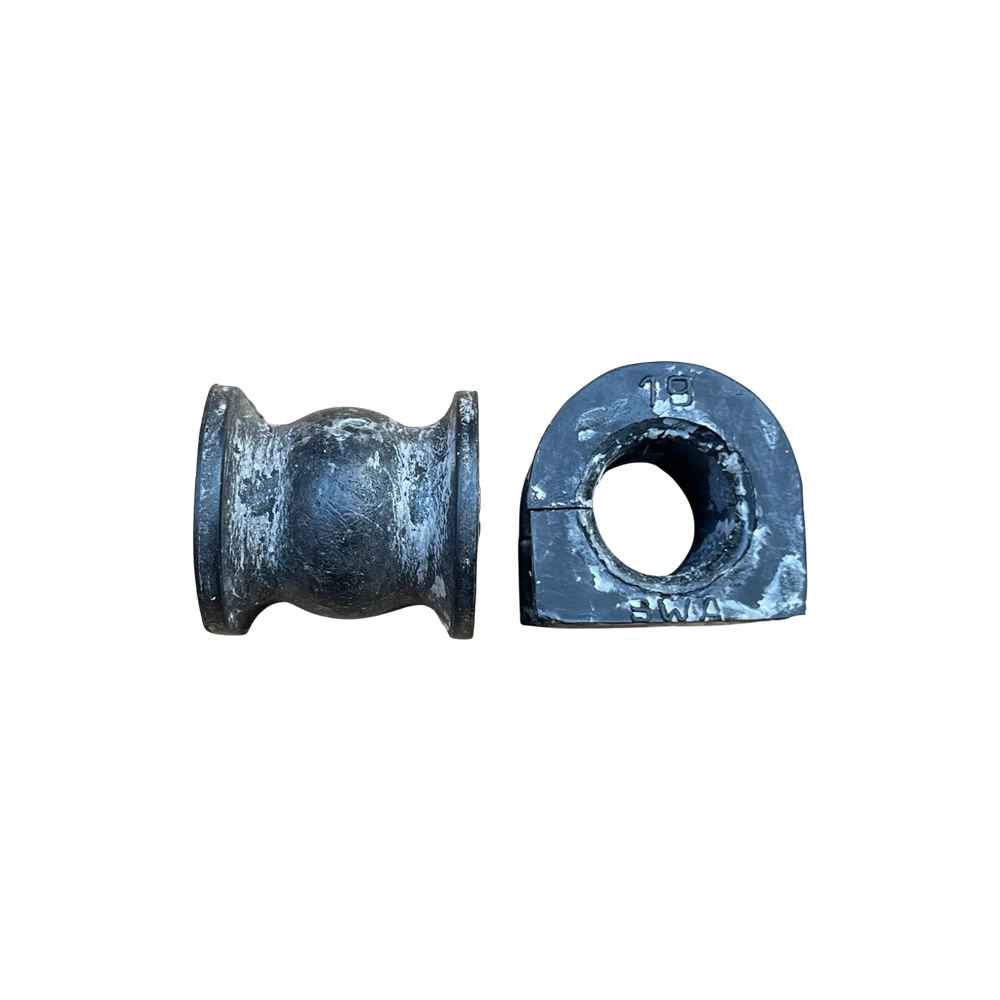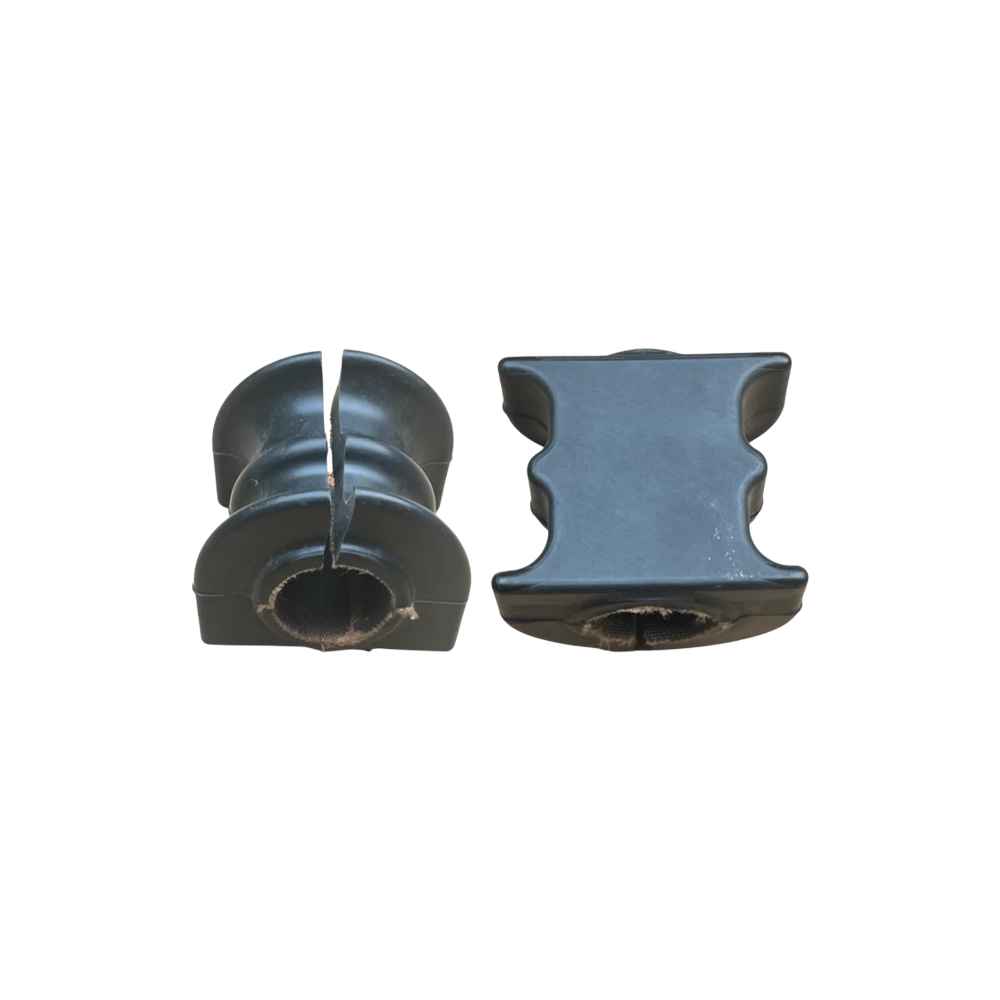
Understanding Stabilizer Bar Bushings
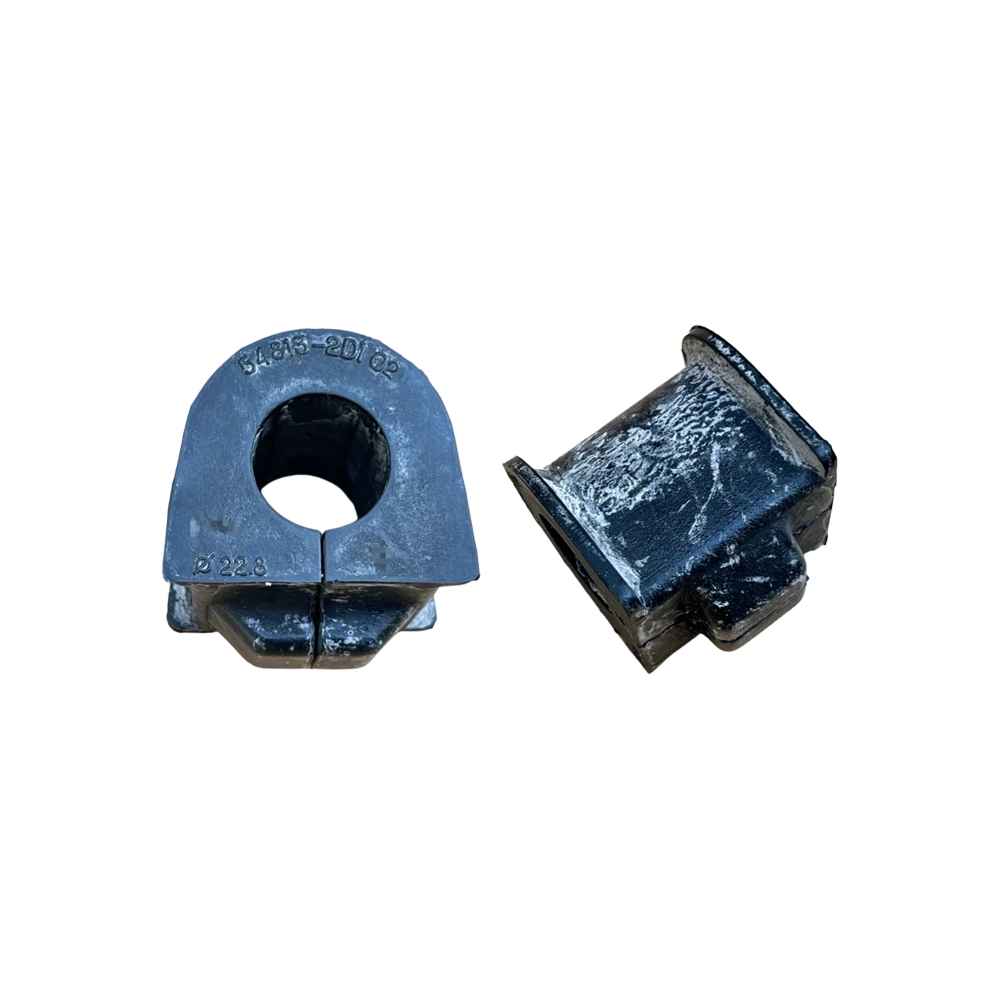
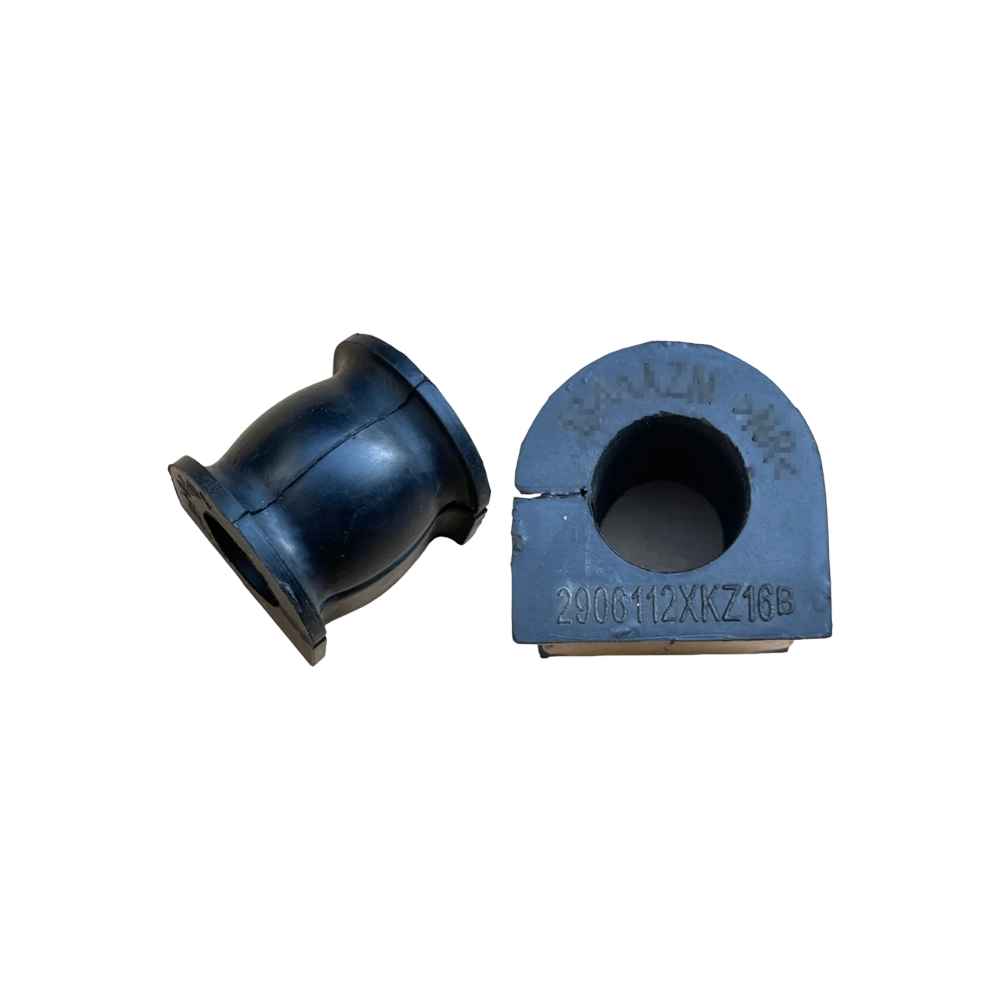
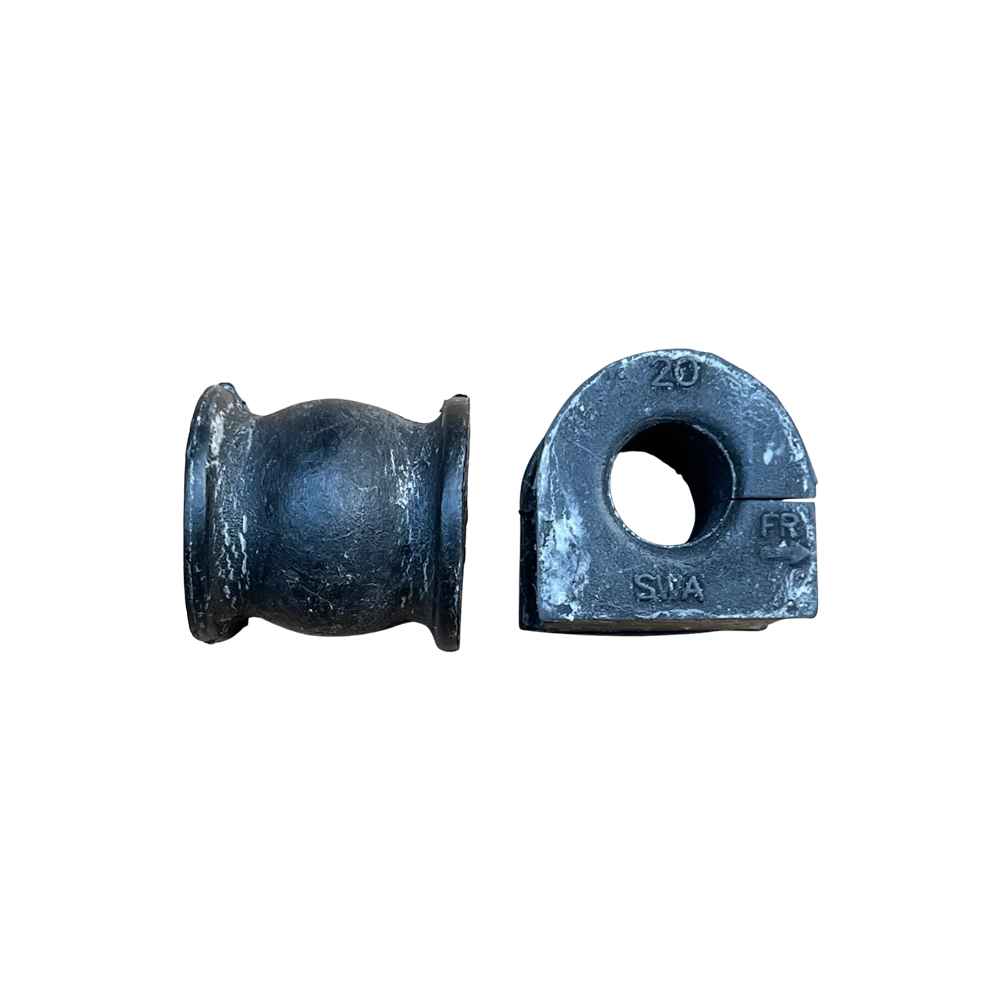
When it comes to the dynamics of a vehicle, Stabilizer Bar Bushings play a crucial role. These seemingly simple components are essential for maintaining stability during cornering and reducing body roll. Imagine you're navigating through a twisty mountain road; without proper bushings, your car might feel like a boat on waves!
Types of Stabilizer Bar Bushings
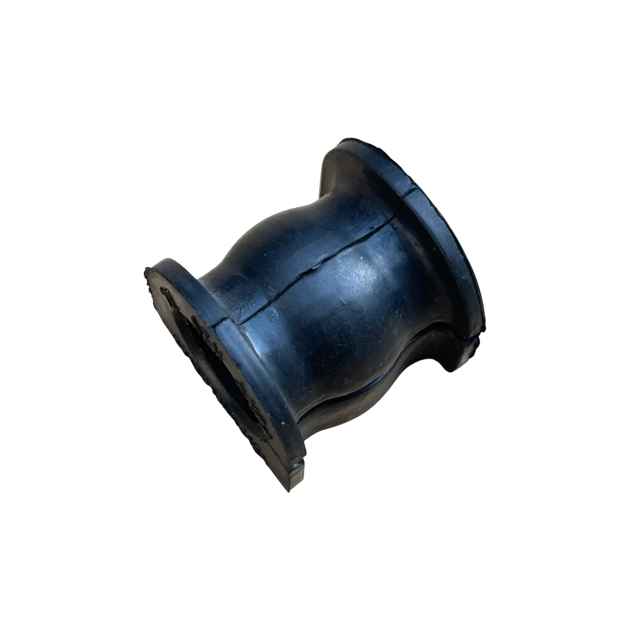
There are various materials used in making these bushings, each with its pros and cons. Typically, you’ll see rubber and polyurethane options. Rubber is often favored for its flexibility and quiet operation, while polyurethane provides better durability and resistance to wear.
- Rubber bushings: Great at absorbing noise and vibration.
- Polyurethane bushings: More rigid, offering improved handling but potentially more NVH (Noise, Vibration, Harshness).
How Does NVH Factor In?
Now, let’s dive deeper into NVH. When you’re selecting stabilizer bar bushings, you’ll want to consider how they impact the overall driving experience. Higher NVH levels can lead to an uncomfortable ride, especially on bumpy roads. So, having the right material becomes vital!
If you choose bushings that are too hard, your car may turn corners like a dream, but you'll feel every bump and groove in the asphalt. On the flip side, softer bushings might absorb those bumps well but could compromise your vehicle's handling. It’s all about finding that sweet spot.
Insights from a China-Based Rubber Auto Parts Factory
A factory like Guanghua that specializes in rubber auto parts brings valuable insights. They know the market demands high performance without sacrificing comfort. By using different compounds and designs in their bushings, they balance NVH and handling. For example, the use of advanced rubber formulations can yield bushings that minimize noise while still providing good stiffness.
Selecting the Right Bushing for Your Vehicle
When it’s time to replace your stabilizer bar bushings, it's essential to consider how you drive. Do you often tackle rugged terrains or cruise on smooth highways? This will dictate whether you should lean towards softer or harder bushings. And don’t forget to check if your choice of bushings aligns with other suspension components, like shock absorber boots or steering rack boots, for optimal performance.
Key Considerations
- Driving Style: Performance vs Comfort
- Material Quality: Look for resilience against wear and tear
- Compatibility: Ensure they work well with existing parts
Installation Tips
Installing new stabilizer bar bushings isn’t rocket science, but it does require some finesse! First, ensure your vehicle is securely lifted and supported. This helps avoid any nasty surprises when you're elbow-deep in undercarriage work.
Next, carefully remove the old bushings. A little bit of lubricant can help ease them out—trust me, it makes the whole job less of a wrestling match. After that, install the new ones, making sure they align perfectly. Tighten everything to the manufacturer’s specs, and voilà—you’re good to go!
Testing Your Changes
Once you've replaced the bushings, take your car for a spin. Pay attention to the way it handles and note any changes in noise or vibration. If you've done it right, you'll likely notice an improvement in both handling and comfort.
Final Thoughts
Choosing stabilizer bar bushings doesn’t have to be a daunting task. With the right knowledge, you can enhance your vehicle’s performance while keeping NVH levels acceptable. Remember to consider your driving style and consult insights from reliable manufacturers like Guanghua. Happy driving!