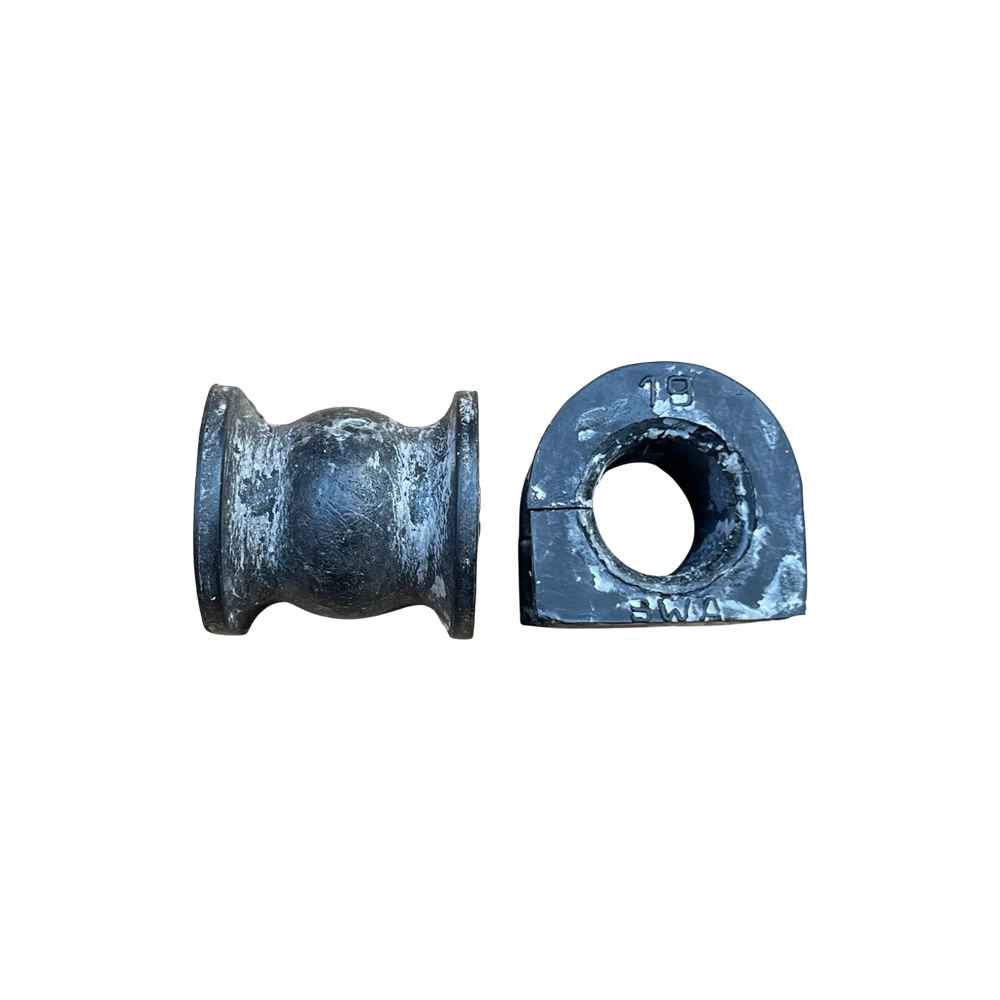
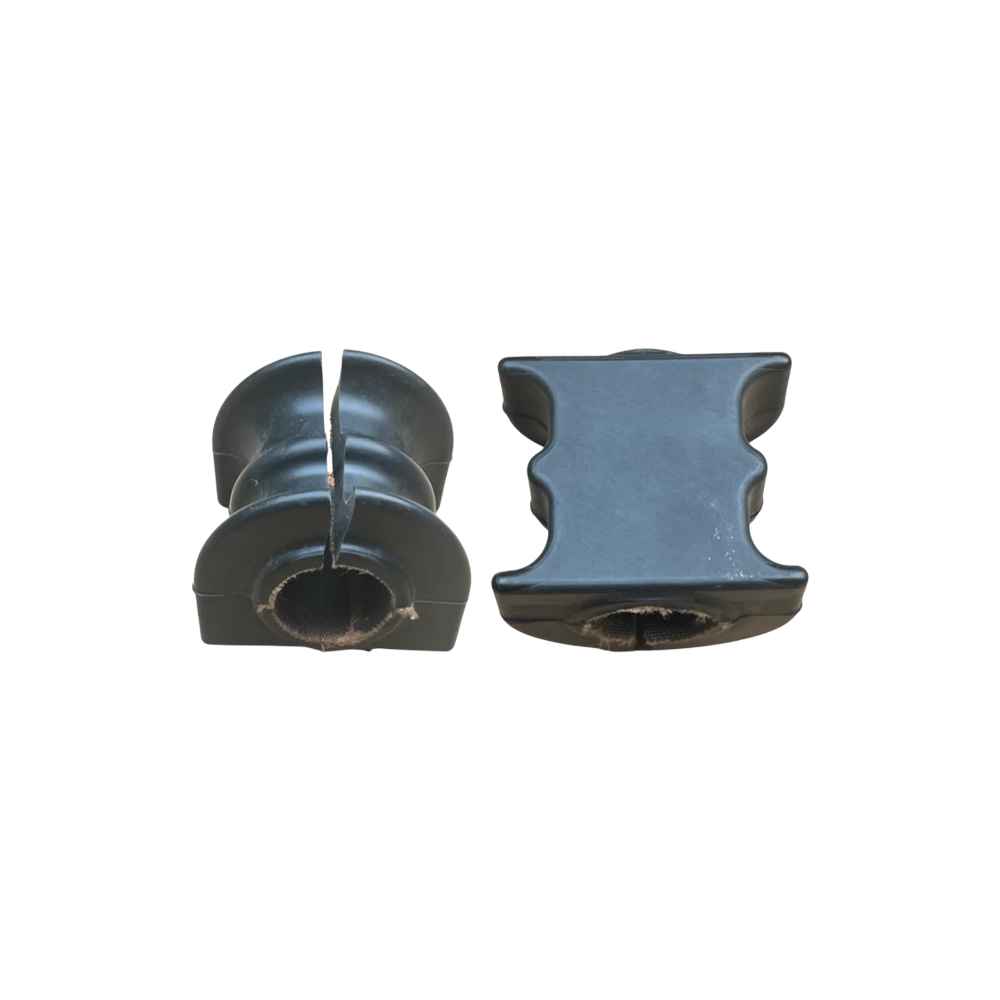
Understanding the Basics
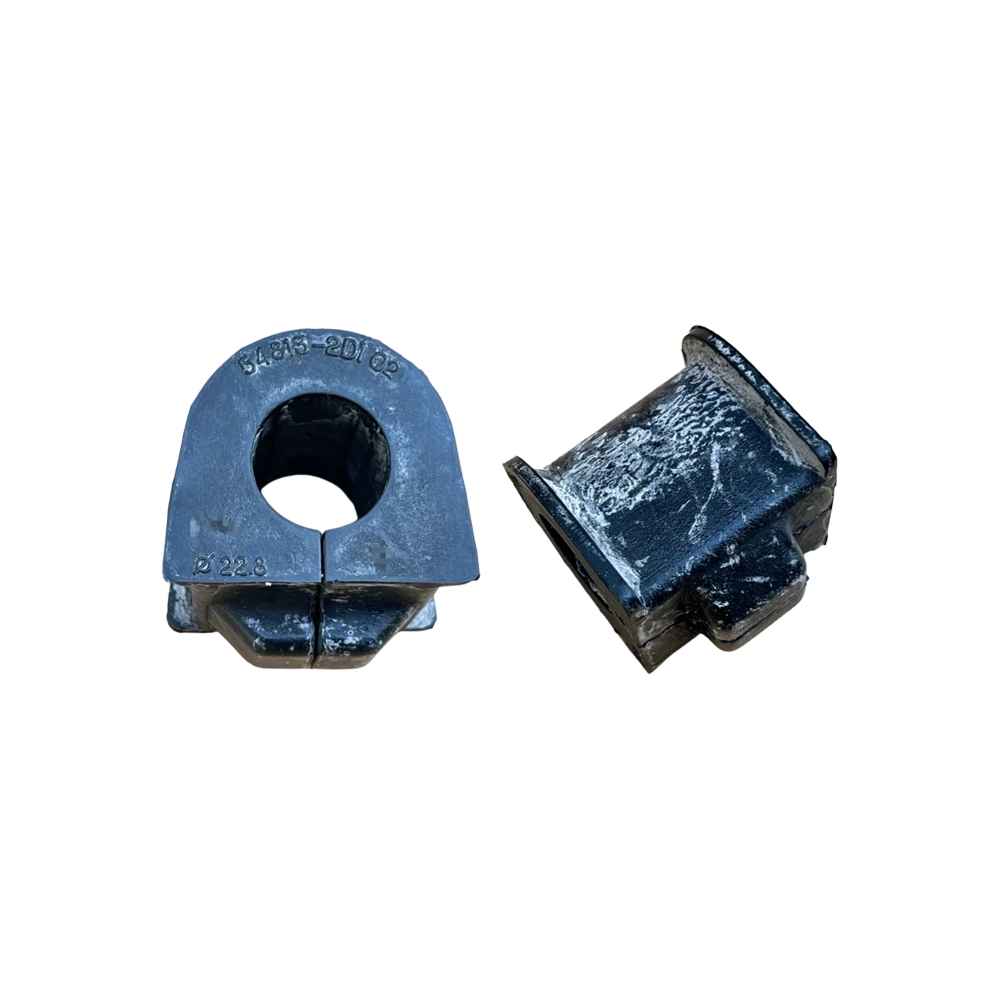
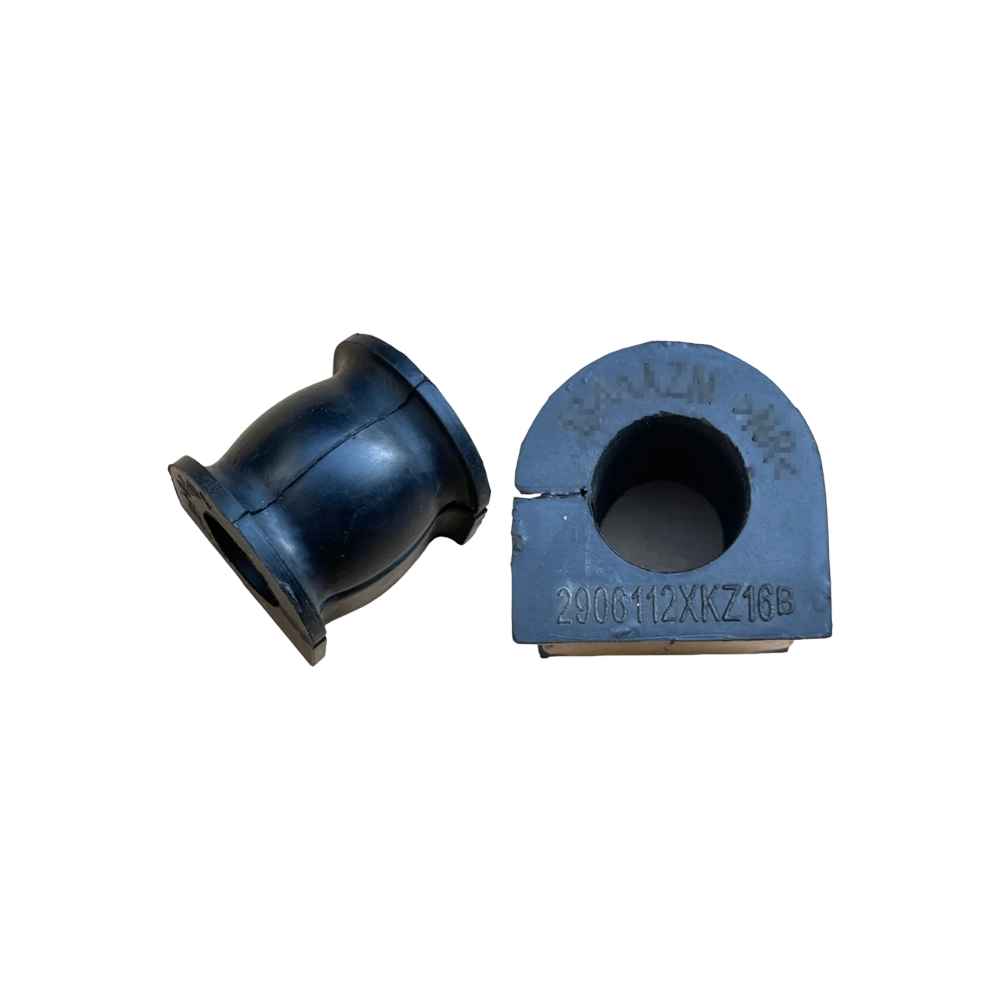
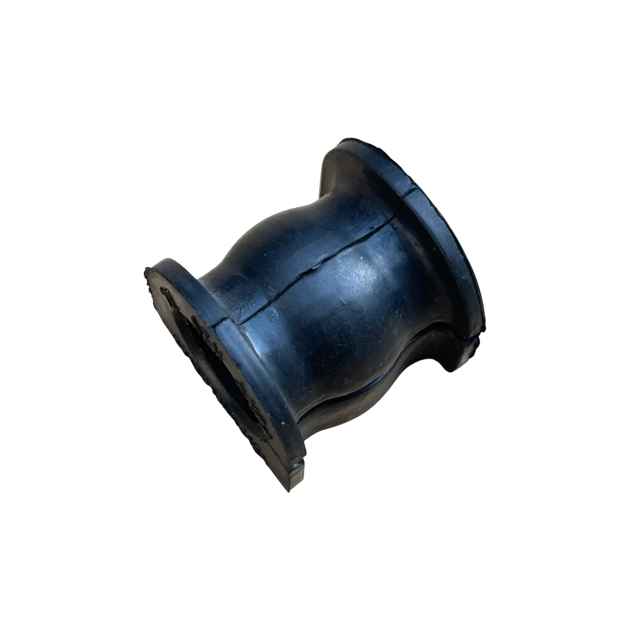
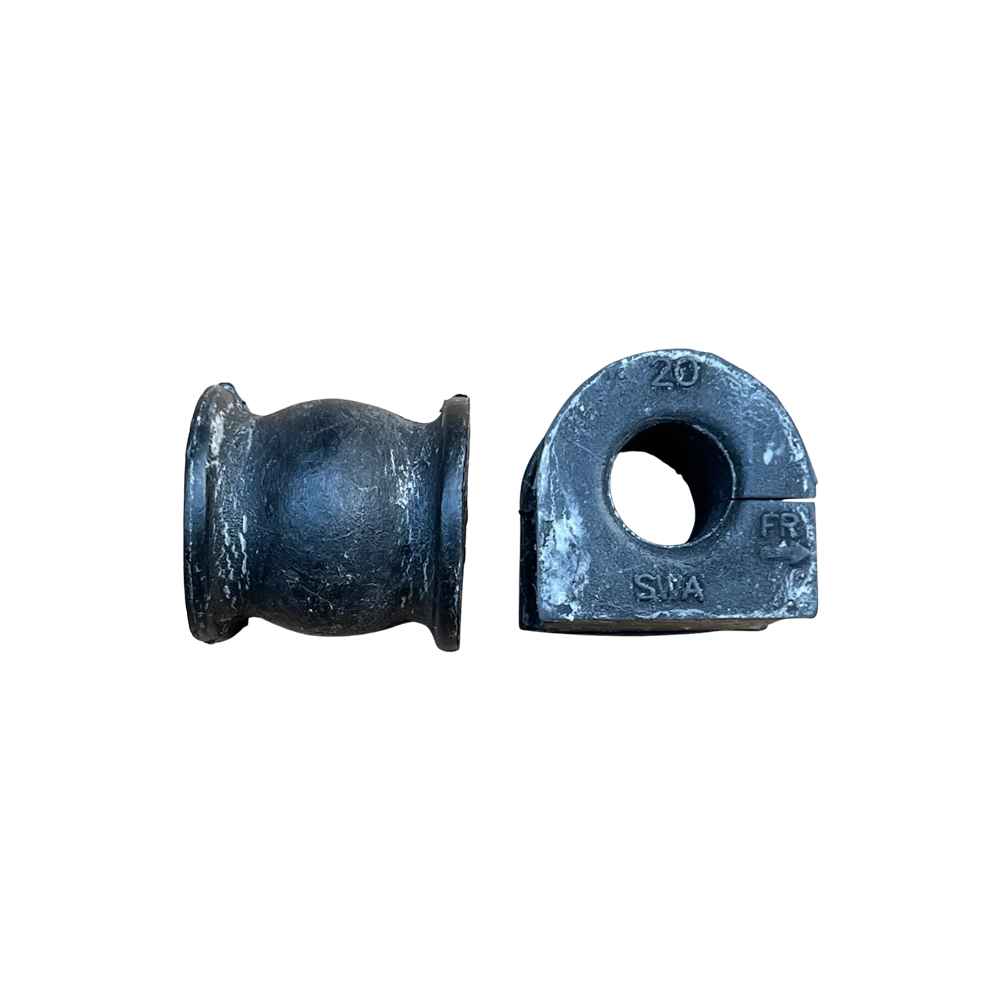
The automotive world can be bewildering. A myriad of components, each with its own role to play, creates a complex symphony of engineering. At the core of vehicle functionality are two critical parts: steering gear boots and driveshaft boots. Choosing between them? It’s crucial.
Steering Gear Boots
These boots serve a vital purpose. They protect the steering rack from dirt and moisture. When you think about it, is there anything more frustrating than a squeaky or unresponsive steering wheel? Imagine this scenario: a busy highway, you're trying to navigate through traffic, when suddenly, your steering goes haywire. Not ideal, right?
- Material: Most quality brands like Guanghua use durable rubber compounds.
- Flexibility: Ensure they provide enough movement without tearing.
- Design: Look for boots that have been engineered specifically for your vehicle model.
Driveshaft Boots
Now let’s shift gears—pun intended. Driveshaft boots, on the other hand, cover the joints connecting the driveshaft to the wheels. These boots are equally essential, ensuring that grease stays contained while preventing contaminants from disrupting the joint's function. You wouldn’t want your car coughing up grease in the middle of a trip!
- Protection: They shield the joint from road debris and water.
- Durability: Consider boots made from high-quality materials, as they endure vast amounts of stress.
- Compatibility: Again, check for proper fitment with your specific vehicle model.
Comparative Analysis
So, how do you choose between steering gear boots and driveshaft boots? Let’s break it down using data from recent product comparisons.
For instance, when analyzing the longevity of various boot types, studies show that steering gear boots last around 50,000 miles on average, while driveshaft boots might stretch to 70,000 miles under optimal conditions. This disparity raises an eyebrow: why the difference?

Common Pitfalls
Don't fall into the trap of purchasing generic alternatives. Sure, they seem cheaper at first glance, but they often compromise quality. A damaged steering gear boot can lead to costly repairs down the line. Can you really put a price on peace of mind?
Installation Considerations
Installation is another critical factor. Many users overlook the importance of proper installation. Steering gear boots can be tricky; improper sealing could lead to premature wear. On the other hand, driveshaft boots generally allow for easier DIY fixes. So what’s your skill level? Better yet, what tools do you have at your disposal?
Real-World Example
Take the case of a local mechanic in a bustling city. He noticed that cars equipped with Guanghua steering gear boots had significantly fewer issues compared to those with lesser-known brands. Why? Because the Guanghua products offer superior sealing capabilities, reducing the risk of contamination.
Cost Implications
Lastly, let’s talk turkey—cost. Quality steering gear boots might set you back about $30-$60, whereas driveshaft boots can go anywhere from $20-$50. While it seems straightforward, remember that cheap boots could mean expensive repairs later. Invest wisely!
Final Thoughts
Whether you’re leaning toward steering gear boots or driveshaft boots, it’s essential to consider a range of factors from material and design to installation ease. In doing so, you’ll ensure that your vehicle operates smoothly and remains reliable on the road. Remember, a well-protected vehicle is a happy vehicle!