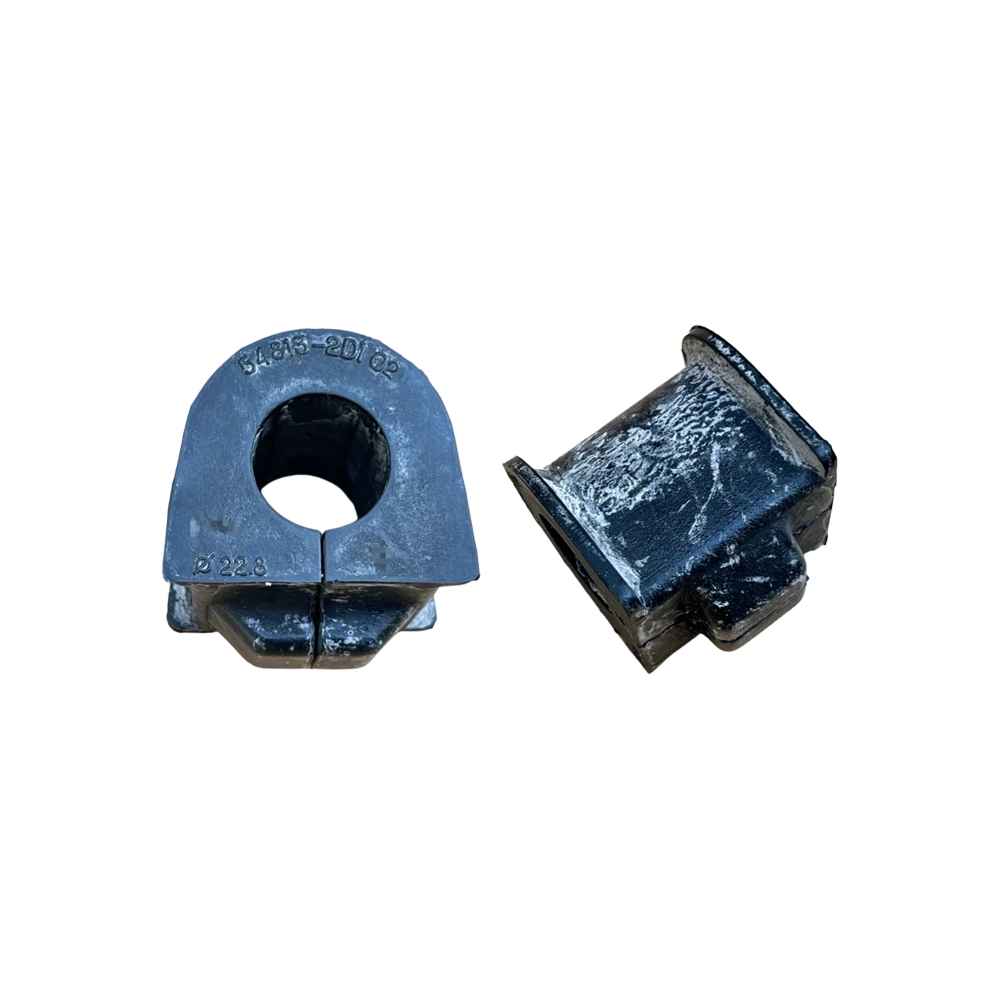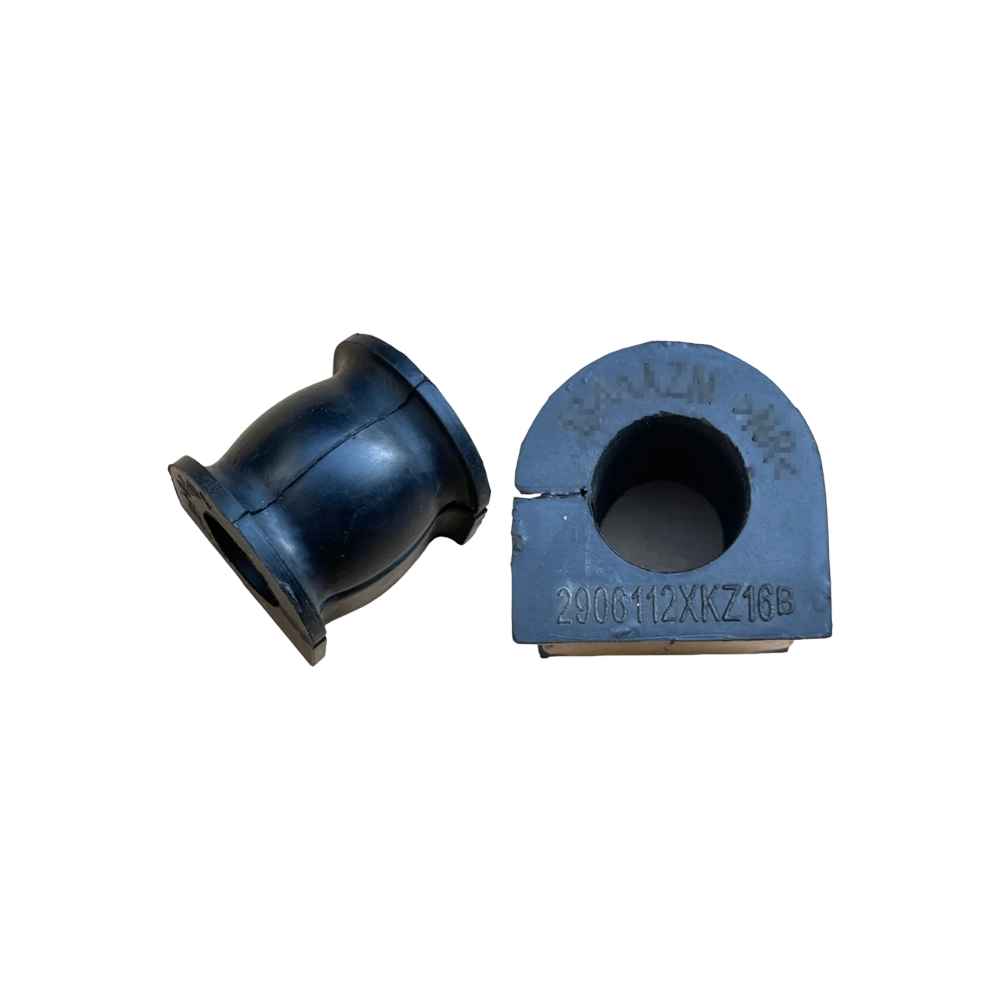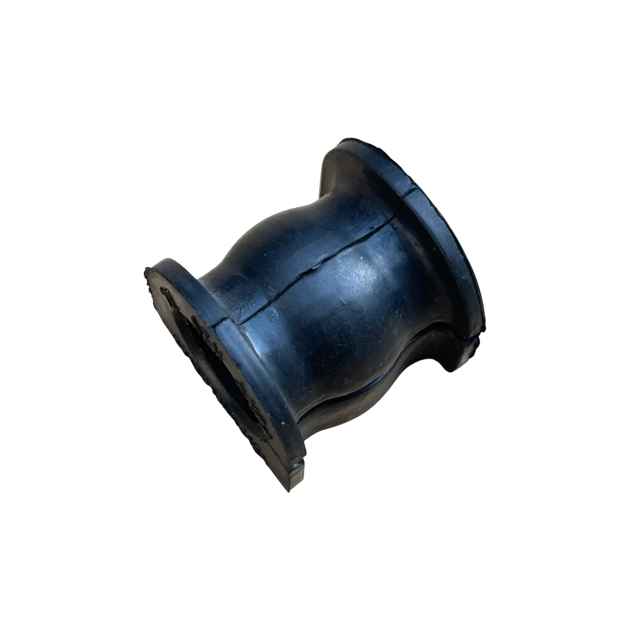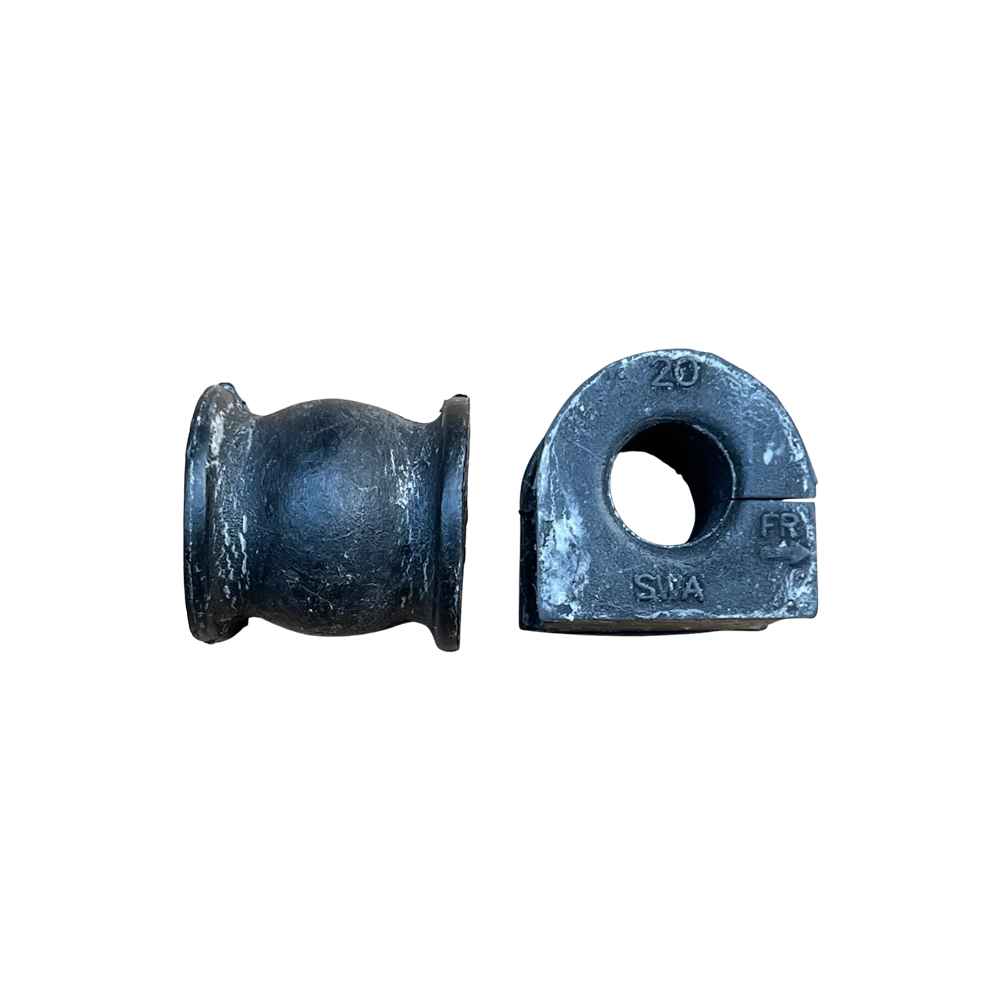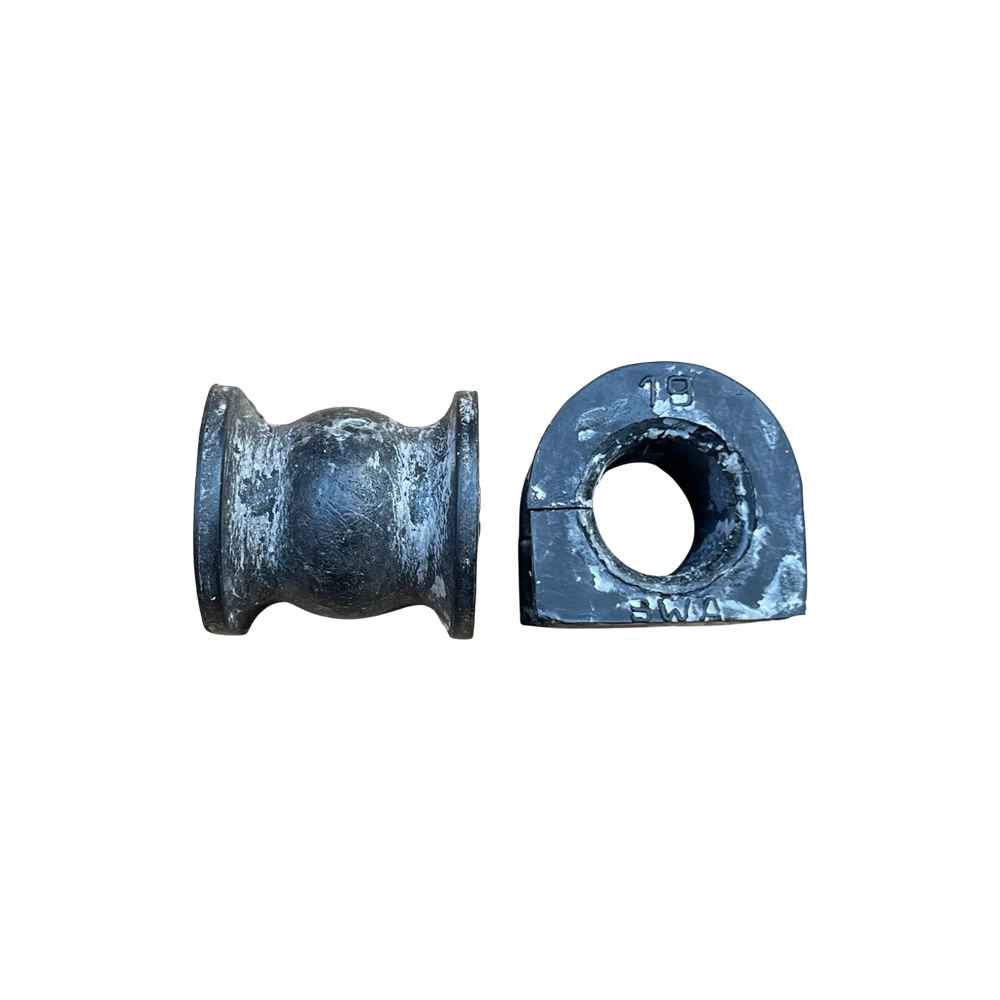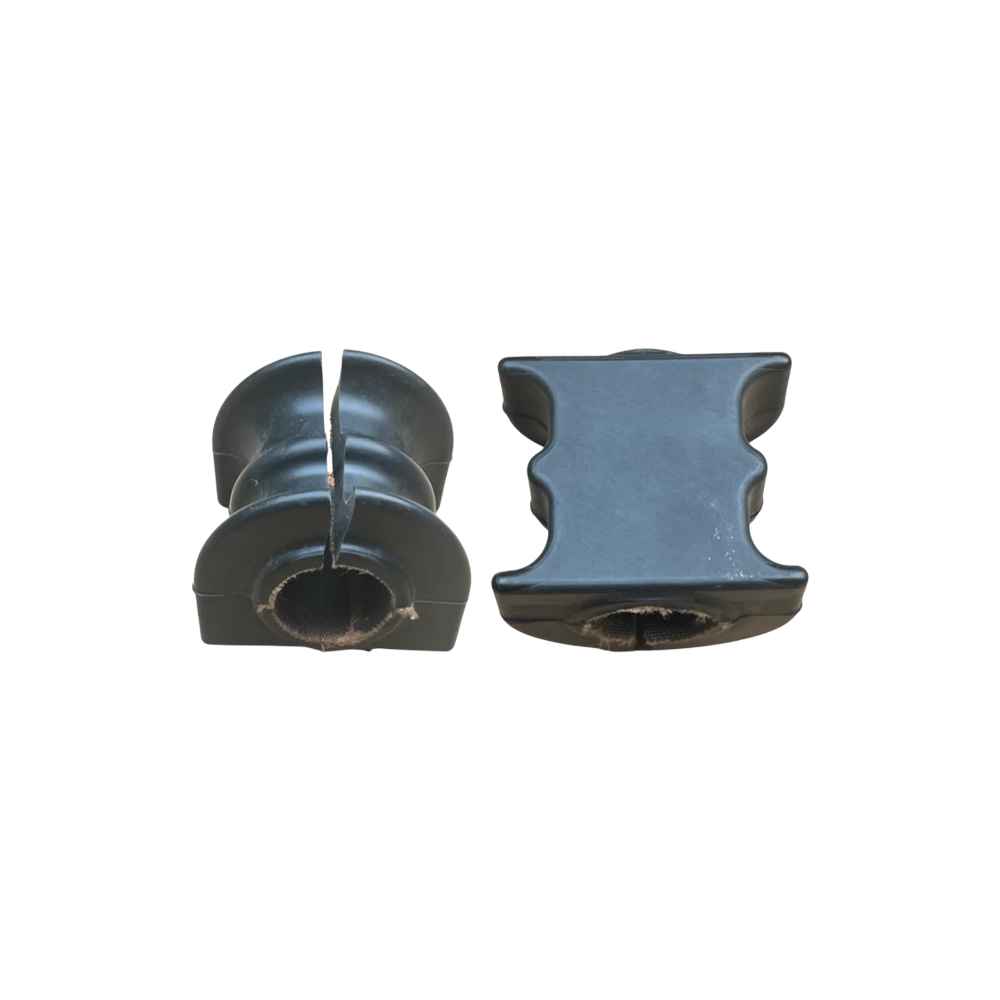
Understanding Strut Boots and Driveshaft Boots
In the realm of automotive components, strut boots and driveshaft boots serve crucial protective functions. While both components may appear similar at first glance, they have distinct applications and properties that dictate how to choose the best one for your vehicle.
Functionality of Strut Boots
Strut boots are primarily designed to protect the strut assembly, an integral part of a vehicle's suspension system. They act as a barrier against contaminants such as dirt, dust, and moisture that could lead to premature wear or failure of the strut. Moreover, these boots help retain lubrication within the strut itself, which is essential for smooth operation.
Key Features to Consider
- Material: The most common materials for strut boots include rubber and neoprene. Neoprene offers enhanced durability and resistance against UV rays.
- Size Compatibility: Ensuring the boot fits correctly over the strut is crucial. Proper sizing prevents any potential damage caused by misalignment.
- Installation Ease: Some strut boots come with additional features such as integrated clamps that simplify installation.
Driveshaft Boots Explained
Similarly, driveshaft boots, often referred to as CV Joint Boots , provide essential protection for the constant velocity (CV) joints found in a vehicle’s driveshaft. These boots shield the CV joints from contaminants while also retaining grease to maintain functionality.
Selection Criteria for Driveshaft Boots
- Durability: Opt for boots constructed from high-quality rubber or thermoplastic elastomer (TPE). These materials enhance longevity under varying temperatures and conditions.
- Flexibility: Driveshaft boots must accommodate the motion of the driveshaft; thus, flexibility is a vital characteristic.
- Weather Resistance: Given that vehicles are exposed to diverse environmental conditions, selecting boots that can withstand extreme temperatures and harsh weather elements is imperative.
Comparing Strut Boots and Driveshaft Boots
The comparison between strut boots and driveshaft boots can be narrowed down to a few essential points:
- Functionality: While strut boots protect the suspension system, driveshaft boots focus on safeguarding the power transfer elements.
- Design: Strut boots tend to be longer and more cylindrical, whereas driveshaft boots are often bellows-shaped, allowing for greater movement.
- Common Issues: Strut boots can suffer from tears due to abrasion, whereas driveshaft boots may fail when cracks develop, leading to grease leakage.
Choosing the Right Boot for Your Vehicle
When it comes to making a selection between strut boots and driveshaft boots, consider the following steps:
- Identify Your Needs: Determine whether you require strut boots or driveshaft boots based on the component needing protection.
- Evaluate Quality: Look for reputable brands like Guanghua that offer reliable products known for their durability.
- Assess Compatibility: Verify that the chosen boot matches your specific vehicle make and model.
- Read Reviews: Customer feedback can provide insights into the performance and longevity of different boot options.
Maintenance Tips for Longevity
Proper maintenance is key to extending the lifespan of both strut boots and driveshaft boots:
- Regular Inspections: Routinely check for signs of wear, such as cracking or tearing.
- Immediate Replacement: Address any damage promptly to avoid further issues.
- Use Quality Lubricants: For driveshaft boots, ensure the correct type of grease is used during installation to maintain effectiveness.
Conclusion
When navigating the choice between strut boots and driveshaft boots, understanding their distinct roles in vehicle maintenance is essential. By considering factors such as material quality, fit, and features, you can ensure optimal performance and protection for your automotive components.