Understanding Strut Boots
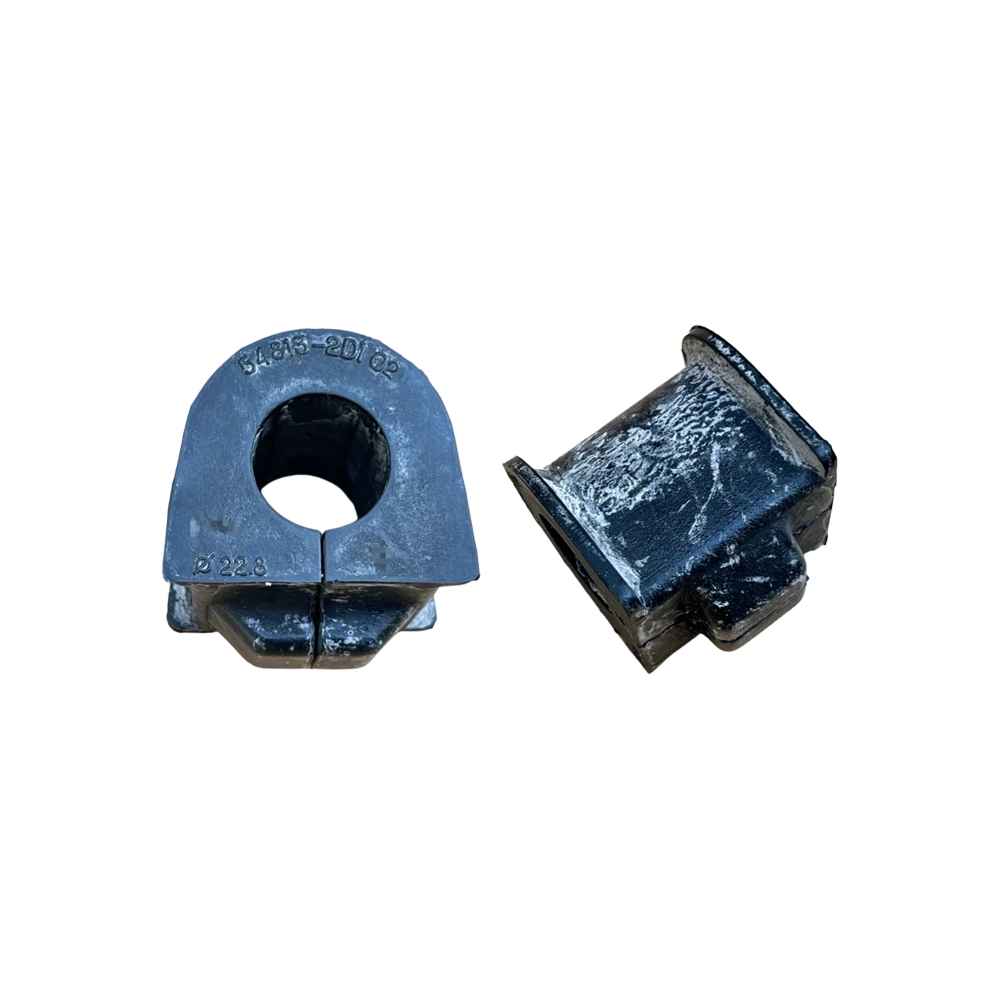
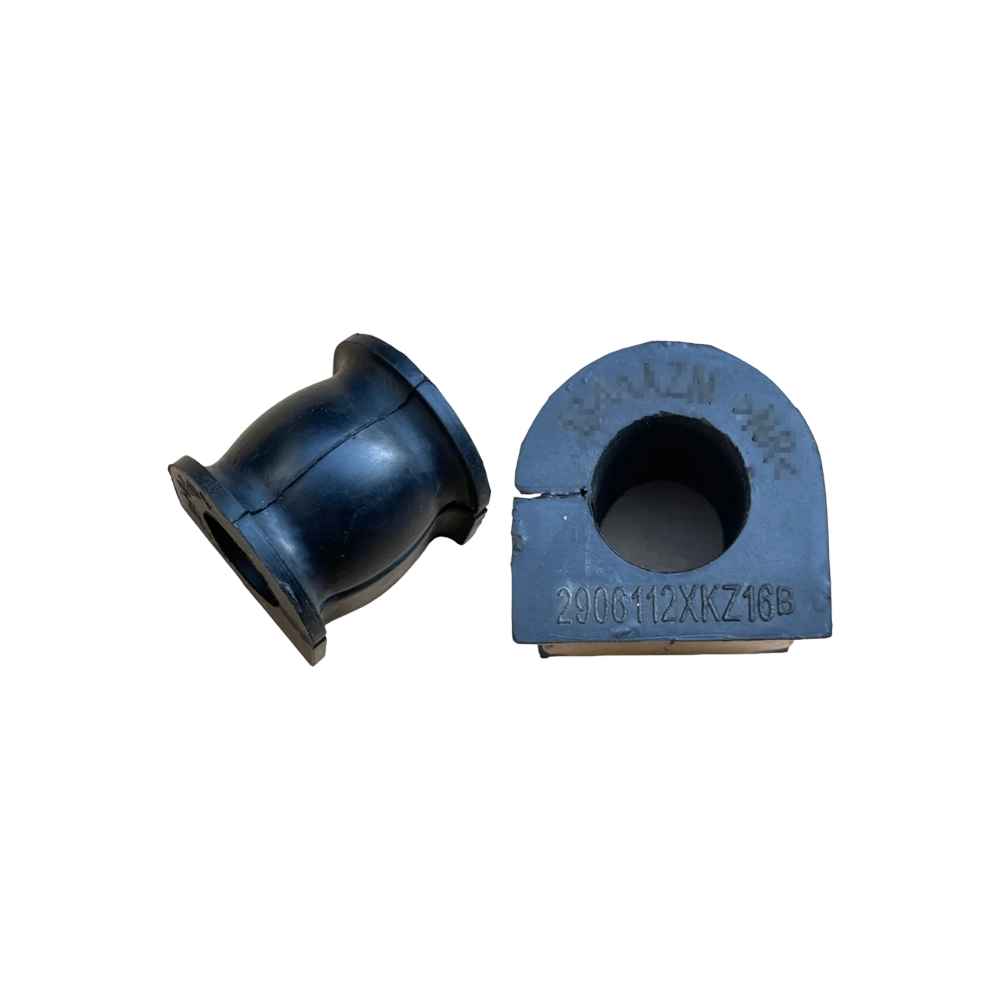
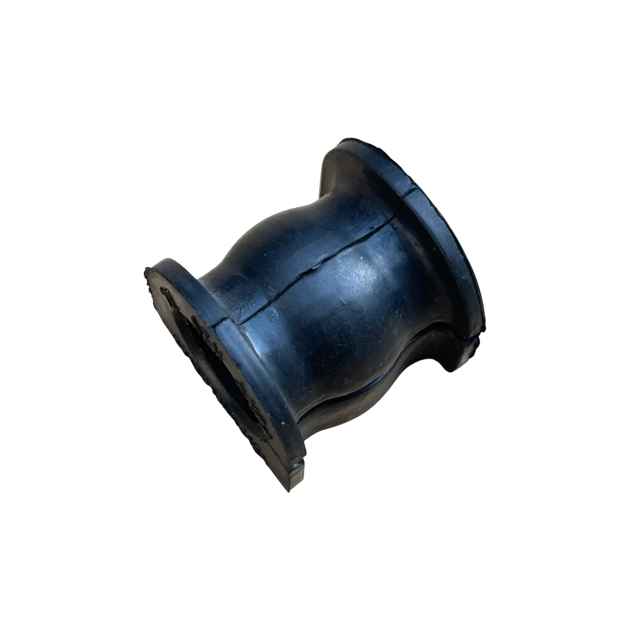
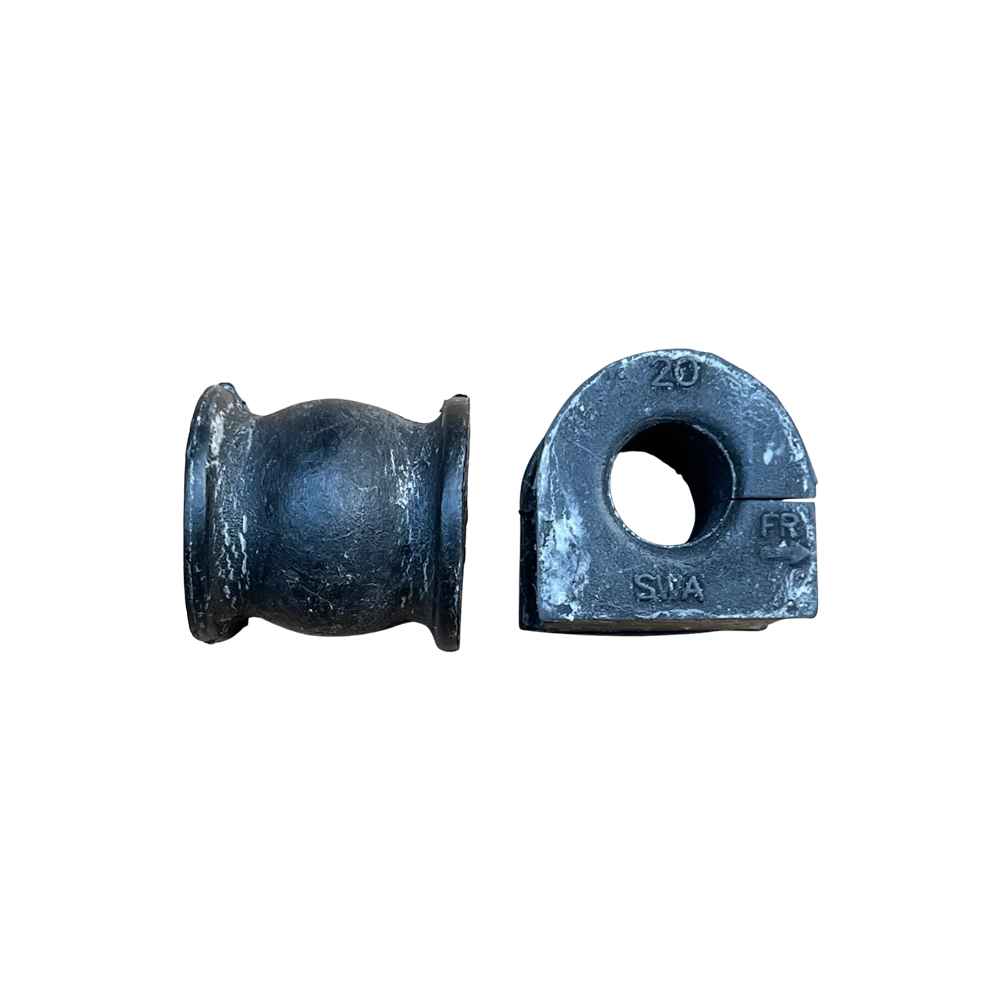
Strut boots play a crucial role in the suspension system of vehicles. They protect the strut assembly, preventing dirt, dust, and moisture from entering critical components. At first glance, choosing between different types might seem straightforward, but several factors demand attention.
Types of Strut Boots
When selecting strut boots, you’ll typically come across two main types: inner and outer strut boots. Each serves its purpose within the suspension system.
- Inner Strut Boots: Positioned closer to the vehicle's interior, these boots shield the strut rod from contaminants. Their design often emphasizes flexibility and durability.
- Outer Strut Boots: Situated outside, these provide protection against road debris and harsh weather conditions. An effective outer boot is essential for maintaining the integrity of the entire strut assembly.
Material Matters
The material used in manufacturing strut boots directly influences their performance and longevity. Most high-quality strut boots are made from rubber compounds, which offer excellent elasticity and resistance to wear. Brands like Guanghua are known for producing rubber parts that withstand extreme temperatures and mechanical stress.
Evaluating Quality
When assessing the quality of strut boots, consider the following aspects:
- Thickness: A thicker boot generally offers better protection. However, too much thickness can compromise flexibility.
- Surface Texture: A smooth surface reduces friction but may not offer as much grip, while a textured surface can help with the assembly fit.
- Sealing Capabilities: Ensure that the boot provides an effective seal against contaminants. O-Rings & Rubber Sealing Rings are often included in designs to improve sealing performance.
Compatibility with Other Components
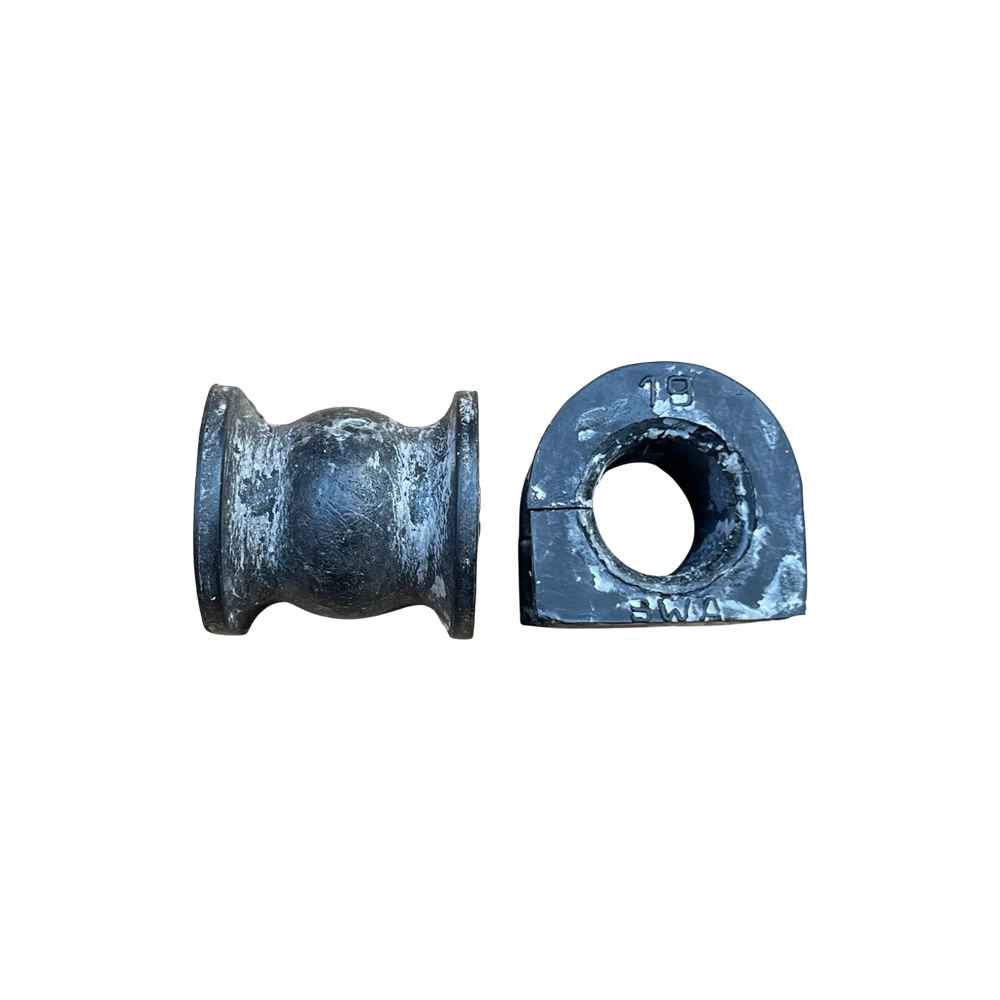
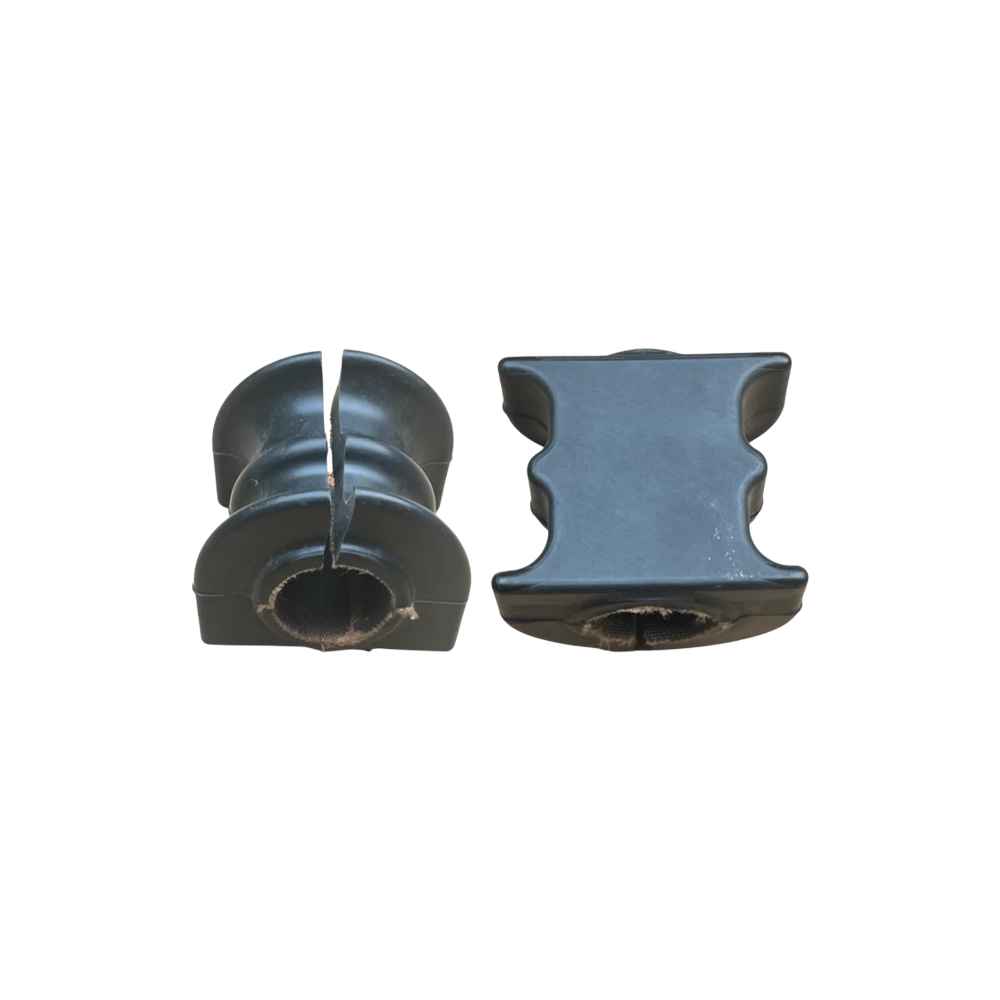
It's vital to ensure that the strut boot you choose aligns perfectly with other suspension components such as shock absorbers and Stabilizer Bar Bushings . Mismatched components can lead to premature failure or handling issues.
Installation Considerations
Proper installation is key to maximizing the lifespan of any strut boot. Here are some tips:
- Pre-Installation Inspection: Check for any signs of wear on the strut shaft before installing the boot. This can prevent future issues.
- Alignment: Ensure everything is aligned correctly; improper alignment can lead to accelerated wear.
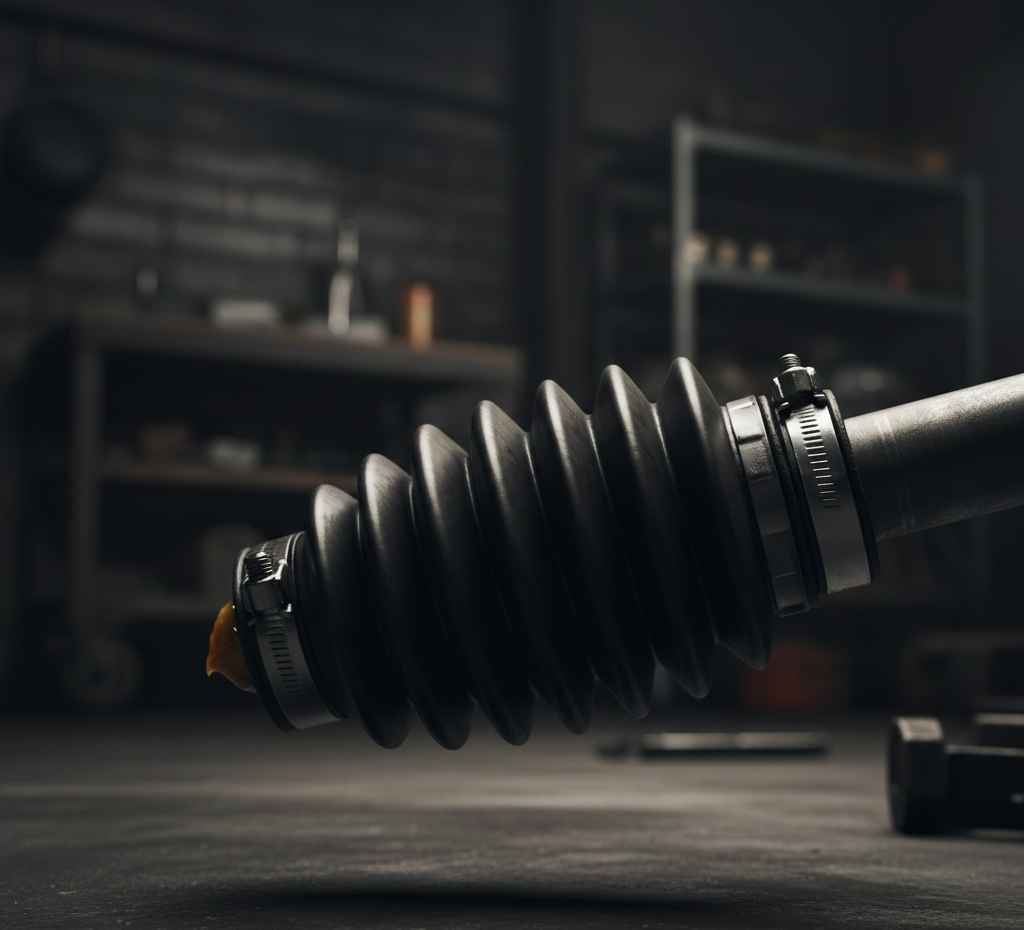
- Securing the Boot: Use zip ties or clamps to secure the boot in place, ensuring it doesn’t move during operation.
Common Mistakes to Avoid
Even experienced technicians can make errors when selecting and installing strut boots. Here are some common pitfalls:
- Choosing Based on Price Alone: While budget is important, investing in low-quality strut boots may lead to higher costs due to frequent replacements.
- Ignoring Manufacturer Specifications: Always refer to the manufacturer's recommendations for compatible parts. Deviating from these guidelines can jeopardize safety and performance.
- Overlooking Other Wear Parts: When replacing strut boots, it’s wise to inspect related items like CV joint boots and Steering Rack Boots for signs of wear or damage.
Conclusion
Choosing the right strut boot is more than just selecting a part; it involves understanding your vehicle's specific needs, considering material quality, and ensuring compatibility with the entire suspension system. As an added bonus, opting for reputable brands like Guanghua can provide additional peace of mind regarding durability and performance. Remember, taking the time to make informed decisions now can save you significant headaches down the road.