Understanding OEM Quality Hydraulic Steering Components
In the realm of automotive engineering, especially regarding chassis steering and suspension systems, OEM (Original Equipment Manufacturer) quality is paramount. It ensures performance, durability, and safety. But how do you identify these high-quality components? Let's delve into the essentials.
Recognizing OEM Features
OEM parts are specifically designed to fit and function in your vehicle as intended by the manufacturer. When sourcing hydraulic steering components, look for:
- Precision Engineering: OEM parts are crafted with meticulous attention to detail. Look for seamless fits and uniform construction.
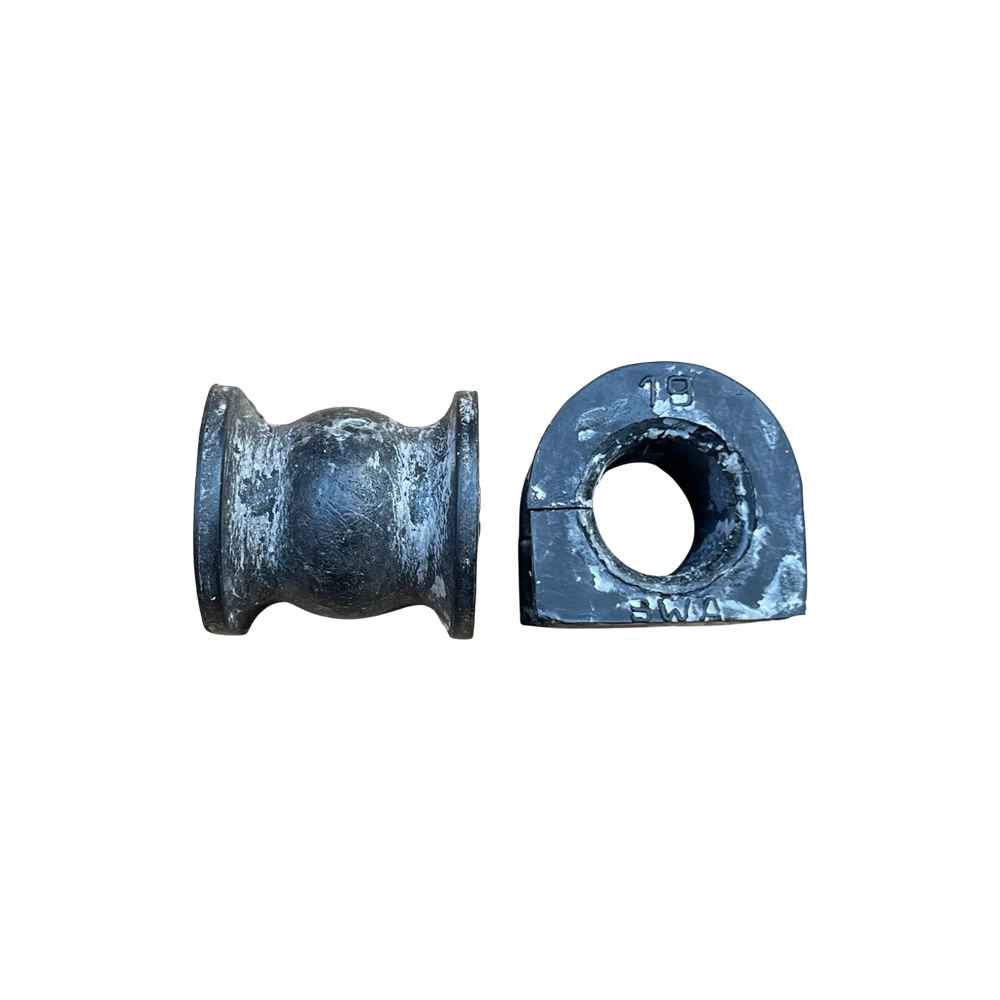
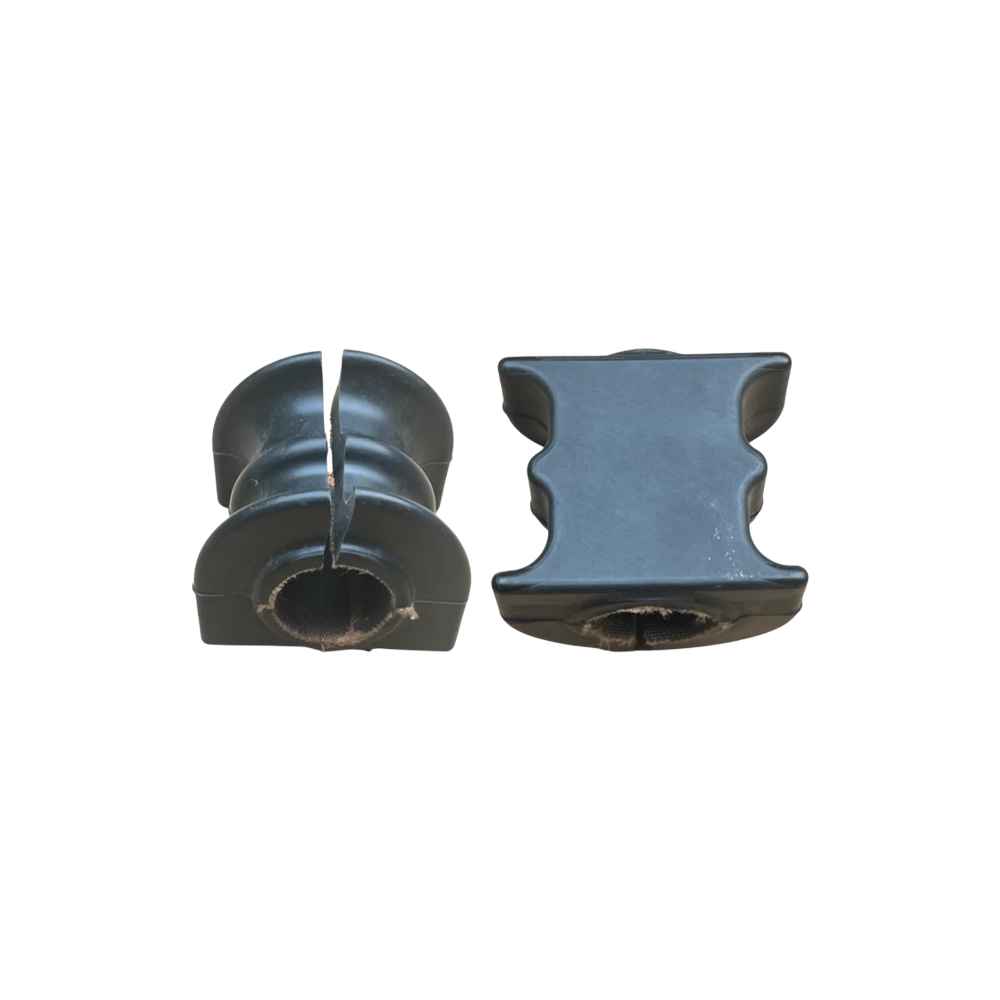
- Material Integrity: High-grade materials such as reinforced rubber and alloys are indicative of OEM quality.
- Brand Reputation: Established brands like Guanghua often signify reliability in their manufacturing processes.
Importance of Certification Standards
Certification is a critical aspect to consider when sourcing hydraulic steering systems. These certifications ensure that the products meet specific industry standards. Check for:
- ISO certification indicating adherence to international quality management protocols.
- SAE standards compliance for material and performance consistency.
Evaluating Performance Metrics
Performance metrics can help differentiate between OEM and aftermarket parts. Key indicators include:
- Response Time: OEM hydraulic steering should offer immediate feedback to driver inputs.
- Durability Tests: High-quality components undergo rigorous testing to withstand various environmental conditions.
Sourcing Checklist for 2025
As we approach 2025, it's essential to arm yourself with a practical checklist when sourcing hydraulic steering components. This will help ensure you are making informed decisions:
- 1. Supplier Verification: Confirm that your suppliers provide OEM parts. Use references and customer reviews to assess their credibility.
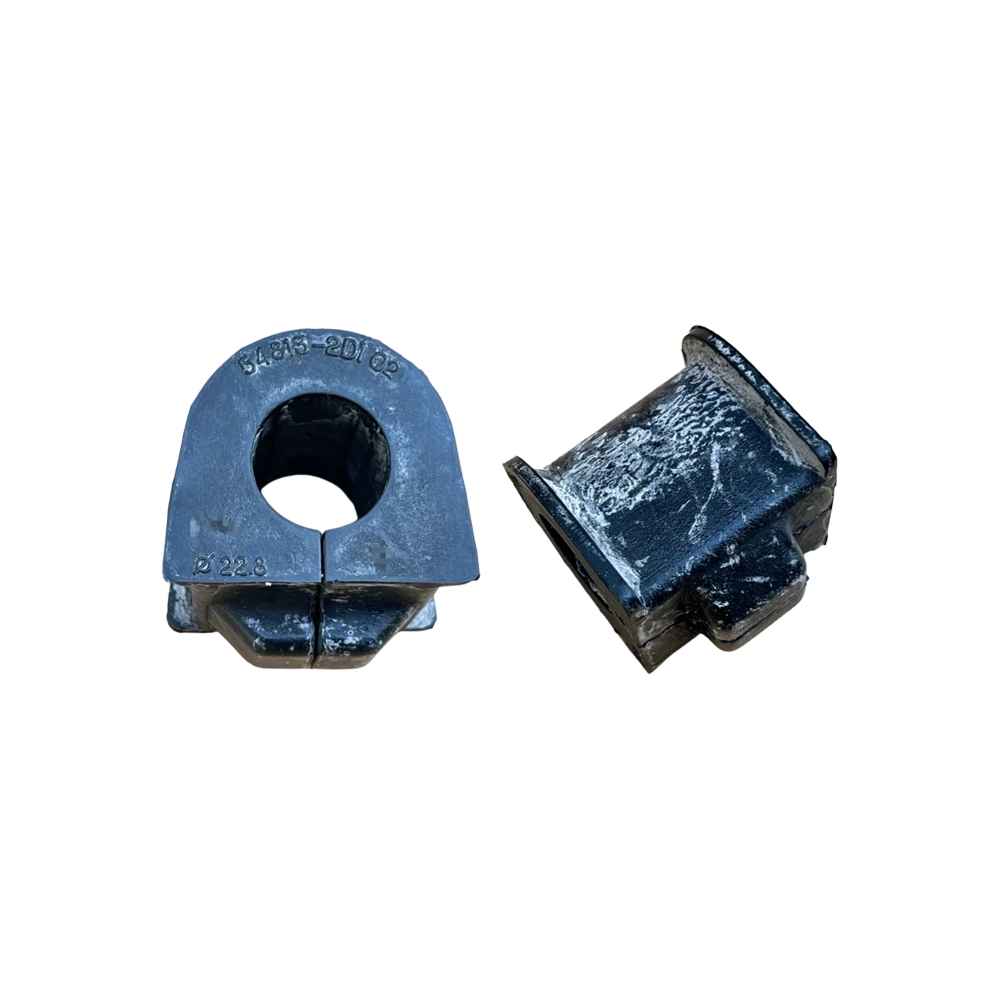
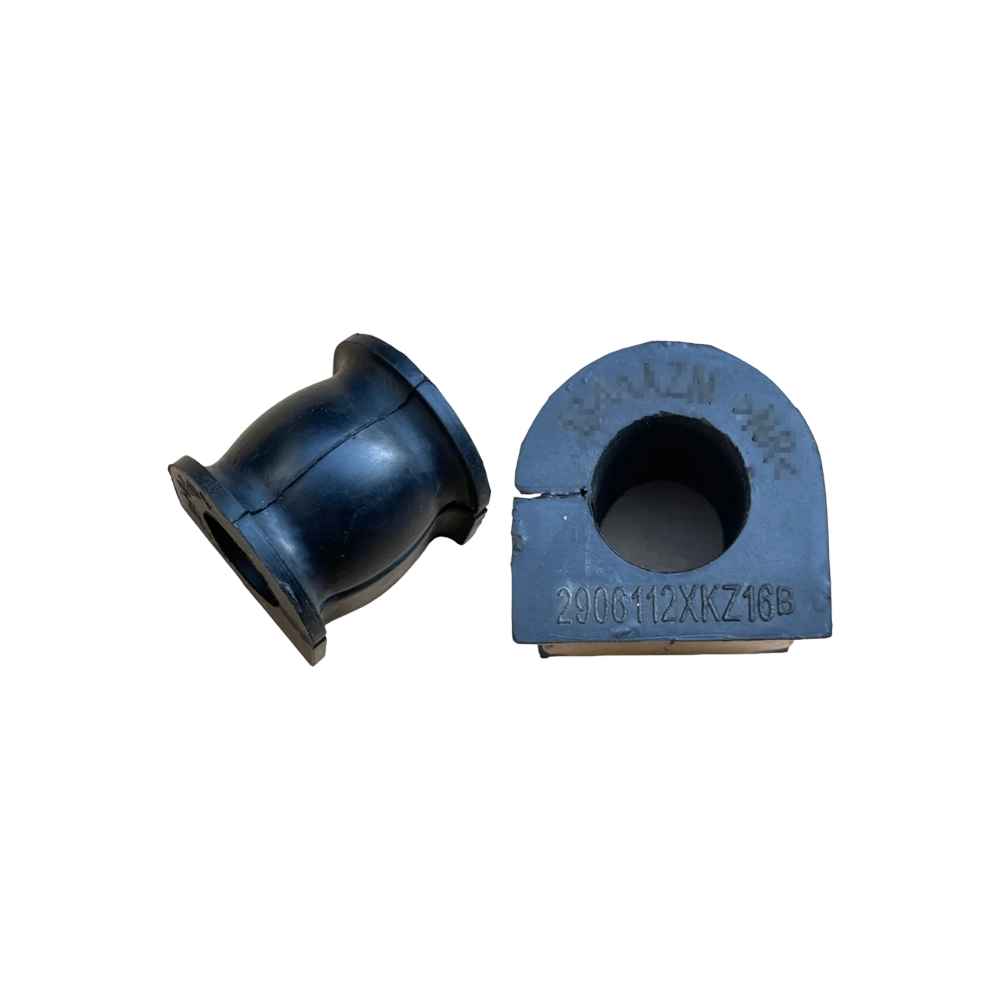
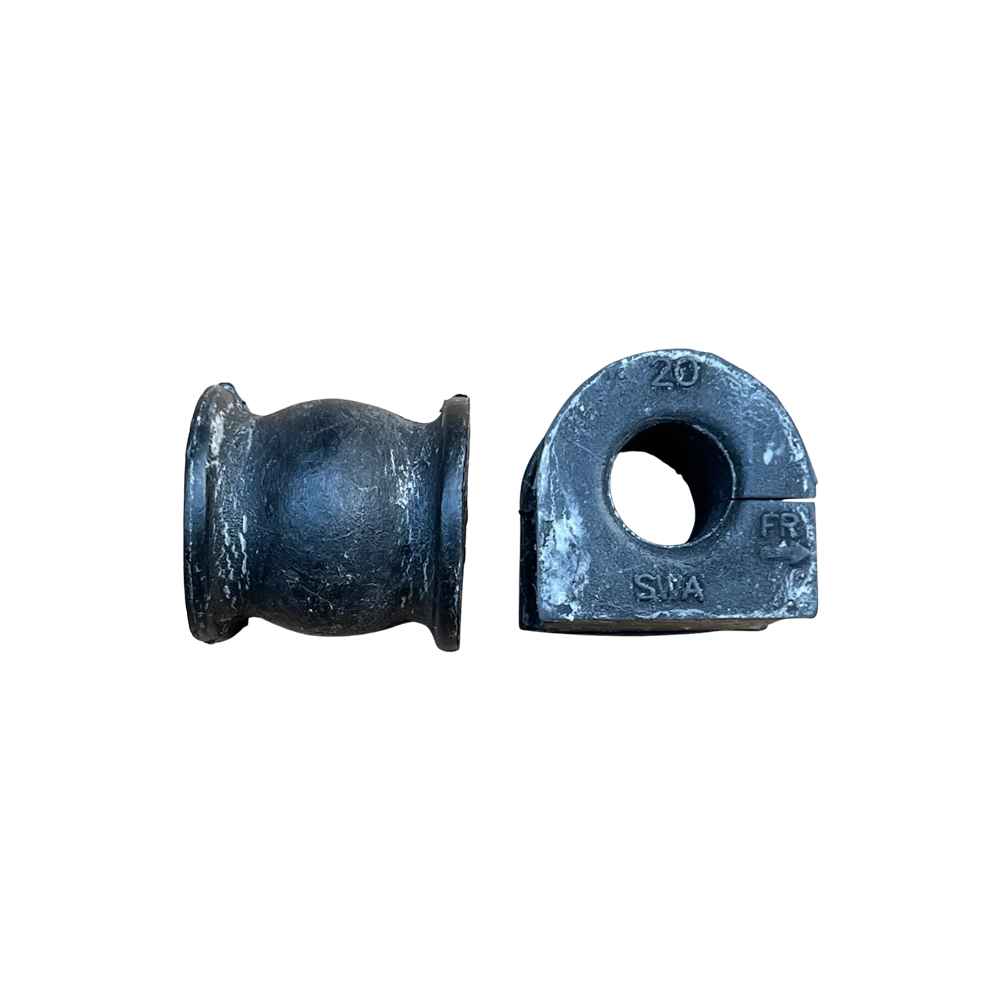
- 2. Inspection of Parts: Physically inspect CV Joint Boots , Steering Rack Boots , Shock Absorber Boots , and more for signs of wear or inferior quality.
- 3. Cross-Reference with OEM Part Numbers: Always cross-check parts against OEM numbers to ensure compatibility.
- 4. Warranty and Return Policies: A solid warranty indicates confidence in product quality—this is crucial for your sourcing decisions.
- 5. Analyze Pricing: While cost is important, extremely low prices may indicate compromised quality. Balance cost with quality assurance.
Impact of Non-OEM Components on Vehicle Performance
Utilizing non-OEM components, while sometimes tempting due to lower prices, can have dire consequences on performance and safety. For example, subpar O-rings & rubber sealing rings can lead to fluid leaks, which in turn affect steering responsiveness. It's an area where cutting corners could lead to costly repairs down the line. Actually, I’ve seen firsthand how vehicles equipped with inferior parts struggle to maintain alignment and handling.

Collaborating with Trusted Brands
Partnerships matter. Working closely with reputable brands like Guanghua not only ensures access to superior components but also provides ongoing support and expertise. The collaboration can significantly streamline your sourcing process, improving overall project timelines and outcomes.
Conclusion
The future of automotive steering systems is evolving quickly, making it essential to stay informed. By adhering to this checklist and focusing on OEM quality indicators, you'll be better positioned to make sound sourcing decisions in 2025 and beyond.