Understanding OEM Quality in Steering and Suspension Systems
When sourcing parts for chassis steering and suspension systems, identifying OEM quality is crucial. But how do you determine if a component meets these standards? It’s not as straightforward as checking a label. There’s a multitude of factors to consider.
The Importance of Material Standards
Look at the materials used. OEM parts often utilize high-grade alloys and rubber compounds that offer superior durability. For instance, the CV Joint Boots from Guanghua are known for their resilience and longevity compared to generic options. Did you know that a single wear-induced failure can lead to significant repair costs down the line?
- Check for certifications like ISO 9001.
- Examine the flexibility and tensile strength of rubber components such as Shock Absorber Boots .
- Investigate the manufacturing process—does it include quality checks at every stage?
Visual Inspection Techniques
Naked eye assessments can be deceiving! It’s essential to analyze the finish and details. OEM parts typically exhibit consistent finishes without blemishes or flaws. Take the Valve Cover Gasket , for example; a subpar finish might indicate inferior sealing capability, leading to leaks.
Functional Testing
What about functionality? A part may look good but perform poorly under stress. Conducting tests that simulate real-world conditions is vital. Imagine taking a brake test: an outer bushing that flexes too much could compromise steering precision. It’s like playing a game of chance with your vehicle's safety!
Supplier Credentials
Who makes your parts matters. Opt for suppliers with proven track records. Brands like Guanghua have established a reputation for delivering reliable components. Check for customer reviews and industry feedback. This isn’t just hearsay; it’s a critical step in your sourcing checklist.
Sourcing Checklist for 2025
Now, let’s compile a sourcing checklist. The aim is to ensure each component adheres to OEM quality standards:
- Material Specifications: Verify the material grades against OEM standards.
- Visual Quality: Inspect for any signs of defects or inconsistencies.
- Supplier Reputation: Research supplier history and customer satisfaction ratings.
- Testing Results: Demand proof of functional testing before purchase.
- Warranty Options: Ensure robust warranty coverage on parts.
The Role of Technology
Technological advancements play a significant role in ensuring quality. Modern manufacturers employ sophisticated equipment for precise measurements. For example, utilizing laser alignment tools can guarantee that components, such as Steering Rack Boots, fit perfectly.
Don’t overlook the potential of digital platforms to verify authenticity. Blockchain technology is making waves, allowing consumers to trace the origins of parts seamlessly. Isn’t it fascinating how tech can make sourcing less daunting?
Real-World Application
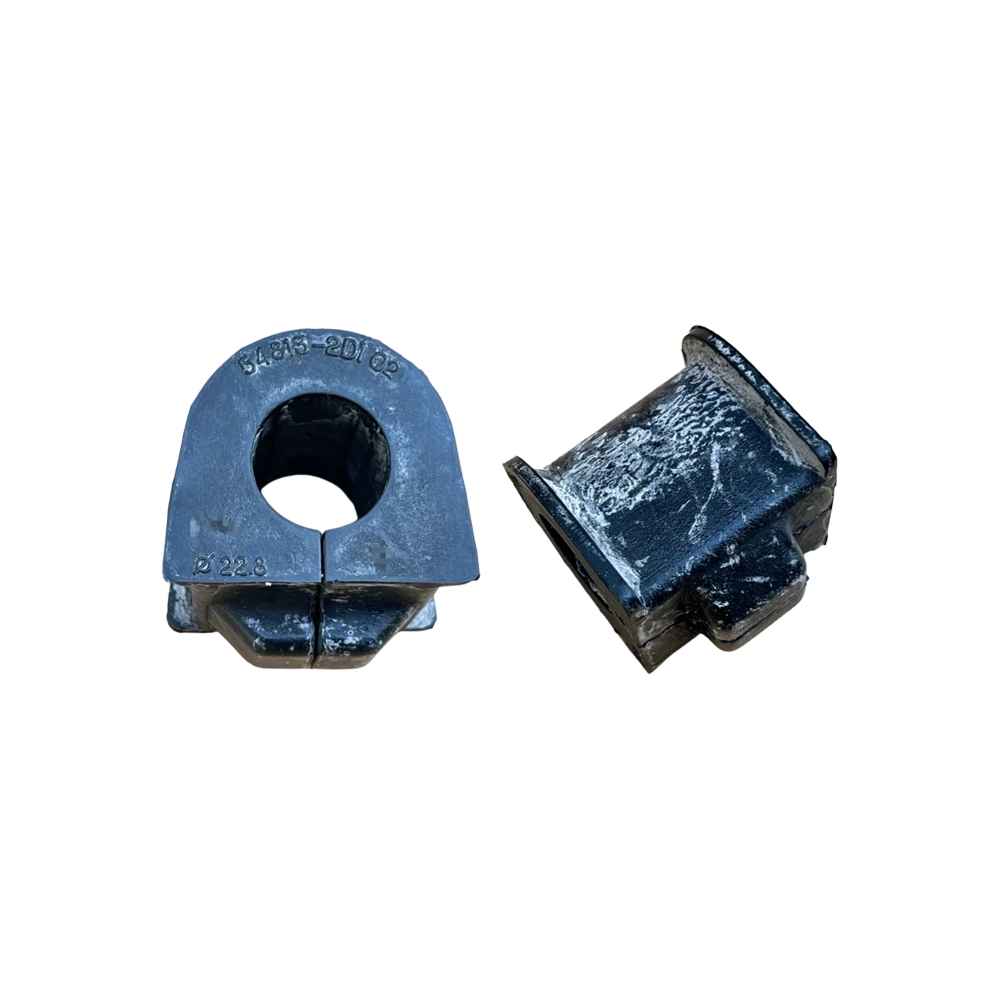
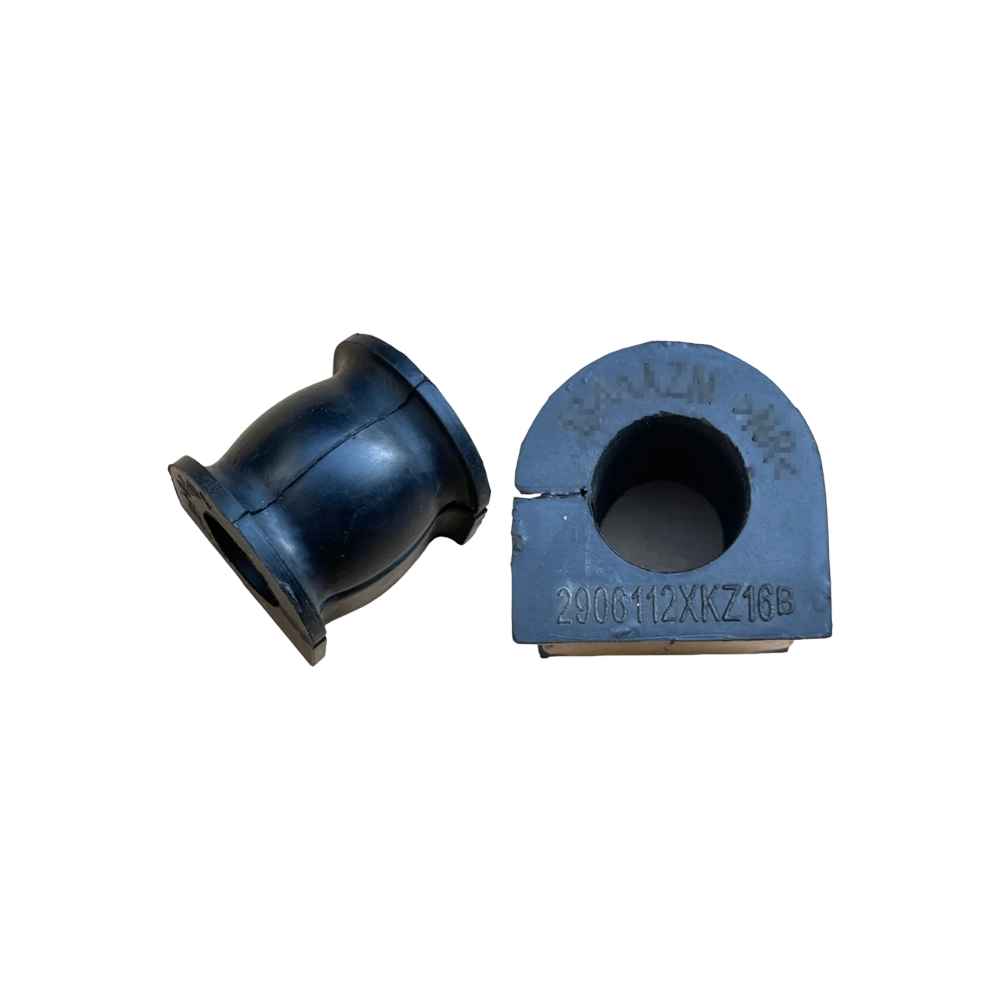
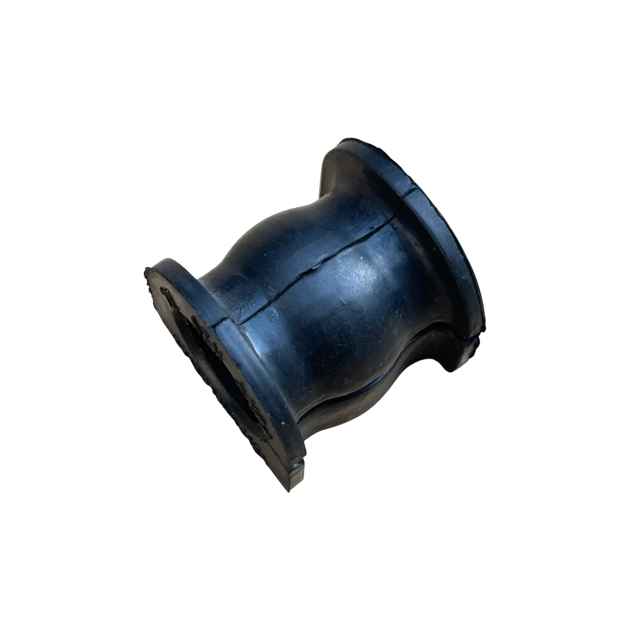
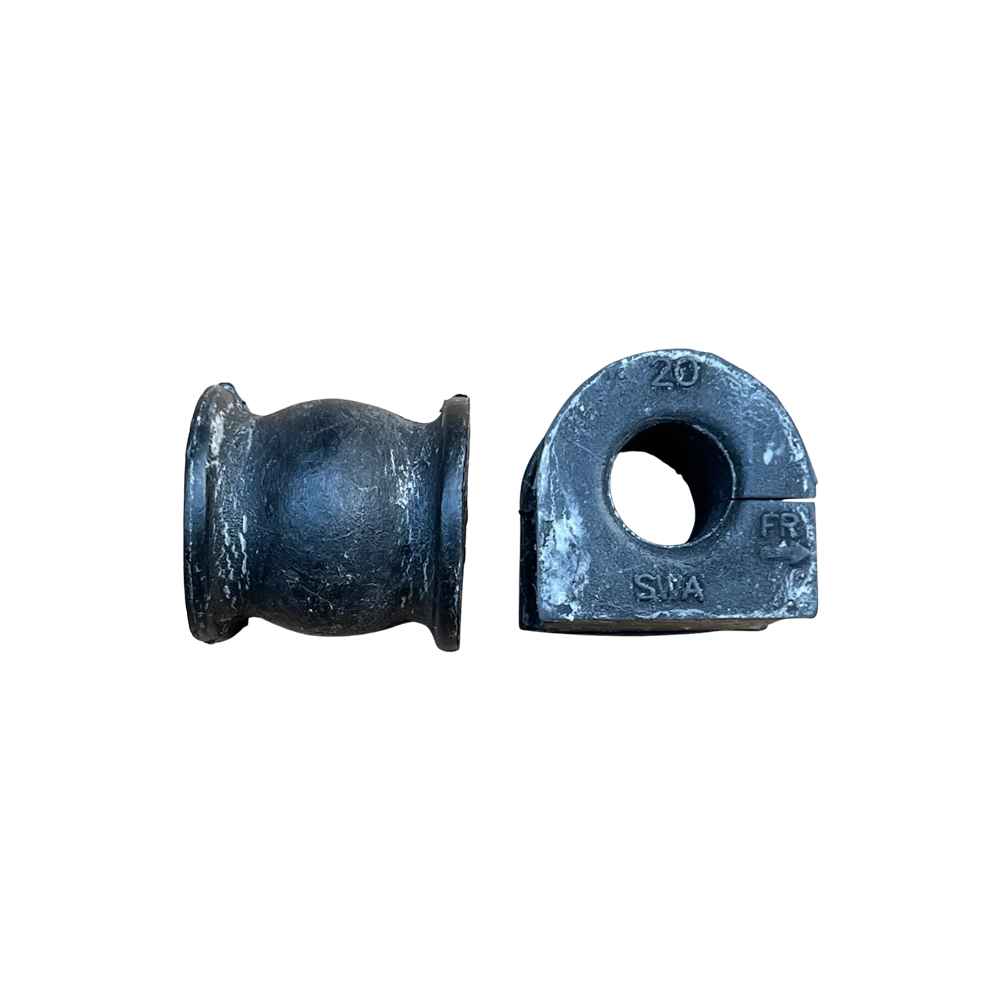
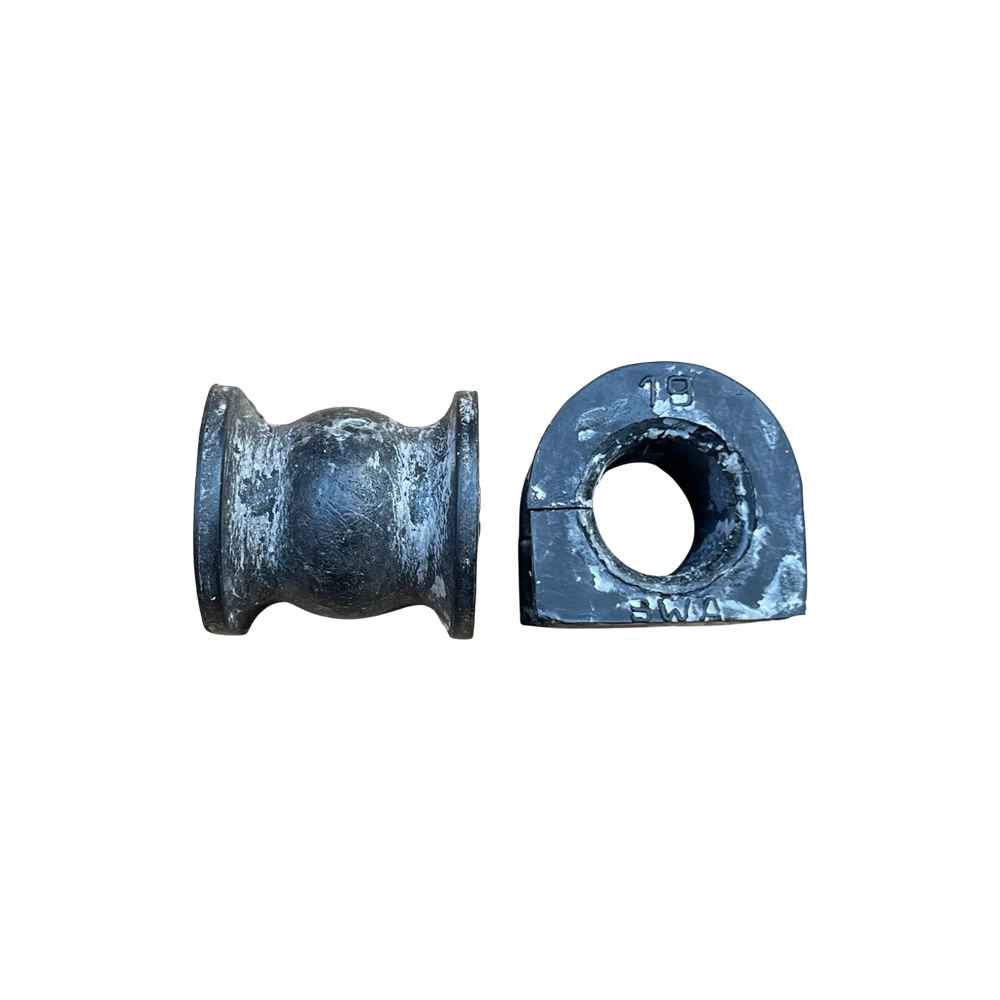
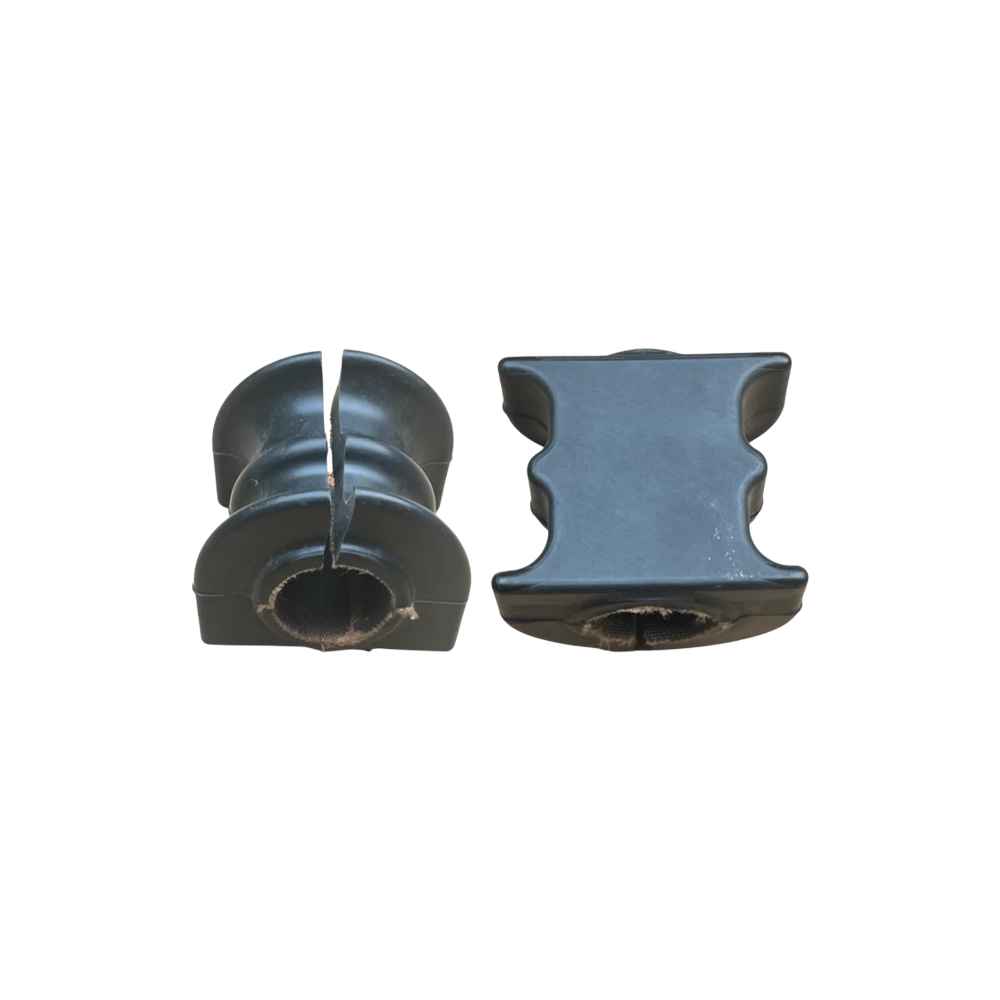
Consider a recent case study where a company sourced Stabilizer Bar Bushings from various suppliers. One set failed under stress tests, while the OEM-compliant version performed flawlessly. The difference? Attention to detail and rigorous testing protocols were key. Can you afford to cut corners?
Final Thoughts on Sourcing OEM Quality Components
Identifying OEM quality in chassis steering and suspension systems can feel overwhelming, but by following this checklist, you’ll navigate through the noise. Pay attention to every detail, from materials to supplier credibility. Your safety—and that of your customers—depends on it.