
Understanding Rack and Pinion Boots
When it comes to maintaining your vehicle's driveline and axle system, the rack and pinion boots play a crucial role. These components protect the internal mechanisms from dirt and moisture, which can cause premature wear and tear. A quality boot ensures that your steering system operates smoothly, making it essential for both performance and safety.
What is OEM Quality?
OEM stands for Original Equipment Manufacturer. When we're talking about OEM quality rack and pinion boots, we mean parts that meet the same specifications as the original ones installed in your vehicle at the factory. It's not just about fit; it's about durability too. High-quality materials ensure that these boots can withstand the rigors of everyday driving.
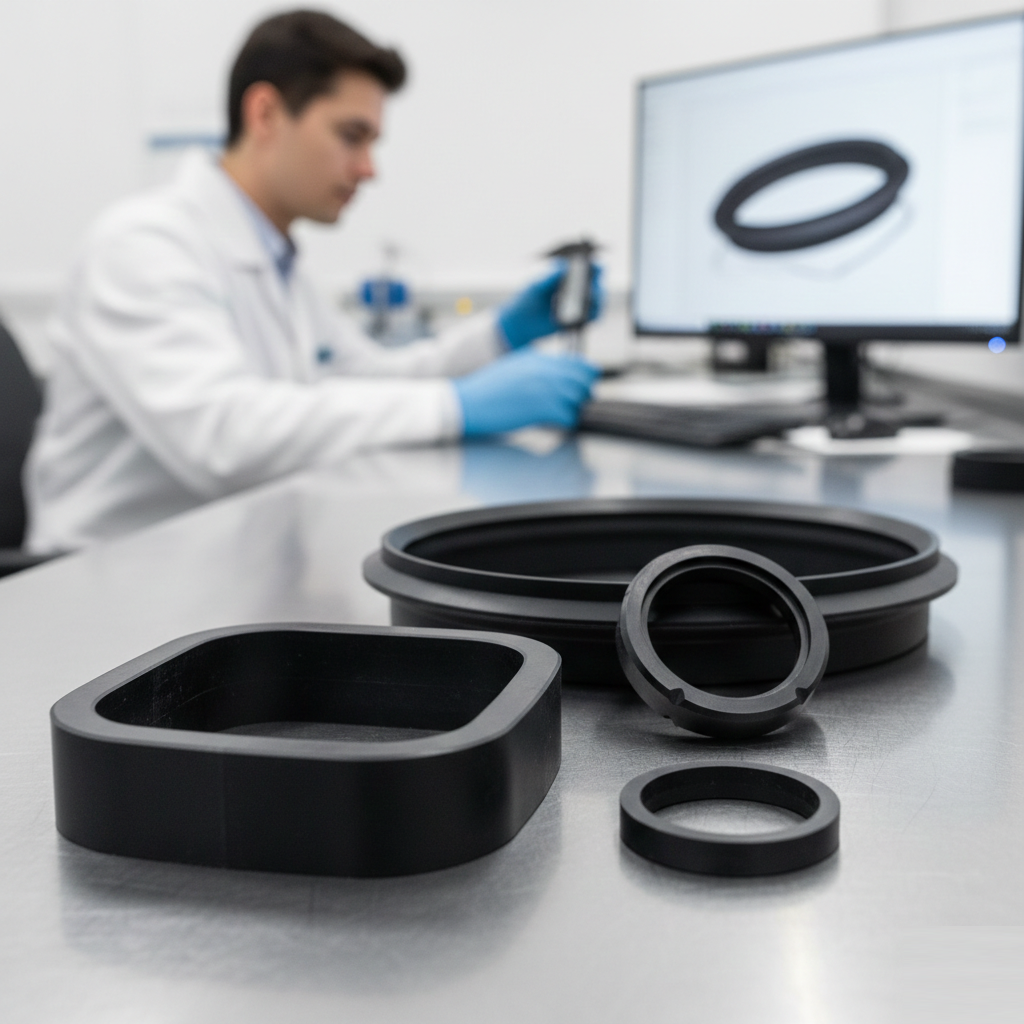
Key Characteristics of OEM Quality Boots
- Material Composition: Look for boots made from high-grade rubber or thermoplastic elastomers. These materials resist cracking and provide excellent flexibility.
- Sealing Integrity: Make sure the boots have robust seals. Poor sealing can let dirt in, leading to potential damage.
- Temperature Resistance: In extreme conditions, like hot summers or cold winters, the boots should maintain their shape and function.
- Fitment: OEM boots will have precise measurements to fit snugly on your vehicle's specific make and model.
Why Choose OEM Over Aftermarket?
Sure, aftermarket options may seem cheaper, but you often get what you pay for. OEM parts, like those from Guanghua, typically offer better longevity and reliability. They are engineered to meet the standards set by the manufacturers, ensuring a perfect match for your vehicle. That’s something you won’t always find in aftermarket alternatives.
Sourcing Checklist for 2026
As you embark on sourcing your vehicle repair parts, keep this checklist handy for finding the right rack and pinion boots:
- Research Trusted Brands: Always look up reviews and ratings for brands before making a purchase. Trustworthy names like Guanghua often lead the pack.
- Inspect Packaging: Genuine OEM parts usually come sealed in branded packaging. If it looks sketchy, maybe think twice.
- Check Part Numbers: Cross-reference the part numbers with your vehicle’s manual. Accuracy here can save you a lot of headaches down the road.
- Ask About Warranty: Reputable sellers will offer warranties for their products. This shows confidence in their quality.
Installation Tips
Installing rack and pinion boots isn’t necessarily rocket science, but a few tips can make it easier:
- Clean the Area: Before installation, ensure that the surrounding area is clean to avoid dirt contamination.
- Use Proper Tools: Having the right tools can make or break a job. Use a torque wrench to tighten everything correctly.
- Follow Manufacturer Guidelines: Always adhere to the installation instructions provided by the manufacturer.
Signs of Worn Out Boots
Sometimes, you might not know when it's time to replace your rack and pinion boots until it's too late. Look out for these signs:
- Cracks and Tears: Visual inspections can reveal obvious cracks or tears. If you see them, it's time for a change.
- Grease Leakage: If you notice any grease leaking from the steering rack area, the boots may be compromised.
- Noisy Steering: Unusual noises while turning the wheel could indicate a problem with the boots or the steering mechanism itself.
Conclusion: The Importance of Choosing Wisely
In the world of automotive repairs, every little detail counts. Choosing OEM quality rack and pinion boots can extend the life of your vehicle's components and ultimately ensure a smoother ride. Whether you're tackling this job yourself or working with a mechanic, being informed is key. Good luck; you've got this!







