Understanding CV Joint Failure
When it comes to vehicle maintenance, one of the most critical components often overlooked is the CV joint. Commonly found in front-wheel-drive vehicles, CV joints are designed to transfer torque at varying angles while accommodating the up-and-down motion of the suspension. However, premature failure of these joints can lead to significant issues, impacting overall vehicle performance and safety.
What Causes Premature CV Joint Failure?
CV joint failure can occur due to various reasons, including:
- Lack of Lubrication: A well-lubricated CV joint is essential for its longevity. Degradation of CV Joint Boots can lead to lubricant leakage.
- Heat Damage: Excessive heat can cause deterioration of the rubber components surrounding the CV joint, such as CV Joint Boots .
- Contamination: Dirt and debris getting into the joint due to damaged boots can lead to wear and eventual failure.
The Role of Heat-Resistant ACM
Addressing premature CV joint failure starts with selecting the right materials. One solution gaining traction in the industry is the use of heat-resistant ACM (Acrylic Copolymer Matrix). This material offers superior heat resistance compared to traditional rubber components.
Benefits of Using Heat-Resistant ACM
- Enhanced Durability: ACM maintains structural integrity at high temperatures, which is crucial in preventing heat-induced failures.
- Improved Resistance to Chemicals: It withstands exposure to oil and other automotive fluids, reducing the likelihood of contamination.
- Longer Lifespan: Parts made from ACM can last significantly longer than those using standard materials, thereby minimizing replacement costs.
Implementing ACM in CV Joint Boots
To effectively combat CV joint failure, manufacturers are now integrating heat-resistant ACM into their CV joint boots. Brands like Guanghua have already started adopting this innovation, leading to products that offer better performance under adverse conditions.
Installation Considerations
When replacing CV joint boots with heat-resistant ACM options, there are several factors to keep in mind:
- Proper Fit: Ensure the ACM boot fits snugly over the CV joint to provide optimal protection.
- Quality Installation: Follow manufacturer guidelines to avoid common mistakes during installation, such as improper sealing.
- Routine Inspections: Regular checks can help identify any wear or damage early, extending the life of the CV joints.
Preventative Measures for Longevity
Beyond simply replacing CV joint boots, adopting a comprehensive maintenance strategy is vital for prolonging the life of your vehicle's drivetrain.

Regular Maintenance Tips
- Check Boot Integrity: Regular inspections of CV joint boots are essential. Look for cracks, tears, or signs of wear.
- Lubrication Checks: Always ensure that the CV joints are adequately lubricated. If you notice grease leaking, it’s time for a replacement.
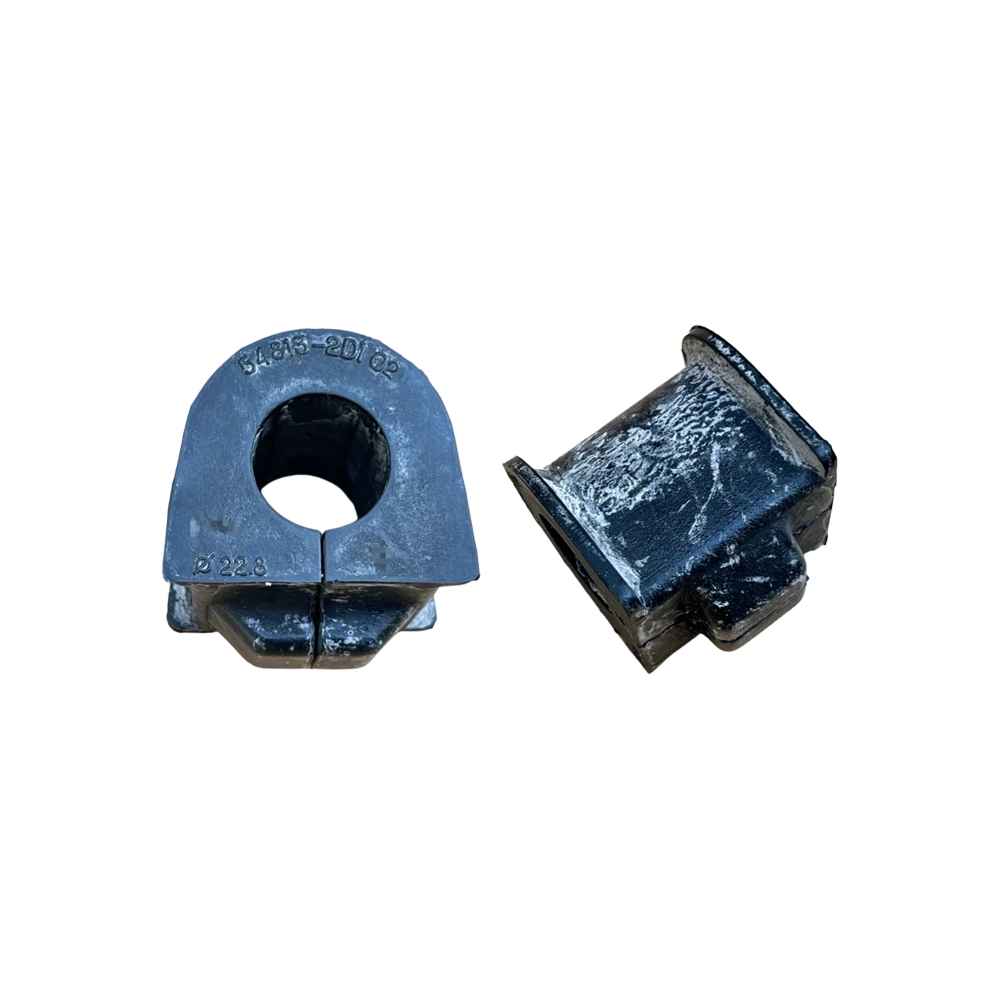
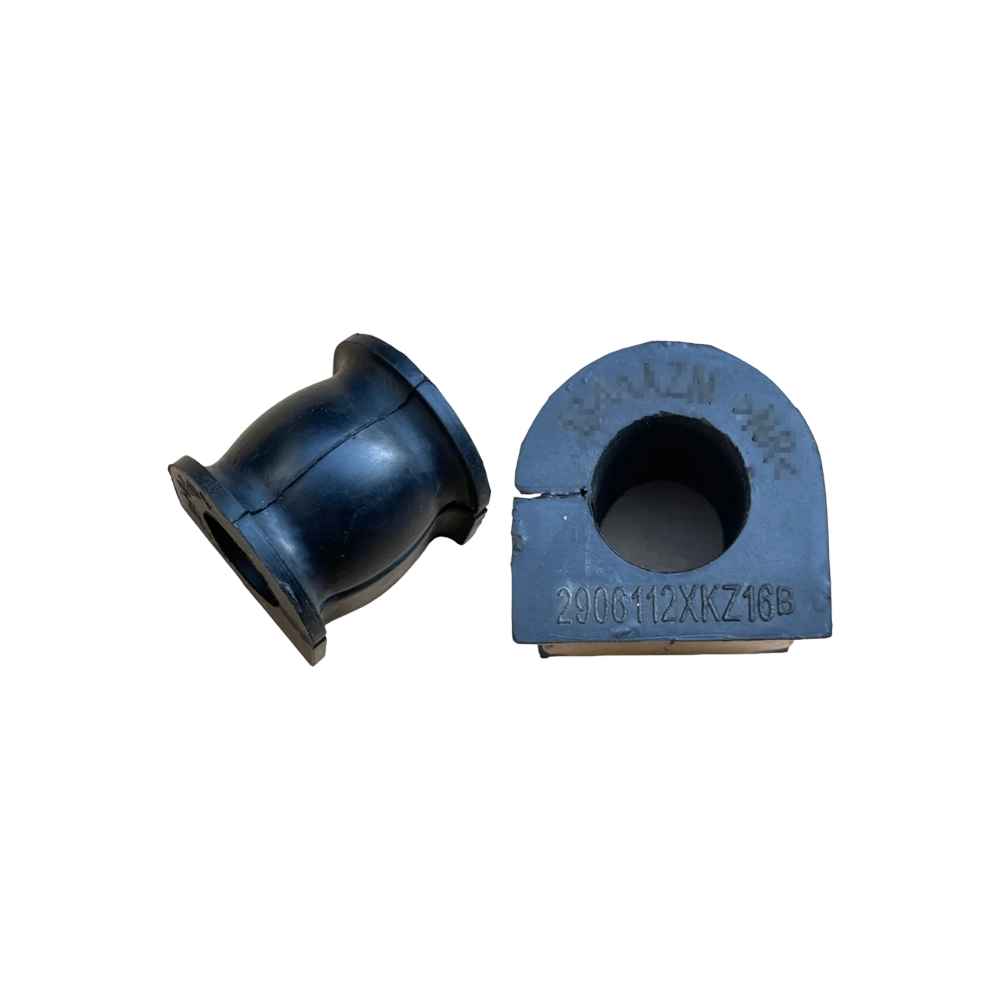
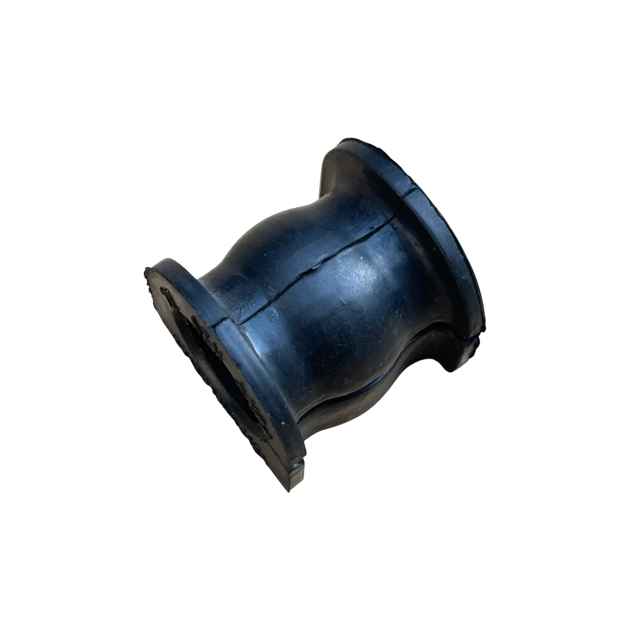
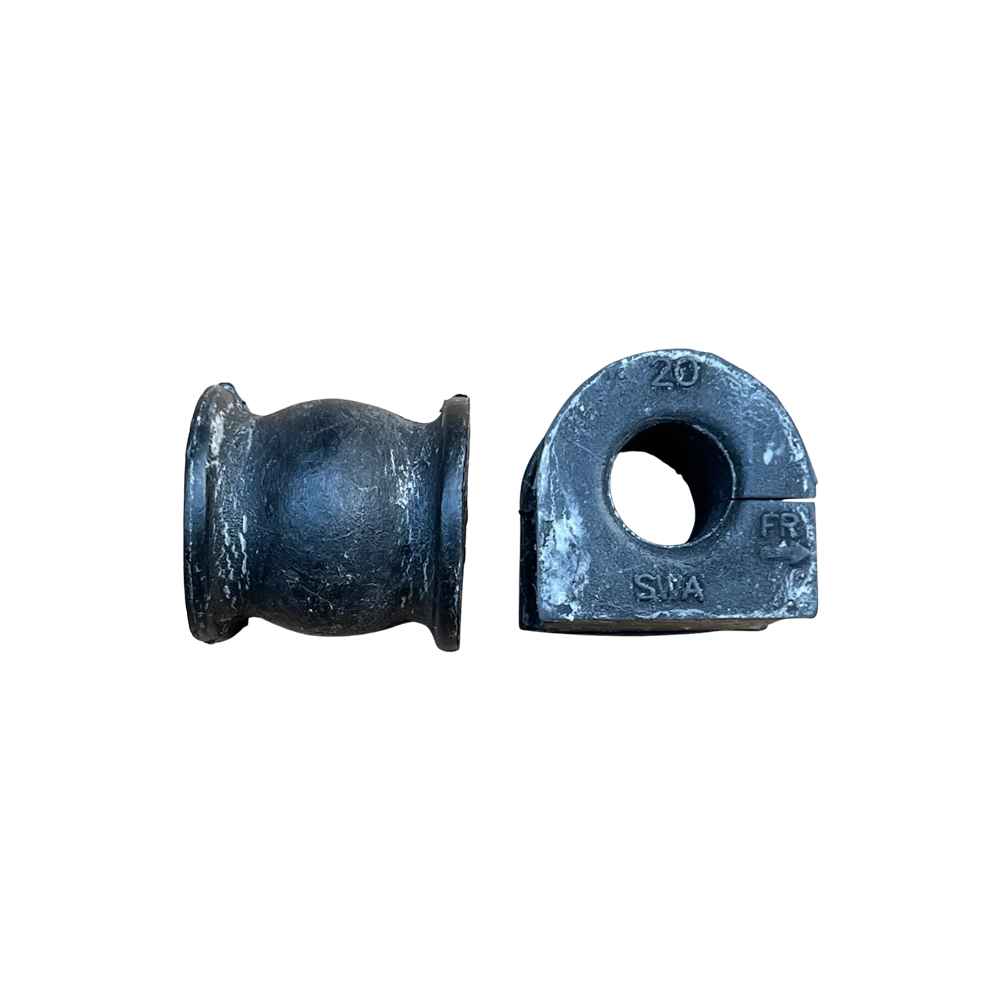
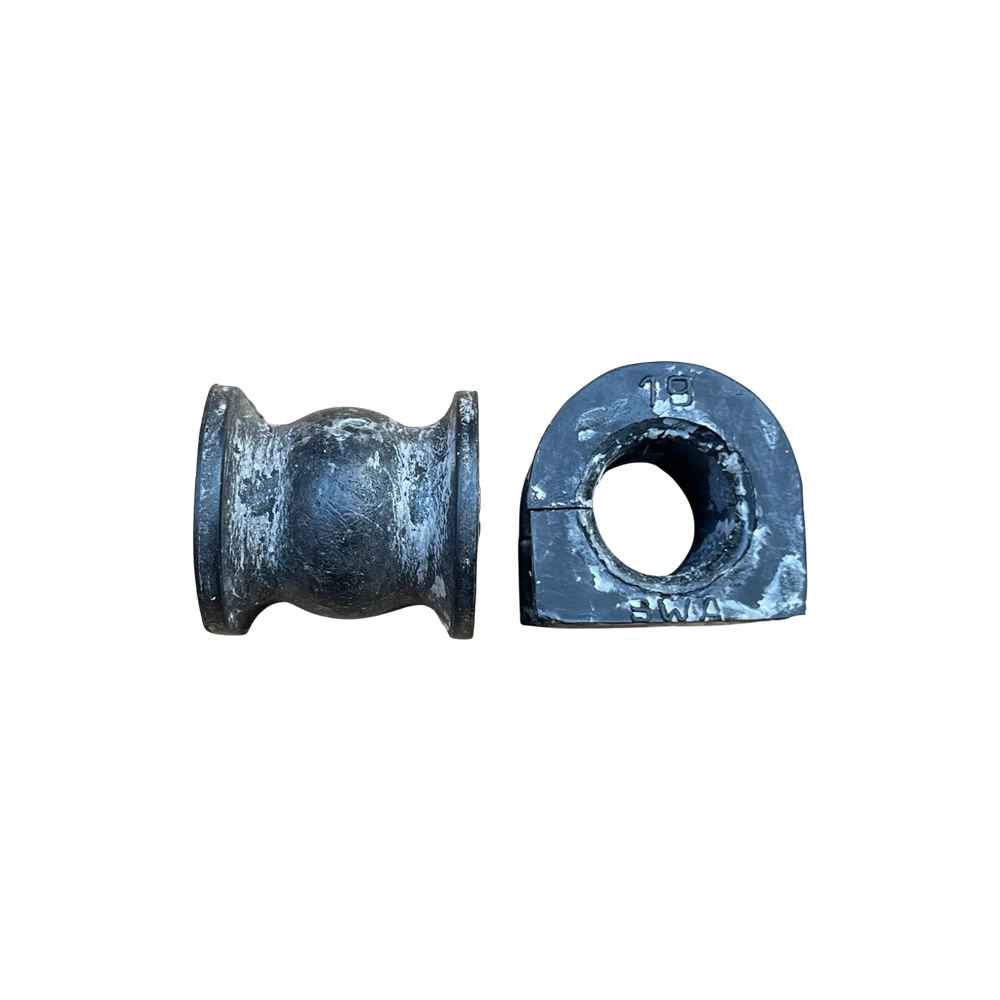
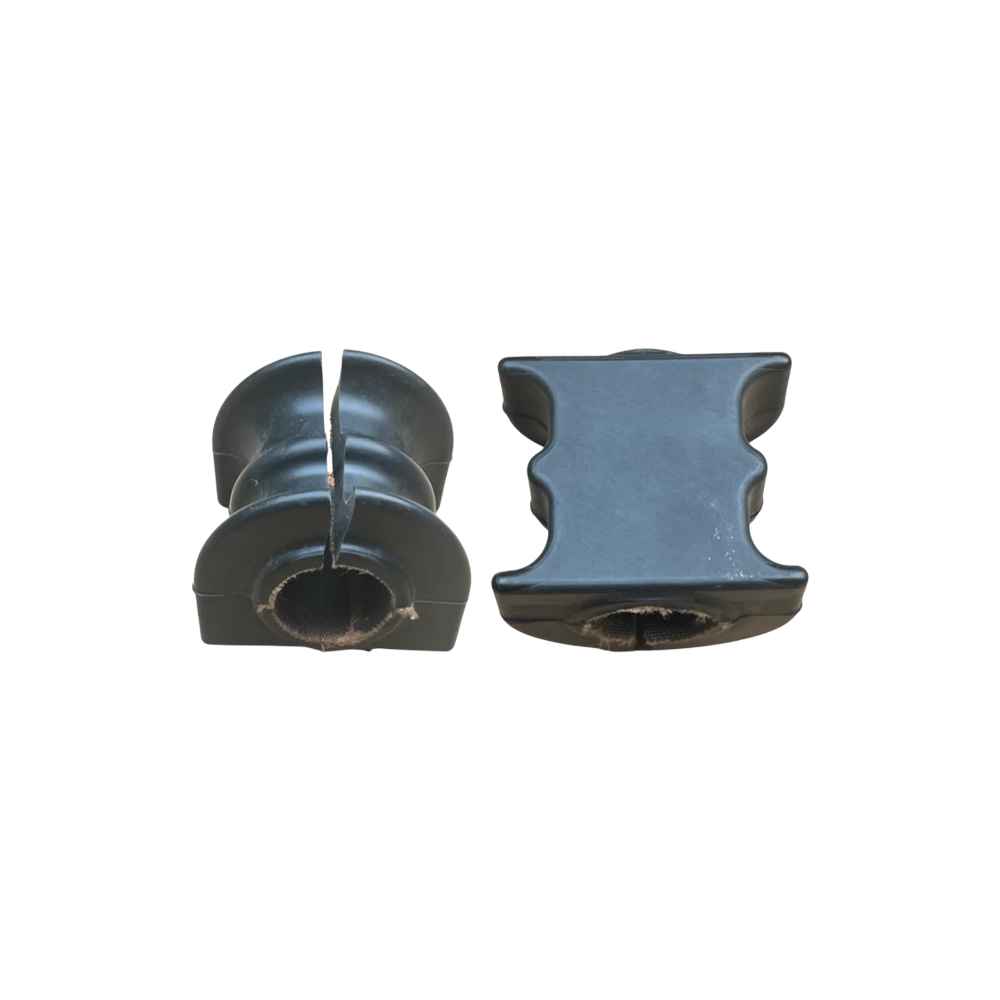
- Monitor Suspension Components: The condition of parts such as shock absorber boots and stabilizer bar bushings can impact CV joint performance.
Conclusion
In summary, addressing CV joint premature failure with heat-resistant ACM is a smart move for both manufacturers and vehicle owners. As technology advances, it’s crucial to stay updated on the latest materials and practices to ensure optimal performance and safety. By prioritizing quality solutions and regular maintenance, you can extend the lifespan of your vehicle's crucial components.