Understanding CV Joint Failure
In the automotive world, premature failure of critical components can lead to costly repairs and unexpected downtime. One such component is the Constant Velocity (CV) joint, which plays a vital role in transferring power from the engine to the wheels while accommodating the up-and-down motion of the suspension. When a CV joint fails prematurely, it often results in a plethora of issues, including compromised handling and decreased performance.
Common Causes of CV Joint Failure
Several factors contribute to the premature failure of CV joints:
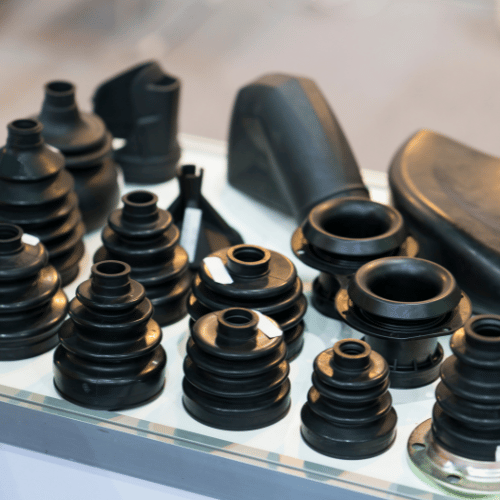
- Grease Leakage: The primary cause of CV joint failure is grease leakage due to worn or damaged CV Joint Boots . Once the protective boot is compromised, dirt and moisture can enter, leading to corrosion and eventual joint failure.
- Improper Installation: If a CV joint is not installed correctly, it may experience undue stress, causing it to wear out faster than expected.
- Wear and Tear: Regular use naturally leads to wear, but driving on rough terrain and aggressive driving habits can exacerbate this process.
The Role of Shock Absorber Boots
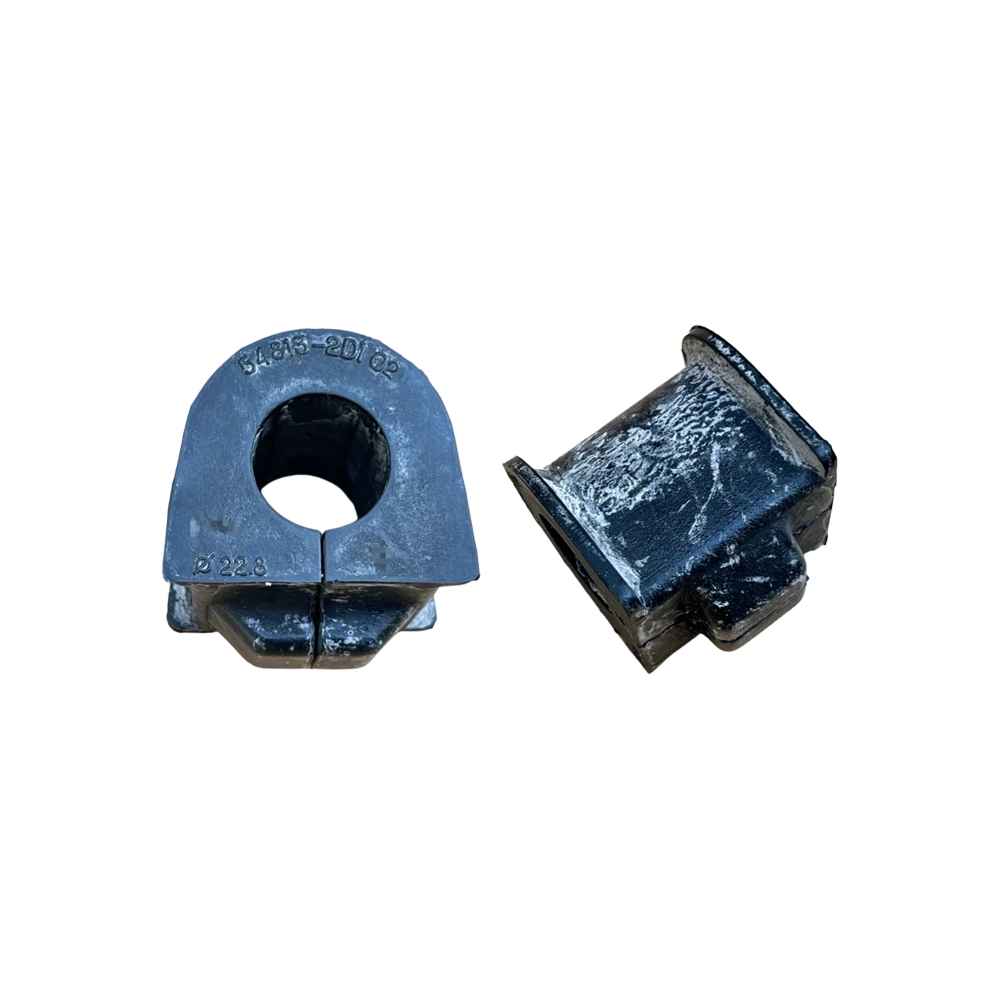
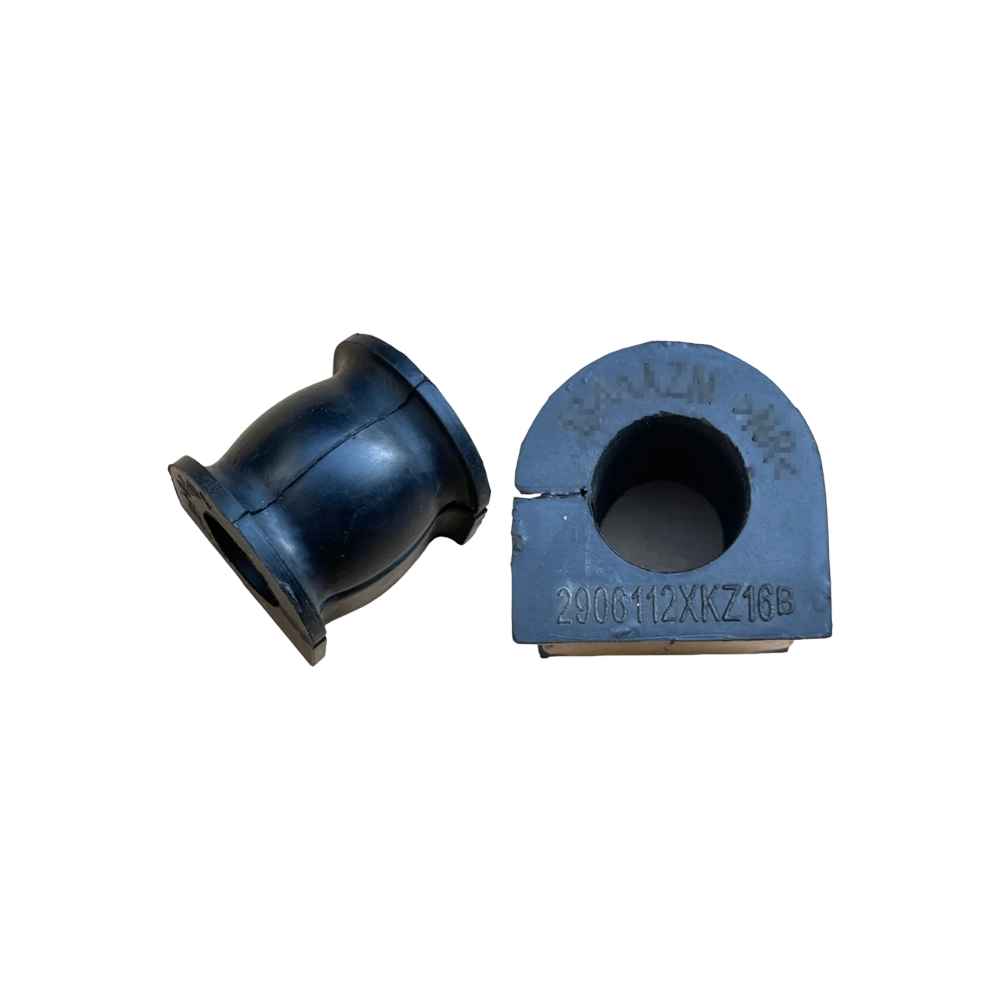
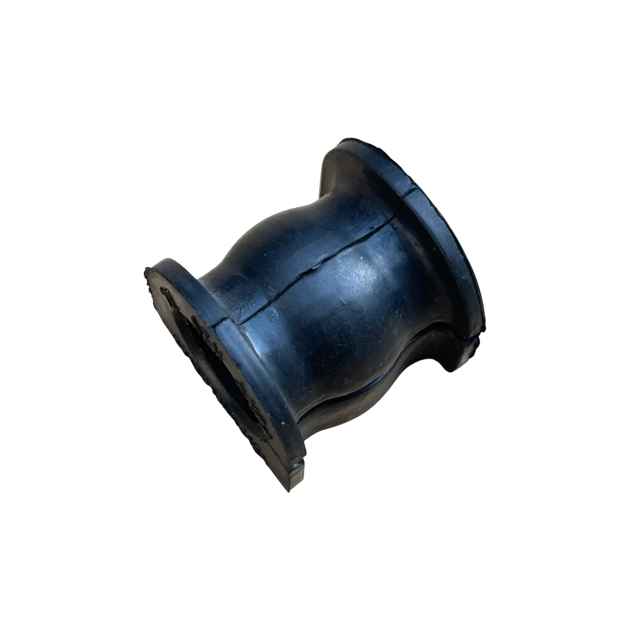
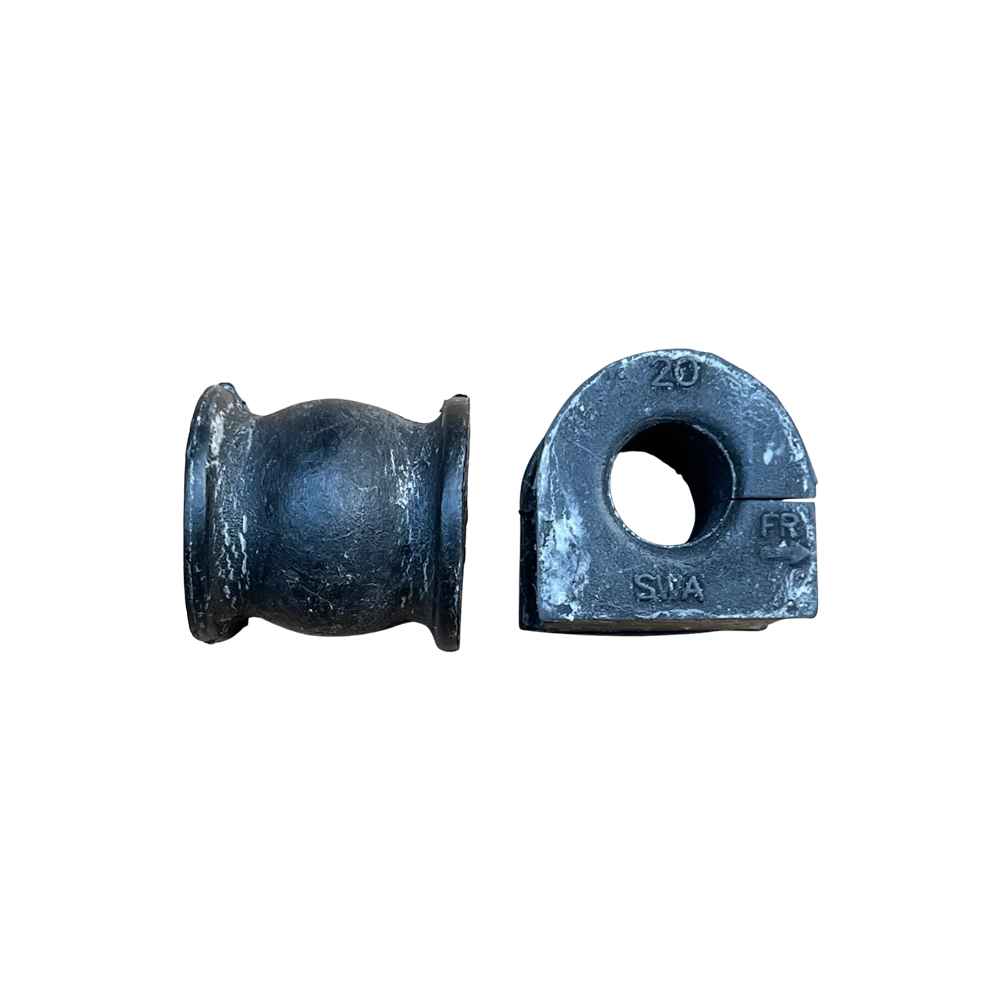
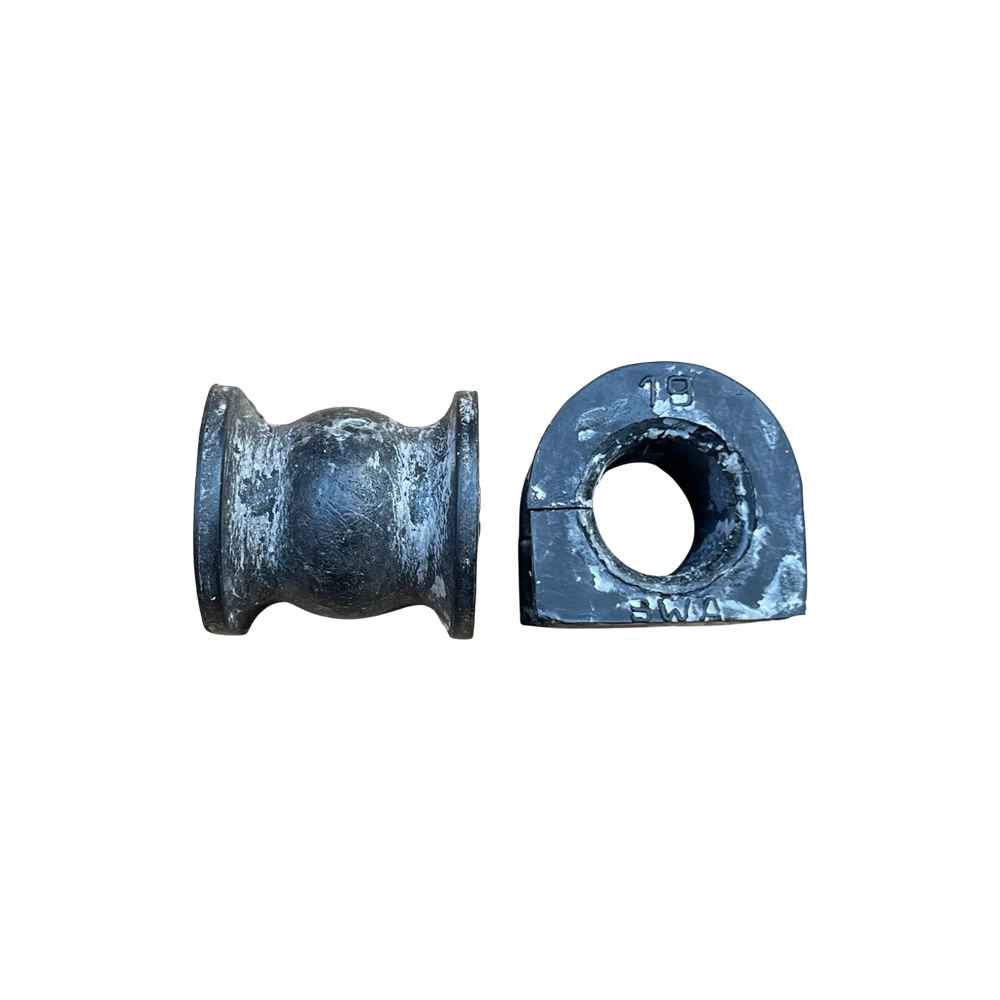
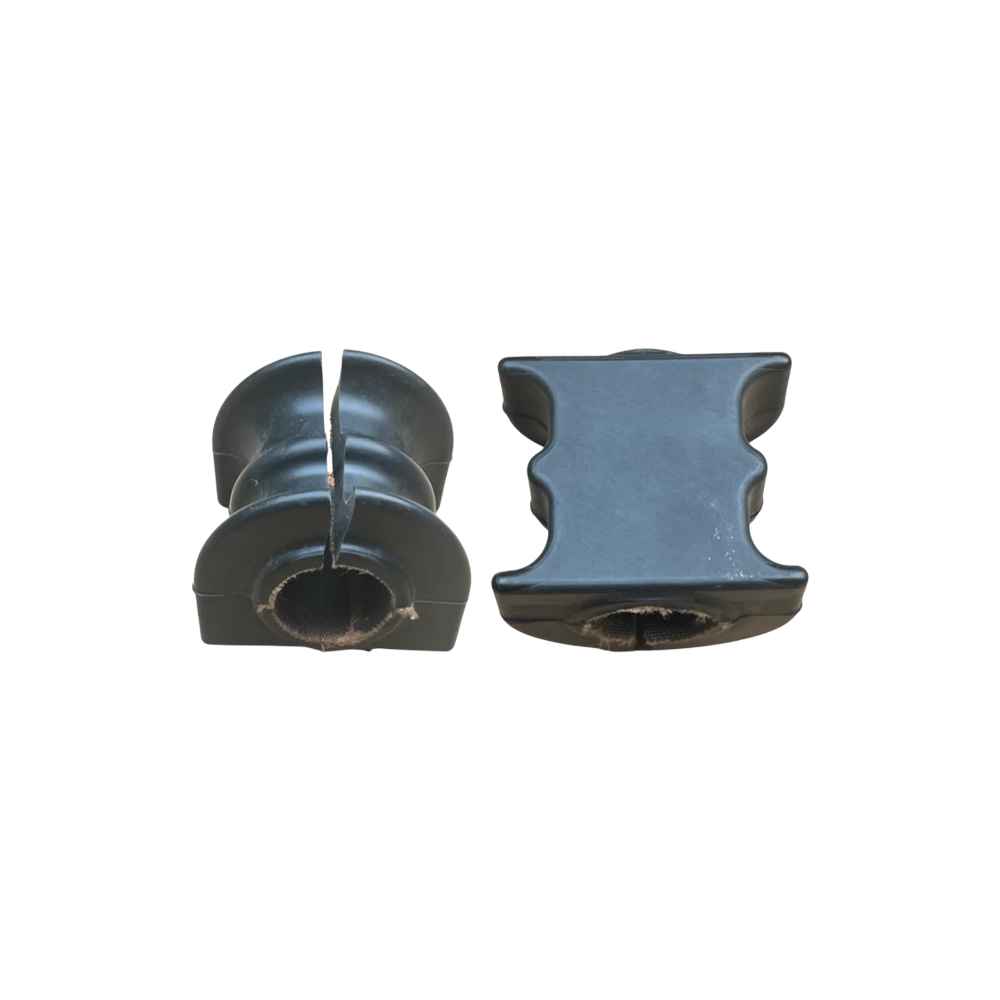
Shock Absorber Boots serve a crucial function in protecting shock absorbers from dust, dirt, and moisture. While they are primarily designed for shocks, their durability and resilience also play a supportive role in the overall health of suspension components, including CV joints.
How Shock Absorber Boots Help Prevent CV Joint Failure
Many might wonder how these boots can prevent CV joint failure. Here are some insights:
- Protection Against Contaminants: By providing an additional layer of protection, shock absorber boots help keep dirt and debris away from the CV joint area. This is particularly important in harsh driving conditions where exposure to mud, water, and other contaminants is high.
- Maintaining Proper Alignment: A healthy suspension system, aided by robust shock absorber boots, ensures that your vehicle maintains proper alignment. Misalignment can put extra strain on CV joints, leading to premature wear.
Signs of CV Joint Issues
It’s essential to be vigilant about the signs of CV joint issues, as early detection can save you from more significant problems down the line. Look out for:
- Clicking Noises: If you hear clicking sounds when turning, it’s a strong indicator that your CV joints may be failing.
- Vibration While Driving: Unusual vibrations can signal that the CV joint has begun to wear, especially if they intensify during acceleration.
- Grease on the Inside of Tires: This typically suggests a torn CV joint boot, allowing grease to escape and dirt to enter.
Replacing CV Joint Boots
When addressing CV joint issues, replacing the CV joint boots is paramount. However, it is equally essential to inspect and, if necessary, replace the shock absorber boots. Brands like Guanghua offer quality aftermarket solutions that cater to both CV joint and shock absorber applications.
Preventative Measures to Avoid Premature Failures
To extend the life of your CV joints, consider these preventative measures:
- Regular Inspection: Conduct routine checks on your vehicle’s undercarriage. Look for signs of wear on the CV joint boots and shock absorber boots.
- Proper Maintenance: Ensure that your vehicle's suspension system is well-maintained. Regular servicing can help identify potential issues before they escalate.
- Quality Parts: Always use high-quality replacement parts. Opt for reputable brands like Guanghua to ensure you're getting durable components.
Conclusion: Protecting Your Investment
In the end, understanding how to solve CV joint premature failure with shock absorber boot protection is crucial for maintaining your vehicle’s performance and longevity. Regular inspections, quality replacements, and attention to detail can go a long way. So next time you're considering a repair, don't overlook the importance of keeping those boots intact!