Understanding Material Swelling in Suspension Systems
So, first off, let’s dive into what we mean by "incompatible material swelling." You see, suspension systems are often made up of various materials that can react differently under stress or environmental conditions. This is particularly true in areas where hydraulic steering meets other components like shock absorbers and bushings. When one material expands more than another, it creates tension, leading to a cascade of issues.
The Impacts of Material Incompatibility
When you have different materials—let's say rubber, metal, and some polymer blends—they can swell differently due to temperature changes or even humidity. If the rubber seals, like those O-Rings & Rubber Sealing Rings , expand too much, they may not fit into the confines of the assembly anymore. This could lead to leaks in hydraulic systems, compromised performance, and who knows what else!
- Increased NVH (Noise, Vibration, Harshness)
- Decreased steering responsiveness
- Potential component failure
High-Performance Hydraulic Steering Systems
Now, here's where high-performance hydraulic steering comes into play. These systems are designed to offer improved fluid dynamics and minimize the negative effects of material swelling. The trick is all in the engineering. For instance, using compatible materials in critical areas can significantly reduce the risk of swelling impacting performance.
If you're looking to upgrade your Steering Rack Boots or even the valve cover gaskets, consider high-performance options. Brands like Guanghua do a great job at producing components that withstand varying pressures and temperatures without losing integrity.

Choosing the Right Materials
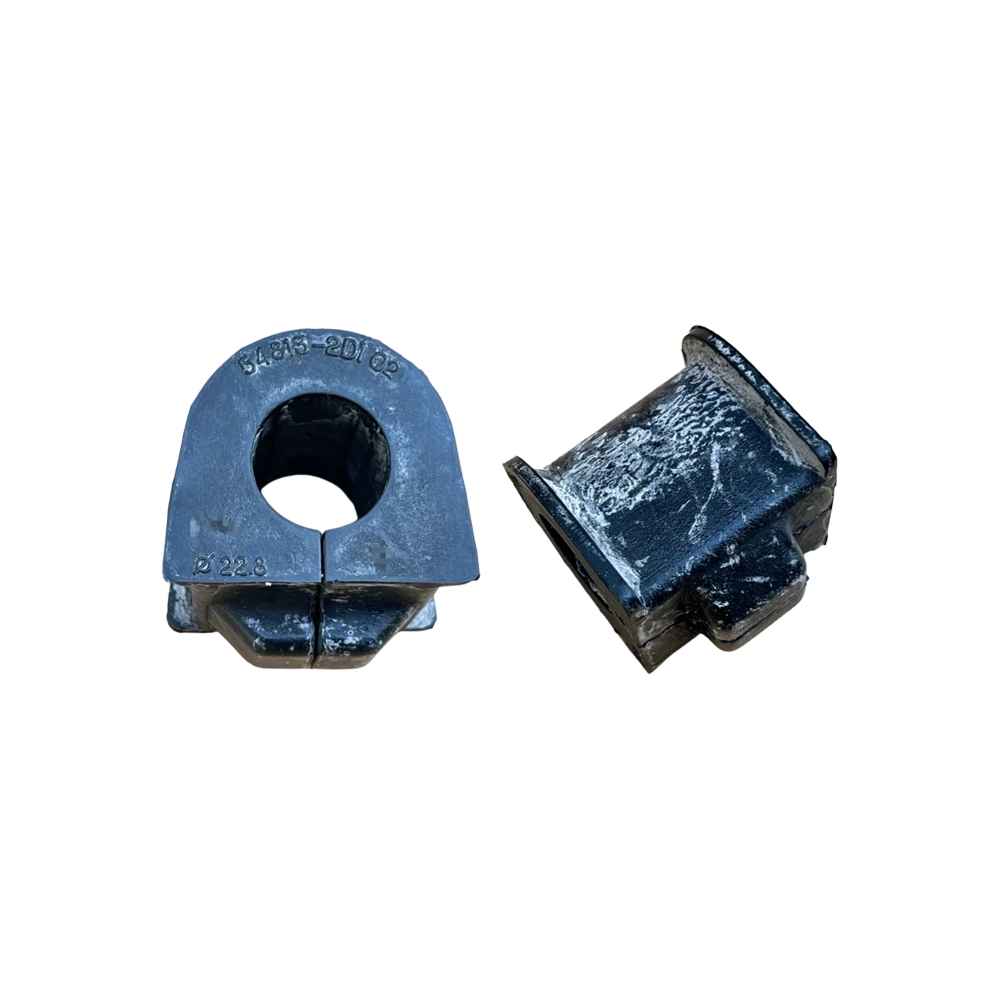
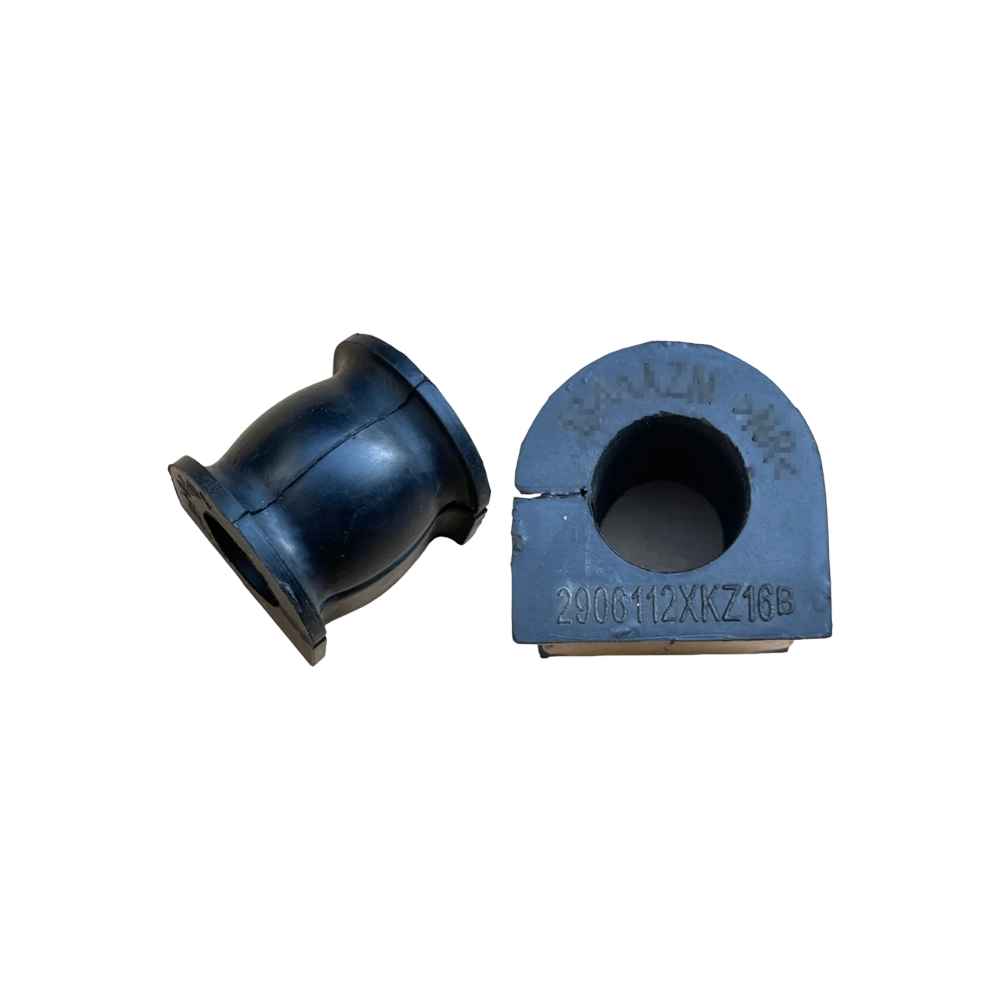
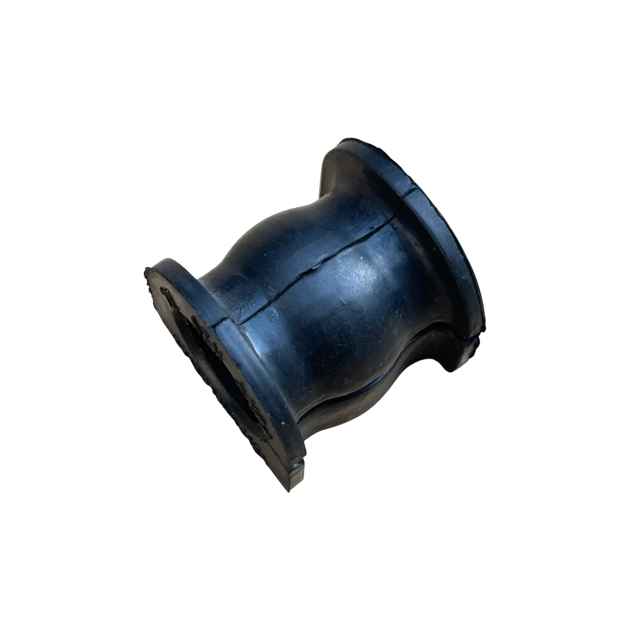
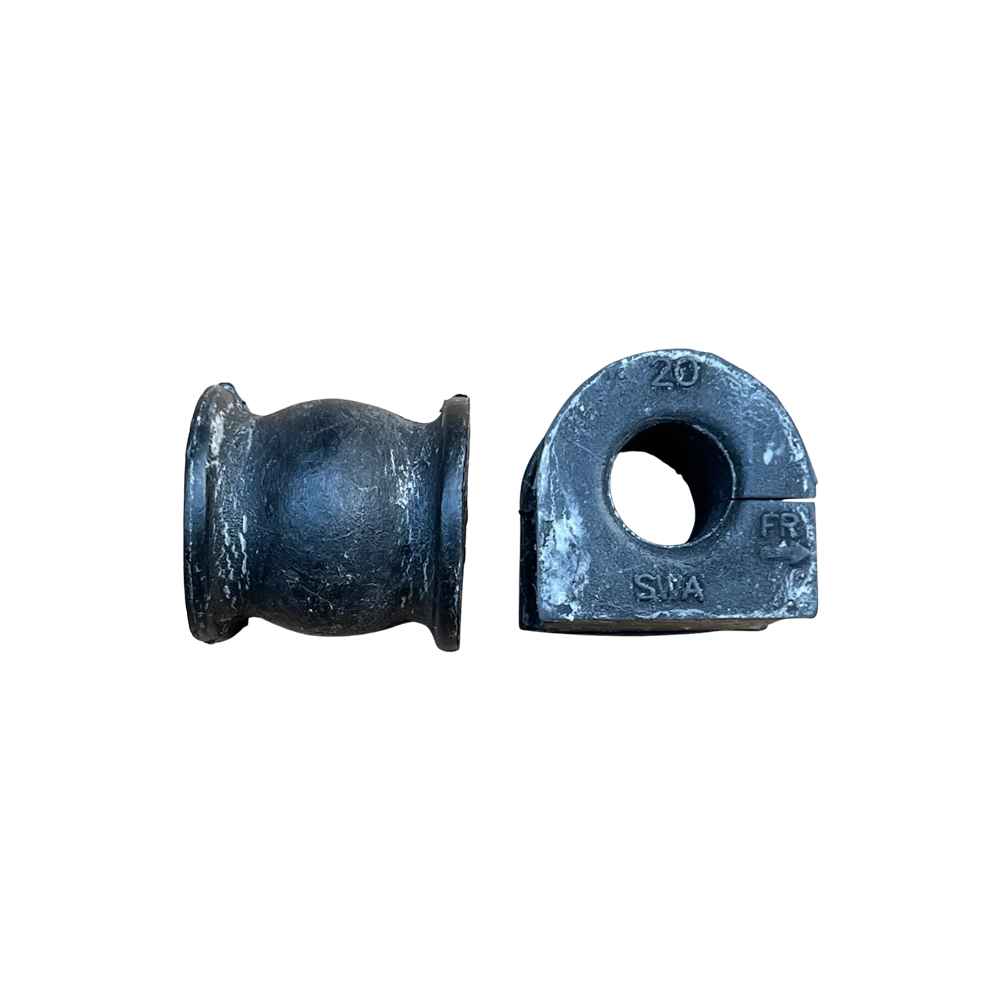
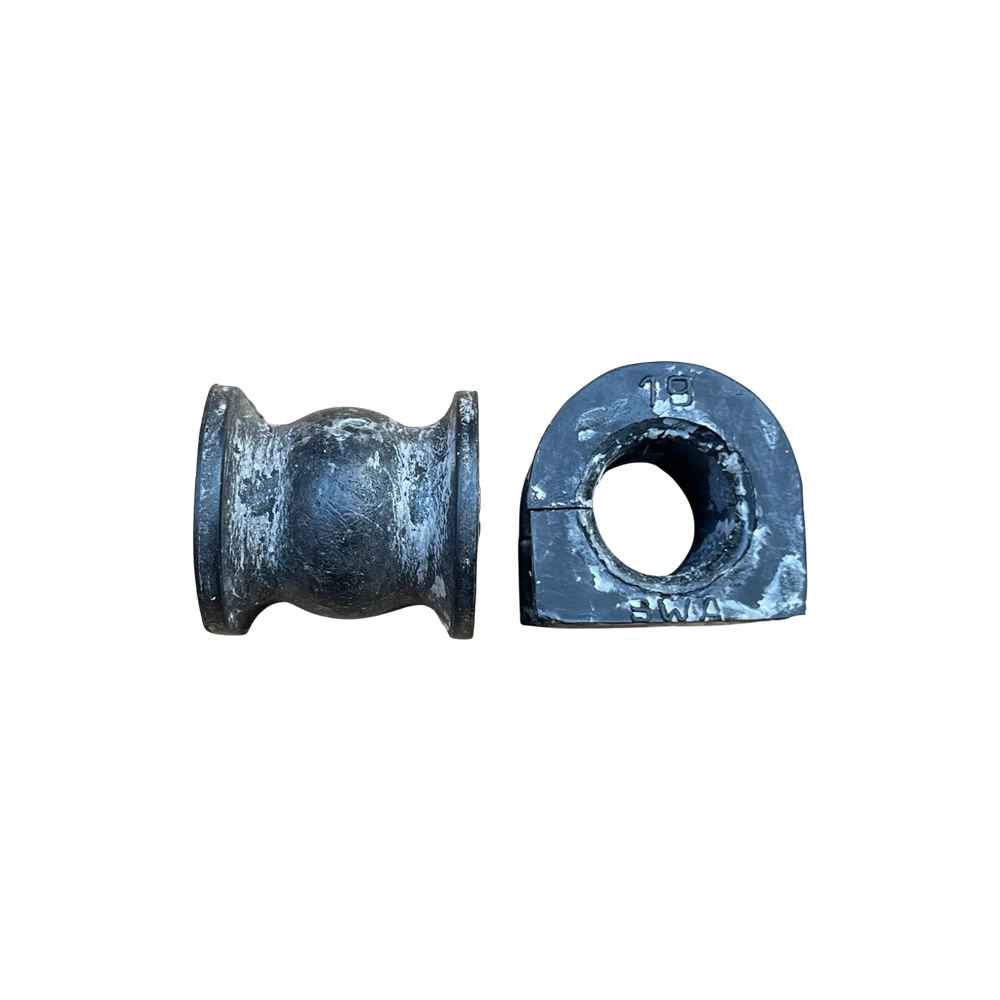
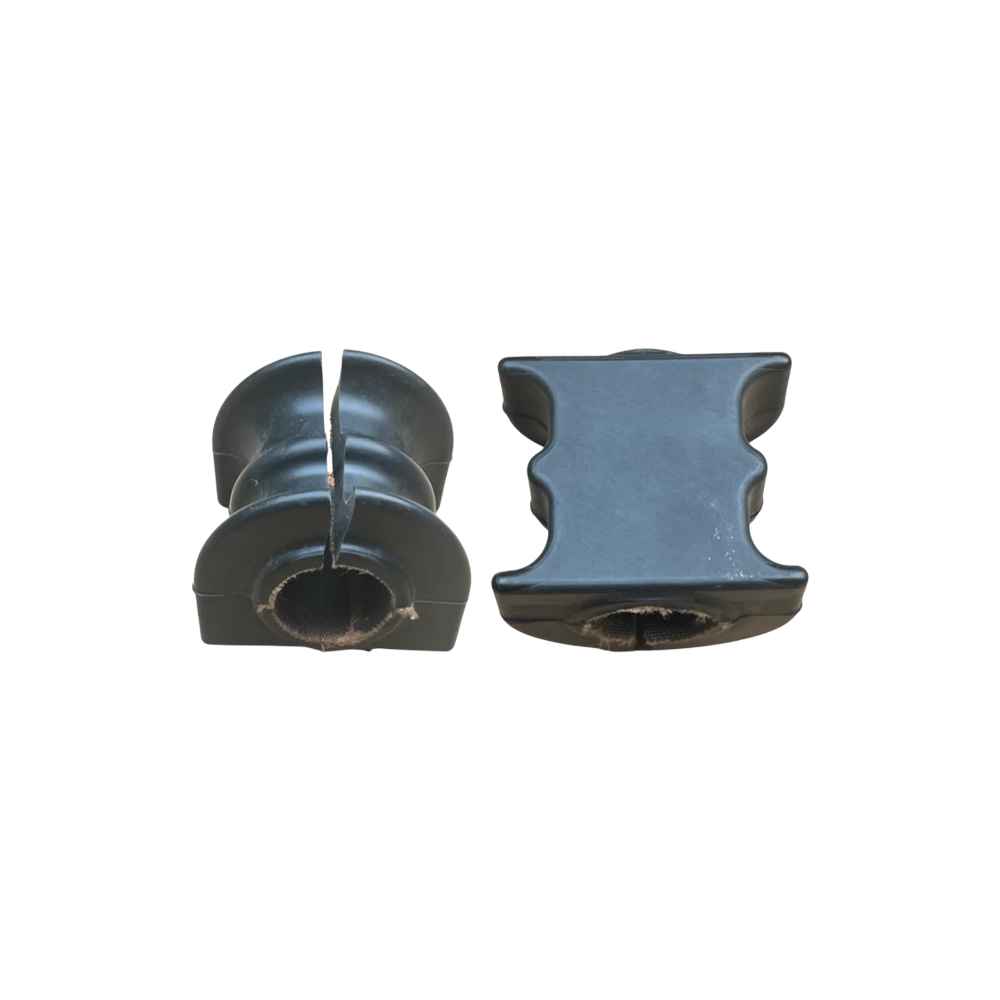
Choosing the right materials can sometimes feel like navigating a maze. You want durability but also flexibility. That’s why selecting parts like shock absorber boots and Stabilizer Bar Bushings made from advanced rubber compounds is crucial. They resist swelling better than your average parts, which translates to less hassle for you in the long run!
Navigating NVH Reduction Techniques
Ah, NVH—the three little letters that can make or break a driving experience. Nobody wants to feel like they're riding in a tin can, right? High-performance hydraulic steering systems can mitigate NVH, but it takes a multi-faceted approach.
- Optimizing component alignment to reduce vibrations.
- Using sound-dampening materials around the suspension setup.
- Regular maintenance checks on rubber components to ensure no swelling is occurring.
The Role of Component Design
It’s not just about the materials; the design matters too! Modern designs take into account the interactions between various parts. For example, incorporating proper clearances allows for any unexpected swelling without compromising the overall structure. Also, don’t overlook the importance of sealing technologies; having effective seals can prevent contamination, which can cause further complications down the line.
Regular Maintenance and Checks
No matter how high-tech your system is, nothing beats regular checks and maintenance. Routine inspections of steering rack boots and other components can save you from a lot of headaches later. And hey, while you’re at it, check those valve cover gaskets as well—if they start leaking, it could spell disaster for your engine.
On a side note, did I mention how crucial it is to keep an eye on those stabilizer bar bushings? They can wear out faster than you'd expect, and if they're not in top shape, you might find yourself with a bumpy ride.
Conclusion: It’s All About Compatibility
In the end, solving the issue of incompatible material swelling boils down to compatibility. Use high-quality components, leverage advanced materials, and don’t forget the value of regular maintenance. By taking these steps, you'll be well on your way to enjoying a smoother steering experience without the nagging worry of material incompatibility ruining your day behind the wheel.