Understanding Material Swelling in Suspension Systems
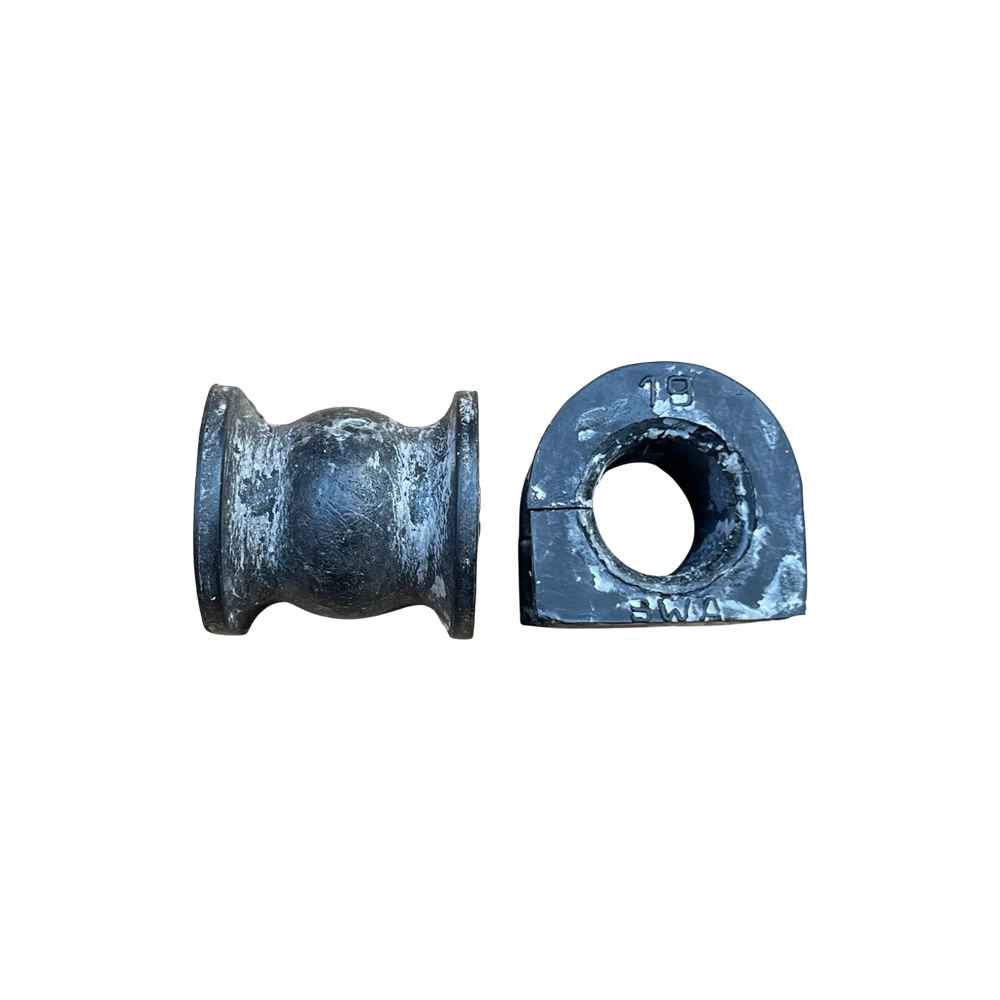
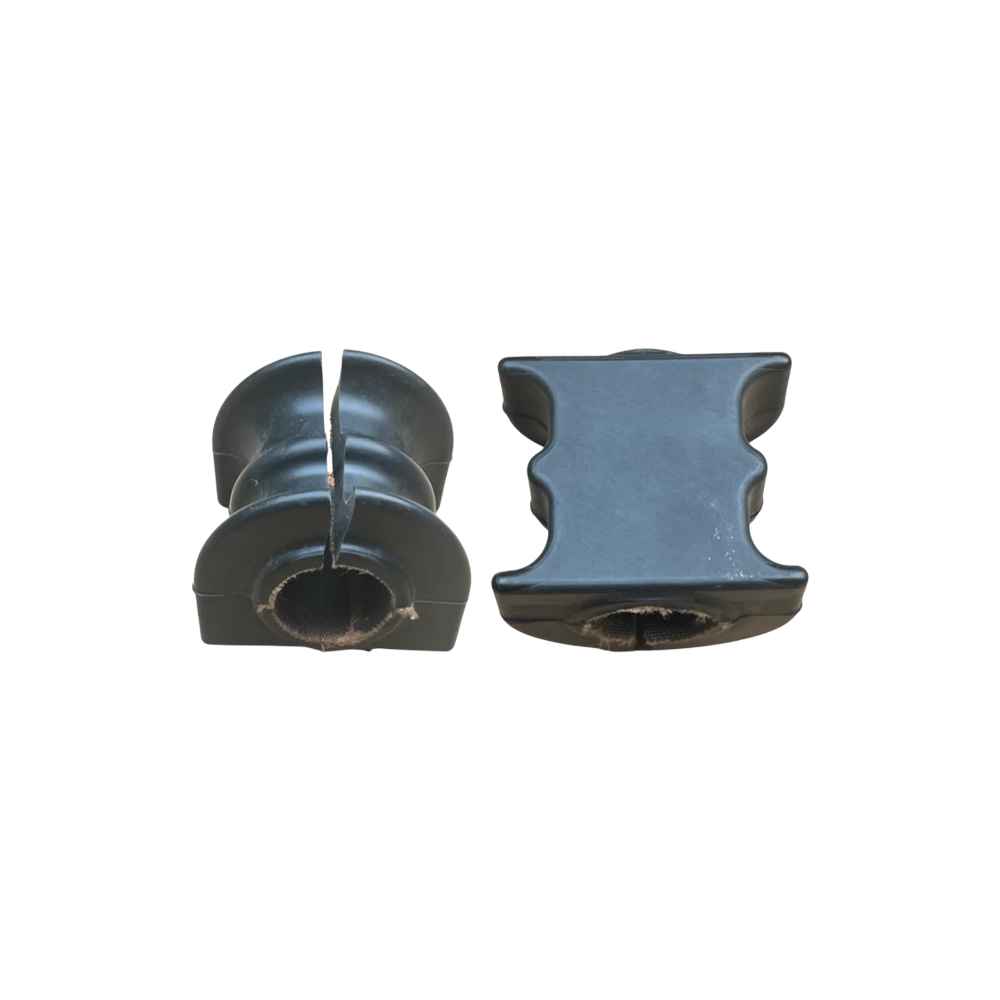
Incompatible material swelling is a critical issue faced by automotive engineers and technicians, particularly when dealing with suspension systems. This phenomenon occurs when certain materials, often rubber-based components, react adversely to fluids or environmental factors, leading to significant degradation and potential failure of system parts.
The Role of O-Rings and Rubber Sealing Rings
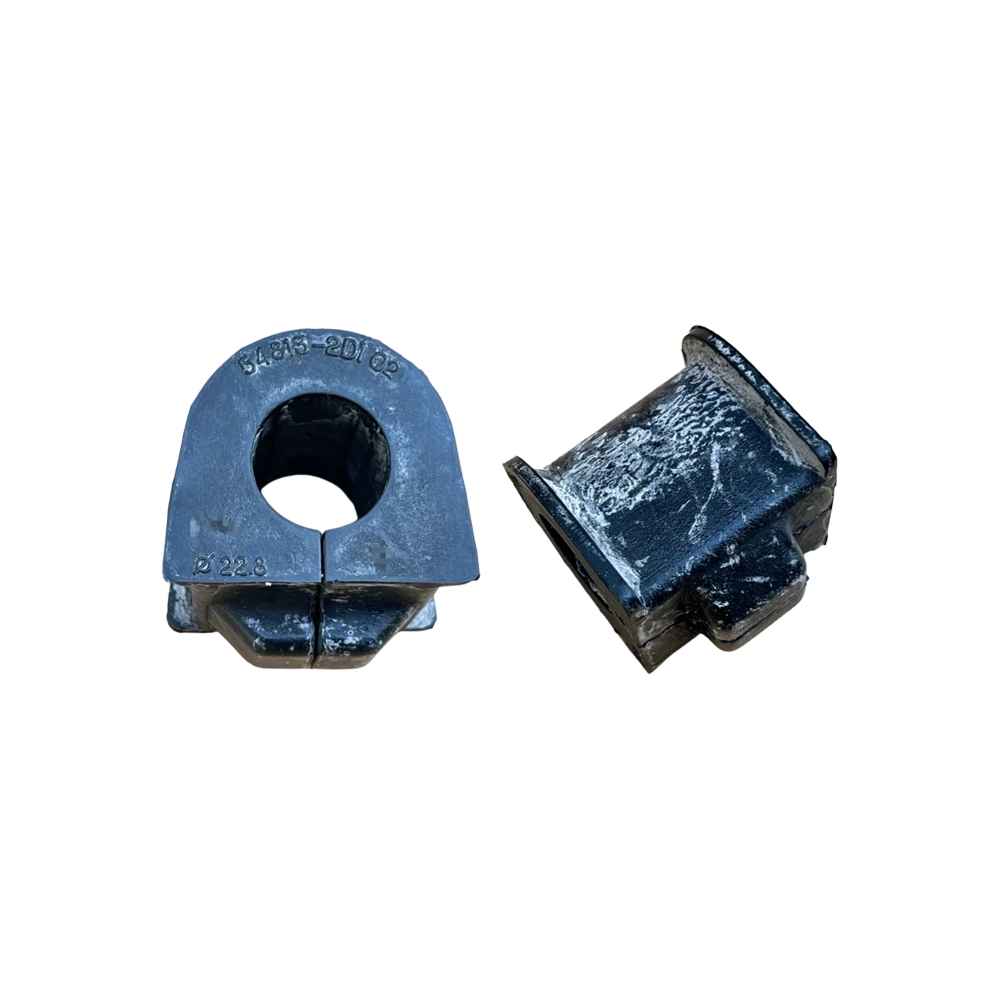
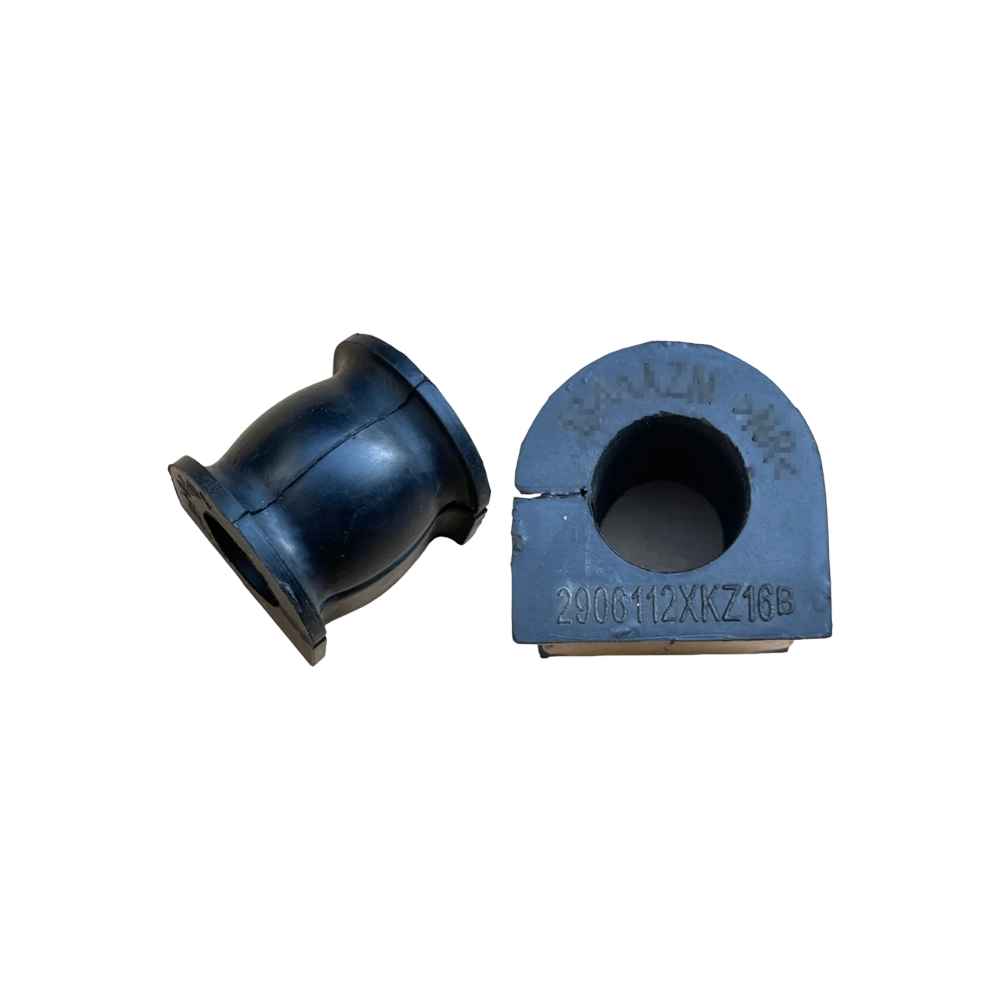
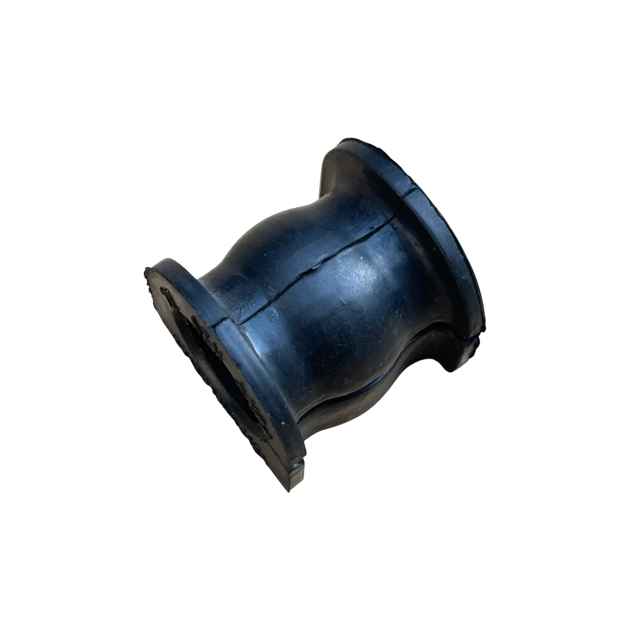
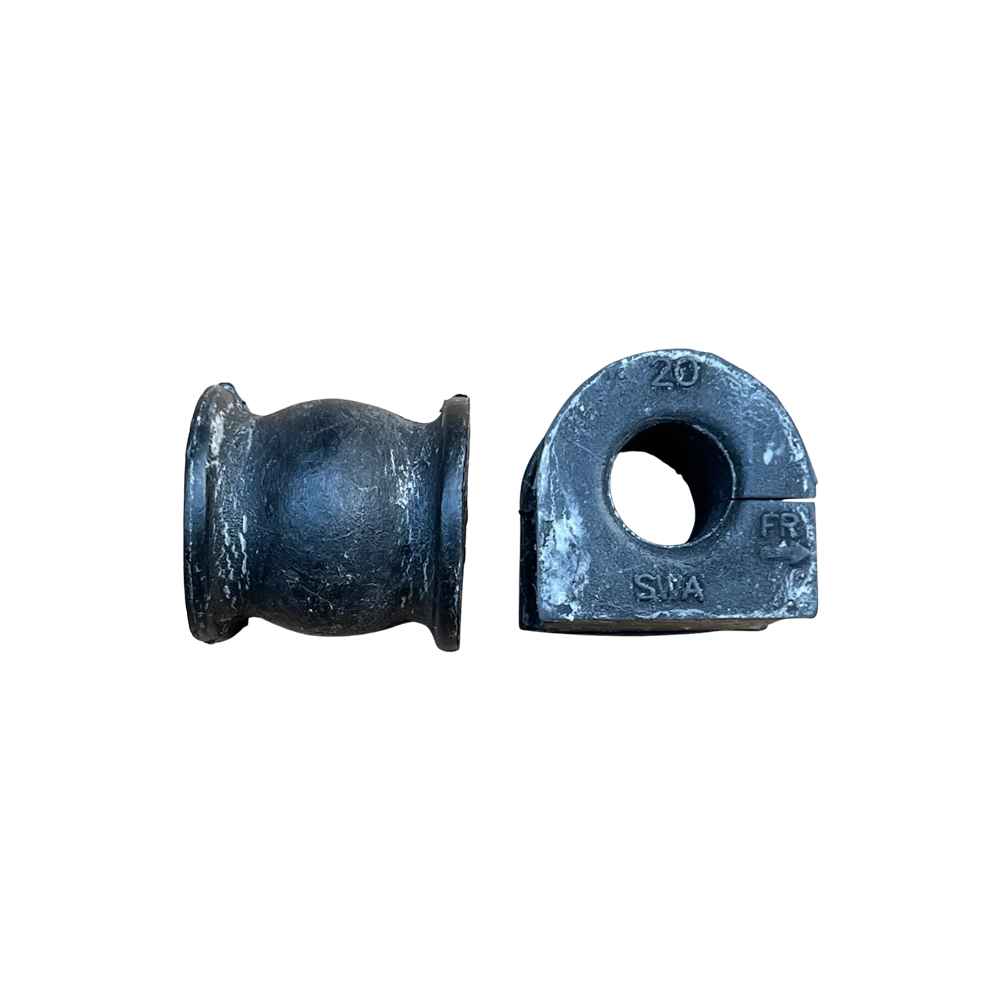
O-rings and rubber sealing rings play a vital role in maintaining the integrity of various components within suspension systems. These components are designed to create a tight seal, preventing the ingress of contaminants while retaining hydraulic fluids essential for smooth operation.
- Material Selection: The choice of elastomer is crucial; high-performance compounds are often required to resist swelling caused by exposure to oils, fuels, or other chemicals.
- Compatibility Testing: Before implementation, compatibility tests should be conducted to assess how different materials will perform under specific conditions.
Impact of Steering Gear Boots
Steering gear boots also contribute significantly to the prevention of incompatible material swelling. These protective coverings shield essential steering components from dirt and moisture, which can lead to accelerated wear and swelling of the underlying materials.
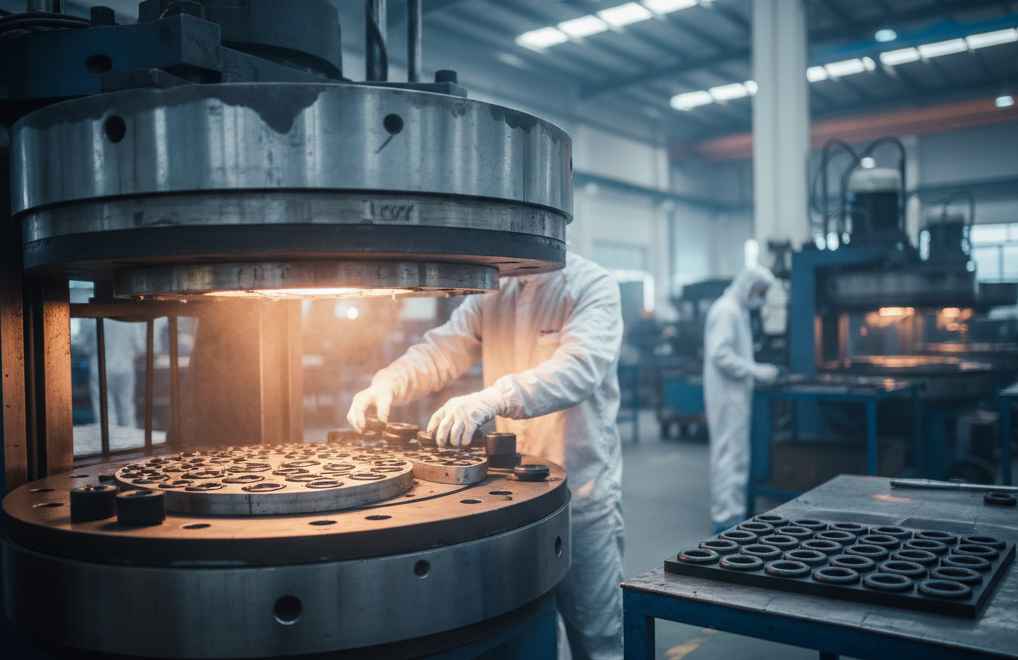
- Seal Integrity: A compromised steering gear boot can allow contaminants to enter the system, exacerbating swelling issues by introducing substances that degrade rubber compounds.
- Regular Inspection: Routine checks for punctures or tears in steering gear boots are imperative for sustaining their protective functions.
Addressing Material Swelling: Strategies and Solutions
To effectively mitigate the risks associated with incompatible material swelling, several strategies can be employed. Utilizing high-performance O-rings and rubber sealing rings, along with robust steering gear boots, is paramount.
High-Performance Materials
When selecting components like O-rings and rubber seals, opting for high-performance materials such as fluorocarbon or silicone rubber can greatly reduce the likelihood of swelling. These advanced materials possess superior resistance to thermal degradation and chemical exposure.
- Fluorocarbon Elastomers: Known for their exceptional resistance to a wide range of chemicals, these materials are ideal for applications involving exposure to aggressive fluids.
- Silicone Rubbers: With excellent temperature stability, silicone-based products can maintain flexibility even in extreme environments, reducing the risk of cracking and swelling.
Proper Installation Techniques
Beyond material selection, proper installation techniques are crucial in minimizing the chance of swelling. For instance, ensuring that O-rings and sealing rings are lubricated during installation can help prevent pinching or deformation, both of which can lead to leaks and swelling.
Monitoring Environmental Conditions
Suspension systems are often exposed to varying environmental conditions, including extreme temperatures and humidity levels. Monitoring these factors can provide valuable insights into potential swelling issues.
- Temperature Control: Maintaining optimal operational temperatures is essential. Excessive heat can exacerbate the effects of fluid exposure on rubber components.
- Humidity Management: High humidity levels can increase the likelihood of chemical reactions between dissimilar materials, hence periodic assessment of moisture levels around suspension systems is advisable.
Case Study: Guanghua's Innovations
In addressing material swelling in suspension systems, Guanghua has developed specialized products, focusing on high-performance O-rings and rubber sealing rings that cater to specific requirements. Their innovative solutions have successfully mitigated swelling issues in various automotive applications by employing state-of-the-art material technologies.
Testing and Validation
Rigorous testing protocols validate the efficacy of Guanghua’s components against common industry challenges, ensuring that they meet performance standards while offering a greater lifespan than conventional alternatives.
Implementation Examples
Real-world applications demonstrate how integrating high-quality components from Guanghua can significantly enhance the durability of steering gear boots and suspension system elements. By proactively addressing material compatibility and swelling, automotive manufacturers have reported improved reliability and reduced maintenance costs.
Conclusion
Effectively solving the issue of incompatible material swelling in suspension systems necessitates a comprehensive approach, encompassing superior material selection, meticulous installation practices, and ongoing environmental monitoring. By leveraging high-performance O-rings, rubber sealing rings, and steering gear boots, automotive professionals can ensure longer-lasting and more reliable vehicle performance.