Understanding Material Compatibility Issues
In various engineering applications, the compatibility of materials under different environmental conditions is crucial. Incompatibilities can lead to material swelling, significantly impacting the functionality and durability of components. This concern is particularly evident when dealing with elastomers and other polymeric materials, which may undergo undesirable changes when exposed to heat or certain chemicals.
What is ACM?
Acrylic Modified Rubber (ACM) is a type of synthetic rubber that exhibits excellent heat resistance and resilience against various environmental factors. Its unique chemical structure allows it to withstand high temperatures, making it a preferred choice for applications where traditional rubber would fail. Unlike conventional rubbers, ACM maintains its physical properties even under extreme conditions, hence offering a viable solution to swelling issues.
Properties of Heat-resistant ACM
- High Temperature Resistance: ACM can perform effectively in environments exceeding 150°C, which makes it suitable for automotive and industrial applications.
- Chemical Resistance: It shows good resistance to oils, fuels, and solvents, reducing the risk of swelling due to chemical exposure.
- Durability: The material displays excellent wear and abrasion resistance, prolonging the service life of components.
Causes of Material Swelling
Material swelling can occur due to several factors, often driven by environmental interactions. The primary causes include:
- Heat Exposure: Prolonged exposure to high temperatures can cause some materials to expand, resulting in deformation.
- Chemical Interactions: Certain substances may react with polymers, leading to volume changes and loss of mechanical integrity.
- Moisture Absorption: Water ingress can also lead to swelling, especially in hydrophilic materials.
Mitigating Incompatibilities with ACM
To address the issue of incompatible material swelling, integrating heat-resistant ACM into design considerations provides multiple advantages. Here’s how ACM can be utilized effectively:
Material Selection
When designing components, selecting ACM over less durable materials reduces the likelihood of swelling. For instance, using ACM for seals and gaskets in engines can prevent leakage associated with thermal expansion.
Proper Sealing Techniques
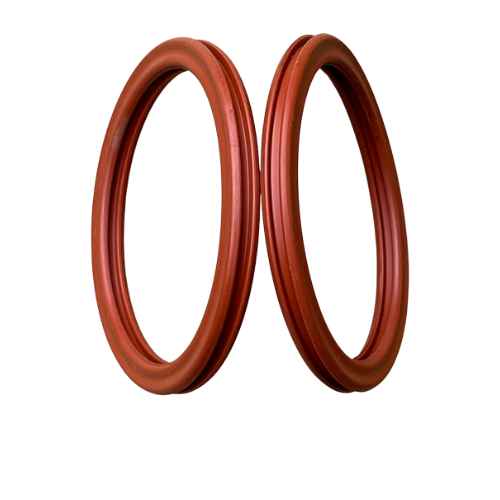
Employing proper sealing methods, such as using O-Rings & Rubber Sealing Rings made from ACM, ensures that joints are tight and resistant to swelling effects. This not only enhances reliability but also extends the lifespan of the mechanical assemblies.
Testing and Validation
Conducting thorough testing under operational conditions is paramount. Before full-scale implementation, prototypes should be subjected to temperature variations and chemical exposures to observe potential swelling behaviors. This approach helps in identifying any weaknesses in combinations of materials used.
Applications of Heat-resistant ACM
ACM's versatility makes it applicable in various industries, including:
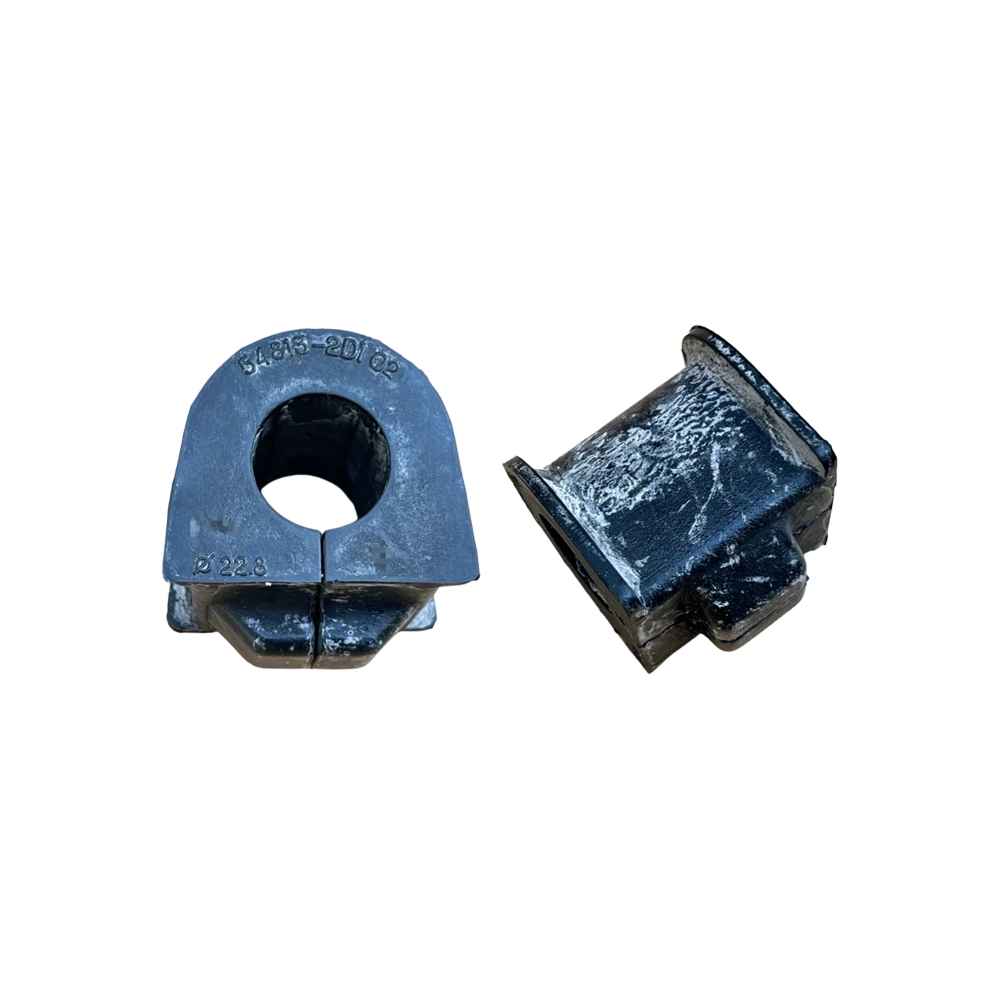
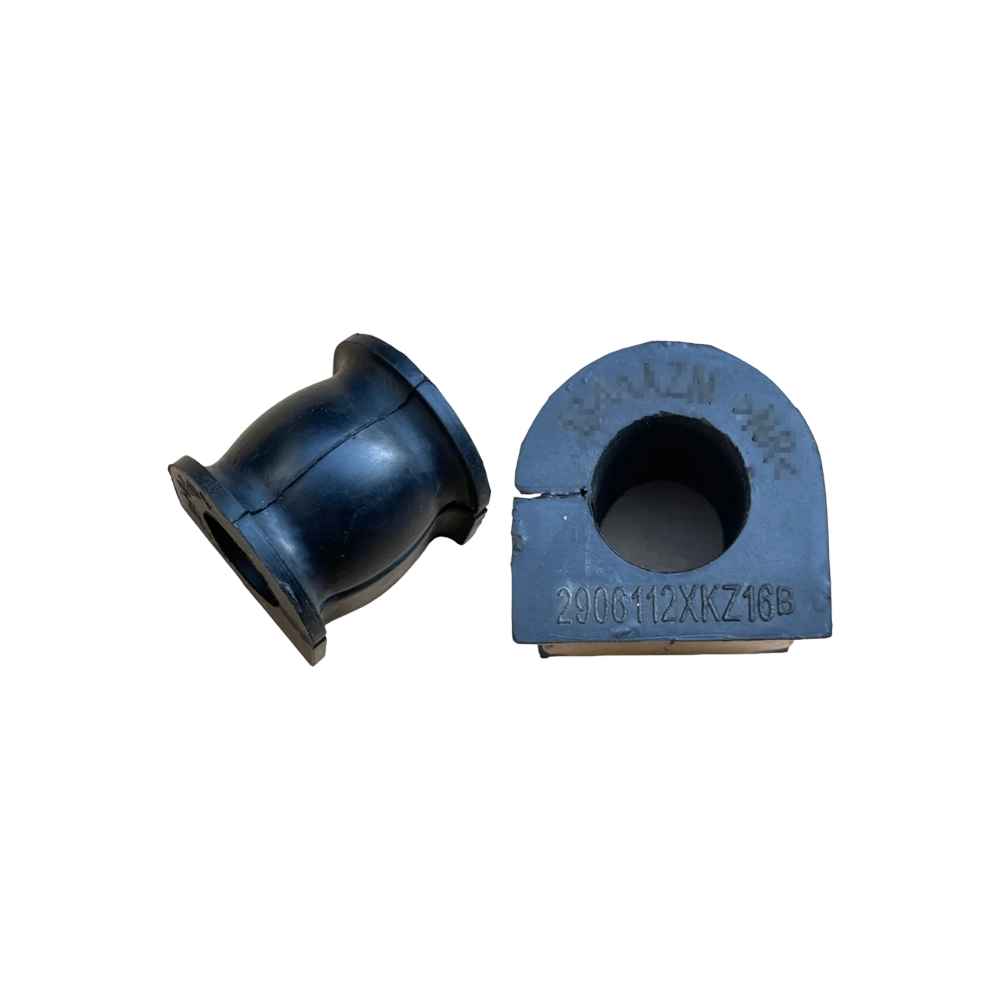
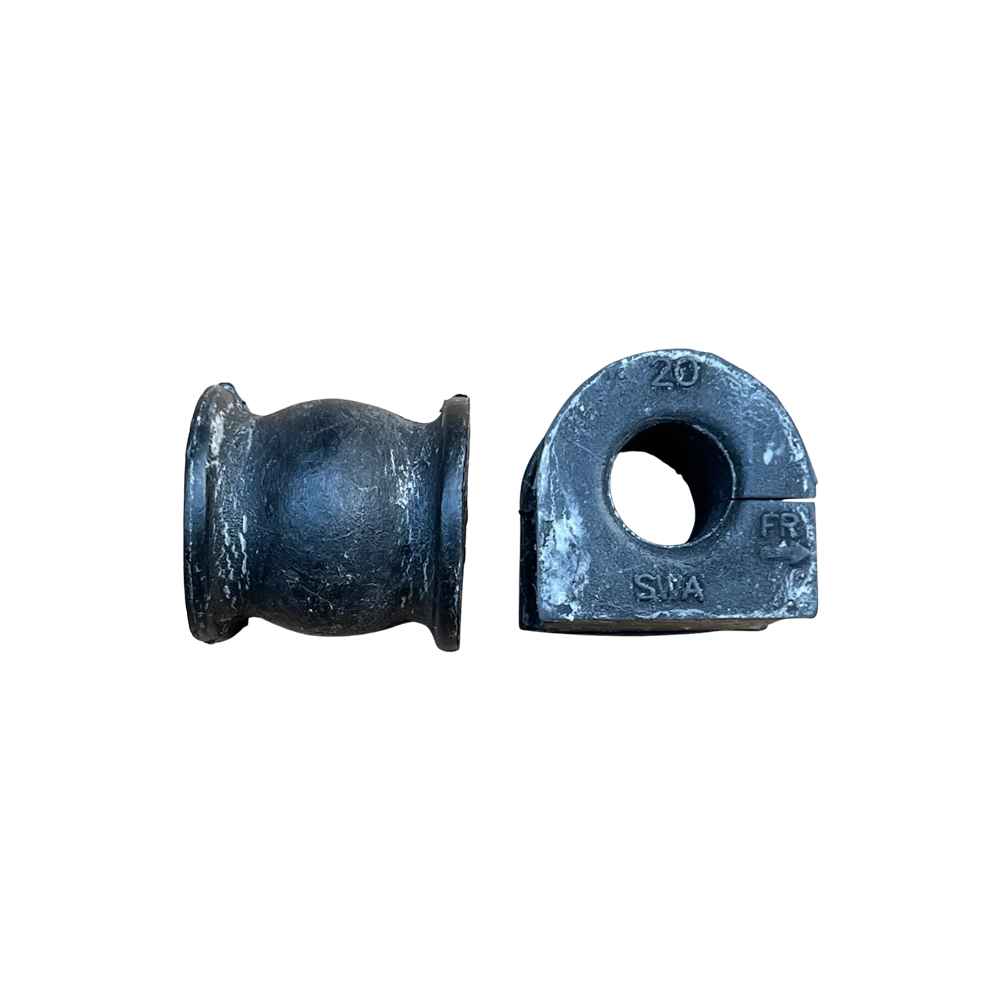
- Automotive Sector: Used for manufacturing CV Joint Boots, Steering Rack Boots , and Shock Absorber Boots due to their heat-resistant properties.
- Aerospace Industry: Ideal for seals and gaskets that must endure high temperatures and pressure fluctuations.
- Oil and Gas: Effective in downhole applications where exposure to harsh chemicals is common.
Conclusion on Using ACM
Adopting heat-resistant ACM is a strategic move for engineers seeking to solve issues related to material incompatibility and swelling. By understanding the properties and applications of ACM, manufacturers can mitigate risks associated with material failure, thus ensuring reliable performance in demanding environments.
Brands like Guanghua have been at the forefront of developing advanced ACM products, enhancing the choices available for engineers faced with material compatibility challenges.