
Understanding Material Swelling
Material swelling occurs when various components within a system expand due to absorption of fluids or gases. This phenomenon can lead to significant performance issues in mechanical assemblies, especially when dealing with incompatible materials that react adversely under certain conditions.
Causes of Incompatible Material Swelling
The primary cause of incompatible material swelling is the interaction between different materials which may include rubber, plastics, or metals. When these materials come into contact with oil, water, or other chemicals, they may absorb these substances, leading to increased volume and, consequently, malfunctioning of the assembly.
- Chemical Reactions: Some materials are susceptible to chemical reactions that result in swelling.
- Temperature Fluctuations: Variations in temperature can exacerbate the swelling effect.
- Pressure Changes: Increased pressure can force materials to absorb more fluid, enhancing swelling.
Identifying Affected Components
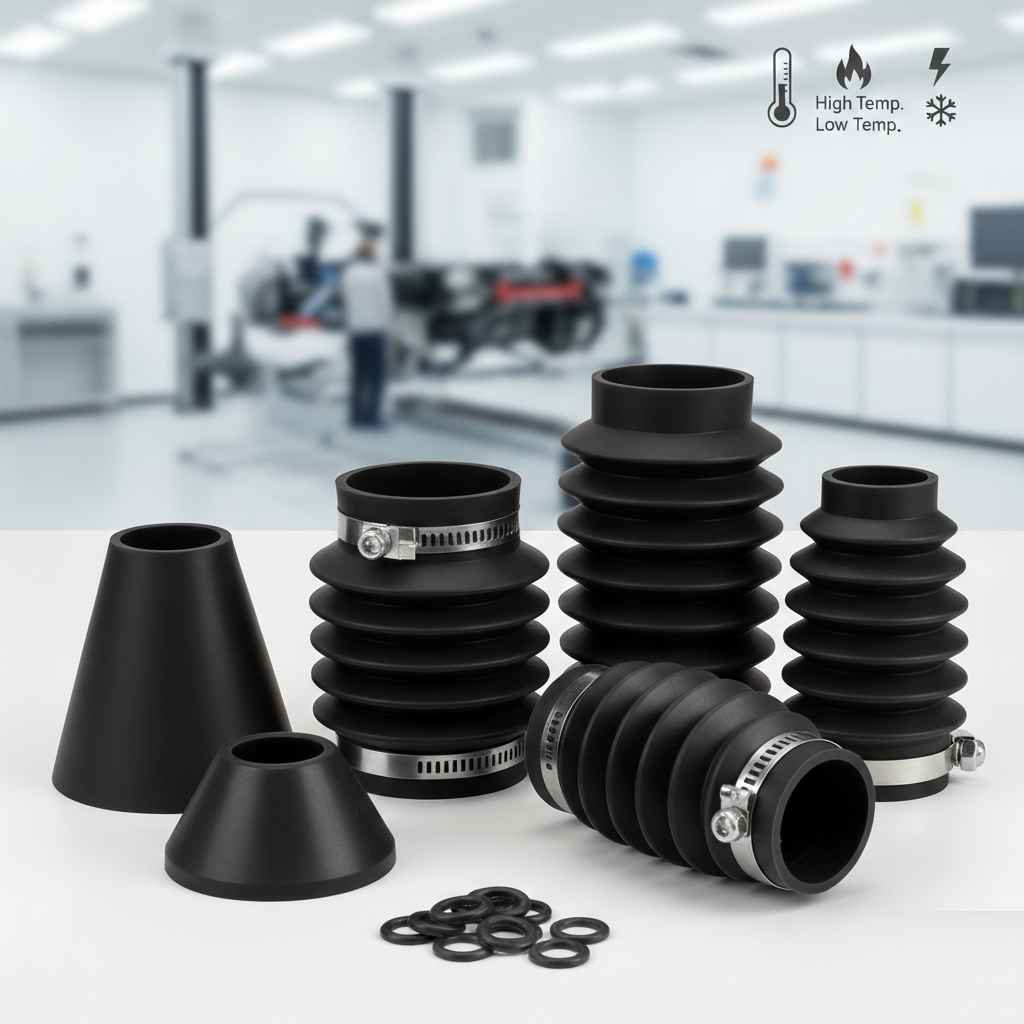
To effectively address material swelling, it is crucial to identify which components are affected. Common parts that experience swelling include boot seals, such as CV Joint Boots and Steering Rack Boots , along with rubber sealing rings like O-rings . Each part plays a vital role in maintaining the overall integrity of the system.
Evaluating the Compatibility of Materials
Before selecting materials for production, an evaluation of their compatibility is essential. Consider using materials that have established resistance to swelling, particularly in critical applications like automotive or industrial machinery. For instance, incorporating synthetic rubber compounds often yields better results compared to traditional rubber.
Methods to Address Incompatible Material Swelling
Material Replacement
If certain components are consistently swelling beyond acceptable limits, replacing them with compatible materials may be necessary. This might involve sourcing parts from reputable manufacturers such as Guanghua , known for their durable and high-quality products, including Shock Absorber Boots and stabilizer bar bushings .
Barrier Methods
Implementation of barrier methods can also be effective. Applying coatings or sealants that prevent direct contact between incompatible materials can mitigate swelling. For example, using specialized grease on valve cover gaskets can provide a protective layer against fluids that might otherwise cause expansion.
Monitoring Environmental Conditions
Regular monitoring of environmental conditions is paramount. Keeping track of temperature and humidity levels in operational settings can preemptively address potential swelling issues before they escalate. Employing sensors that alert operators to changing conditions may offer additional protection against unexpected material behavior.
Maintenance Practices
Routine Inspections
Conducting routine inspections of every component involved in the assembly is vital. By regularly checking for signs of wear or swelling, one can catch potential failures early. Pay particular attention to areas where different materials interact, as these are often the most vulnerable.
Proper Installation Techniques
Ensuring that all components are installed correctly can greatly reduce the risk of swelling. Misalignments or improper fittings can create stress points that contribute to the problem. Utilize appropriate installation tools and techniques to maintain the integrity of joints and seals.
Conclusion
Addressing incompatible material swelling requires a multifaceted approach that includes understanding the underlying causes, evaluating material compatibilities, and implementing effective maintenance practices. By staying proactive and informed, one can significantly minimize the risks associated with this common issue in various mechanical systems.







