Understanding the Problem of Incompatible Material Swelling
In the automotive industry, steering components are critical for ensuring vehicle control and safety. Among these components, the steering rack boot plays a vital role in protecting the steering mechanism from dirt, debris, and moisture. However, one major issue that often arises is material swelling due to incompatible materials used in manufacturing. This phenomenon can lead to premature failures and costly repairs.
What Causes Material Swelling?
Material swelling occurs when certain rubber compounds react adversely with other materials or substances they come in contact with. This can be attributed to:
- Chemical Compatibility: Some rubber materials are sensitive to oils, fuels, and other chemicals that are commonly found in vehicles.
- Temperature Fluctuations: Extreme temperature changes can cause certain materials to swell or contract at different rates, leading to a poor fit.
- Moisture Absorption: Certain rubbers absorb water, which can cause expansion and loss of integrity over time.
Identifying Symptoms of Swelling
Recognizing the symptoms of incompatible material swelling early on can save time and money in repairs. Look out for:
- Visible bulging or distortion of the steering rack boot.
- Cracks or splits around the seams of the boot.
- A decrease in steering responsiveness, indicating potential damage to internal components.
Solutions to Combat Material Swelling
Addressing the problem of incompatible material swelling requires a multi-faceted approach. Here are some strategies that can effectively mitigate this issue:

Selecting the Right Materials
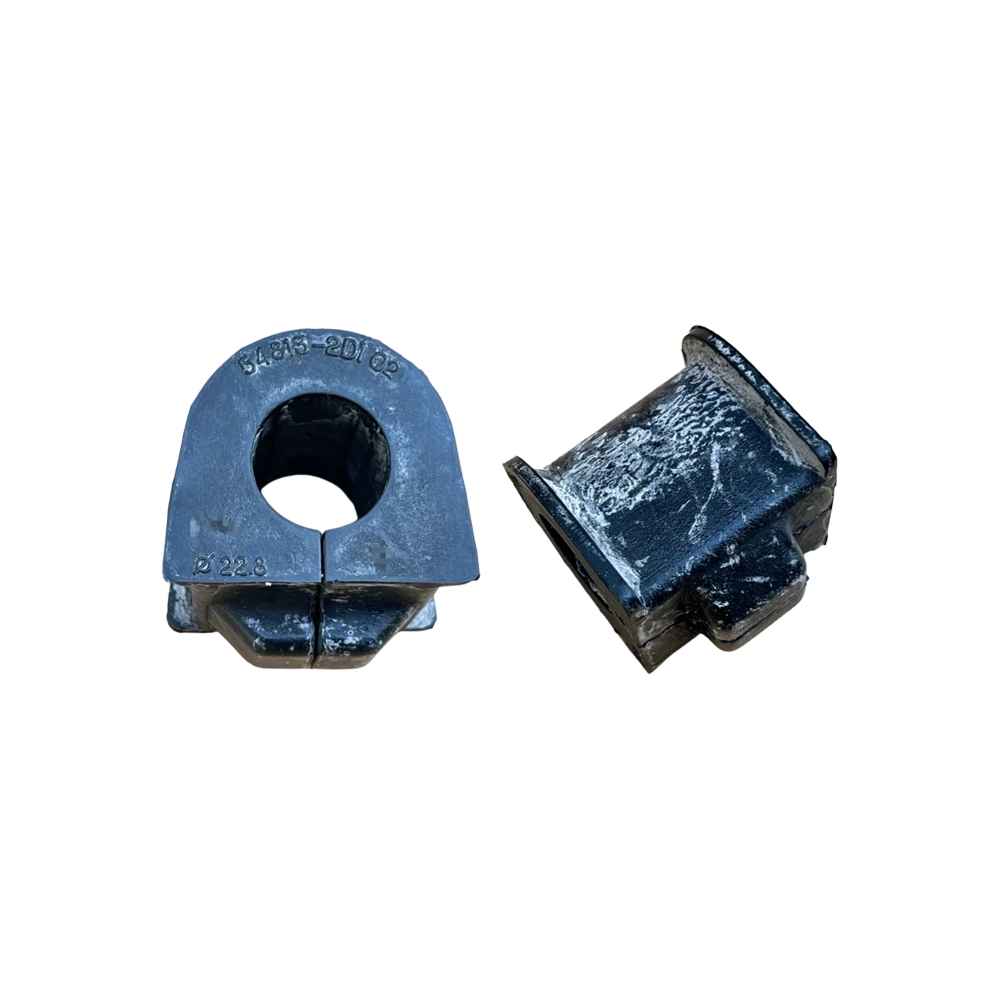
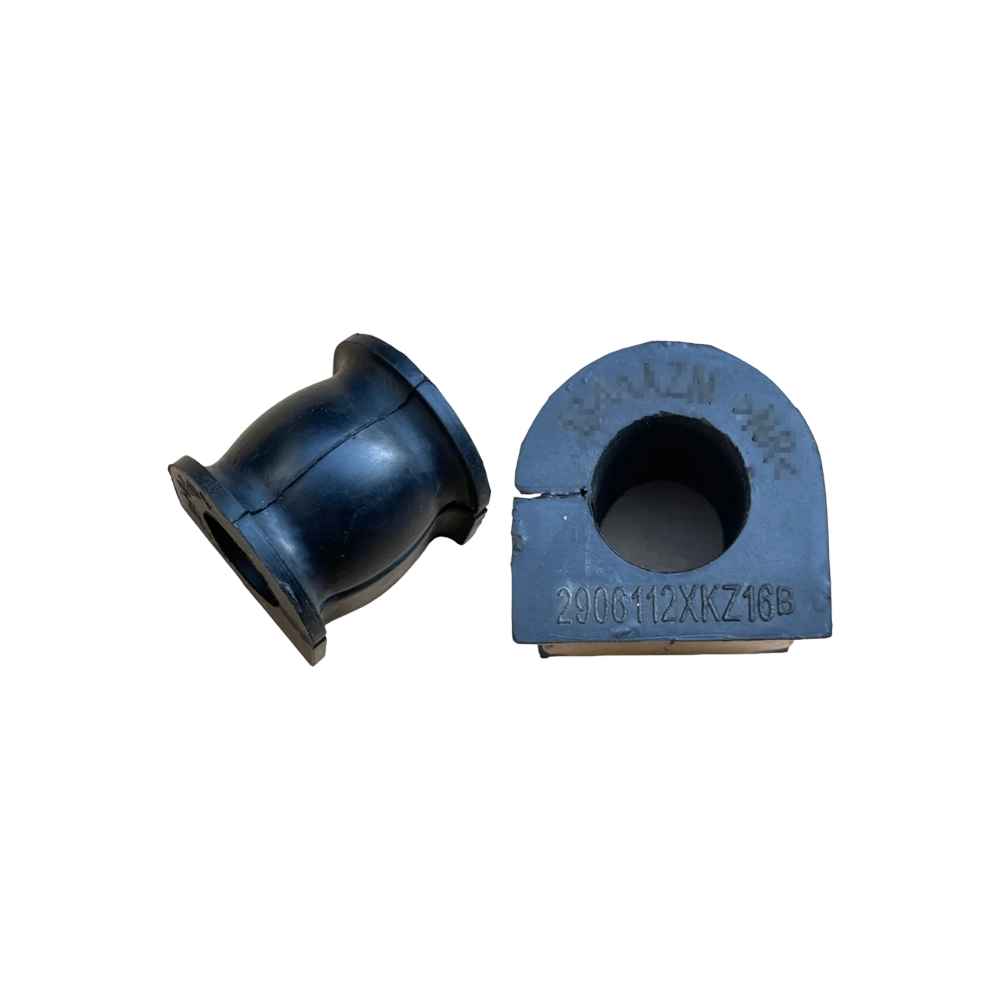
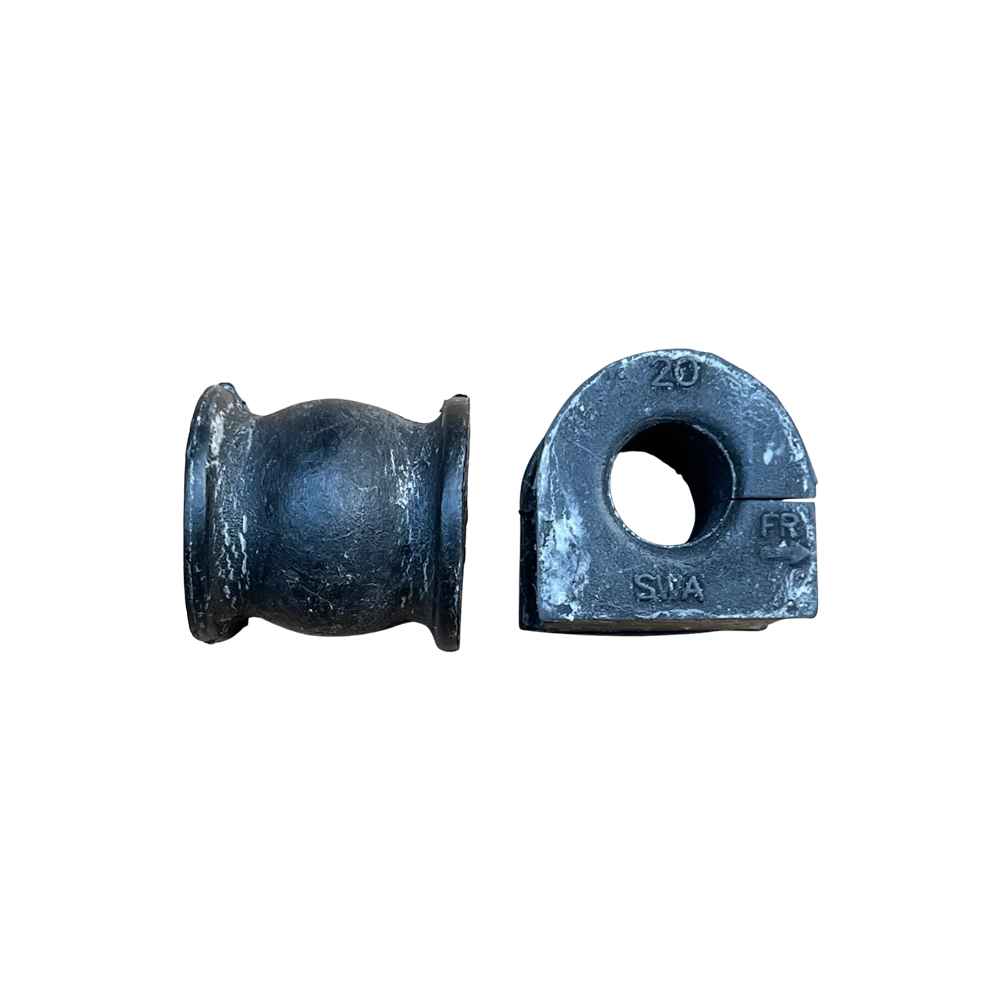
When replacing Steering Rack Boots , it’s crucial to choose high-quality materials that exhibit low swelling characteristics. For instance, synthetic rubbers designed specifically for automotive use can resist chemical exposure and temperature variations better than standard rubber. Brands like Guanghua offer a range of products tailored to endure harsh conditions, making them an excellent choice for steering applications.
Proper Installation Techniques
The installation process can also affect the performance and longevity of the steering rack boot. Ensure that:
- All surfaces are clean and free from contaminants before fitting.
- The boot is secured tightly to avoid any gaps where moisture could enter.
- Use appropriate clamps that provide even pressure without risking damage to the boot material.
Regular Maintenance Checks
Performing routine inspections can catch problems before they escalate. Regularly check the condition of steering components, especially after off-road use or exposure to extreme weather conditions. Look for signs of wear and tear in the steering rack boot, such as cracks or discoloration, that may indicate swelling.
Dealing with Existing Swelling
If you encounter swollen Steering Rack Boots , immediate action is essential to prevent further damage. Here are steps you can take:
- Assessment: Inspect the boot for any cracks or leaks. If the swelling is significant, replacement may be necessary.
- Replacement: Opt for high-quality replacements, such as those produced by Guanghua, which are designed to withstand environmental stressors.
- Component Cleaning: Before installing new boots, clean the steering rack thoroughly to remove any residue from the previous materials.
Using Compatible Accessories
In addition to the steering rack boot, consider the surrounding accessories such as O-Rings & Rubber Sealing Rings , which must also be compatible with the main boot material. Mismatched components can exacerbate issues related to swelling and lead to further complications down the line.
Conclusion: The Importance of Quality Components
Ultimately, preventing incompatible material swelling in steering rack boots hinges on selecting quality components and practicing proper maintenance. By investing in products like those offered by Guanghua and adhering to best practices in installation and inspection, you can significantly extend the lifespan of your steering system and enhance overall vehicle safety.