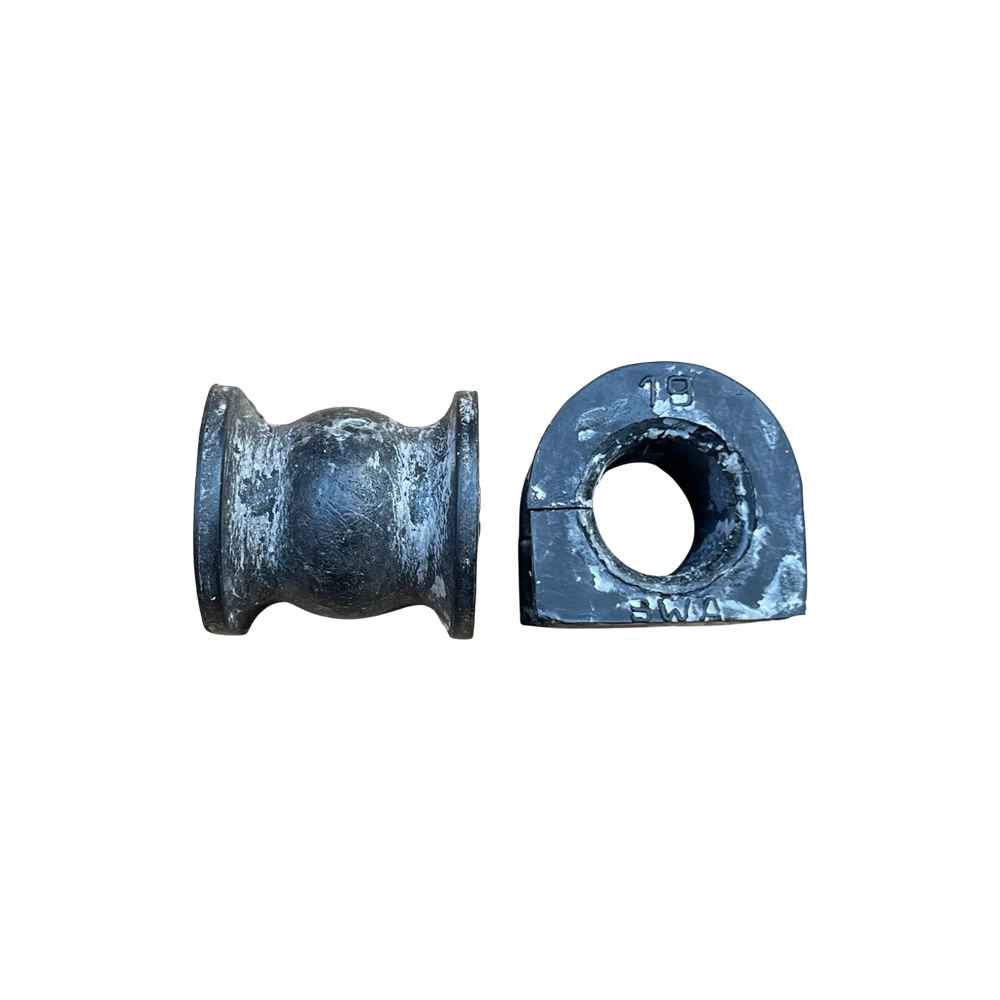
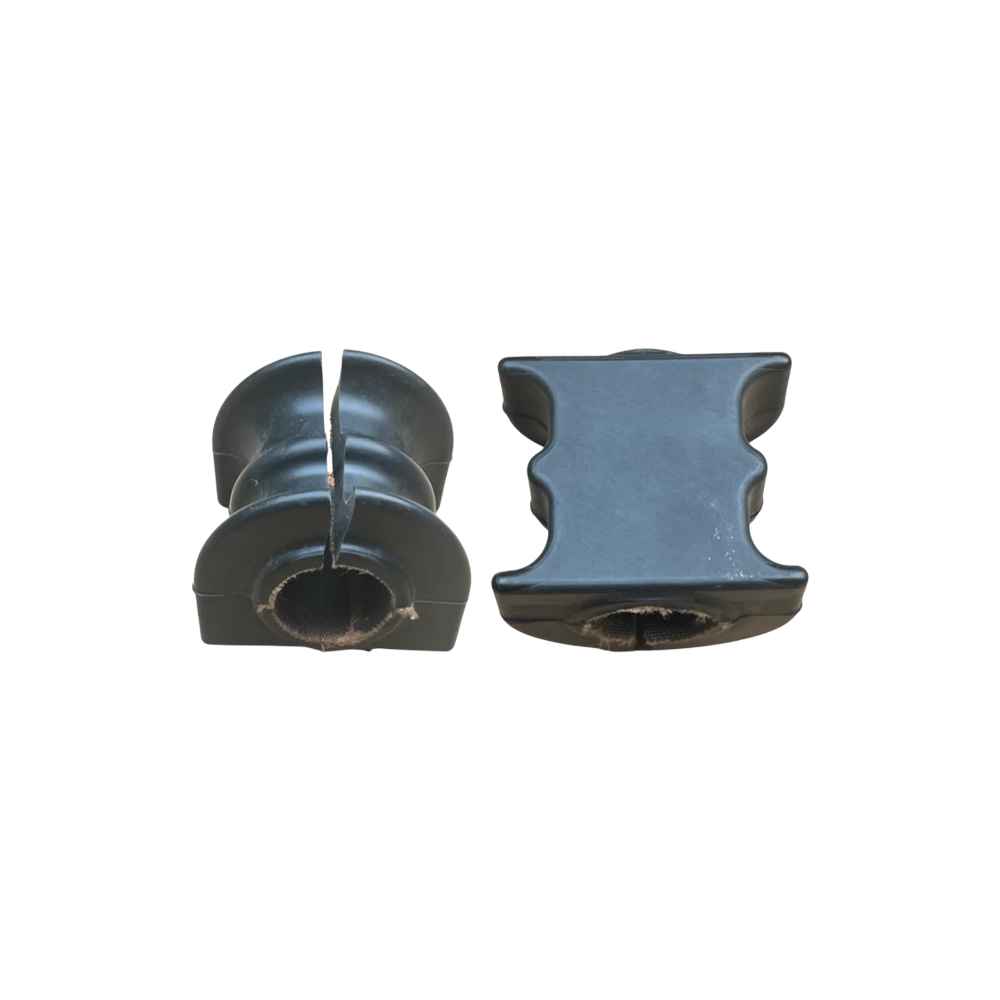
Understanding Valve Cover Seals and Their Compatibility
The valve cover seal plays a pivotal role in ensuring the integrity of an engine's lubrication system. A proper seal prevents oil leaks while also protecting against dirt and debris entering the engine. However, incompatibilities between materials can lead to swelling, which ultimately compromises the seal’s effectiveness.
Common Causes of Incompatible Material Swelling
Incompatibility generally arises from chemical reactions between the seal material and various engine oils or additives. Here are some prevalent factors:
- Oil Composition: The additive packages found in modern synthetic oils can react adversely with certain rubber compounds used in seals.
- Temperature Extremes: High temperatures can exacerbate the swelling effect, particularly in environments where the engine runs consistently hot.
- Environmental Factors: Exposure to ozone and UV radiation can weaken seal materials, making them more prone to swelling.
Material Selection for Valve Cover Seals
Choosing the right material is crucial for maintaining compatibility and preventing swelling. While traditional rubber seals have been widely used, alternatives such as silicone rubber offer better resistance to both heat and chemical degradation. For instance, brands like Guanghua specialize in producing high-quality seals that adhere to stringent performance standards.
Identifying Symptoms of Seal Failure
Recognizing the signs of valve cover seal failure can save time and resources in the long run. Some common symptoms include:
- Oil Leaks: Observable oil dripping from the valve cover area is often the first indicator.
- Performance Issues: An engine may exhibit misfiring or poor performance if oil contamination affects ignition systems.
- Swollen Seals: Physical inspection can reveal visibly swollen or misshapen seals, signaling material incompatibility.
Mitigation Strategies for Incompatible Material Swelling
There are several strategies engineers and mechanics can employ to mitigate this issue effectively:

- Material Testing: Conducting comprehensive compatibility tests can aid in selecting appropriate materials for seals.
- Regular Maintenance: Routine checks on oil quality and condition can help identify problems before they escalate into significant issues.
- Upgrading Components: If incompatible materials have been used, consider switching to higher-quality seals, such as those made by Guanghua, known for their durability.
Replacement Options for Valve Cover Seals
When replacing valve cover seals, it's essential to choose products specifically designed to withstand the engine's operating conditions. O-Rings & Rubber Sealing Rings are excellent options for achieving a tight seal without compromising material integrity.
Additional Considerations: Other Engine Boots
While valve cover seals are critical, other components such as CV Joint Boots and Steering Rack Boots also play important roles in an engine's overall functionality. These components should be regularly inspected and replaced as needed to prevent fluid leaks and maintain optimal performance.
Conclusion
Addressing incompatible material swelling in valve cover seals requires a multifaceted approach, encompassing material selection, regular maintenance, and timely replacement. Awareness of potential issues, combined with proactive measures, can significantly enhance engine longevity and performance.