Understanding Oil Seepage in Suspension Systems
Oil seepage and leakage within suspension systems can manifest as a significant concern for vehicle performance and safety. Often stemming from worn-out components or compromised seals, such issues not only affect ride quality but can also lead to further mechanical failures if left unaddressed.
Common Causes of Oil Leakage
There are several common causes of oil leaks in suspension systems, including:

- Damaged Seals: Over time, rubber sealing elements like O-Rings & Rubber Sealing Rings can degrade, leading to fluid loss.
- Poor Installation: Incorrectly fitted components may not seal properly, resulting in leaks.
- Wear and Tear: Constant friction and pressure can wear out parts, particularly in high-performance applications.
Sway Bar Functionality and Importance
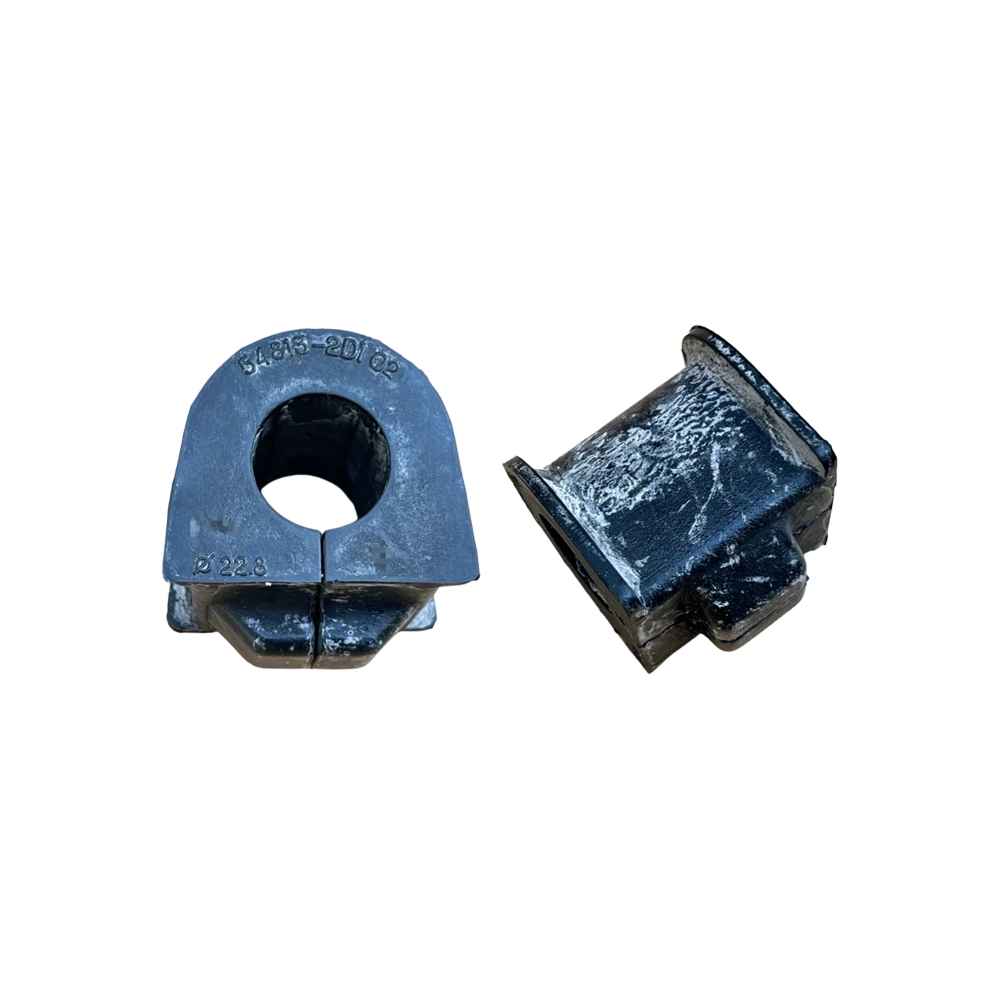
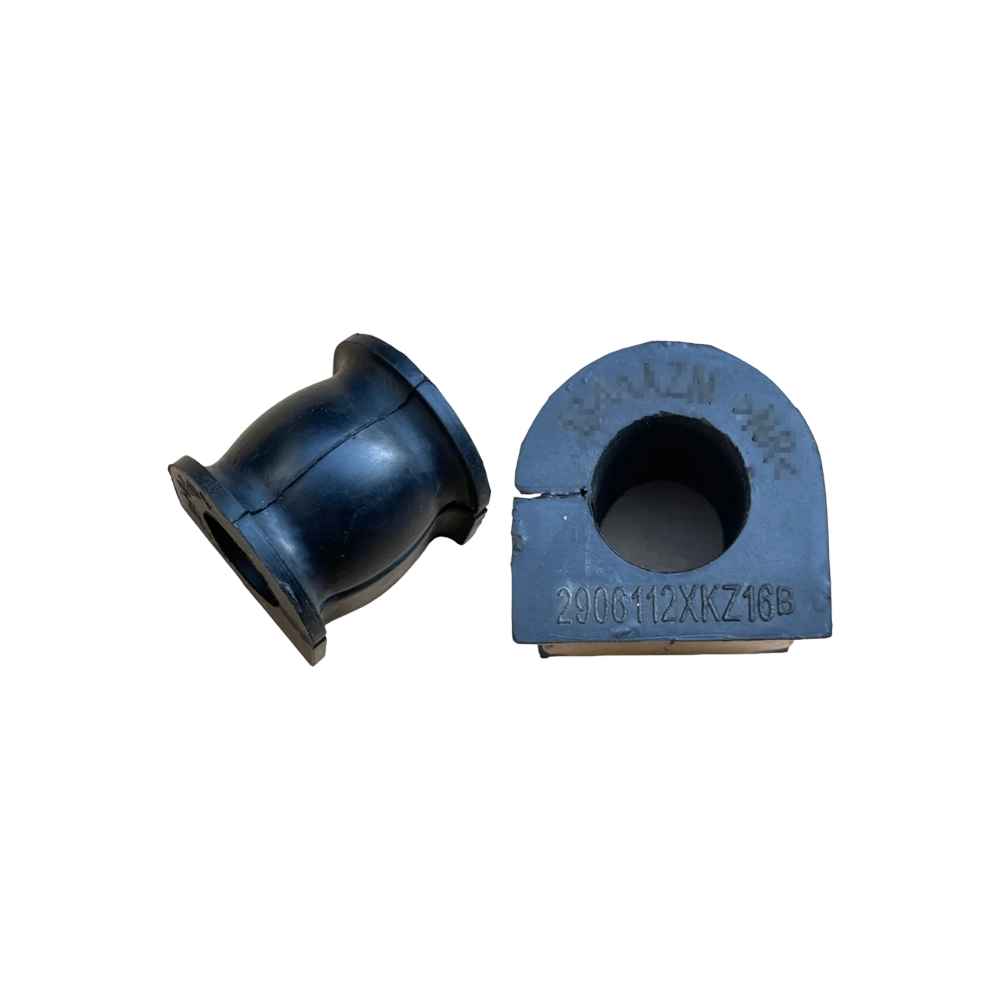
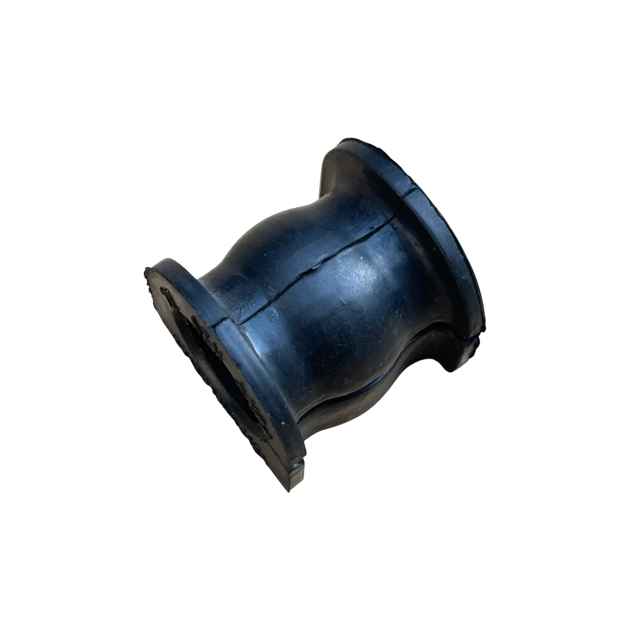
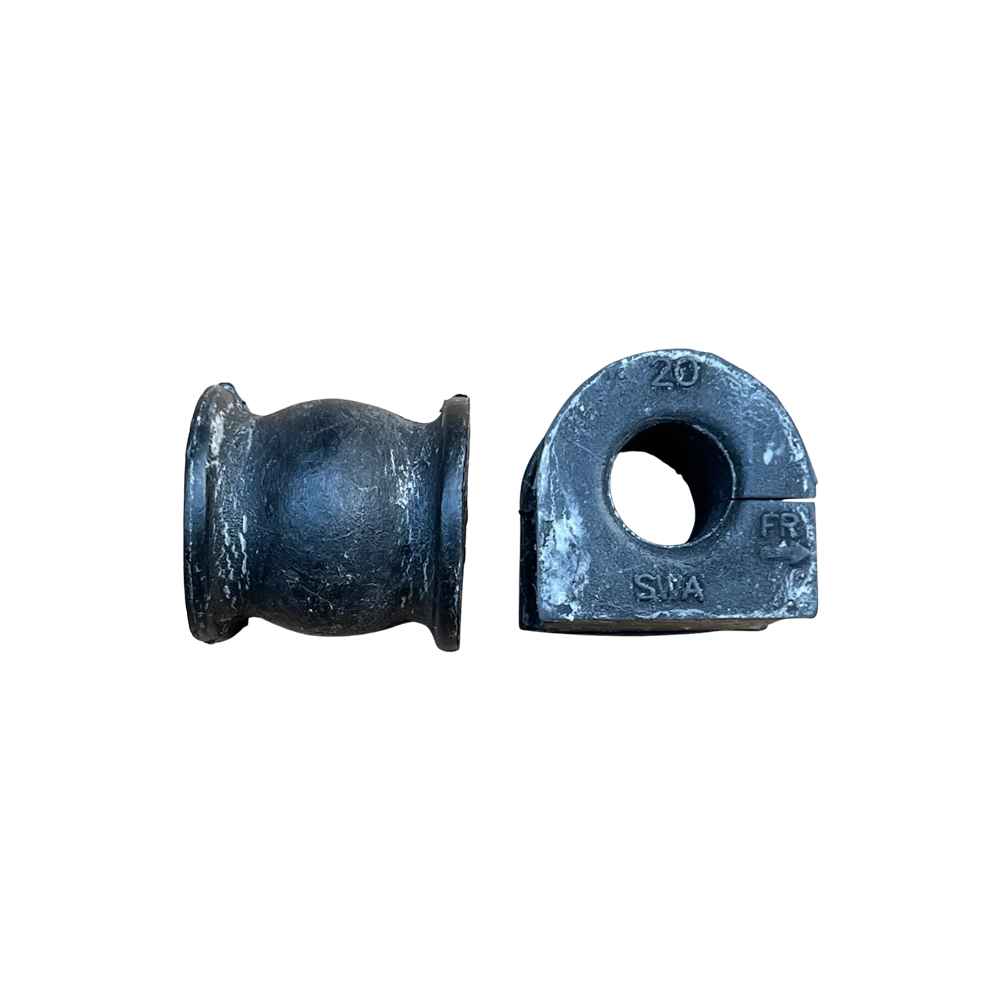
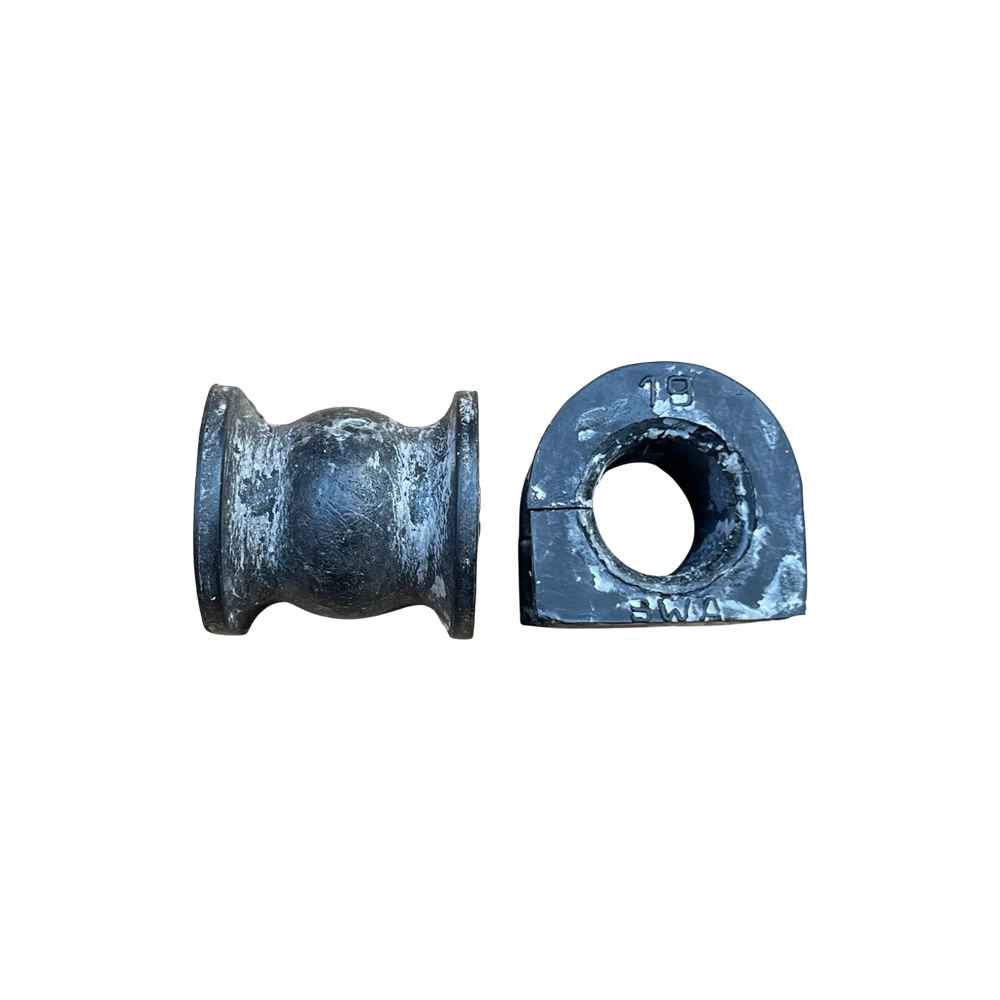
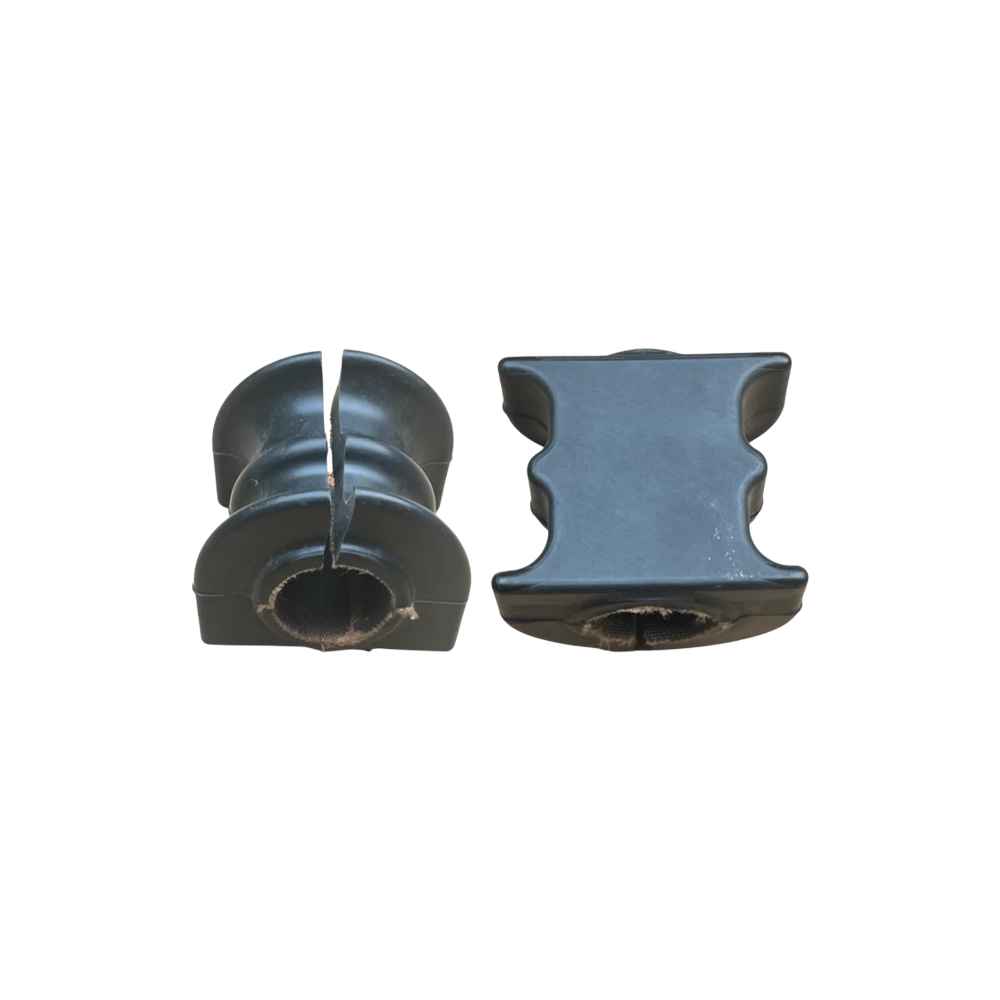
The sway bar, also known as a stabilizer bar, plays a crucial role in handling and stability by reducing body roll during cornering. High-performance front or rear sway bars can enhance overall vehicle dynamics, yet they must be paired with robust components to prevent any oil seepage or leakage.
Identifying Signs of Oil Leakage
Detection of an oil leak can often be straightforward; visible signs include:
- Oil spots on the ground where the vehicle is parked.
- Lower than normal levels of hydraulic fluid.
- An unusual odor indicating oil presence within the engine compartment.
Hydraulic Steering System Vulnerabilities
In conjunction with sway bars, hydraulic steering systems are vital for smooth maneuverability. However, these systems can also suffer from oil leakage due to:
- Worn Steering Rack Boots , which protect sensitive components from contaminants.
- Old or damaged hydraulic lines that can develop cracks over time.
Upgrading to high-quality Steering Rack Boots can greatly reduce the risk of leaks and ensure efficient operation.
Solutions for Oil Seepage and Leakage
To effectively combat oil seepage and leakage in suspension systems, consider the following strategies:
- Component Replacement: If specific parts, such as valve cover gaskets or shock absorber boots, show signs of wear, replacing them promptly can mitigate further damage.
- Regular Maintenance: Routine inspections and maintenance checks can identify potential issues before they escalate. Brands like Guanghua offer reliable replacement parts designed for extended durability.
- Upgrade Components: Investing in high-performance sway bars and hydraulic steering systems will not only improve handling but also help in minimizing oil leakage risks.
Sealing Techniques for Enhanced Performance
Utilizing advanced sealing technologies is crucial. Employing high-performance materials when replacing O-Rings & Rubber Sealing Rings ensures a tighter fit and better resistance against hydraulic fluid degradation, thereby reducing the likelihood of seepage.
Monitoring and Assessment Practices
Implementing a consistent monitoring system is essential for early identification of oil leaks. Utilizing diagnostic tools can assist in pinpointing the source of any fluid loss, allowing for more efficient repairs.
Future-Proofing Your Suspension System
When looking to future-proof your vehicle's suspension system, consider investing in enhanced sway bars and hydraulic steering setups. Not only do these upgrades provide improved handling, but they also incorporate durable materials that withstand the rigors of everyday driving.
Conclusion: The Path to a Leak-Free Suspension
Addressing oil seepage and leakage in your vehicle’s suspension system requires a multifaceted approach encompassing regular maintenance, component upgrades, and vigilant monitoring. With the right strategy and quality materials, notably those from trusted brands like Guanghua, one can safeguard their suspension system against oil-related issues while ensuring optimal performance.