Understanding Oil Seepage and Leakage in Suspension Systems
The issue of oil seepage and leakage within automotive suspension systems is a common yet critical concern for vehicle performance. When oil escapes from the system, it not only hampers its efficiency but also leads to further wear and tear, potentially resulting in costly repairs and diminished safety on the road.
Common Causes of Oil Leakage
Several factors can contribute to oil leakage in suspension systems. These include:
- Worn-out seals or gaskets, including O-Rings & Rubber Sealing Rings
- Damaged components such as CV Joint Boots and Steering Rack Boots
- Improper installation or maintenance practices
- Environmental wear due to exposure to extreme temperatures and road conditions
The Role of High-Performance Seals
To combat oil seepage effectively, high-performance sealing solutions are essential. O-Rings and Rubber Sealing Rings are particularly advantageous due to their durability and ability to maintain a tight seal under varying pressures and temperatures. These seals are designed to accommodate the unique demands of suspension systems, ensuring that fluid retention is optimized, thereby preventing leaks.
Identifying Leakage Symptoms
Before proceeding with any solutions, it's crucial to identify symptoms indicative of oil leakage. Common signs include:
- Visible oil spots on the ground beneath the vehicle
- Unusual noises from suspension components, indicating lack of lubrication
- Fluid level drops in the reservoir
- The presence of oil residue on suspension parts and surrounding areas
Prevention Techniques Using High-Quality Materials
Preventing oil leaks starts with the selection of appropriate materials. High-quality O-Rings and Rubber Sealing Rings resist chemical degradation and provide better sealing capabilities. Regular checks and timely replacements of key components like CV Joint Boots and Shock Absorber Boots are vital in this context.
Furthermore, brands like Guanghua offer an array of sealing solutions specifically designed for automotive applications, making them a reliable choice for maintaining system integrity.
Installation Best Practices
Correct installation techniques play a significant role in ensuring the longevity of seals. When installing O-Rings and Rubber Sealing Rings, keep these best practices in mind:
- Ensure the sealing surfaces are clean and free from debris
- Use appropriate lubrication compatible with the sealing material during installation
- Avoid over-torquing nuts and bolts to prevent damaging the seals
- Regularly inspect and maintain other related components to prevent compound failures
Monitoring and Maintenance Strategies
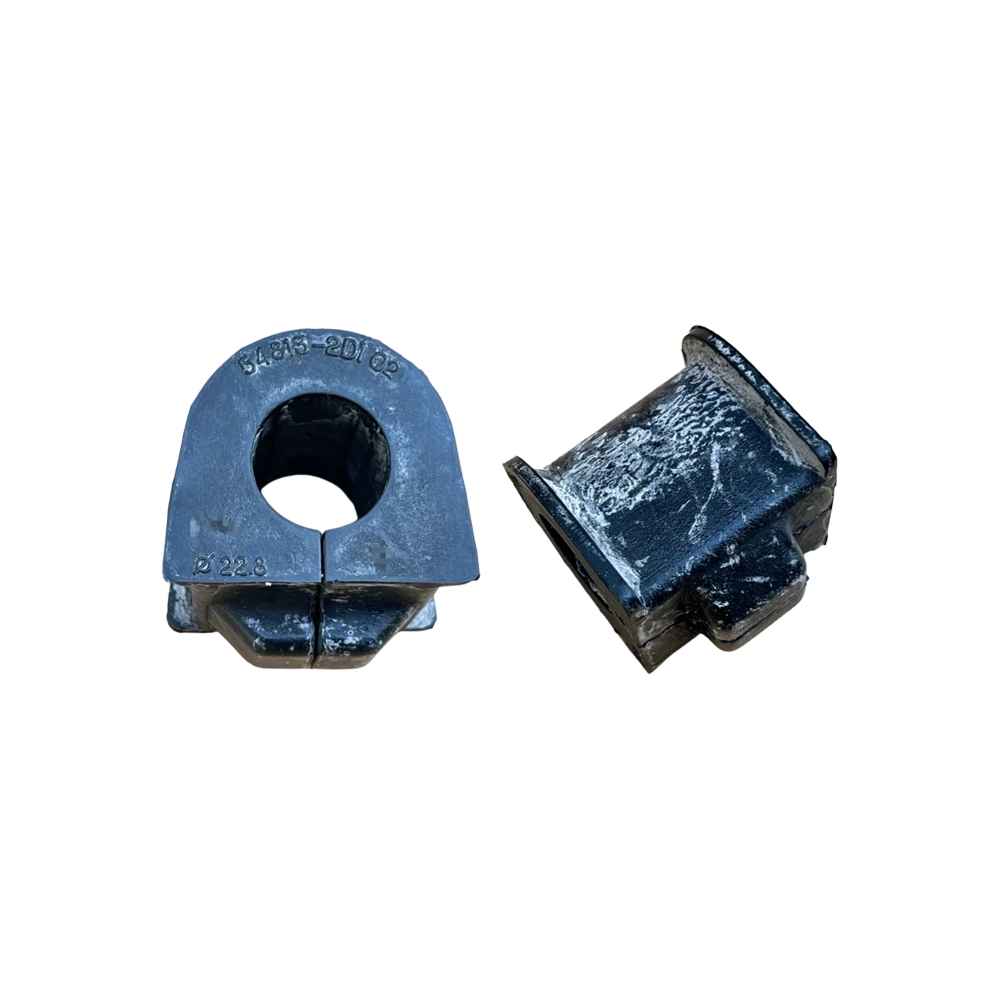
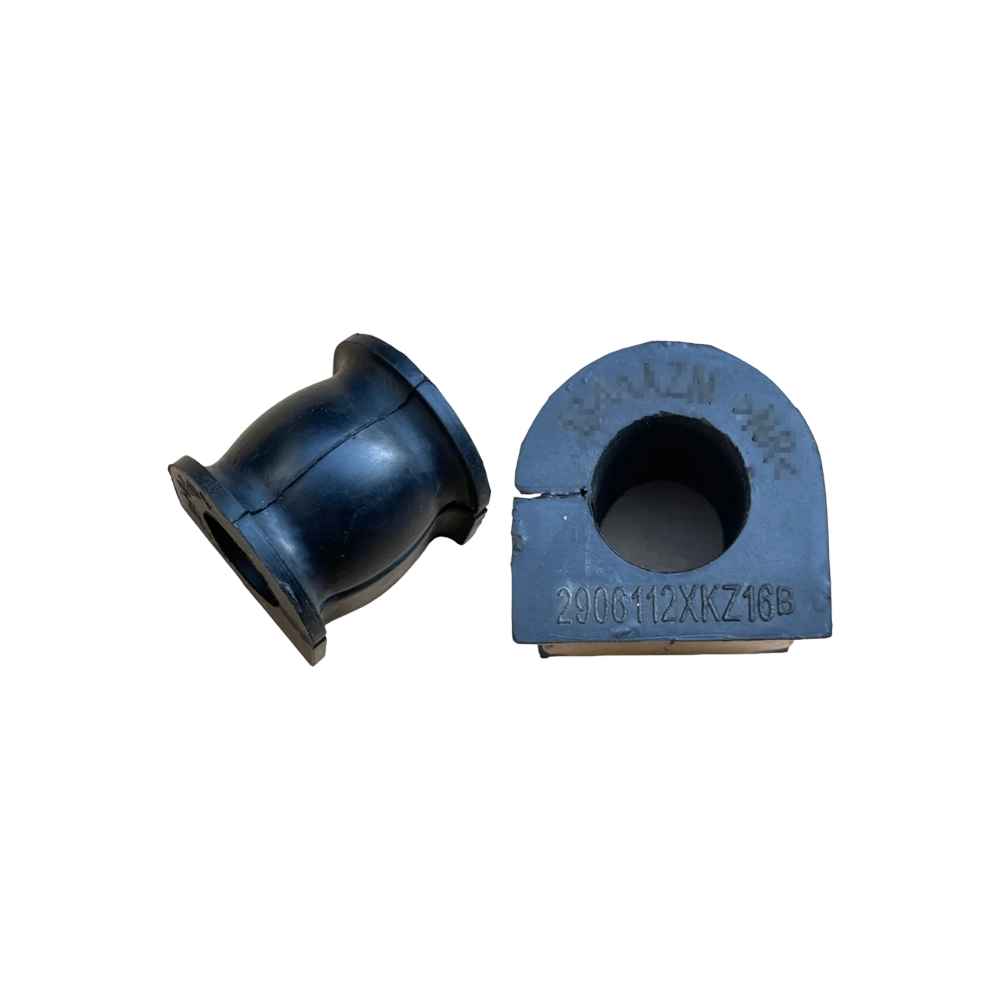
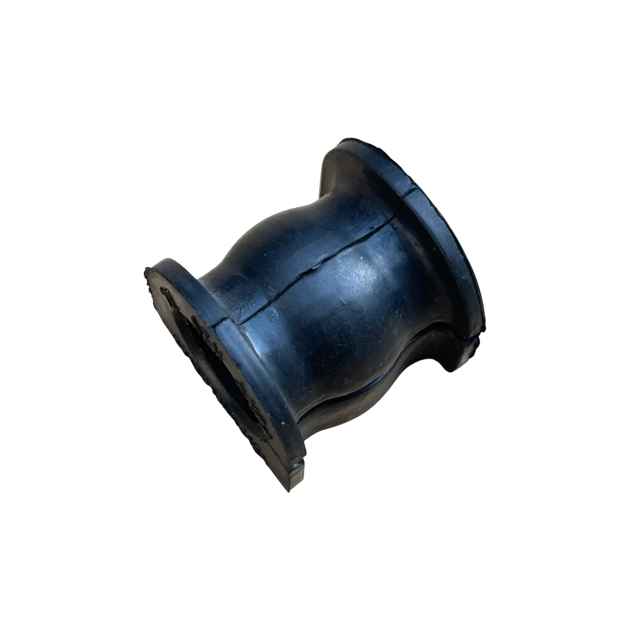
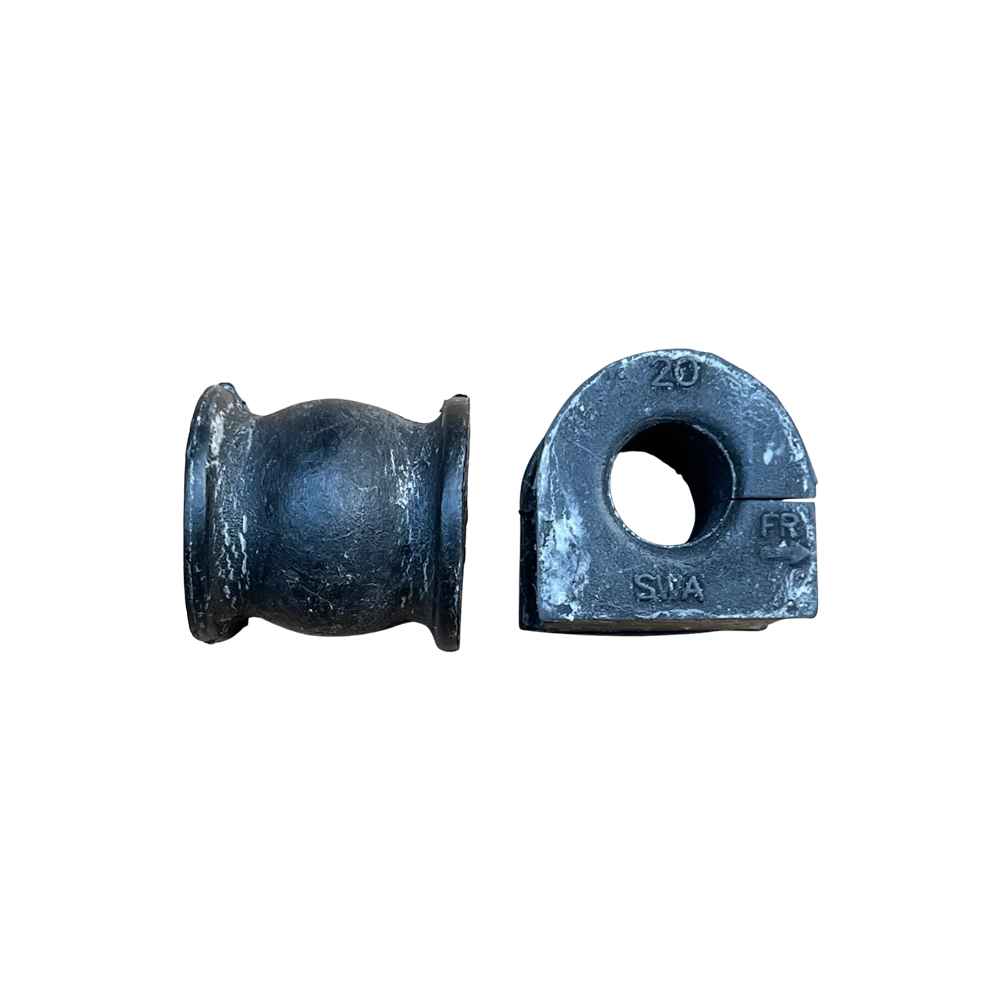
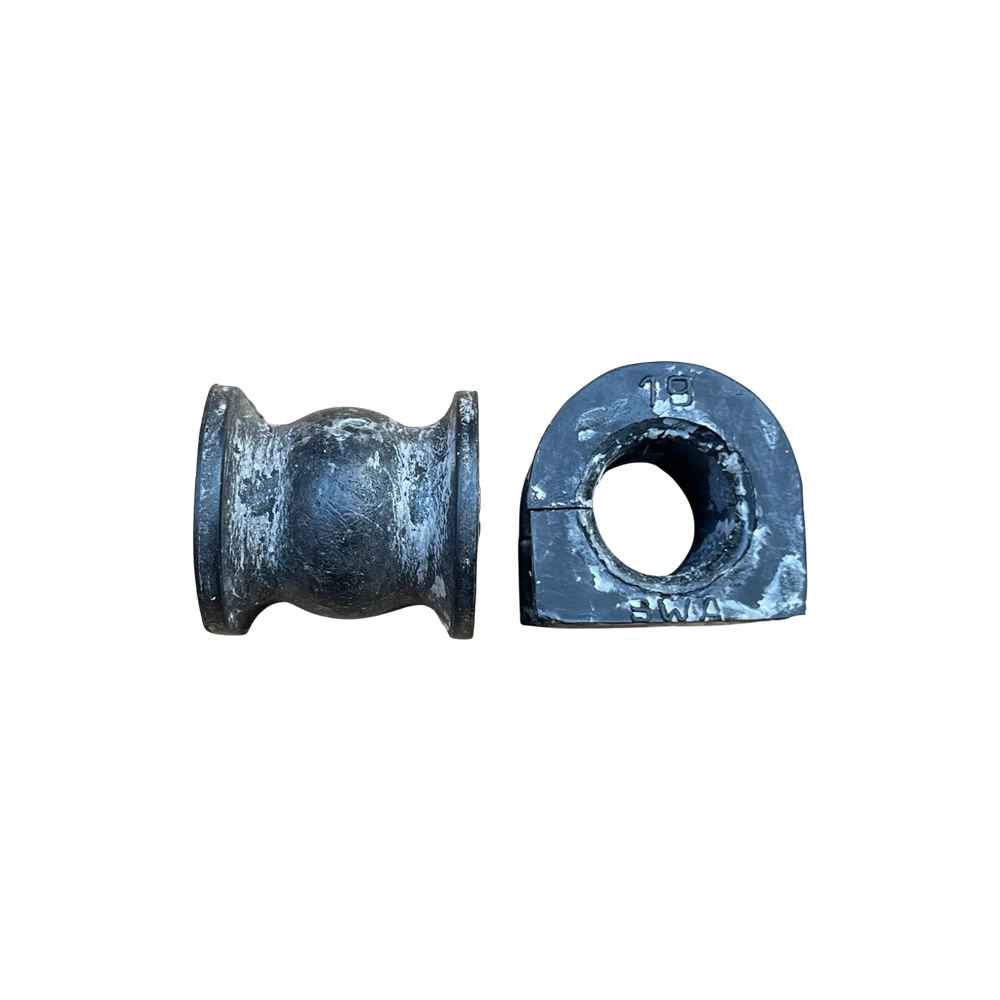
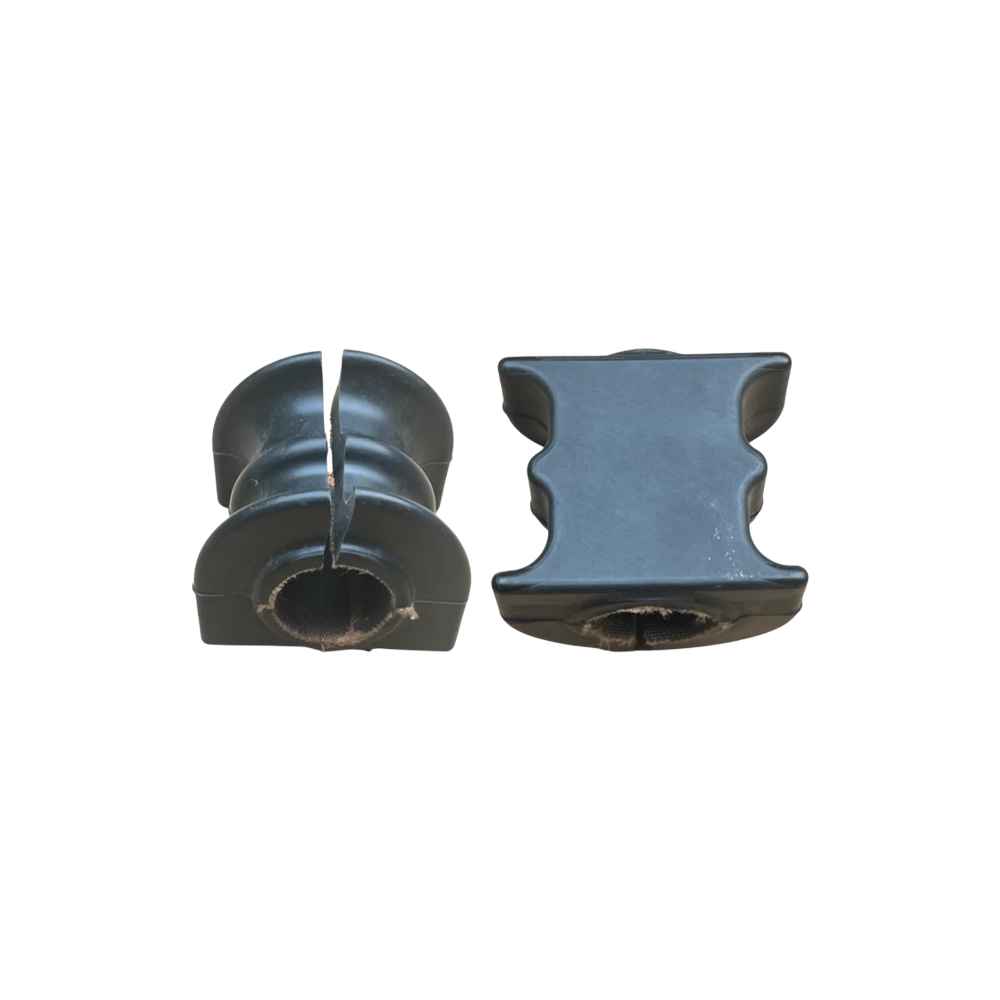
An effective maintenance strategy includes routine inspections and monitoring of suspension components. Professional mechanics should check for signs of wear in components like Stabilizer Bar Bushings and Valve Cover Gaskets, as these can influence overall system performance and lead to potential oil seepage issues.

In addition, employing modern diagnostic tools can help identify early signs of leakage before they escalate into serious problems.
Conclusion
Addressing oil seepage in suspension systems requires a strategic approach focused on quality materials and diligent maintenance practices. By utilizing high-performance O-Rings & Rubber Sealing Rings, along with adhering to proper installation techniques and regular evaluations, vehicle owners can significantly enhance the longevity and reliability of their suspension systems while minimizing the risk of oil leakage.