Introduction to Oil Seepage in Suspension Systems
Oil seepage and leakage in suspension systems pose significant challenges for vehicle performance and safety. These issues often stem from compromised seals, which can lead to diminished shock absorber efficiency, increased wear on components, and ultimately, costly repairs.
Understanding Steering Rack Boots
Steering Rack Boots play a crucial role in maintaining the integrity of the steering system. They serve as protective covers that shield the inner and outer tie rods from dirt, moisture, and other contaminants. A high-performance steering rack boot is engineered to withstand extreme conditions, ensuring that oil remains contained within the system.
Functionality of Steering Rack Boots
- Protecting the internal components: Steering rack boots prevent debris from entering the steering mechanism, prolonging its lifespan.
- Maintaining hydraulic fluid levels: An effective boot ensures that fluid does not leak out, which could cause the steering system to fail.
Common Causes of Oil Leakage
The root causes of oil leaks in suspension systems can be multifaceted. Some prevalent issues include:
- Worn or damaged seals: Over time, seals can degrade due to exposure to harsh environments, leading to oil seepage.
- Improper installation: If not installed correctly, even a new steering rack boot can fail to perform its intended function.
- Aging components: As vehicles age, rubber materials, such as those found in CV joint boots and shock absorber boots, may lose their elasticity and become prone to cracking.
Identifying Signs of Leakage
Being proactive about maintenance can mitigate the risks associated with oil leaks in suspension systems. Look for the following indicators:
- Puddles of oil under the vehicle, particularly after parking.
- Unusual noise during steering maneuvers, hinting at insufficient lubrication.
- Visual inspection reveals cracks or tears in steering rack boots or adjacent components.
Steps to Solve Oil Seepage Issues
Addressing oil seepage effectively requires systematic analysis and intervention. Here are practical steps to resolve the issue:
1. Preliminary Inspection
Begin by conducting a thorough visual inspection of the steering rack boots, CV joint boots, and surrounding areas. Use a flashlight to spot any signs of oil leakage.
2. Replacement of Damaged Components
If damage is detected, replacing the affected steering rack boot is essential. It’s vital to select high-quality parts, such as those offered by brands like Guanghua, known for their durability and performance.
3. Ensuring Proper Installation
During installation, ensure that the steering rack boot is positioned correctly and secured tightly. This process often involves using the right tools to avoid pinching or tearing the boot.
4. Routine Maintenance Checks
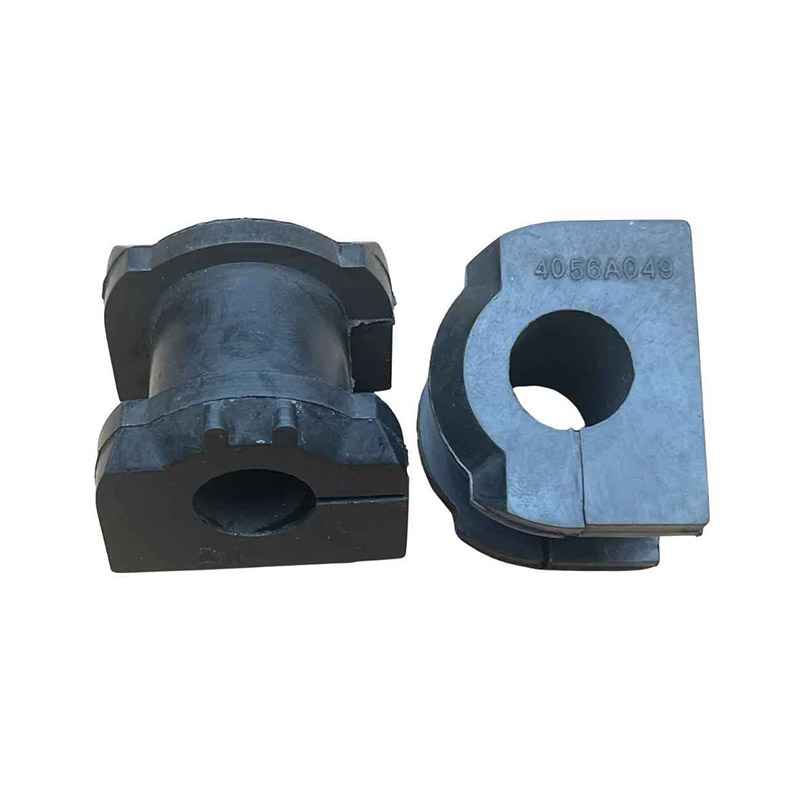
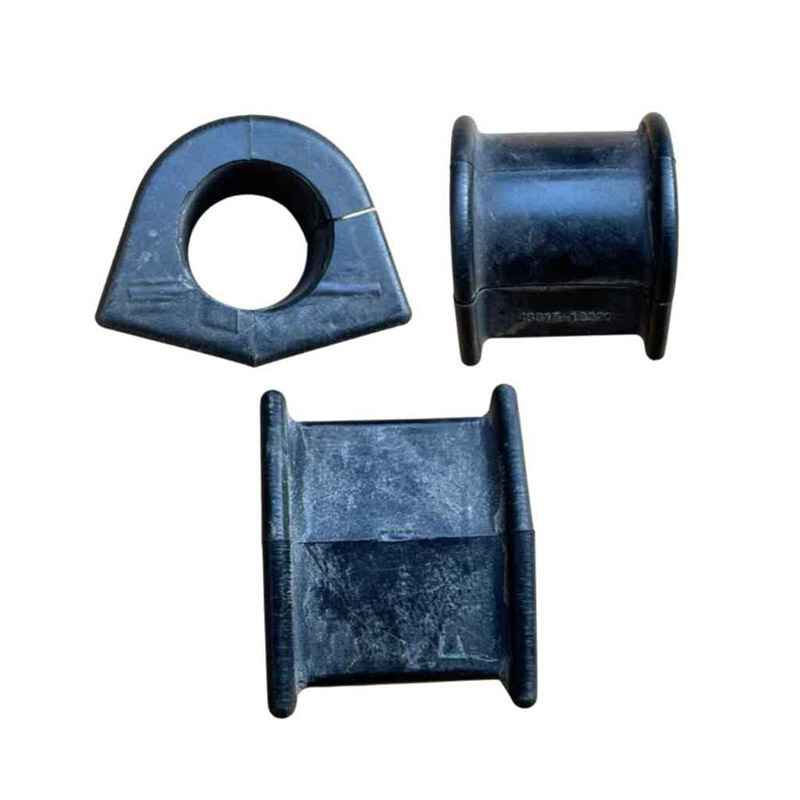
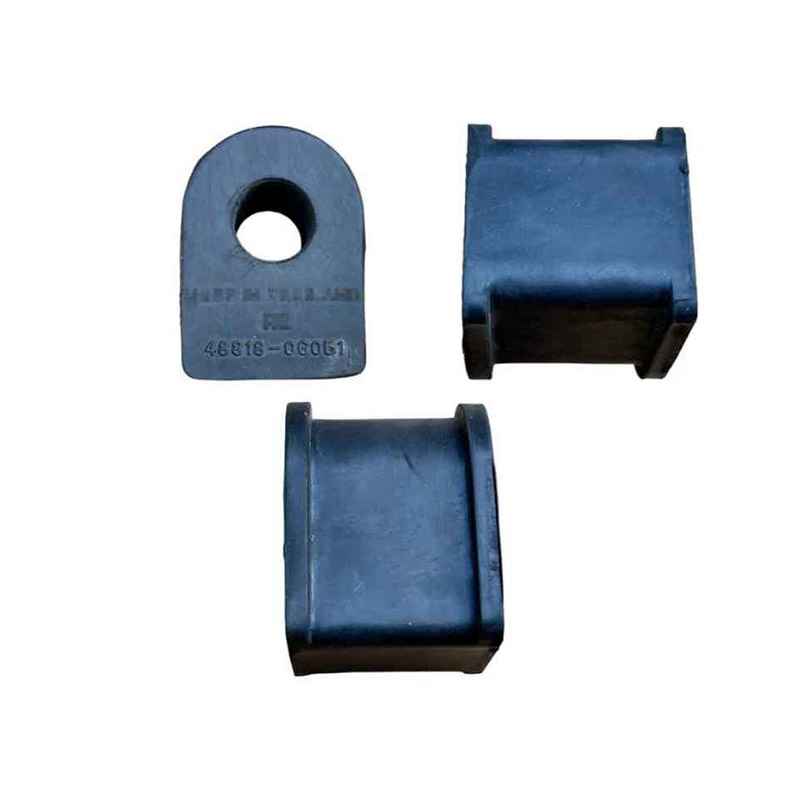
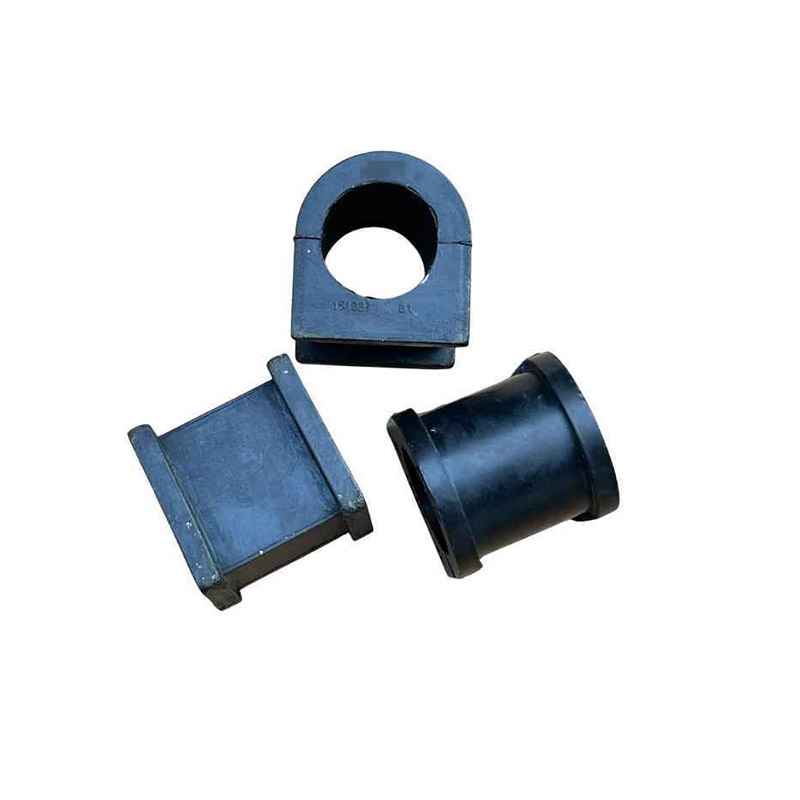
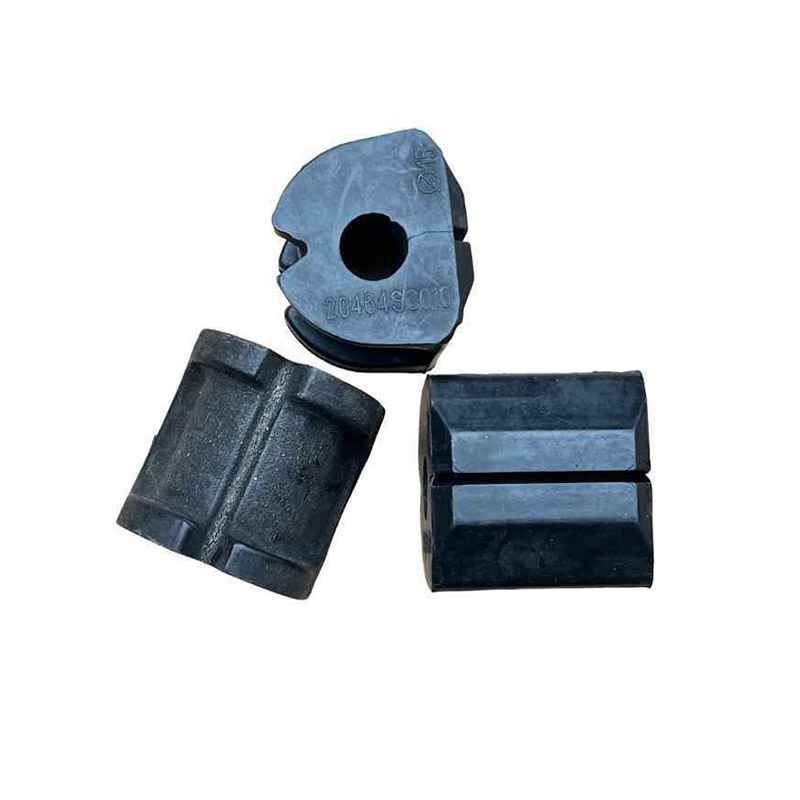
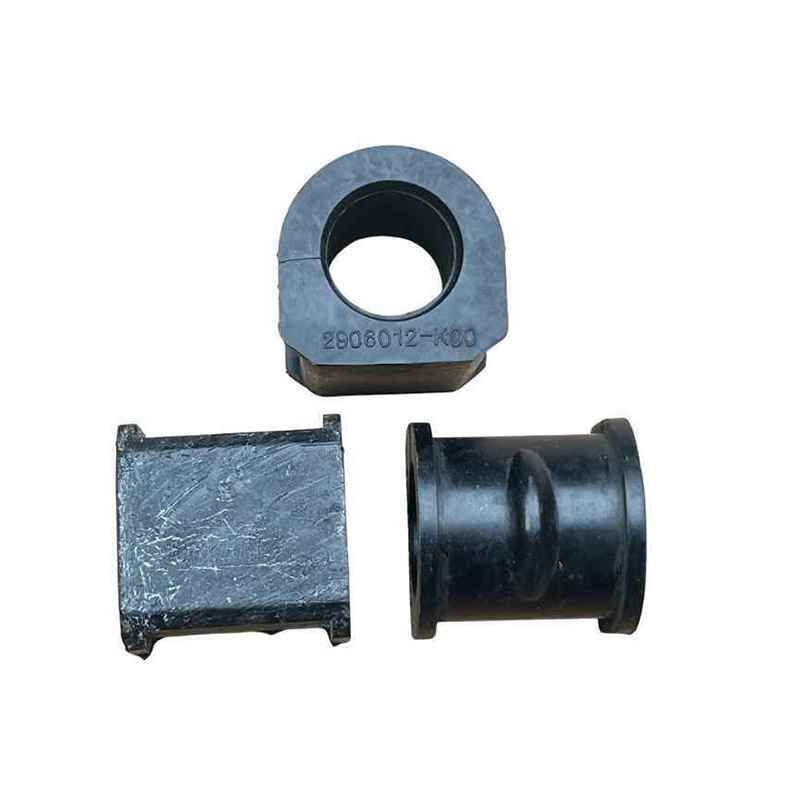
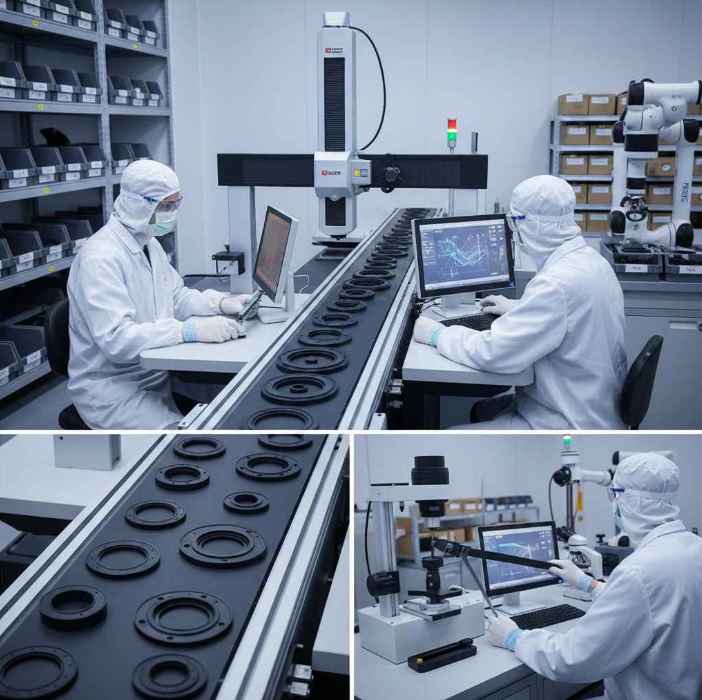
Implementing regular maintenance checks can preemptively address potential issues before they escalate into major problems. Inspect all rubber sealing rings, including O-rings, and ensure that bushing systems, such as stabilizer bar bushings, are intact.
High-Performance Solutions
Utilizing high-performance components specifically designed for suspension systems significantly enhances reliability. For instance, investing in robust steering rack boots can sustain high-pressure environments, thereby reducing the likelihood of leakage and prolonging the life span of suspension elements.
Benefits of High-Performance Steering Rack Boots
- Enhanced resistance to oil degradation.
- Improved flexibility and adaptability to temperature variations.
- Longer service life compared to standard options.
Conclusion: Preventive Measures
While immediate fixes to oil seepage and leakage issues can offer temporary relief, adopting preventive measures will yield longer-term benefits. Regular inspections, timely replacements, and the use of quality parts, such as those from Guanghua, will keep your suspension systems in optimal condition while enhancing overall vehicular safety.