
Understanding Oil Seepage and Leakage
Oil seepage and leakage are common issues that can arise in various automotive components, particularly where movement and friction occur. One of the critical areas affected is the constant velocity joints (CV joints), which require effective sealing solutions to prevent oil loss and maintain performance.
The Role of Constant Velocity Bellows
Constant velocity bellows serve as a protective covering for CV joints, ensuring that grease remains contained while preventing contaminants from entering. When these bellows become damaged or worn out, they can lead to significant oil leakage, impacting not only the joint's function but also overall vehicle safety.
Identifying Signs of Failure
It’s essential to recognize the early signs of oil seepage to address the problem before it escalates. Look for:
- Visible grease or oil residue around the CV joint area
- Unusual noises when turning or accelerating, indicating potential joint damage
- Vibrations felt through the steering wheel while driving
What Causes Damage to the Bellows?
Several factors contribute to the degradation of constant velocity bellows:
- Environmental exposure: UV rays, dirt, and debris can wear down the rubber material over time.
- Poor installation: Incorrect fitting can create unnecessary stress on the bellows, leading to premature failure.
- Aging: Rubber materials naturally deteriorate with age, losing elasticity and strength.
Repairing or Replacing Damaged Bellows
If you identify any of the signs mentioned above, it's crucial to take action promptly. You have two main options: repair or replace the damaged bellows.
Repair Methods
In some cases, minor damage can be effectively repaired. Here are some methods:
- Using specialized adhesive solutions designed for automotive rubber components can seal small tears.
- Applying a patch made from compatible material may provide a temporary fix.
However, these fixes are often just stopgaps; long-term reliability typically requires full replacement.
Replacement Steps
Replacing constant velocity bellows is a straightforward process, but it does require some mechanical knowledge:
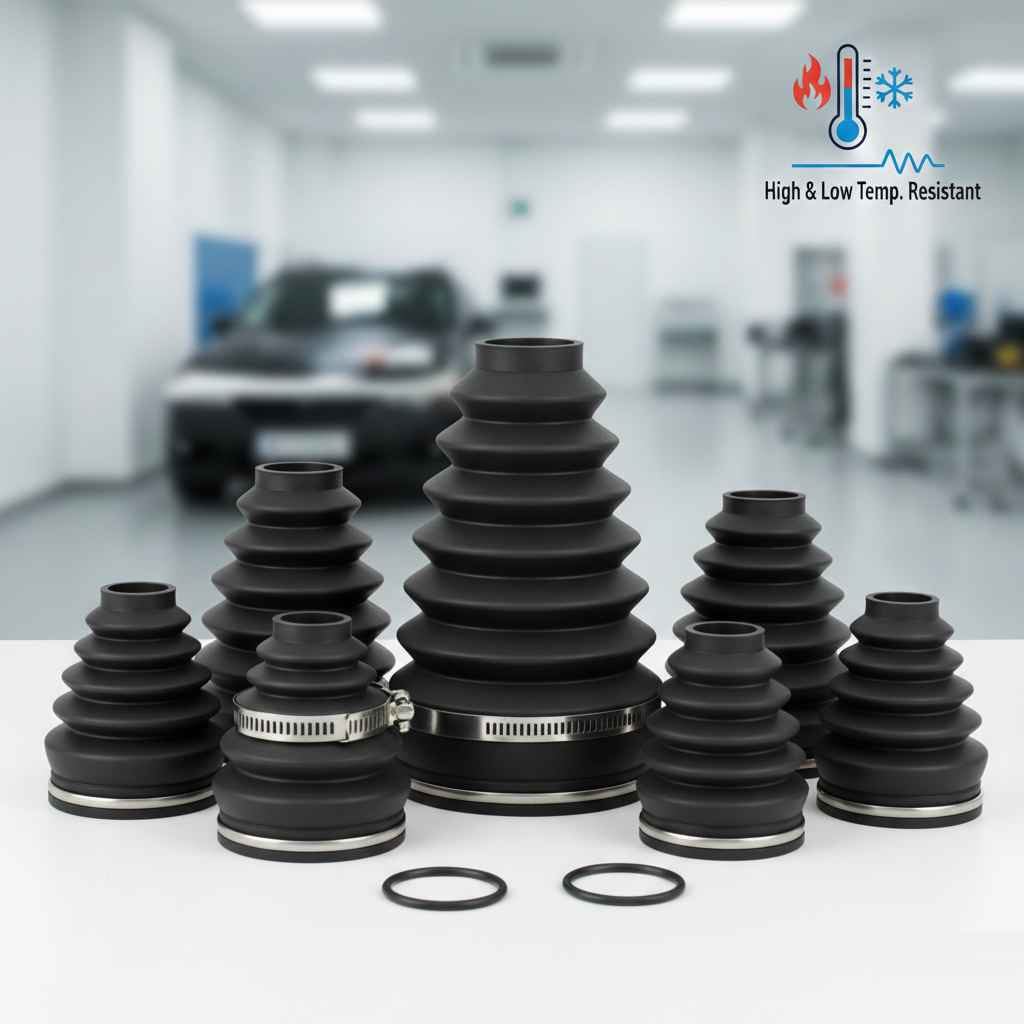
- Lift the car securely and remove the wheel.
- Disconnect the joint from the drive shaft.
- Remove the old bellows, taking care to clean any residual grease.
- Install the new bellows, ensuring a proper fit and securing it with clamps.
- Reassemble everything carefully and perform a test drive to ensure smooth operation.
Preventive Measures
To avoid future issues with oil seepage and leakage, consider implementing the following preventive measures:
- Regular inspections: Check the condition of your constant velocity bellows, especially during routine maintenance.
- Use high-quality replacements, such as those offered by brands like Guanghua, known for their durability and reliability.
- Ensure proper installation techniques are utilized during any repairs or replacements.
Importance of Quality Sealing Components
Investing in quality sealing components such as O-Rings & Rubber Sealing Rings , CV Joint Boots , and Steering Rack Boots is essential. High-quality parts offer better resistance to wear and tear, reducing the likelihood of oil seepage.
Conclusion
Addressing oil seepage and leakage through constant velocity bellows is essential for maintaining vehicle efficiency and safety. By understanding the signs of failure, taking prompt action with either repairs or replacements, and implementing preventive measures, you can prolong the life of your vehicle's components. Remember, investing in reputable brands like Guanghua ensures that you get the best protection against oil leakage.







