Understanding Oil Seepage and Leakage
Oil seepage and leakage in vehicles is something that no driver wants to deal with. It's not just a minor inconvenience; it can lead to significant engine damage if left unchecked. So, why does this happen? Well, the most common culprits are usually worn-out or damaged boots, particularly driveshaft boots. These little guys play a crucial role in keeping oil where it belongs—inside your engine.
What Are Driveshaft Boots?
Driveshaft boots protect the joints of the driveshaft from dirt, debris, and moisture. If these boots become cracked or torn, they can allow oil to leak out. Picture it like a protective shield—once it’s compromised, everything else is at risk. And guess what? Replacing those boots isn’t as daunting as it sounds!
Signs You Might Have a Problem
- Visible puddles of oil under your vehicle.
- A decrease in oil levels between changes.
- Unusual noises during driving, often caused by dry joints.
- A burning smell due to leaking oil hitting hot engine parts.
Diagnosing the Issue
The first step is to get down and dirty—literally! Take a look underneath your car. Check the area around the driveshaft for any signs of oil. If you see grease or oil accumulating, chances are you’ve got a boot issue. Remember, it’s not always obvious to the untrained eye. Sometimes, leaks can be subtle, so keep an eye on your oil levels over time.
How to Fix It: A Step-by-Step Guide
So, now you know there’s a problem, but how do you fix it? Here’s a simple guide:
- Gather Your Tools: You’ll need a jack, jack stands, wrenches, and possibly some new CV Joint Boots .
- Lift Your Vehicle: Safely lift your car using a jack, and secure it with jack stands. Safety first!
- Remove the Old Boot: Carefully take out the old driveshaft boot. This might take a bit of effort, especially if it's been stuck on for a while.
- Inspect the Joints: Make sure the joint is clean and free from debris. Any dirt here can exacerbate the problem later.
- Install the New Boot: Slide the new boot into place. If you're using high-quality products, such as those from Guanghua, you can trust their durability. Seal it tightly to prevent future leaks.
- Lower the Vehicle: Once everything is back in place, lower your vehicle carefully.
Regular Maintenance is Key
After you've made your repairs, don’t just walk away thinking you’re done. Regularly check your driveshaft boots. You want to catch any signs of wear before they become a bigger problem. Just like changing the oil, maintaining your boots should be part of your routine.
When to Call an Expert
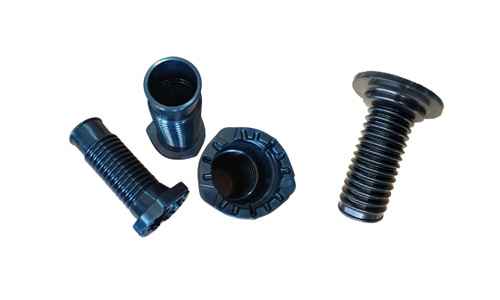
Now, not everyone is comfortable crawling under their vehicle and doing repairs. If you feel uneasy about tackling the job yourself, you might want to consult a mechanic. They'll have the experience and tools needed to get the job done right. Plus, they can inspect other components like the Steering Rack Boots and Shock Absorber Boots for issues.
Conclusion: Preventative Measures
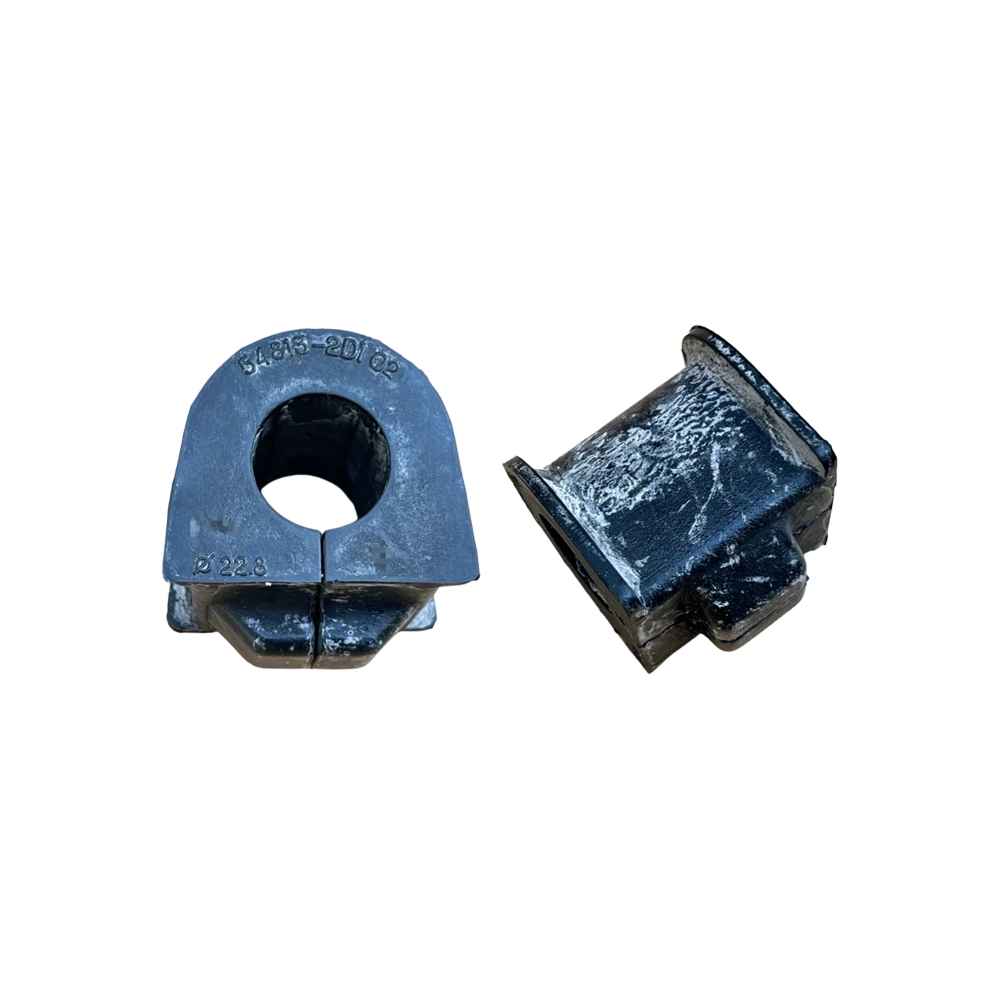
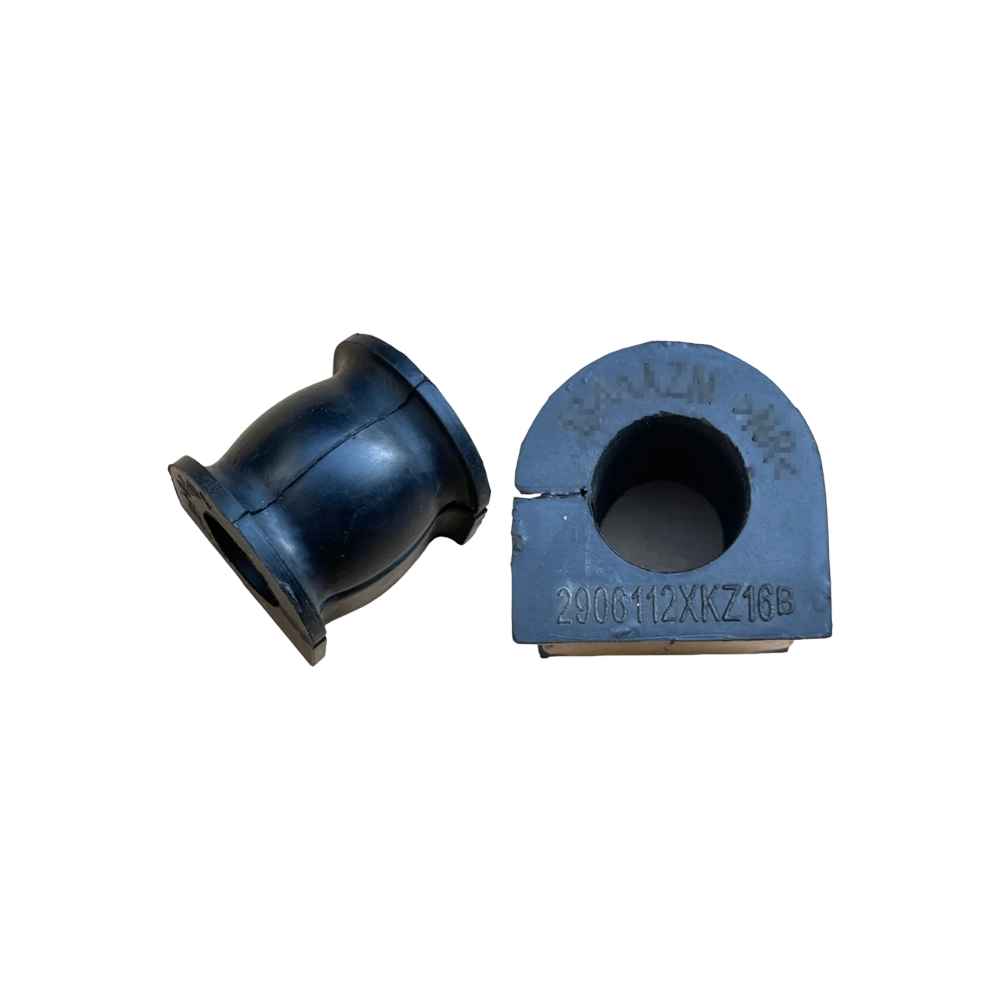
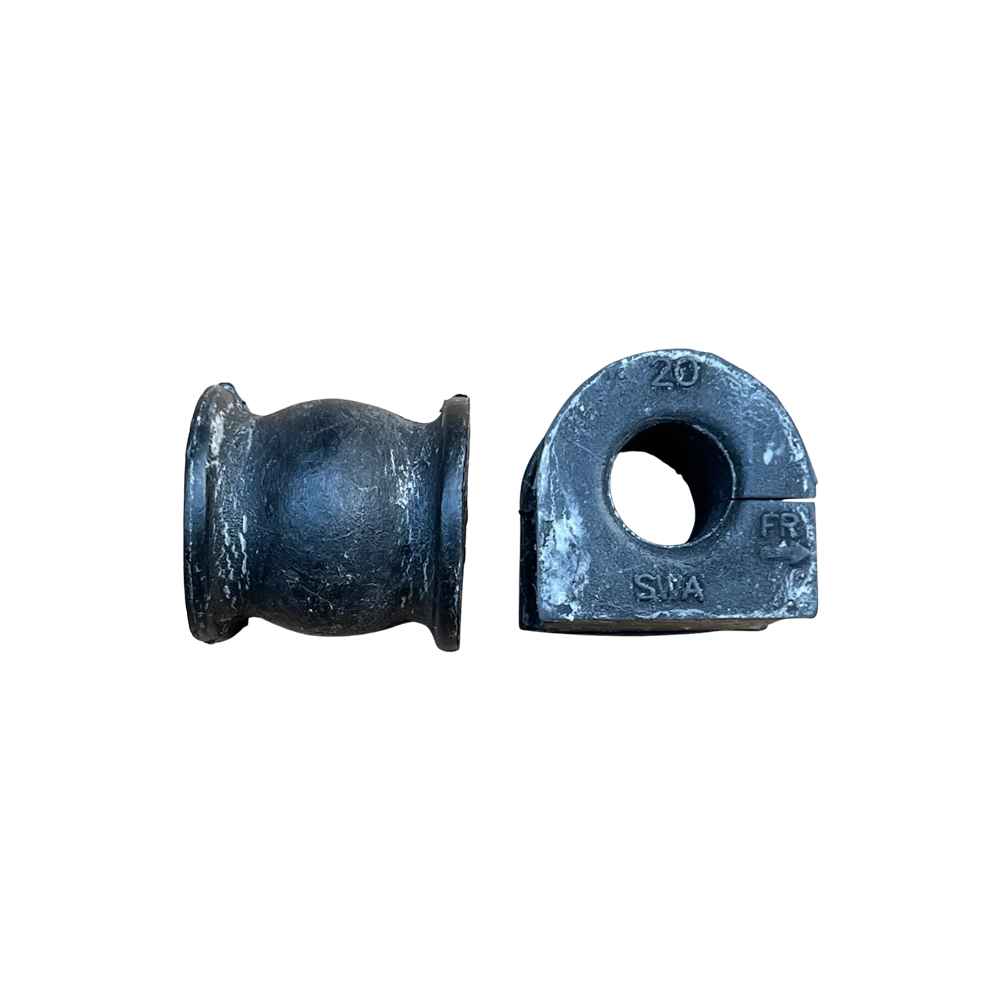
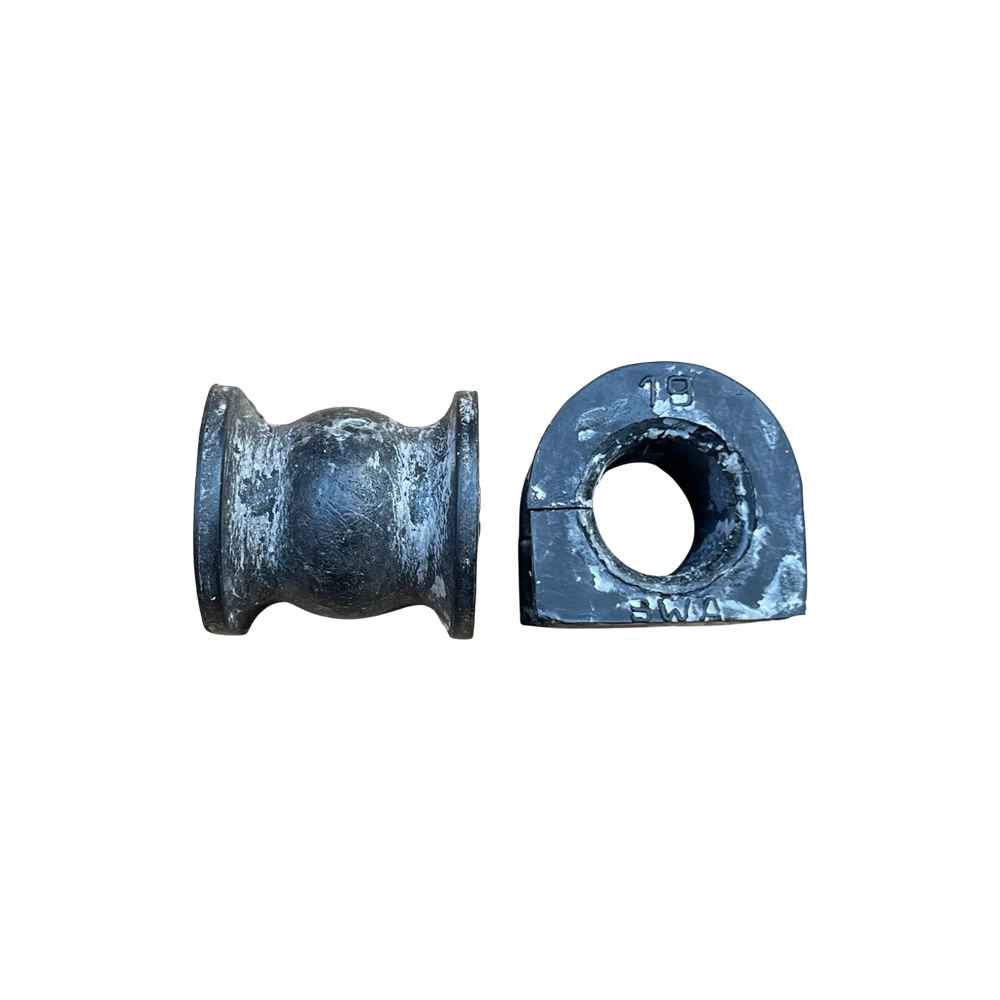
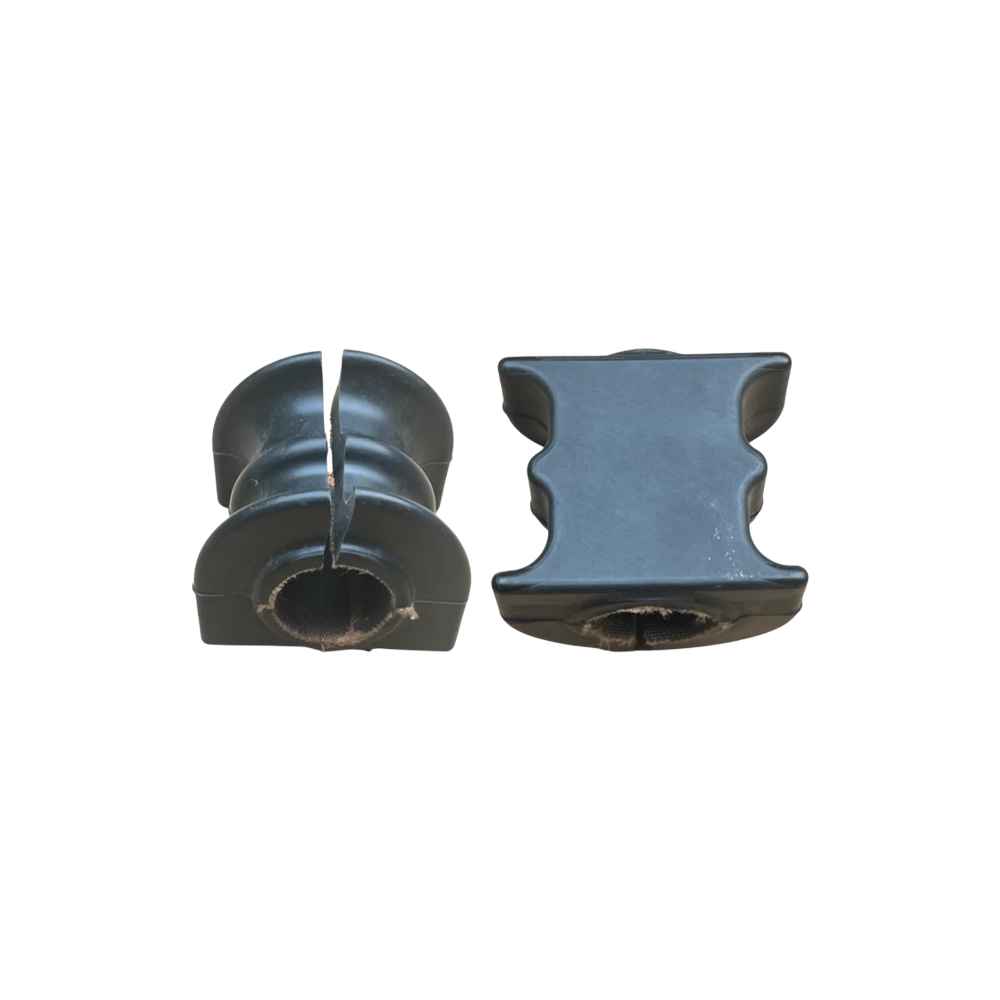
Preventing oil seepage and leakage is all about proactive care. Use quality materials like O-Rings & Rubber Sealing Rings and Stabilizer Bar Bushings when replacing parts. Don’t skimp on maintenance; it will save you headaches down the road. Remember, a little prevention goes a long way in keeping your vehicle running smoothly!