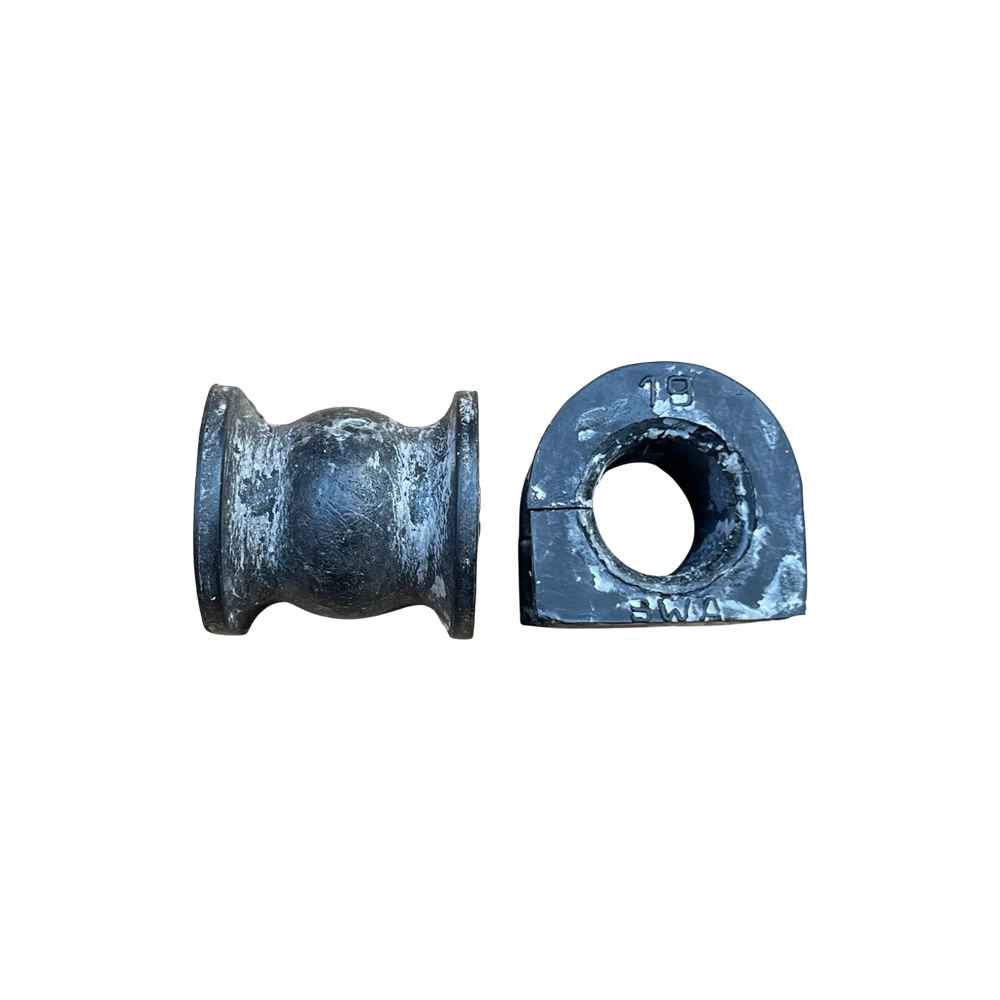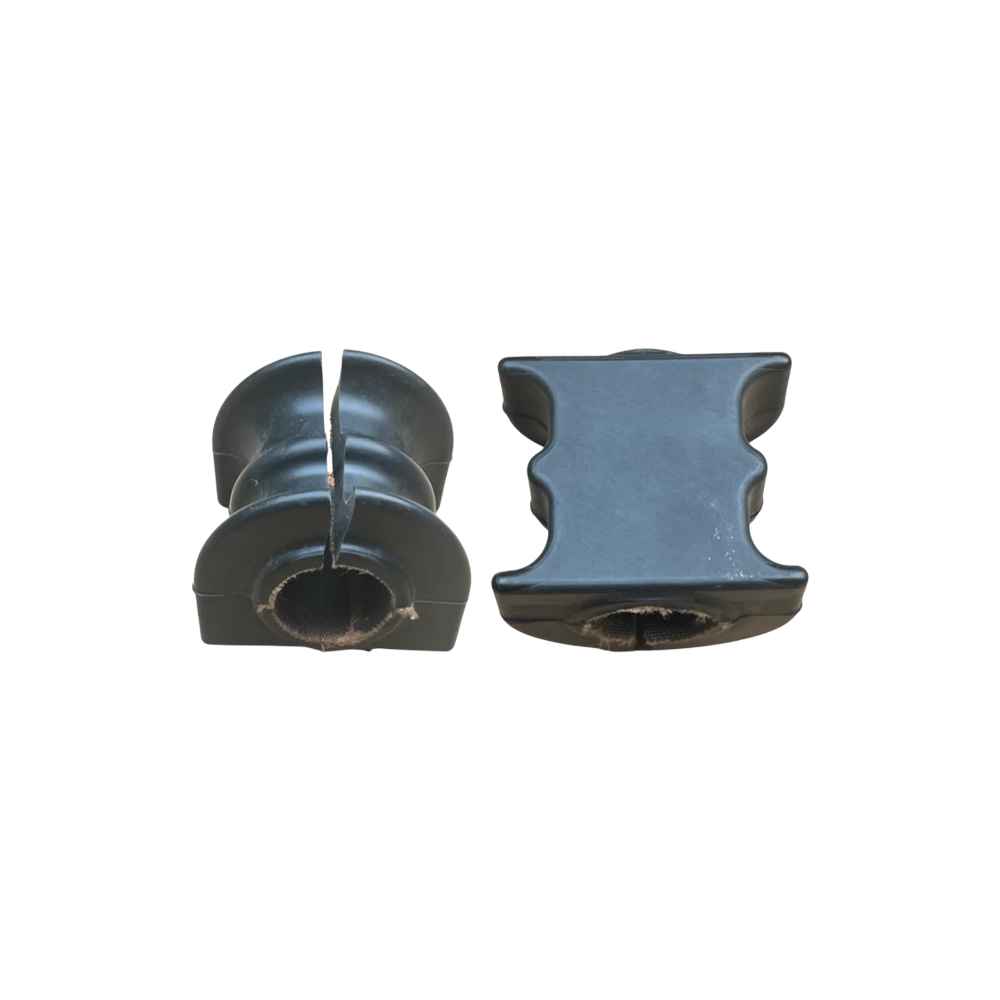
Understanding Oil Seepage and Leakage
Oil seepage and leakage are common issues in various mechanical systems, especially in vehicles and industrial machinery. When it comes to maintaining the efficiency of these systems, addressing oil loss promptly is crucial. In a nutshell, if you notice any signs of oil on your machinery or vehicle, it's time to get down to business.
Why Does It Happen?
There are several reasons why oil may seep or leak from a system. The most frequent culprits include:
- Worn gaskets such as valve cover gaskets.
- Cracked seals or O-rings.
- Faulty components like CV Joint Boots or Steering Rack Boots .
- General wear and tear due to age or lack of maintenance.
Heat-resistant ACM: A Reliable Solution
So, what’s this ACM we keep hearing about? Well, ACM stands for Acrylonitrile-Butadiene Rubber, which is known for its heat resistance and durability. It's become increasingly popular for sealing applications where traditional rubber might fail. If you're dealing with oil seepage, using heat-resistant ACM can be a game changer.
Advantages of Using Heat-resistant ACM
Let’s break down some of the benefits:
- Temperature Resistance: ACM can withstand high temperatures, making it ideal for environments where oil can get hot.
- Chemical Stability: Oil doesn’t break it down easily, so you won't have to worry as much about leaks because of chemical reactions.
- Flexibility: Its flexibility allows for easy handling during installation, reducing labor costs.
Steps to Solve Oil Seepage Using ACM
Now that we know why ACM is a good fit, let’s jump into how you can address oil seepage:
1. Identify the Source of the Leak
This step is crucial. You can't just slap on some heat-resistant ACM and call it a day! Inspect your equipment or vehicle to locate exactly where the oil is escaping from. It’s often around gaskets or seals.
2. Clean the Area Thoroughly
Once you've identified the source, clean the area around the leak. Use a degreaser or a similar product to remove any oil residue. This will ensure better adhesion when applying the ACM.
3. Prepare the ACM Material
Depending on the application, you may need to cut the ACM into strips or shapes that match the contours of the leaking area. Make sure you're wearing proper safety gear while doing this!

4. Apply the ACM
With everything cleaned and prepped, it’s time to apply the ACM material. Ensure it fits snugly over the leaking spot, and press it down firmly. You might want to use a bit of adhesive for added security, especially if you're working on a high-stress area.
5. Allow it to Cure
Patience is key here! Let the ACM cure properly according to the manufacturer’s instructions. Rushing this step could lead to another leak.
Cost-Effective Alternatives
If ACM isn’t available, consider other options. For instance, many people opt for brands like Guanghua, which offer reliable sealing products. Just make sure whatever you choose has good heat and chemical resistance.
Regular Maintenance Tips
After you've resolved the leakage issue, it’s important to maintain your machinery or vehicle:
- Regularly check for signs of oil leakage.
- Replace gaskets and seals periodically.
- Keep an eye on your oil levels to catch any new leaks early.
Conclusion
Addressing oil seepage and leakage doesn't have to be a headache. With the use of heat-resistant ACM and a little bit of elbow grease, you can effectively solve these problems. Remember, whether you're a DIY enthusiast or a professional mechanic, taking the right steps can save you time and money in the long run. So go ahead, tackle that leak head-on!