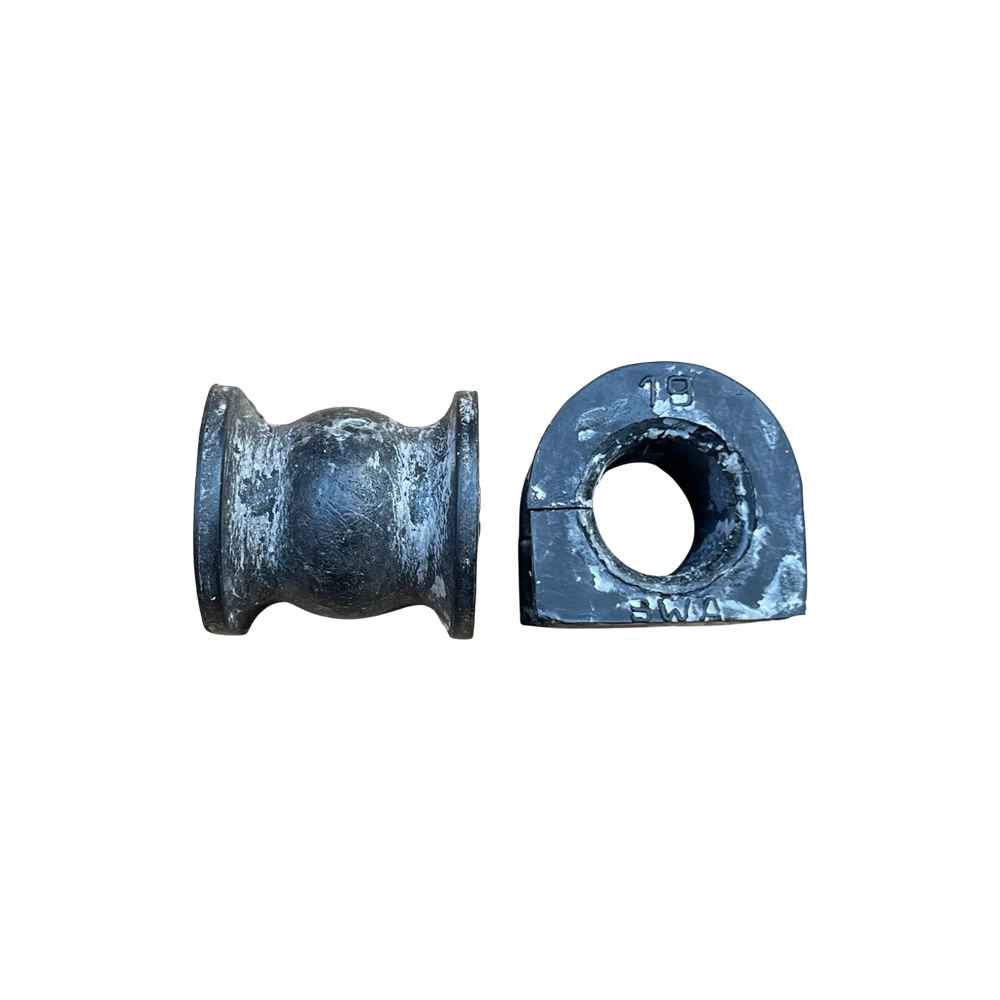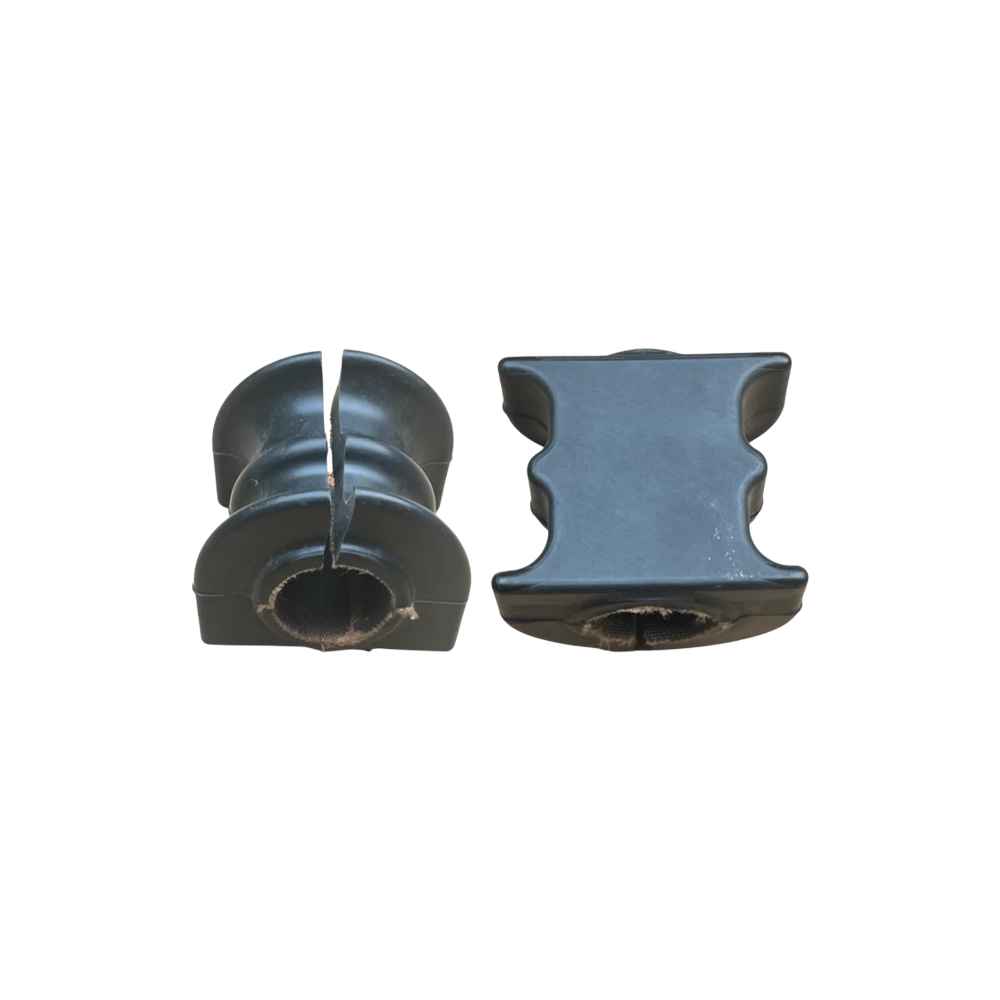
Understanding Oil Seepage and Leakage
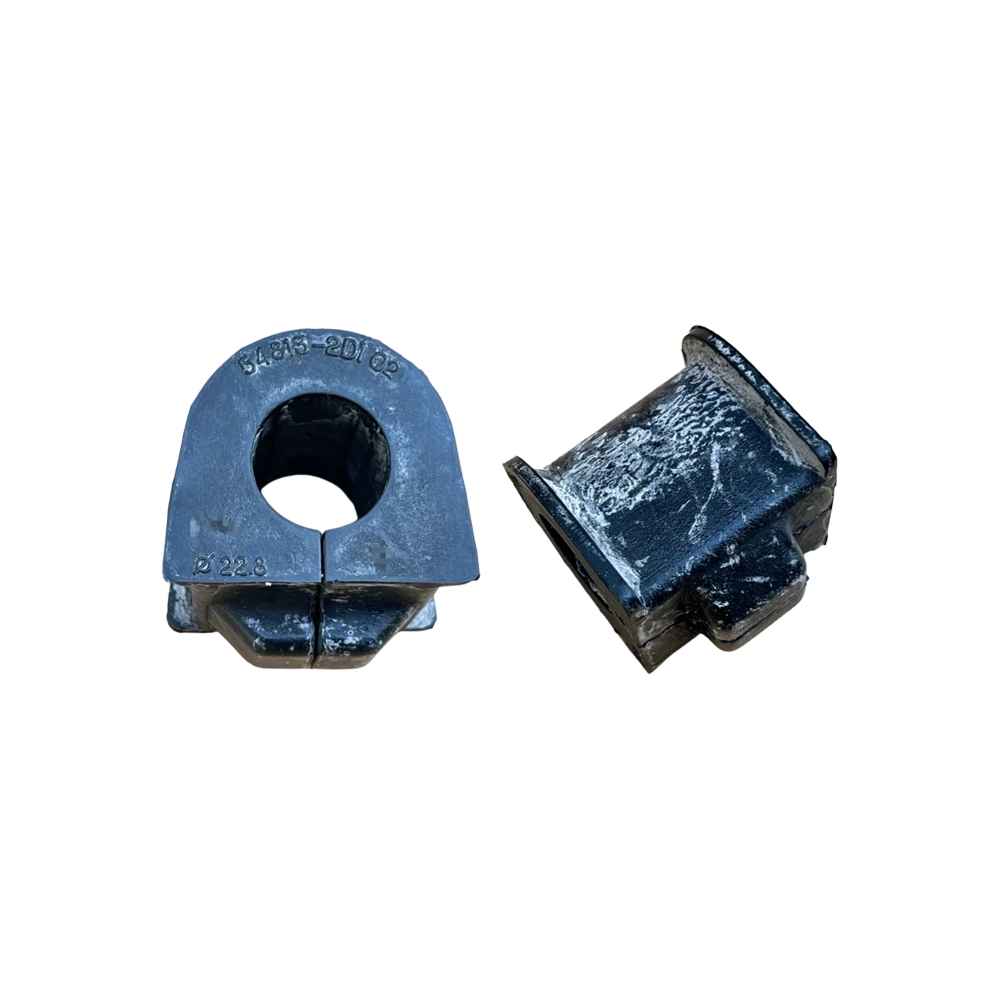
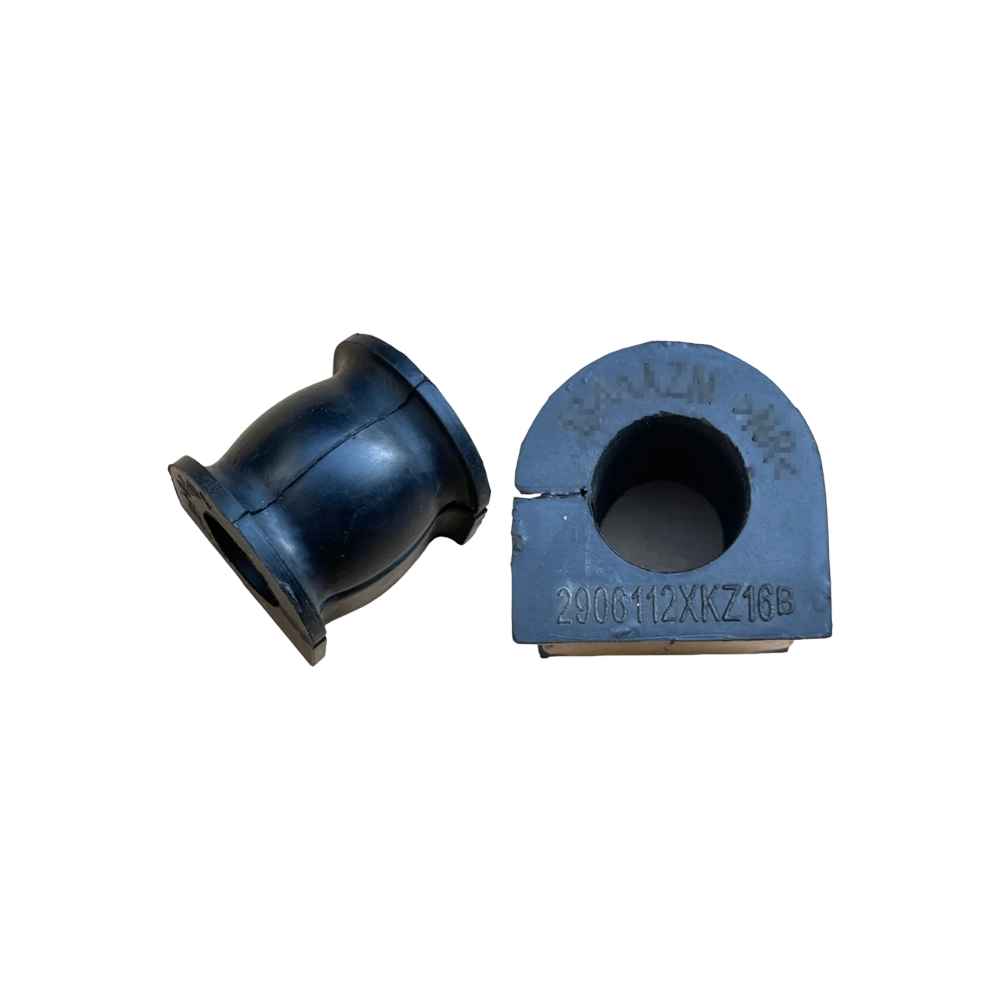
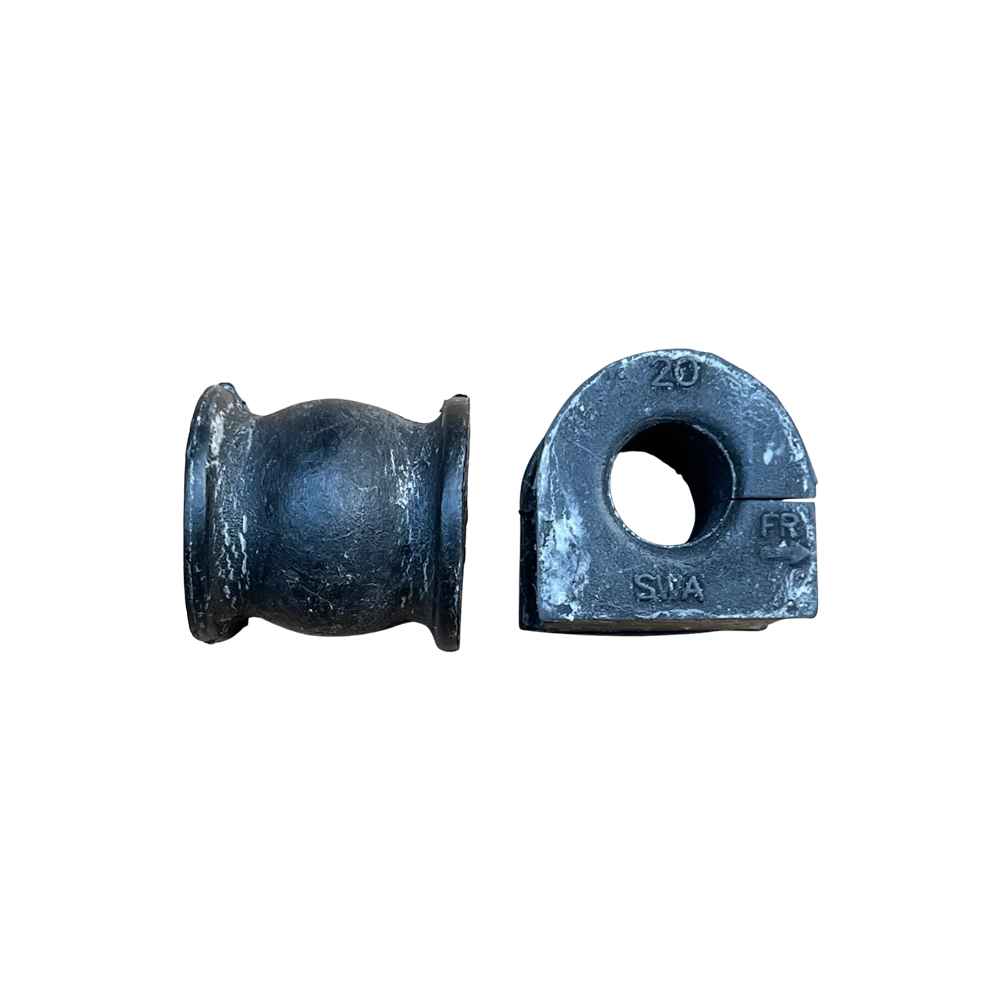
Oil seepage can be quite a nuisance, right? One moment your car is running smoothly, and the next, you’re spotting those pesky oil stains on your driveway. This is often due to the wear and tear of components like O-rings and rubber sealing rings. These little heroes are essential in creating a tight seal, preventing oil from escaping where it shouldn’t.
The Role of O-Rings
O-rings are circular seals that fit snugly into grooves between two parts. When properly installed, they stop the oil from leaking out. Think of them as the gatekeepers of your engine’s oil—without them, it’s just chaos! Over time, however, these rings can degrade due to heat, pressure, or simple old age. A worn-out O-ring can lead to significant oil leakage.
Identifying Leaks
- Check for oil puddles under your vehicle.
- Inspect engine components for oily residue.
- Look for warning lights on your dashboard; they could indicate low oil levels.
If you notice any of these signs, it's time to investigate further. You might be able to fix the problem without a trip to the mechanic!
How to Replace O-Rings & Rubber Sealing Rings
Replacing O-rings isn't rocket science, but it does require a bit of finesse. Here’s a quick step-by-step guide to get you going:
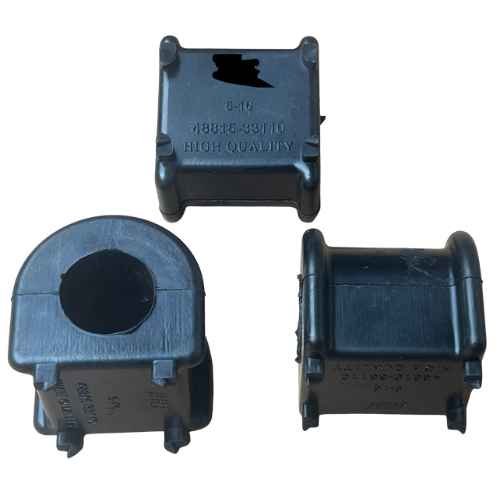
Gather Your Tools
Before diving in, make sure you have the right tools handy. You’ll need:
- A set of replacement O-rings (make sure they’re compatible).
- Rubber gloves to keep things tidy.
- A pick tool or small screwdriver for removal.
- Lubricant to help with installation.
Removing the Old O-Rings
Carefully use your pick tool to pry out the old O-ring. Watch out for any sharp edges that might bite back! Once it's out, check the groove for dirt or debris. A clean surface is crucial for a good seal.
Installing New O-Rings
Take your new O-ring, and before installation, apply a light coat of lubricant. This helps ease it into place and prevents damage during installation. Gently press it into the groove until it sits evenly all around. Voila! You’ve just taken a big step toward eliminating those leaks!
When to Call in the Experts
Sometimes, despite your best efforts, leaks persist. That’s when you might want to consider reaching out to professionals—especially if you're dealing with complex systems like a steering rack. If you notice continued oil seepage even after replacing O-rings and rubber sealing rings, it could be a sign of something more serious.
Guanghua Products: Quality Matters
While DIY fixes can be satisfying, remember that using quality parts is key! Brands like Guanghua offer reliable O-rings and sealing solutions that can withstand harsh conditions. Investing in high-quality products can save you time and money in the long run.
Preventive Measures
After tackling those leaks, it’s a good idea to implement some preventive measures. Regular maintenance checks can catch wear and tear before they become leaks. Consider these tips:
- Schedule frequent oil changes to maintain engine health.
- Inspect seals regularly to identify potential issues early.
- Stay informed about your vehicle's specific needs; each model has its quirks!
Conclusion
Dealing with oil seepage and leakage isn’t fun, but with the right knowledge and tools, you can tackle it head-on. Whether you're replacing O-rings or seeking professional help, understanding the role of these components is essential. Remember, a small investment in quality parts can lead to better performance and longevity for your vehicle!