Understanding Oil Seepage in Vehicles
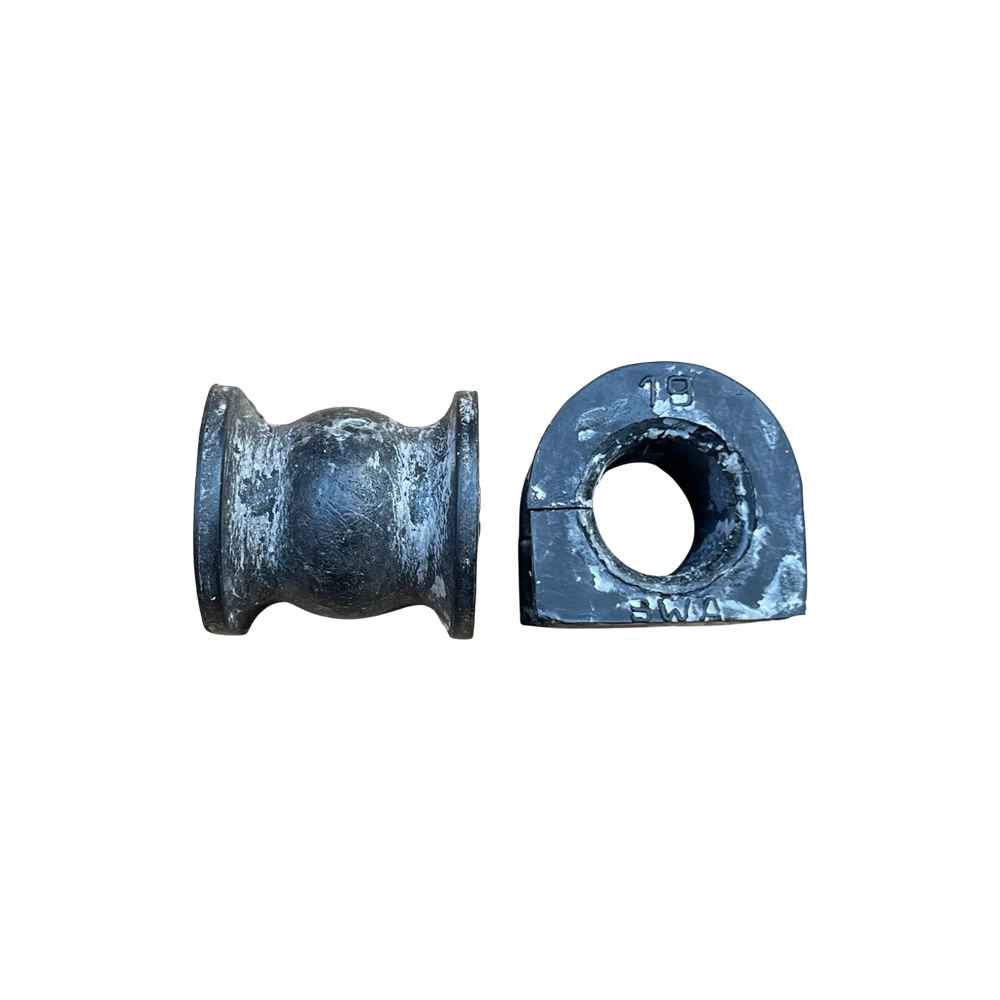
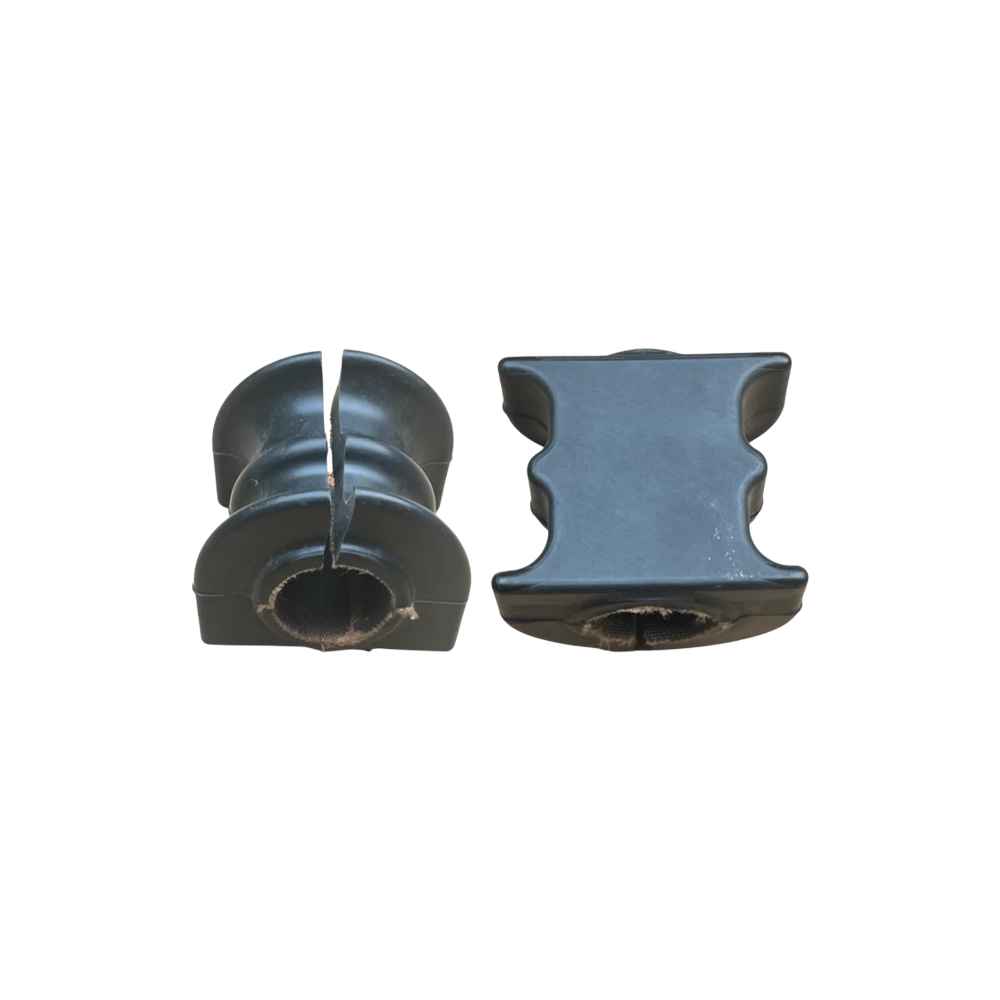
Oil seepage and leakage are prevalent issues faced by vehicle owners, often resulting from wear and tear on various components. Among these components, Stabilizer Bar Bushings play a crucial role in maintaining the stability of the suspension system, and their degradation can lead to oil-related problems.
The Role of Stabilizer Bar Bushings
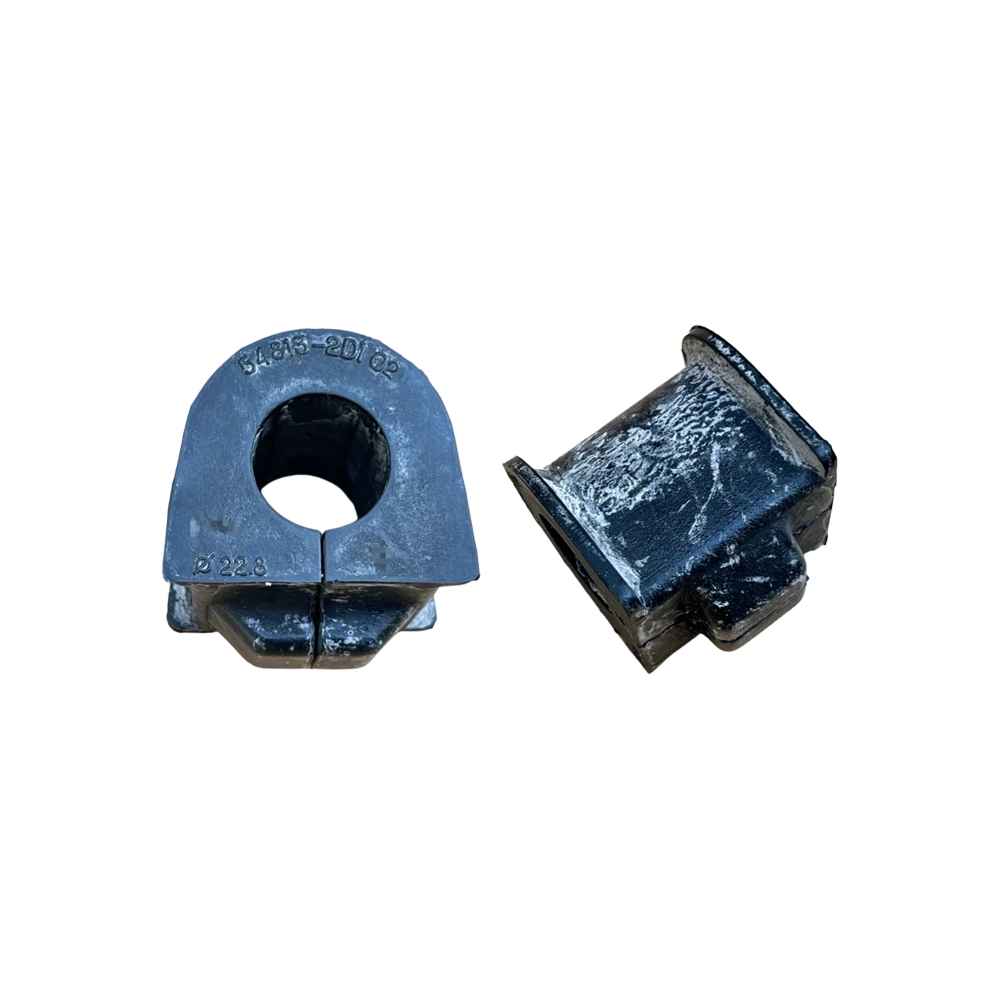
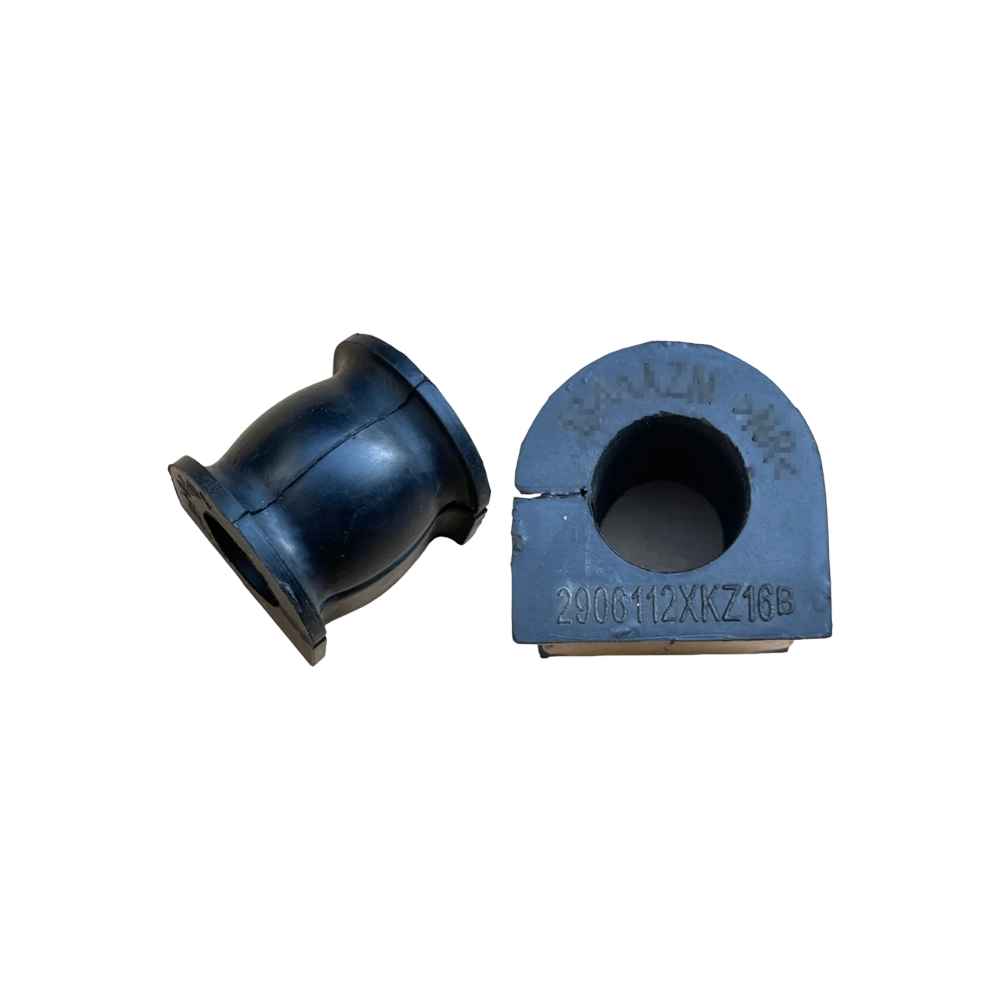
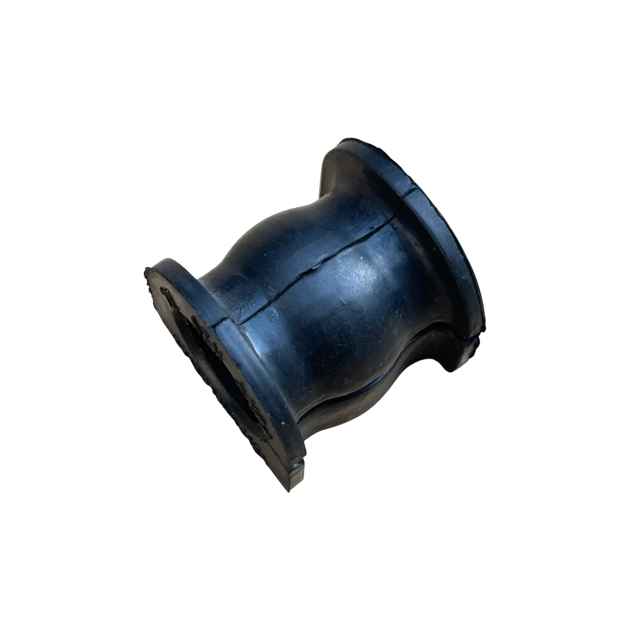
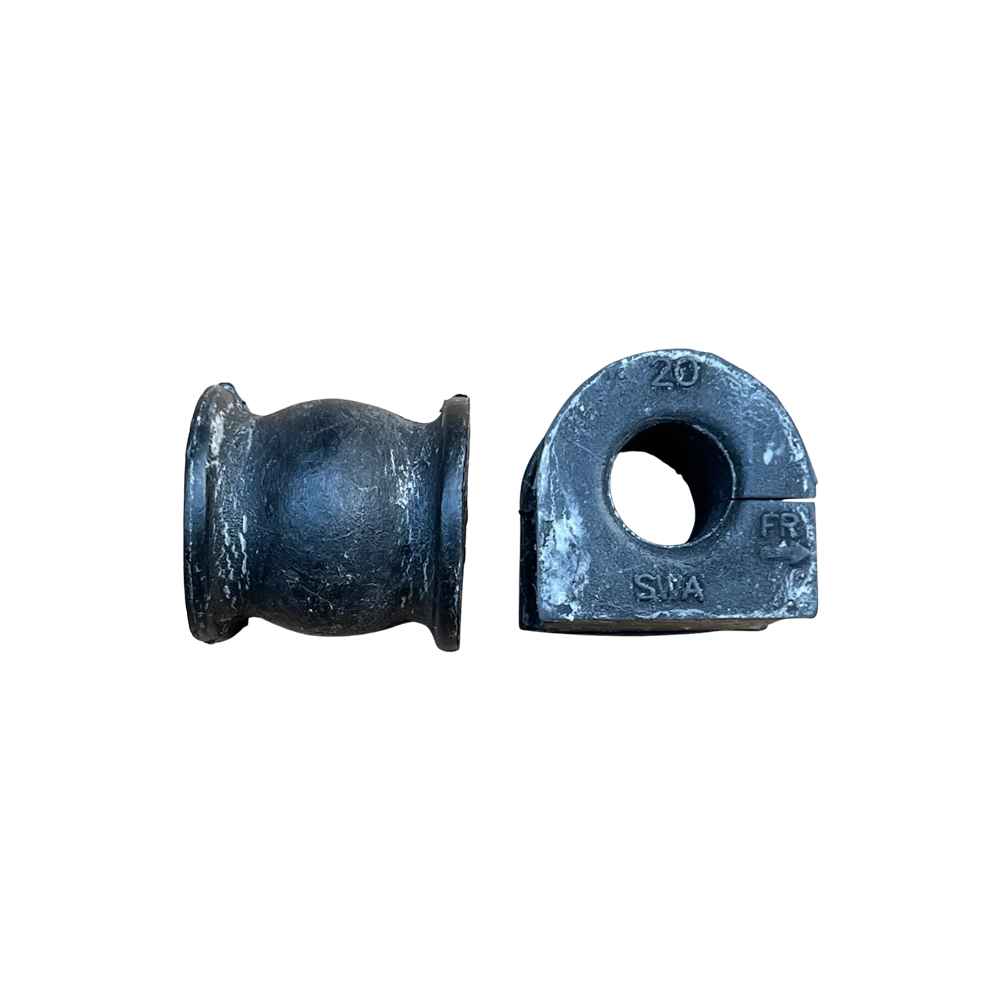
Stabilizer Bar Bushings , designed to cushion the connection between the stabilizer bar and the chassis, help reduce body roll during cornering. When these bushings deteriorate, they can cause an array of issues, including alignment problems and increased friction, which may contribute to oil leaks from nearby components such as the steering rack or shock absorbers.
Identifying Symptoms of Oil Leakage
- Visible Puddles: Puddles of oil under the vehicle can indicate a leak.
- Oil Stains: Stains on the driveways or ground where the vehicle is parked suggest seepage.
- Decreased Fluid Levels: Regularly checking your engine oil level and noticing a drop can point to a leak.
Common Causes of Oil Seepage
While stabilizer bar bushings themselves do not directly contain oil, their improper functioning can exacerbate other leaking issues. Factors contributing to oil seepage include:
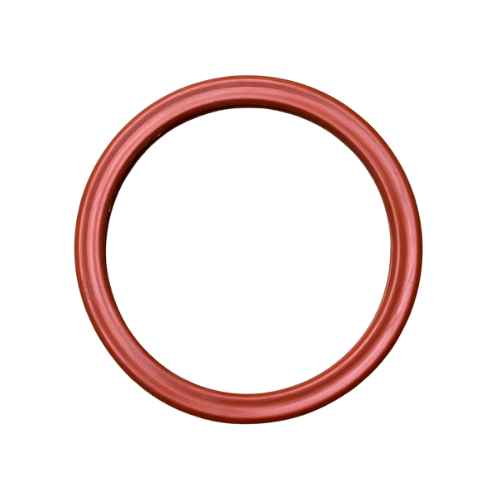
- Worn Seals: Over time, O-rings & rubber sealing rings can degrade, leading to leaks.
- Corrosion: Rusted components can allow for fluid to escape.
- Poor Installation: Incorrectly installed components may lead to misalignment, causing additional wear.
Steps to Diagnose Oil Seepage Related to Stabilizer Bar Bushings
To effectively diagnose oil seepage issues linked to stabilizer bar bushings, follow these steps:
- Inspect the stabilizer bar bushings for signs of cracks or excessive wear.
- Check adjacent components, including the steering rack boots and shock absorber boots, for any signs of damage or leaks.
- Look for any oil residue on the bushings, which could signal a leak from nearby seals.
Repairing Oil Seepage: Replacement of Stabilizer Bar Bushings
If diagnosing indicates that the stabilizer bar bushings are indeed the source of leakage, replacing them should be prioritized. Here’s how to perform the replacement:
- Gather Tools: You will need basic tools such as a wrench set, socket set, and possibly a torque wrench.
- Lift the Vehicle: Use jack stands to safely elevate the vehicle and secure it for work.
- Remove the Old Bushings: Take off the bolts holding the stabilizer bar and carefully remove the old bushings.
- Install New Bushings: Place the new bushings from reputable brands like Guanghua, ensuring they fit snugly.
- Reassemble: Reattach the stabilizer bar and tighten all fasteners to the manufacturer’s specifications.
Preventative Measures Against Future Oil Leakage
To minimize the risk of future oil seepage, consider implementing the following strategies:
- Regular Inspections: Conduct routine checks on stabilizer bar bushings and surrounding components.
- Use Quality Parts: When replacing parts, opt for high-quality options like those offered by Guanghua to ensure durability.
- Monitor Fluid Levels: Keep an eye on engine oil levels and look for any sudden drops.
Conclusion
Addressing oil seepage and leakage in vehicles requires a thorough understanding of component interactions, particularly regarding stabilizer bar bushings. By identifying symptoms early, diagnosing accurately, and taking preventative measures, vehicle owners can maintain performance and longevity while avoiding costly repairs.