
Understanding Rubber Cracking and Aging
Rubber components, including O-rings, are vital in various mechanical assemblies, providing seals that prevent leakage and maintain pressure. However, they often face challenges like cracking and aging due to environmental factors. These issues can lead to significant performance problems if not addressed promptly.
What Causes Rubber Cracking?
Rubber cracking can be attributed to several factors:
- Environmental Exposure: Prolonged exposure to UV light, ozone, and extreme temperatures can degrade the rubber's molecular structure.
- Chemical Compatibility: Interaction with oils, fuels, and other chemicals can lead to swelling or hardening of the rubber, resulting in cracks.
- Mechanical Stress: Excessive bending or stretching during use can create stress points, leading to premature failure.
The Impact of Aging on Rubber Components
Aging is a natural process that affects all elastomers. Over time, rubber materials lose their elasticity and integrity, making them more susceptible to cracking. Factors contributing to aging include:
- Oxidation: The reaction between rubber and oxygen causes hardening and brittleness, which can lead to cracks.
- Thermal Degradation: High temperatures accelerate the breakdown of rubber compounds, furthering the aging process.
Custom Rubber O-Rings: A Solution to Combat Cracking and Aging
Utilizing custom rubber O-rings can effectively mitigate the effects of cracking and aging. Here's why:
Tailored Material Selection
One of the key advantages of custom O-rings is the ability to select materials specifically designed to withstand harsh conditions. For instance, materials resistant to ozone and heat can significantly extend the lifespan of the seal. Options include:
- Fluoroelastomers for high-temperature applications.
- Silicone rubber for extreme weather resistance.
- Nitrile rubber for oil and fuel compatibility.
Precision Engineering and Sizing
Custom O-rings are made to fit specific dimensions, ensuring a perfect seal that minimizes mechanical stress. This precision reduces the likelihood of deformation under pressure, thus preventing cracks from forming over time.
Improved Durability and Performance
By choosing the right formulation and design, custom O-rings can provide enhanced durability compared to standard options. For example, certain formulations may include additives that resist degradation caused by environmental elements. Brands like Guanghua offer a range of high-performance sealing solutions that excel in longevity and reliability.
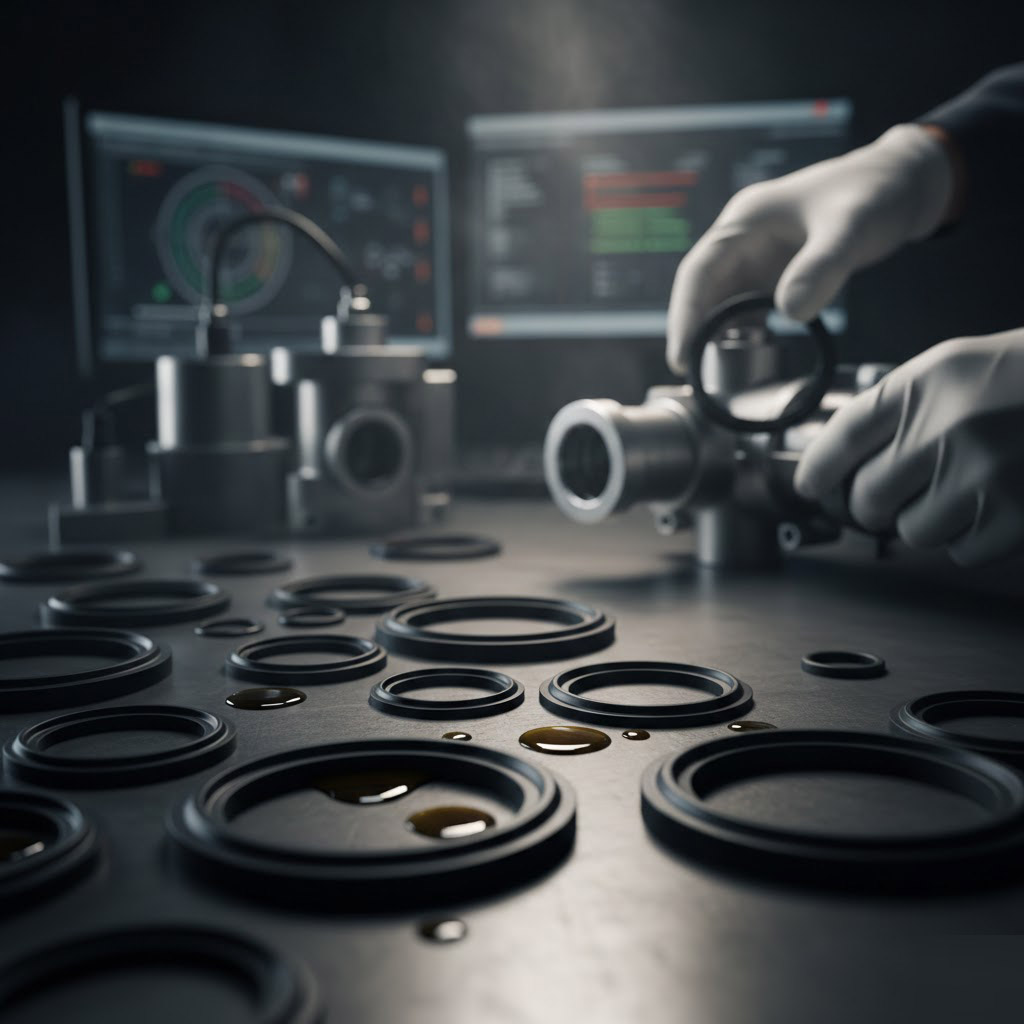
Maintenance Tips to Extend the Life of Rubber Components
While custom O-rings can help combat rubber aging, regular maintenance is crucial. Consider these tips:
- Regular Inspections: Check for signs of wear, such as cracks or discoloration. Early detection can prevent costly repairs.
- Proper Cleaning: Keep rubber parts clean and free from chemicals that could cause degradation. Avoid harsh solvents; instead, use mild soaps and water.
- Store Appropriately: If not in use, store rubber components in cool, dark places to minimize exposure to harmful elements.
When to Replace Rubber Components
If you notice significant cracking or loss of elasticity, it’s time to consider replacing your rubber components. Waiting too long can lead to failures that affect overall system performance. Be proactive about using high-quality replacements, as subpar materials can exacerbate the problem.
Conclusion
In summary, addressing rubber cracking and aging through the use of custom rubber O-rings is essential for maintaining reliable mechanical systems. By selecting appropriate materials, ensuring precise sizing, and implementing regular maintenance, you can greatly enhance the lifespan and effectiveness of rubber components.







