
Understanding Rubber Cracking and Aging
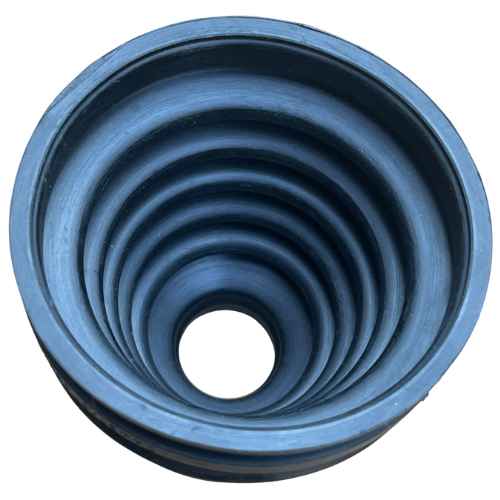
Rubber materials, particularly those used in automotive applications, are susceptible to cracking and aging due to environmental factors. These conditions can lead to significant performance issues, affecting components like CV Joint Boots and Steering Rack Boots , which are essential for vehicle functionality.
The Science Behind Rubber Degradation
Rubber, being a polymer, undergoes various chemical changes over time. Exposure to heat, ozone, and UV light can cause the molecular structure of rubber to break down. This process results in loss of elasticity and an increase in brittleness. As a consequence, one might find that essential parts like shock absorber boots or Stabilizer Bar Bushings begin to show signs of wear much earlier than expected.
Characteristics of Heat-Resistant ACM
Acrylic rubber, commonly known as ACM (Acrylic Copolymer), possesses distinct properties that make it suitable for high-temperature applications. Notably, its excellent resistance to heat and ozone degradation renders it an ideal choice for components exposed to harsh environments. In contrast to conventional rubber compounds, ACM can maintain resilience and flexibility even when subjected to elevated temperatures.
Benefits of Using ACM in Automotive Components
- Enhanced Durability: Due to its superior thermal stability, ACM resists cracking and aging more effectively than traditional polymers.
- Resistance to Chemicals: ACM displays commendable resistance to oils and fuels, making it suitable for automotive applications where exposure to such substances is common.
- Maintained Performance: Parts made from ACM, such as O-Rings & rubber sealing rings, continue to perform optimally without significant deformation or loss of sealing capability.
Application of ACM in Various Automotive Parts
When selecting materials for automotive components, manufacturers frequently consider ACM due to its advantageous properties. For example, using ACM for valve cover gaskets ensures prolonged service life and reliable performance. Furthermore, integrating ACM into shock absorber boots could minimize maintenance needs, providing peace of mind for vehicle owners.
Implementation Strategies for ACM Usage
Incorporating ACM into production processes requires careful planning and execution. Here are some strategies to consider:
- Material Selection: Ensure that ACM is chosen based on specific performance requirements of each component.
- Testing and Validation: Conduct thorough testing under varying temperature and environmental conditions to ascertain long-term performance.
- Collaboration with Suppliers: Work closely with reputable suppliers, such as Guanghua, who specialize in high-performance rubber solutions to ensure compatibility and quality.
Maintenance Tips for Maximizing Lifespan
While ACM significantly enhances durability, regular maintenance remains crucial for extending the lifespan of rubber components. Here are some recommended practices:
- Regular Inspections: Routinely check for signs of wear or damage, especially in critical parts like CV joint boots and steering rack boots.
- Environmental Protection: Consider applying protective coatings or treatments that further shield rubber surfaces from UV rays and chemicals.
- Temperature Monitoring: Keep an eye on operating temperatures, ensuring they remain within the specified range for optimal performance.
Conclusion: Embracing Advancements in Rubber Technology
By leveraging heat-resistant ACM in automotive applications, manufacturers can significantly reduce the incidence of rubber cracking and aging. The advanced properties of ACM not only enhance the longevity of components but also improve overall vehicle reliability. Consequently, embracing innovative materials is imperative for maintaining high standards in automotive engineering.







