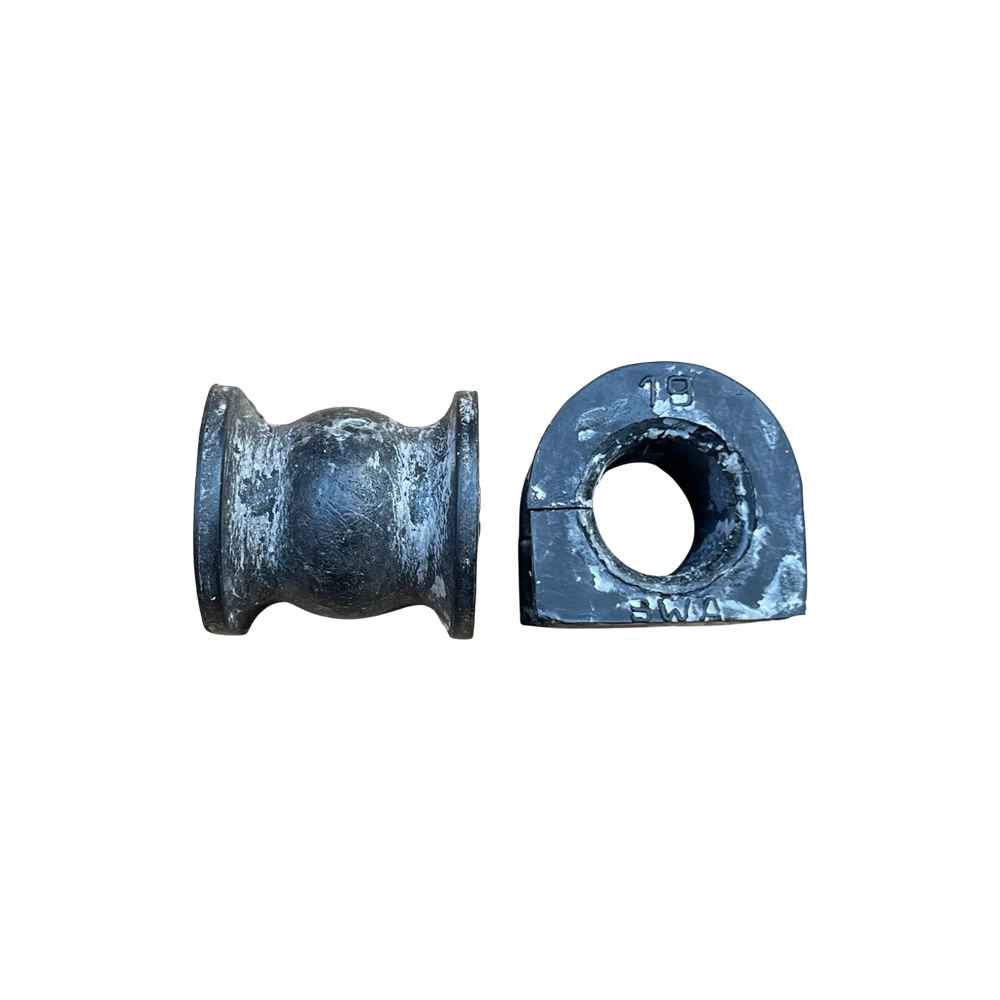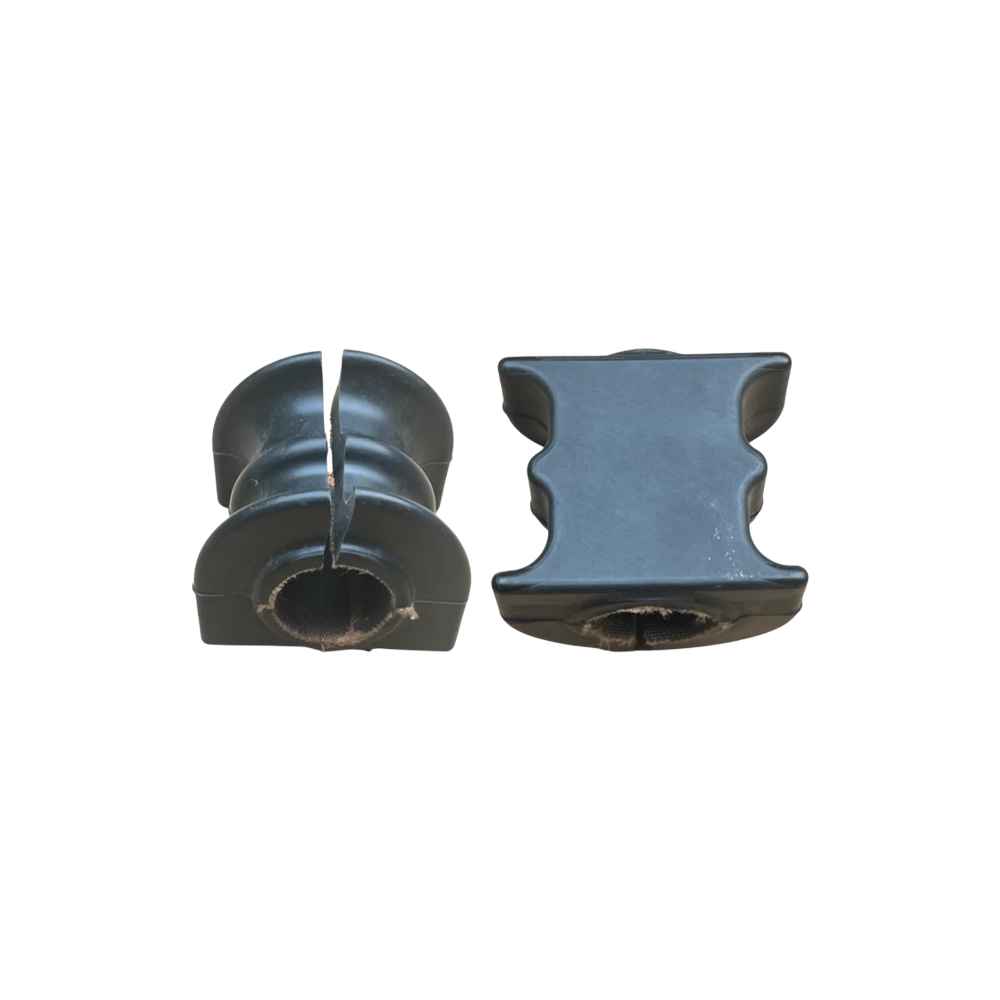
Understanding Rubber Aging and Cracking
Rubber components, like gaskets and seals, can experience cracking and aging over time. This can be due to various factors—UV exposure, temperature fluctuations, or even just wear and tear from regular use. You might notice this issue with parts like CV Joint Boots or Steering Rack Boots often found in your vehicle. It's important to tackle these problems early to avoid costly repairs later on.
Why Does Rubber Cracking Occur?
The main culprit behind rubber cracking is the breakdown of elastomers. When rubber is exposed to the elements, it dries out. This leads to loss of flexibility and, eventually, cracks form. Additionally, ozone and UV light contribute significantly to this degradation process. Imagine leaving your favorite rubber toy out in the sun for too long—it’ll start to look a bit sad and brittle!
Signs of Aging Rubber Components
- Visible Cracks: Look closely at your rubber parts; cracks are often the first sign.
- Dryness: If it feels hard and less flexible, that’s a red flag.
- Discoloration: Faded color can mean that the rubber has aged.
If you’re not sure where to start, keep an eye on the rubber bits under your hood or in suspension components, like Shock Absorber Boots . These parts take a beating but are easy to overlook!
How to Address Aging Rubber
So, what can you do? First off, proper maintenance is key. Regular inspections can save you headaches down the line. But if you find yourself facing cracked rubber:
- Replace Affected Parts: Sometimes, the best option is to simply swap out old components. For example, replacing valve cover gasket can prevent leaks caused by degraded rubber.
- Conditioning Products: There are sprays designed to rejuvenate rubber. They can temporarily restore some elasticity, but they won’t be a permanent fix.
- Storage Solutions: If you’re storing rubber items, keep them in a cool, dry place away from direct sunlight.
Choosing Quality Products
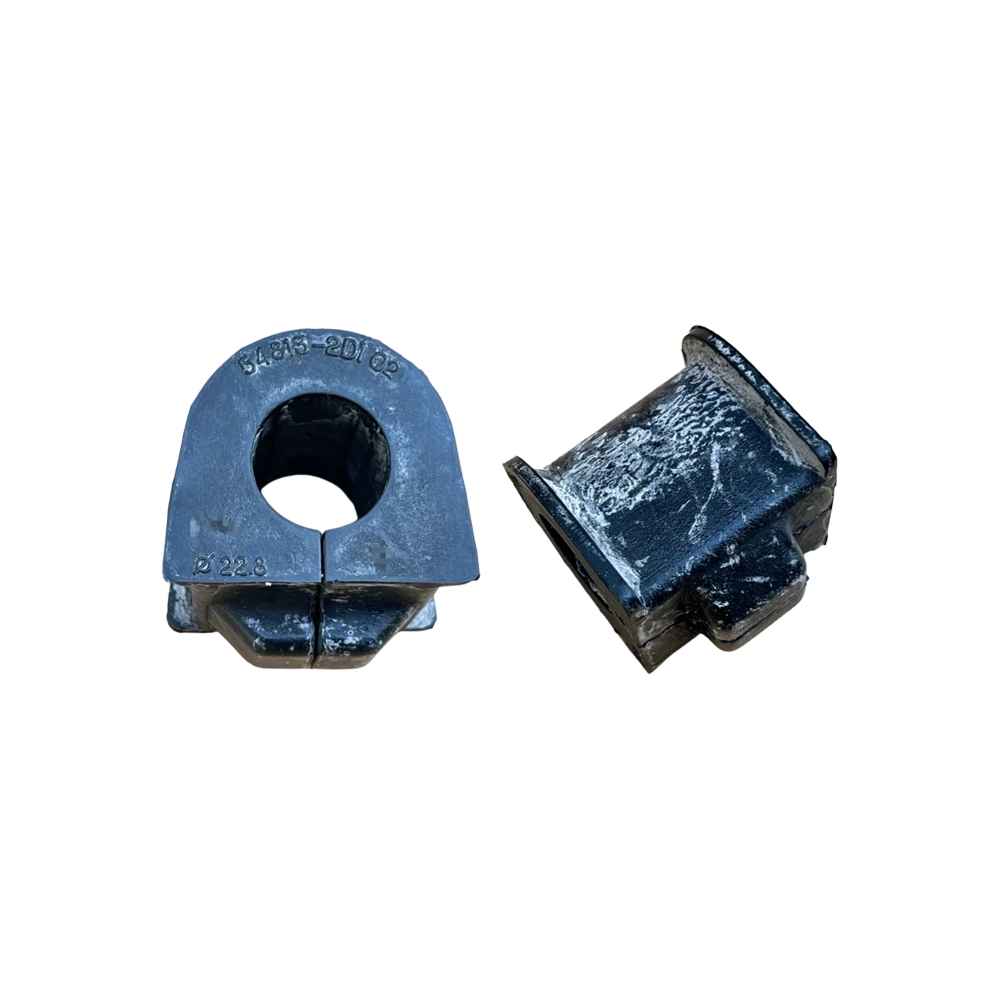
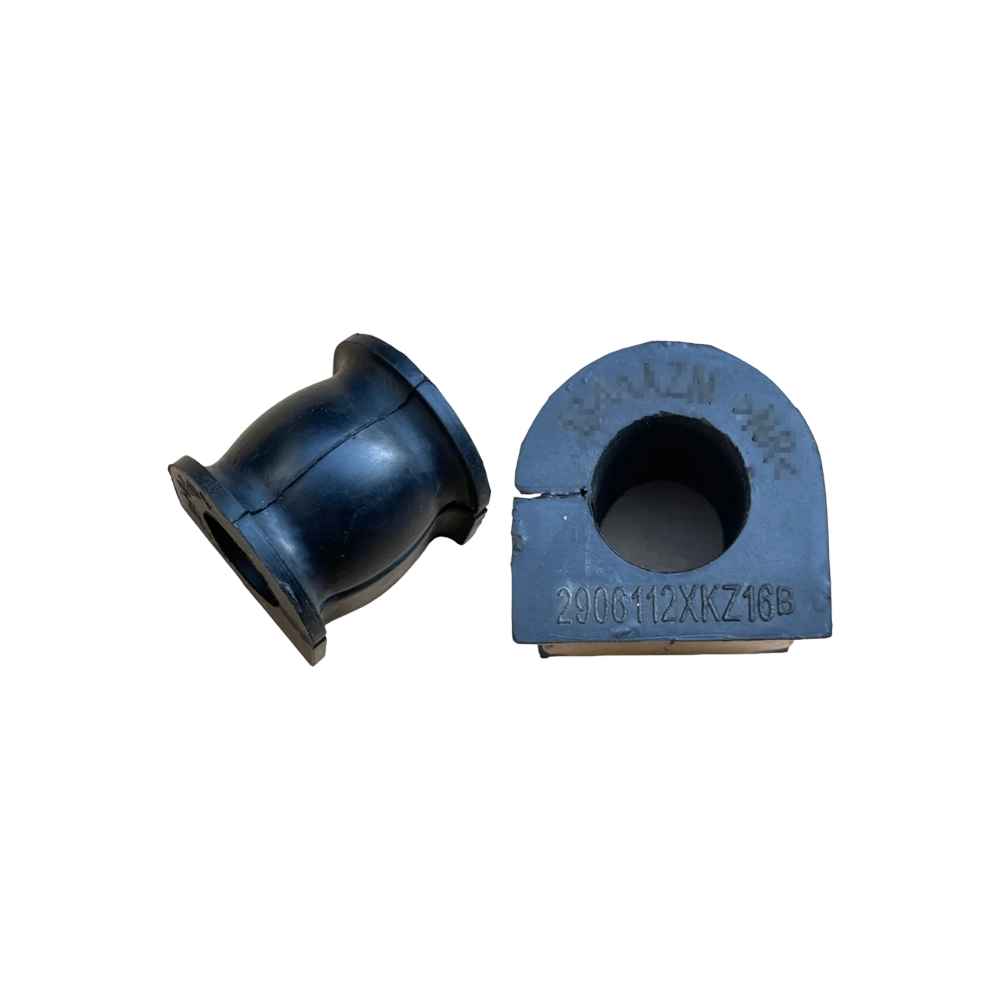
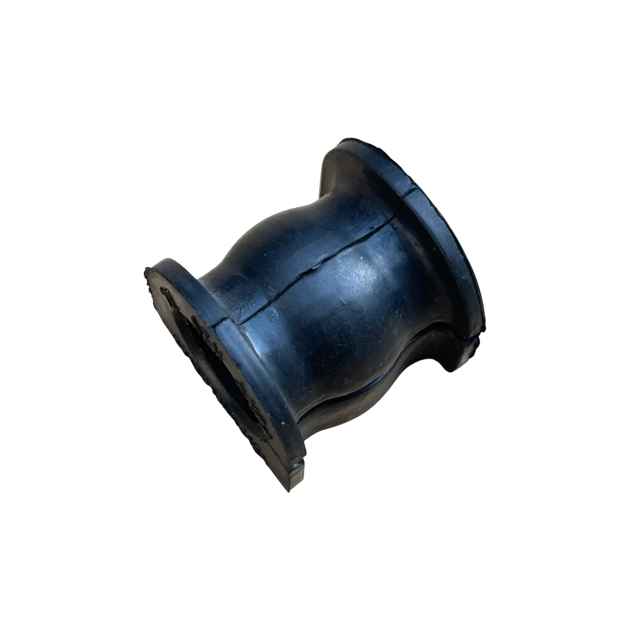
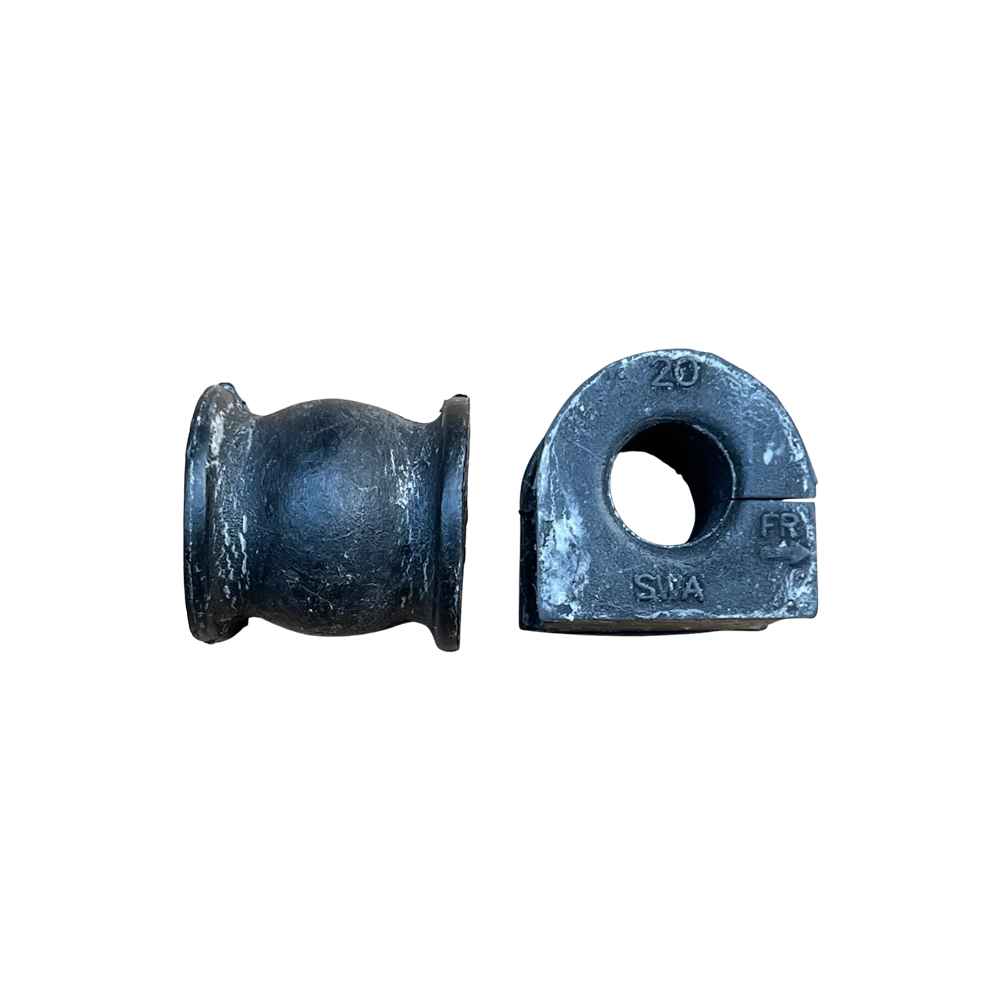
When replacing worn-out rubber components, opt for high-quality items. Brands like Guanghua offer reliable options that ensure durability and performance. It’s worth doing a little research to select the right product, especially when dealing with critical components like stabilizer bar bushings .

Preventative Measures for Longevity
To minimize future rubber aging, consider these tips:
- Avoid Direct Sunlight: Parking in shade or using covers can help protect rubber parts.
- Regular Cleaning: Dust and grime can hold moisture, which accelerates degradation. Use a mild detergent to clean rubber components.
- Keep Them Hydrated: A good rubber conditioner can work wonders, just remember it’s not a cure-all solution!
Conclusion
Addressing rubber cracking and aging involves understanding the causes and implementing effective solutions. Whether you’re a DIY enthusiast or prefer professional help, being proactive about maintenance will keep your vehicle running smoothly. Remember, don’t ignore those little signs; they could lead to bigger issues if left unattended!