Understanding Rubber Cracking and Aging
Rubber components are everywhere. They help maintain efficiency, ensure safety, and provide comfort in various applications. Yet, they age. Cracks appear, and their integrity diminishes. Why? Exposure to UV light, heat, and ozone can lead to premature aging of rubber. It's alarming how quickly these factors can degrade essential parts!
The Science Behind Rubber Aging
When rubber is manufactured, it undergoes a process called vulcanization, which enhances its durability. However, over time, the molecular structure begins to break down. According to studies, rubber can start to crack within just a few years if not properly maintained.
- Ozone exposure: Causes surface cracking.
- Heat degradation: Weakens the material.
- UV radiation: Alters physical properties.
Common Applications Affected by Cracking
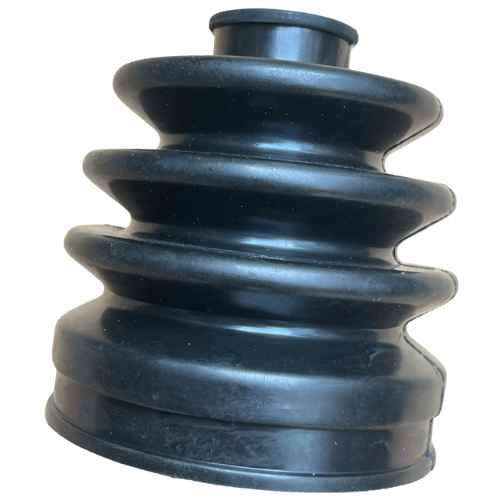
Consider a car's suspension system. The CV Joint Boots play a crucial role in protecting joints from dirt and moisture. When these boots crack, dirt enters, leading to costly repairs. Imagine having to replace your Steering Rack Boots due to neglect—what a waste! In instances like this, regular inspections become vital.
Preventing Leakage and Enhancing Longevity
What’s the solution? It lies in using high-quality materials. Brands like Guanghua specialize in manufacturing advanced rubber sealing solutions that resist aging. Products such as O-Rings & Rubber Sealing Rings offer outstanding performance against environmental stressors.
Choosing the Right Materials
Not all rubber is created equal. Here’s what to look for:
- Temperature resistance: Essential for automotive applications.
- Ozone resistance: Helps delay aging.
- Flexibility: Maintains functionality even in extreme conditions.
Implementing Maintenance Routines
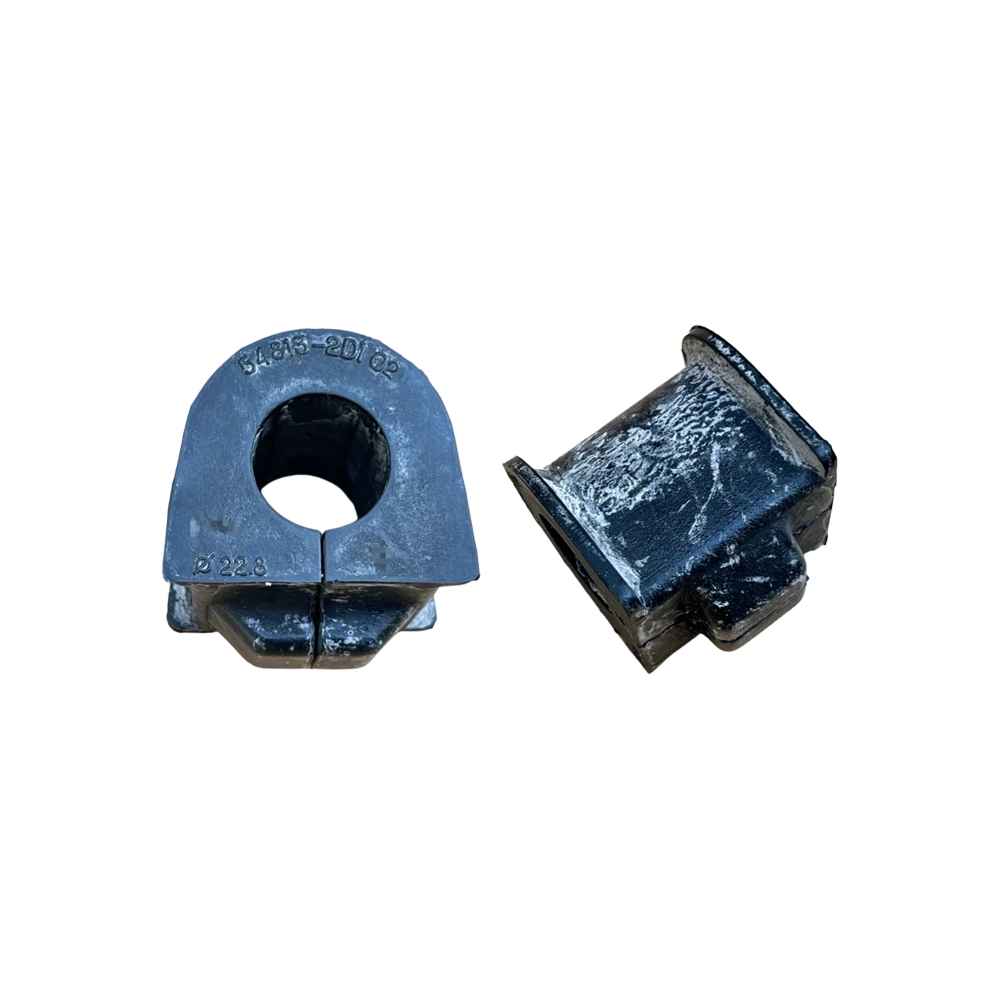
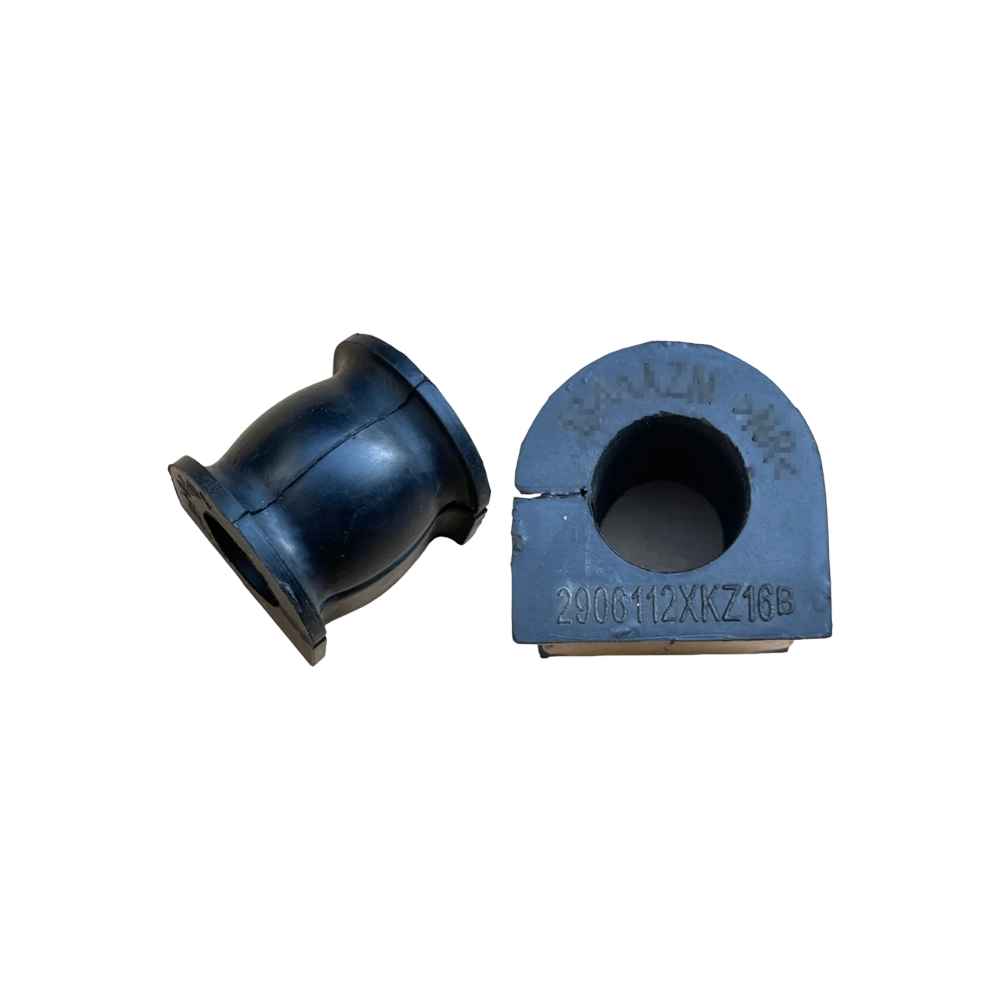
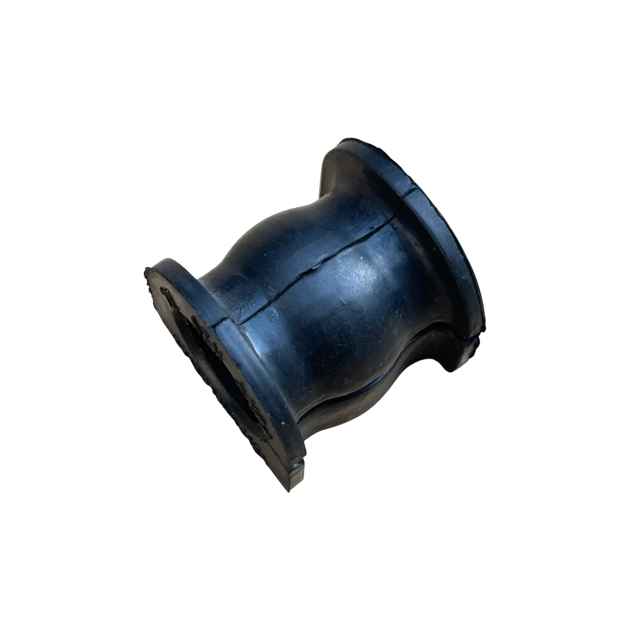
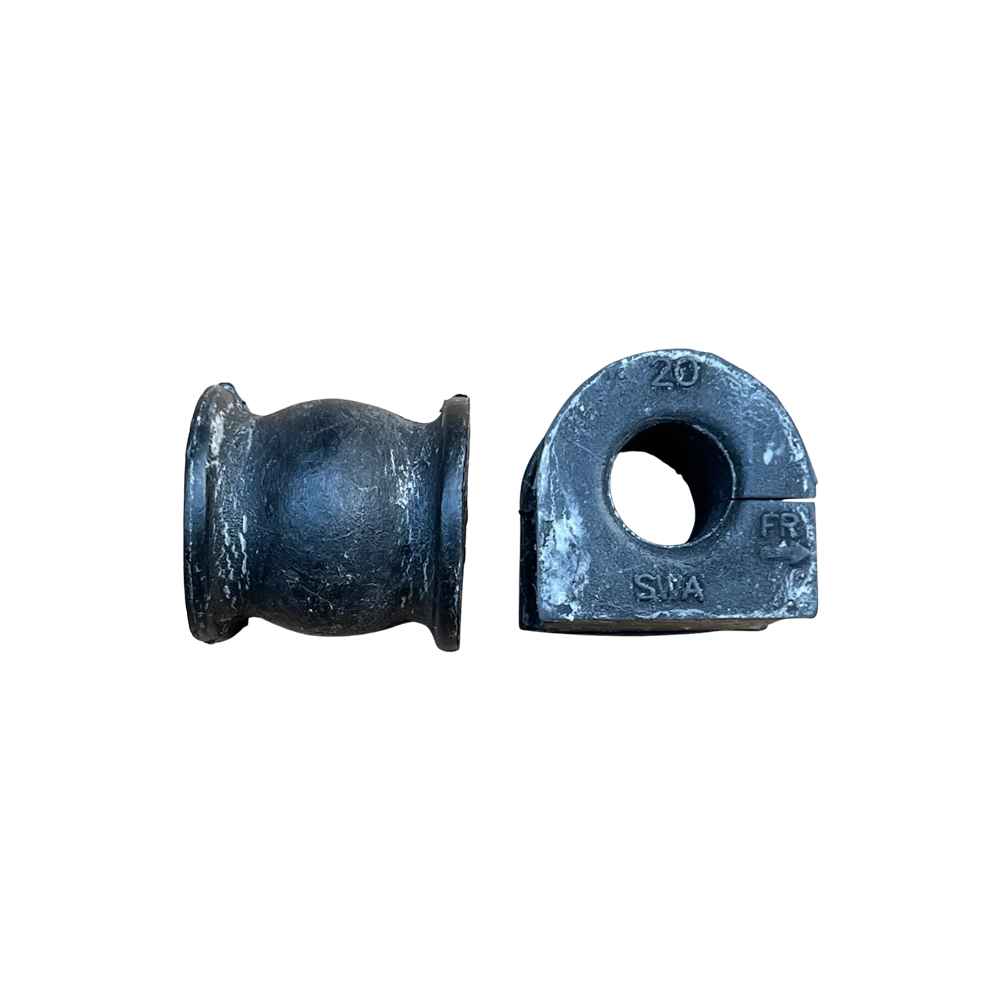
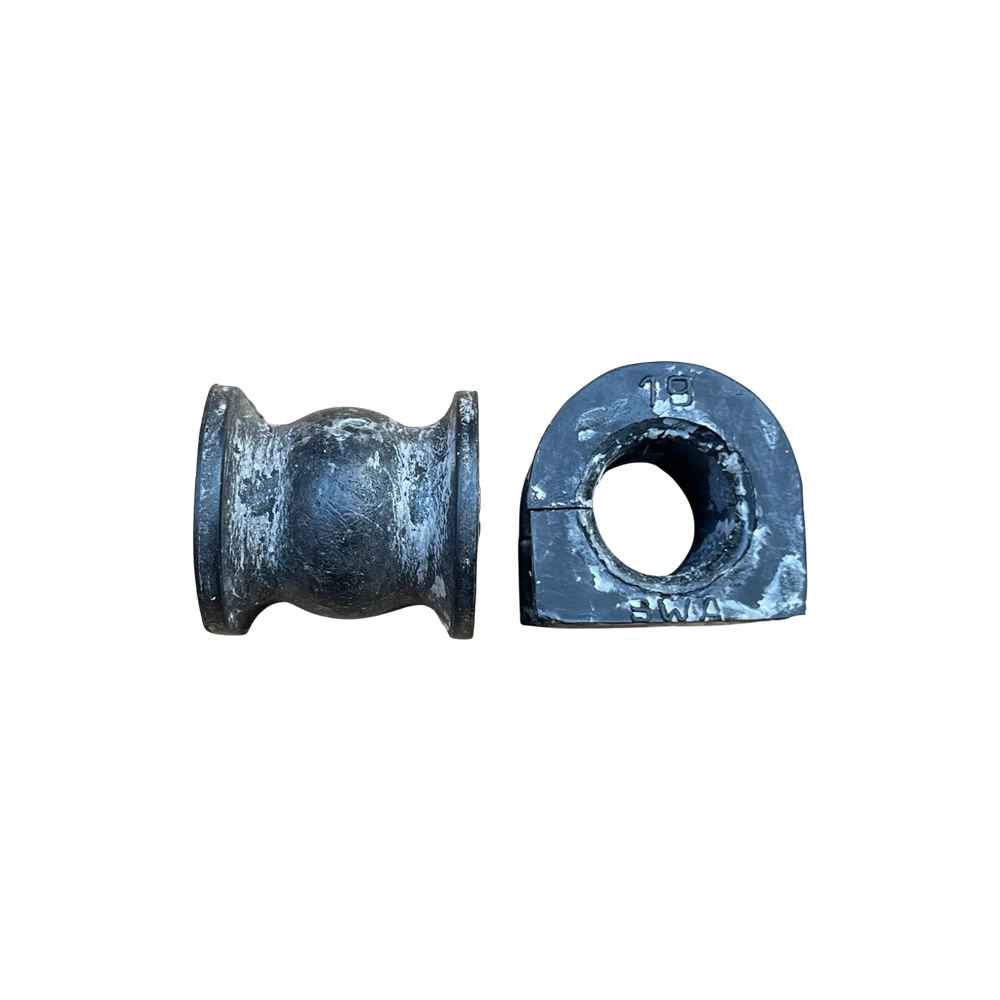
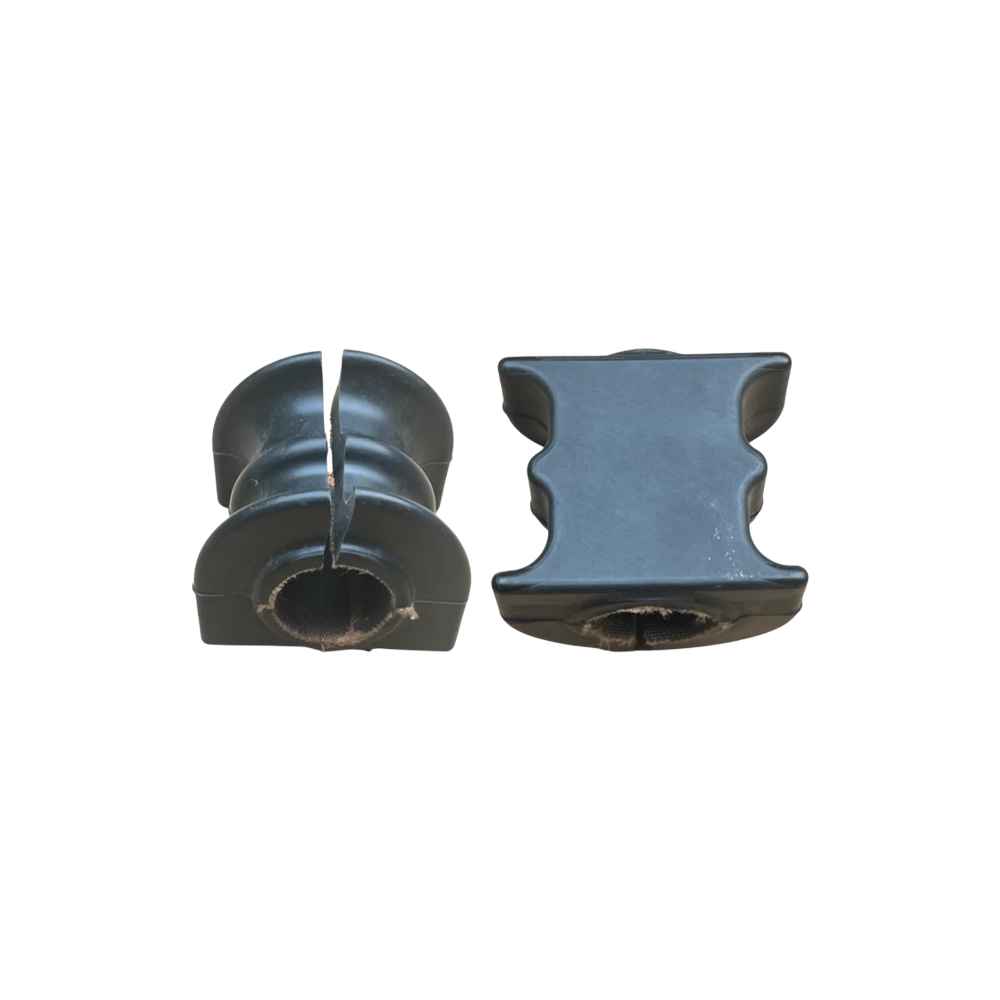
Inspection is key. Regularly check the condition of vital components. Look at shock absorber boots, stabilizer bar bushings, and valve cover gaskets; each needs your attention. Did you know that a simple visual inspection could save thousands in repair costs?
Innovative Solutions for Leak-proof Integrity
To enhance leak-proof characteristics, consider using sealers specifically designed for rubber products. These formulations can fill micro-cracks and create a barrier against moisture ingress. Isn’t it fascinating how a small investment can lead to significant savings?
Field Testing with Real-World Examples
In a recent case study involving an automotive fleet, replacing conventional rubber components with Guanghua’s upgraded products reduced leaks by over 50%. That’s impressive, right? Fleet managers reported extended lifespans for critical parts while cutting down on maintenance costs.
Frequency of Replacement
How often should you replace your rubber components? Generally, every 5-10 years is advisable, depending on usage conditions. This is especially true for items like valve cover gaskets, which can become brittle and prone to leaks.
Final Thoughts on Rubber Longevity
The journey of maintaining rubber products may seem daunting, yet embracing quality and routine care leads to extraordinary results. Don't let rubber aging catch you off guard! Incorporate preventive measures today. Your future self will thank you.