Understanding Rubber Cracking and Aging
Rubber components are a vital part of any vehicle's assembly. Among these, rack and pinion boots play a crucial role in protecting the steering mechanism from contaminants. However, over time, exposure to environmental factors can lead to cracking and aging of these rubber parts.
The Impact of Extreme Conditions
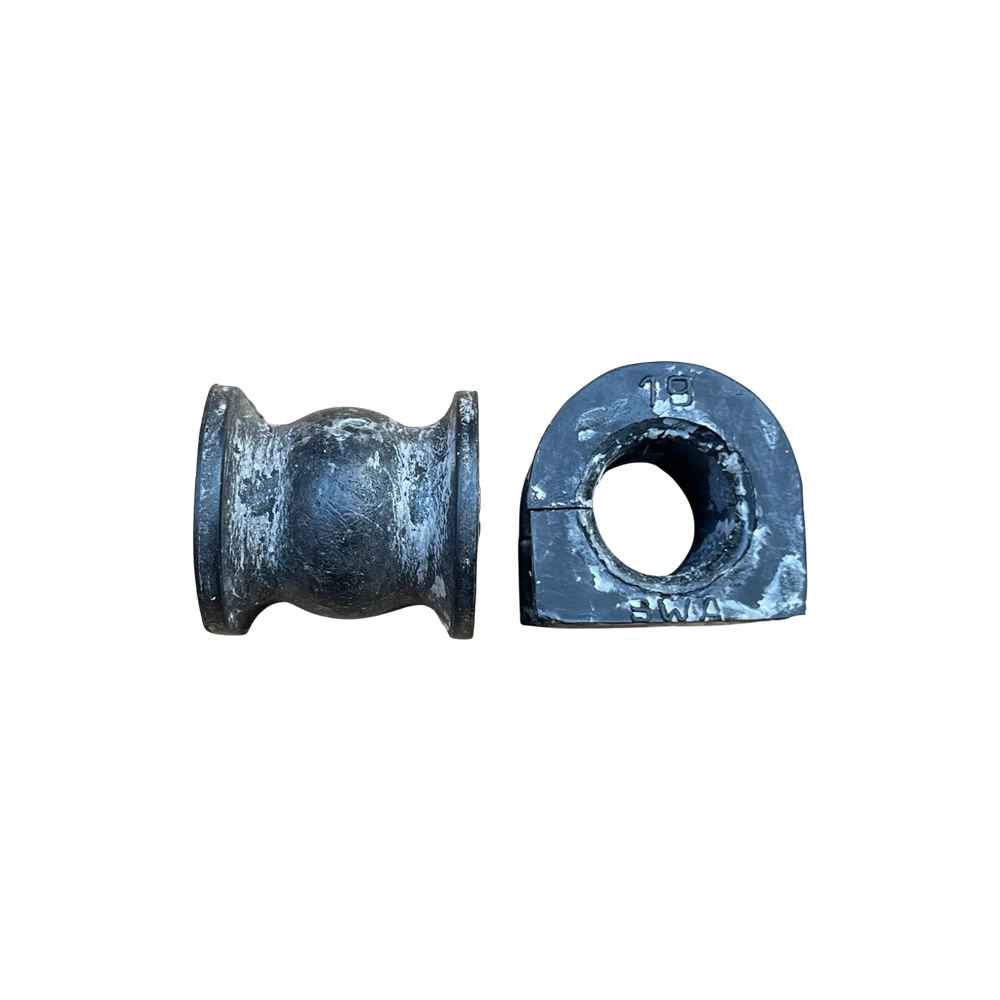
Rubber is inherently susceptible to various forms of degradation. Factors such as UV radiation, heat, and ozone exposure can accelerate the aging process. For instance, a vehicle parked under direct sunlight for long periods is more likely to experience rapid wear on its Steering Rack Boots , potentially leading to cracks.
Common Symptoms of Rubber Degradation
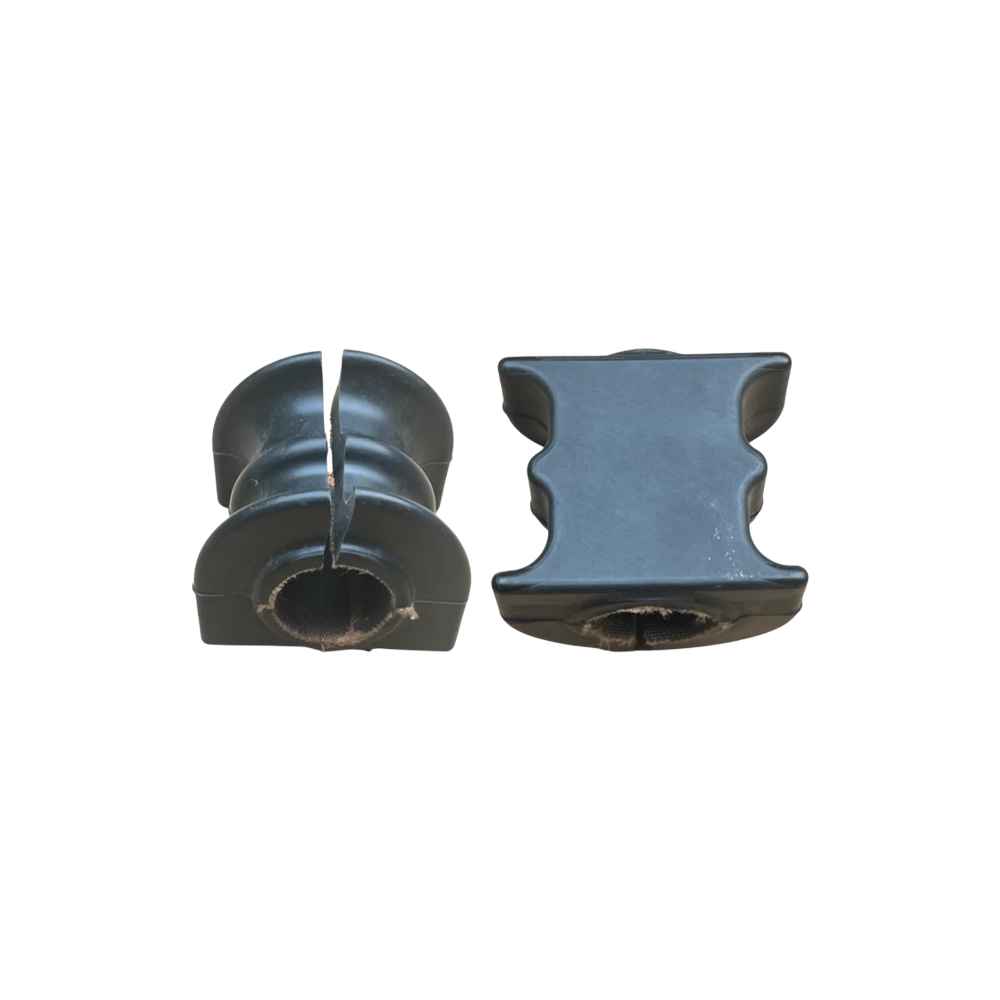
- Visible cracks or splits on the surface of the rubber
- Reduced flexibility and stiffness
- Increased noise while steering
- Leaking fluids around the steering area
If you notice any of these symptoms, it’s essential to address the issue promptly to avoid further damage to the steering system.
Preventative Measures for Longevity
Prevention is always better than cure. Here are some strategies to extend the lifespan of your rack and pinion boots:
- Regular Inspections: Regularly check the condition of your boots. Look out for cracks or signs of aging.
- Use Quality Products: Opt for high-quality rack and pinion boots like those from Guanghua, which are specifically designed to withstand harsh conditions.
- Protective Coatings: Consider applying silicone spray or rubber conditioner to help protect against UV rays and moisture.
Choosing the Right Rack and Pinion Boots
Selecting the right product is critical. Not all rubber components are created equal. High-performance boots offer superior resistance to cracking and have enhanced durability. Brands like Guanghua have developed robust alternatives that not only meet but exceed industry standards.
Repairing and Replacing Damaged Boots
When damage occurs, timely replacement is key. Here's how to go about it:
Step-by-Step Guide to Replacement
- Assess the Damage: Before proceeding with any repairs, confirm that the boot is indeed damaged.
- Gather Tools: You’ll need basic tools like wrenches, screwdrivers, and possibly new O-Rings & Rubber Sealing Rings .
- Remove the Old Boot: Carefully detach the damaged boot without affecting adjacent components.
- Install New Boot: Position the new rack and pinion boot securely and ensure it fits snugly around the steering rack.
- Check Alignment: Ensure everything is aligned correctly and tighten all fittings.
Lubrication is Key
After replacing the boots, adequately lubricating the steering system will help prevent premature wear. A well-lubricated system significantly reduces friction, enhancing overall performance.
Why Use Shock Absorber Boots ?
Besides rack and pinion boots, other rubber components like shock absorber boots also require attention. These parts often work under significant stress, and their integrity is equally important in maintaining vehicle safety and handling.
The Role of Stabilizer Bar Bushings
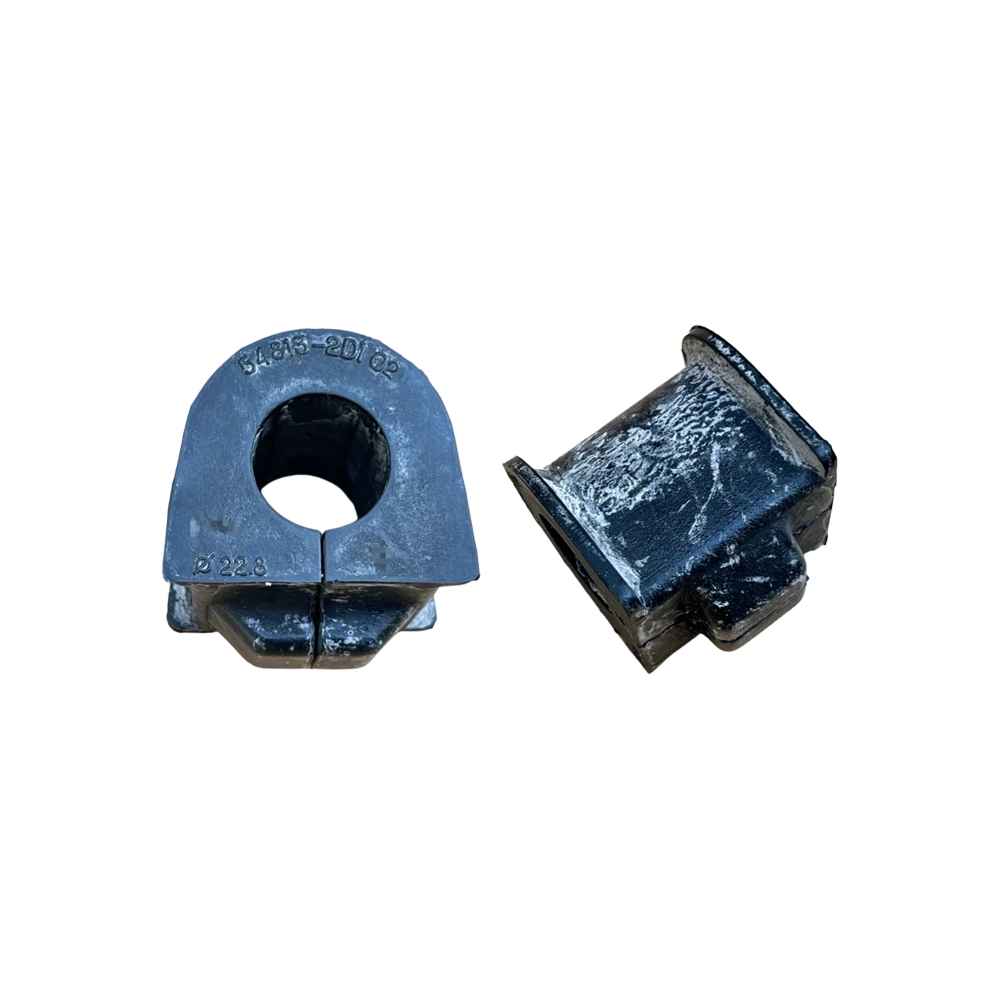
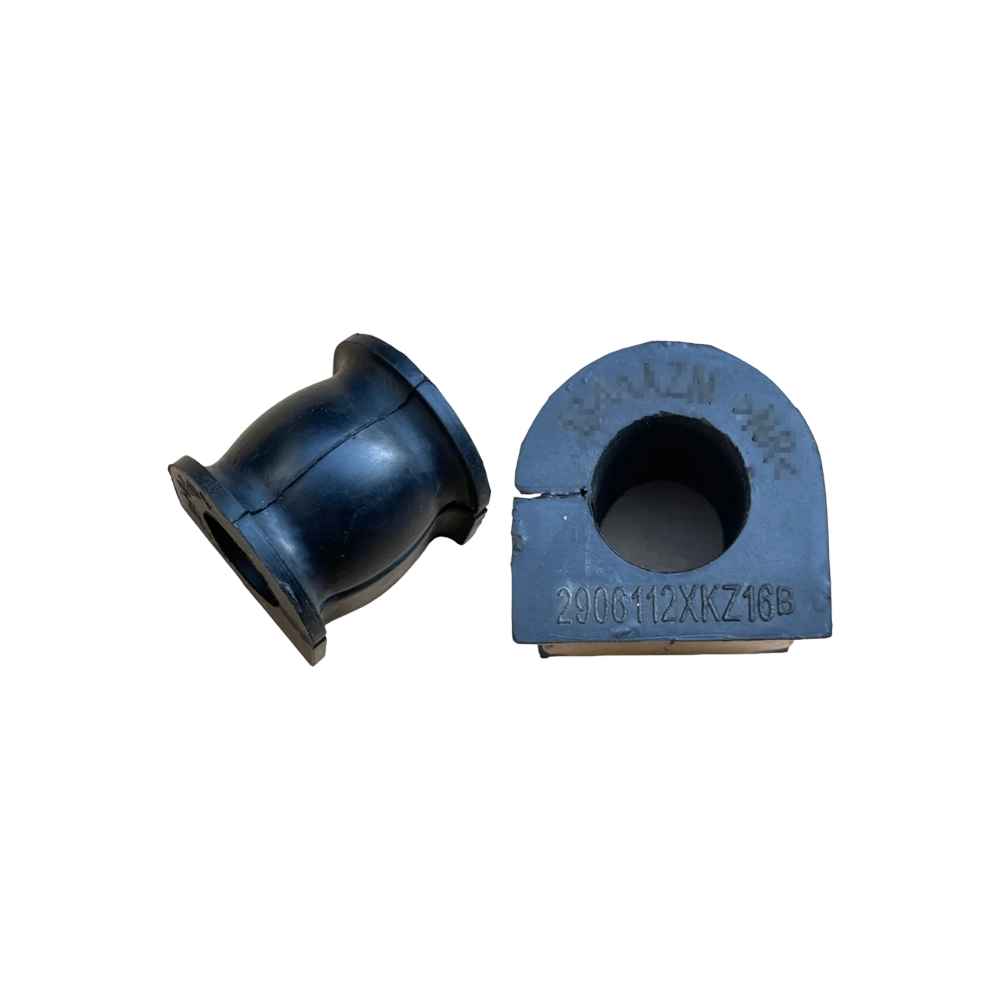
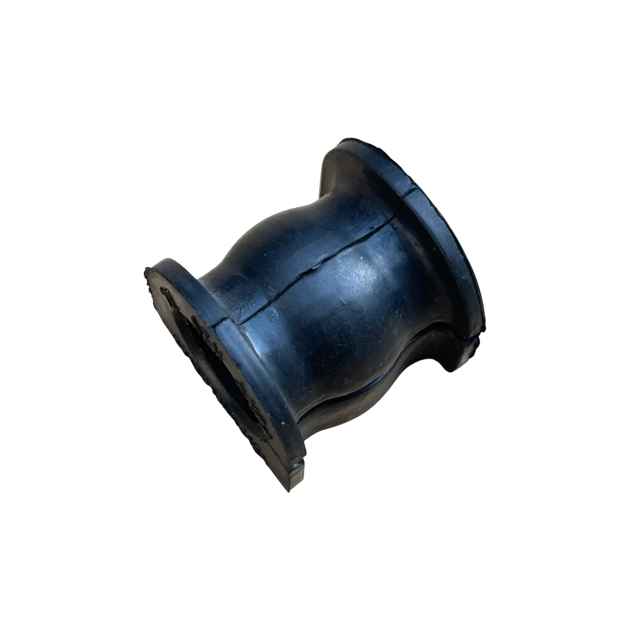
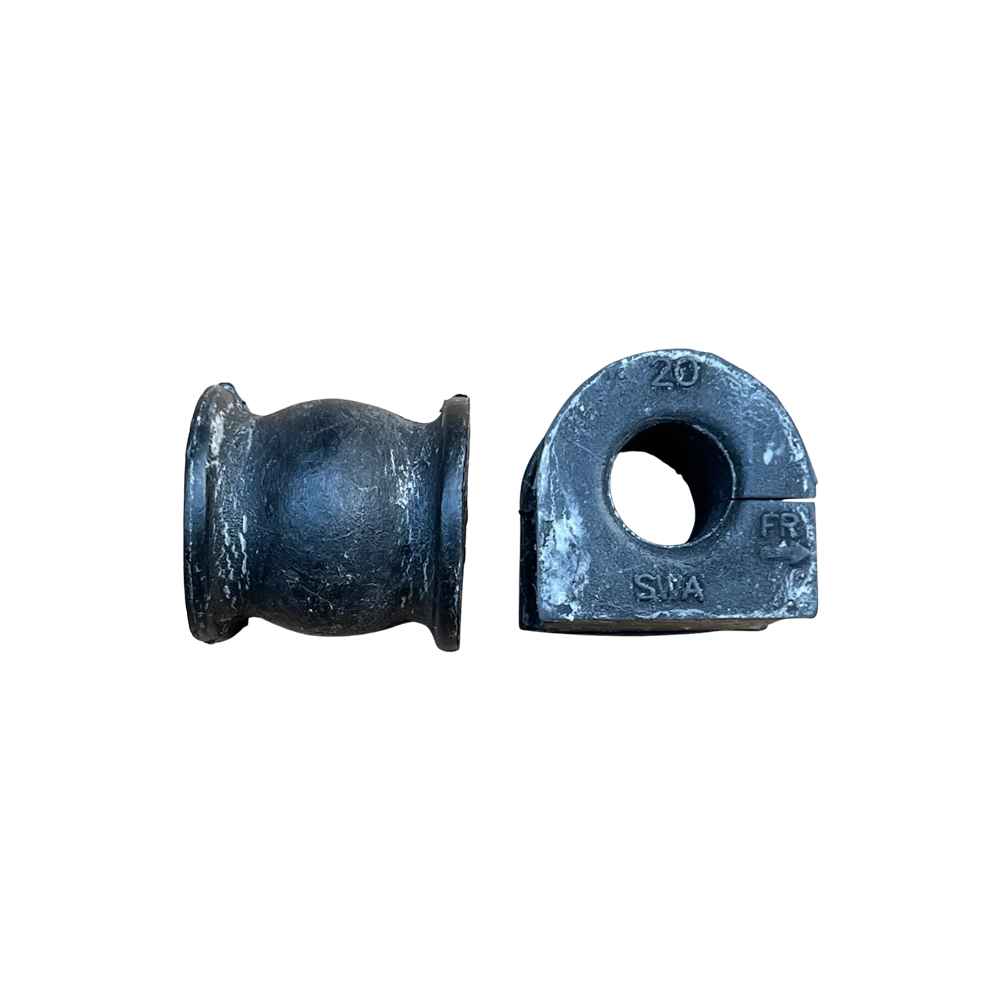
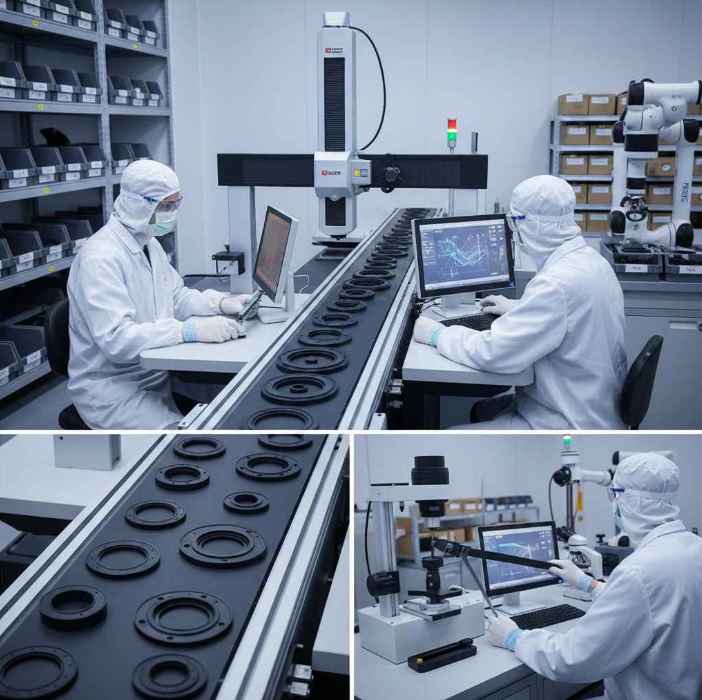
Stabilizer bar bushings serve a similar purpose; they help absorb shocks during driving, contributing to a smoother ride. Any signs of cracking or wear should prompt immediate replacement to avoid further complications down the line.
Conclusion: The Importance of Maintenance
Regular maintenance and careful selection of high-quality components can significantly reduce the risk of rubber cracking and aging. By investing time and resources into your vehicle’s maintenance, you’re ensuring a smooth and safe driving experience for years to come. Remember, staying proactive is the best way to fend off costly repairs.