Understanding Rubber Aging and Cracking
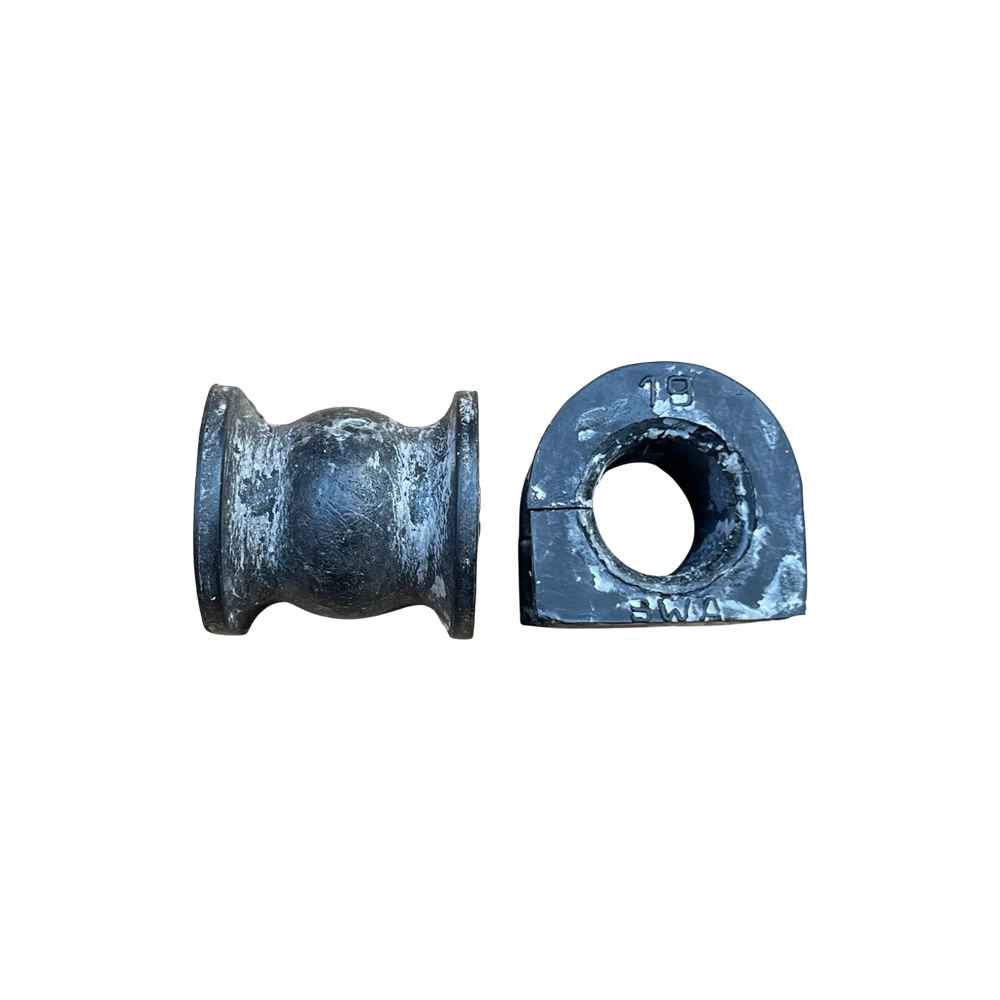
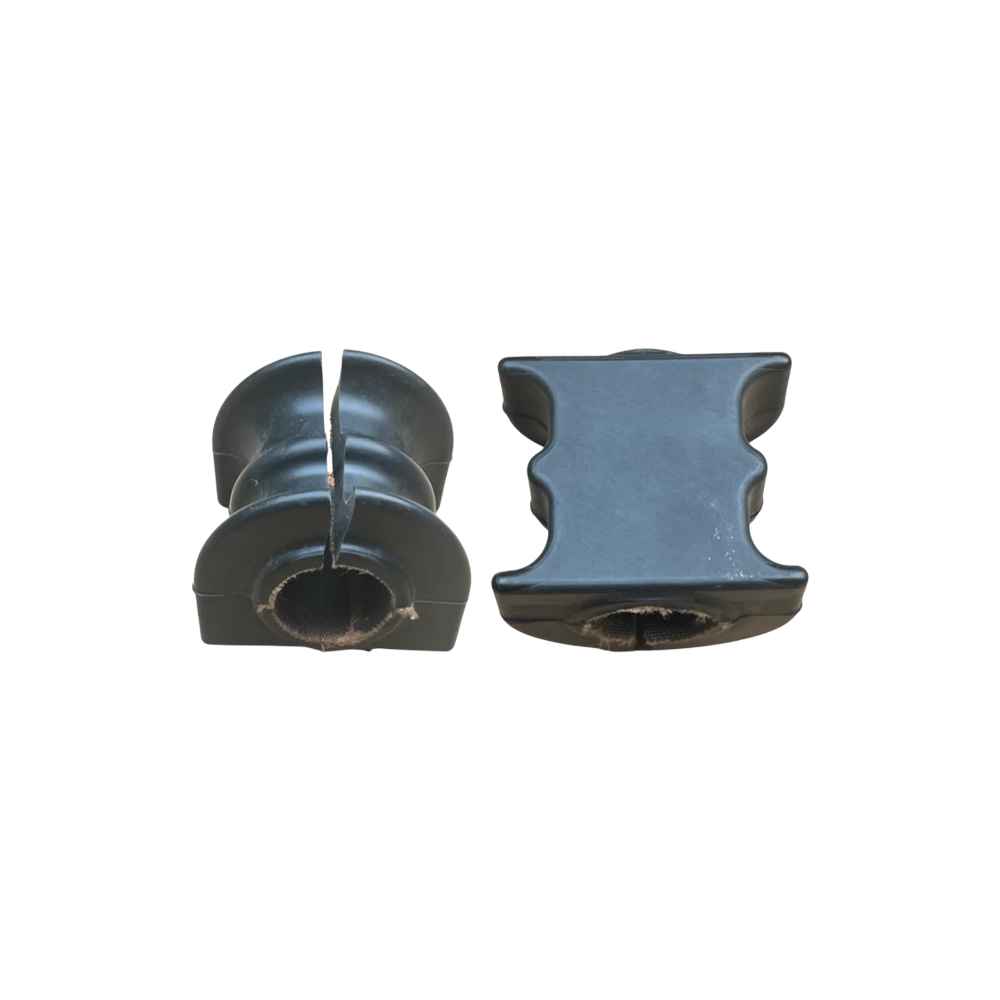
Rubber components in automotive systems, such as the steering gear boot, are essential for maintaining the integrity of various mechanical functions. Over time, exposure to environmental factors like heat, ozone, and chemicals can lead to the degradation of rubber materials, resulting in cracks and premature aging.
Causes of Rubber Cracking
The primary causes of rubber cracking in steering gear boots include:
- UV Exposure: Prolonged sunlight can break down rubber compounds.
- Ozone Damage: Ozone is a significant factor leading to wear and tear.
- Heat: High temperatures can cause rubber to harden and lose flexibility.
- Poor Quality Materials: Inexpensive or substandard rubber may not withstand stress.
The Role of Steering Gear Boots
Steering gear boots serve a dual purpose: protecting steering components from dirt and debris while also retaining lubrication. When these boots fail due to cracking, contaminants can enter the system, leading to further complications such as increased wear on the steering rack.
Identifying Signs of Wear
Detecting early signs of deterioration is crucial to prevent extensive damage. Common indicators include:
- Visible cracks or splits on the surface of the rubber.
- Grease leakage underneath the boot.
- Unusual noises when steering, indicating potential gear damage.
Preventive Measures
To mitigate rubber aging and prolong the life of steering gear boots, consider implementing the following strategies:
- Regular Inspections: Conduct routine checks to identify any early signs of wear.
- Quality Products: Opt for high-quality steering gear boots, such as those produced by Guanghua, known for their durability and resistance to environmental factors.
- Proper Maintenance: Ensure that the vehicle's lubricants and fluids are regularly changed, reducing the risk of rubber exposure to harmful substances.
Repairing and Replacing Boots
When cracks become evident, prompt action is necessary to avoid more costly repairs. Depending on the severity of the damage, one may need to either repair or replace the steering gear boot.
Repair Solutions
If the damage is minor, applying a rubber sealant may suffice. This process involves cleaning the area around the crack and carefully applying the sealant to ensure a watertight bond.
Replacement Process
For severe damage, replacement is often the only viable option:
- Remove the damaged boot by detaching it from the steering column.
- Clean the area to remove any dirt or grease.
- Install the new boot securely, ensuring proper alignment.
- Check surrounding components, such as the CV Joint Boots and others, for similar wear.
Long-Term Solutions
To ensure longevity in rubber components, consider using O-Rings & Rubber Sealing Rings in conjunction with steering gear boots. These seals provide additional protection against contaminants and help maintain optimal performance within the steering system.
Choosing the Right Materials
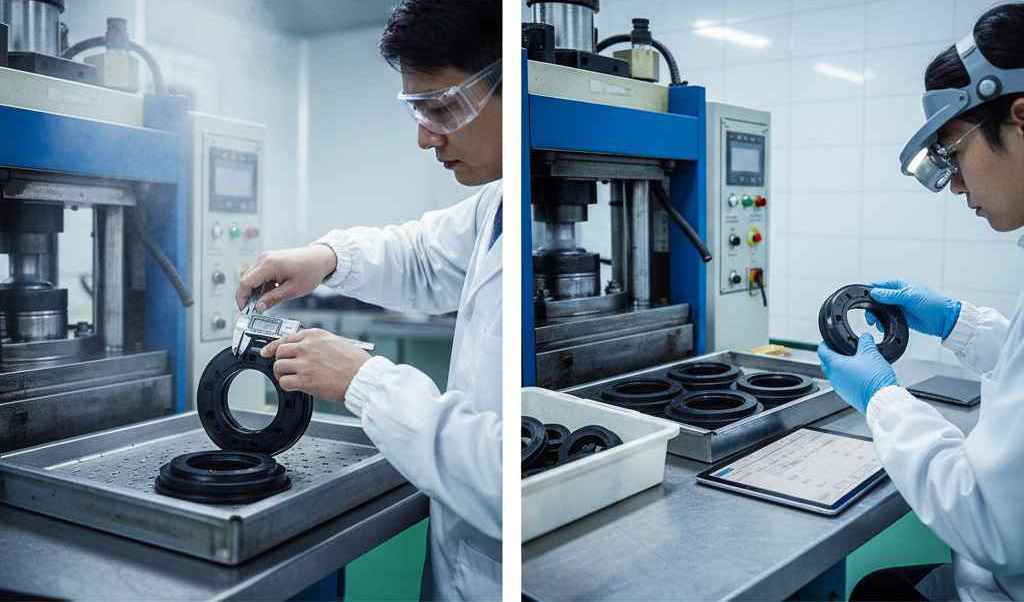
The selection of robust materials plays a pivotal role in preventing rubber aging. High-quality formulations specifically designed to resist environmental stressors, including UV rays and ozone exposure, should be prioritized.
Monitoring Environmental Conditions
Lastly, being aware of your vehicle's typical operating environment can inform better preventive measures. If consistently exposed to harsh weather conditions, proactive maintenance becomes essential.