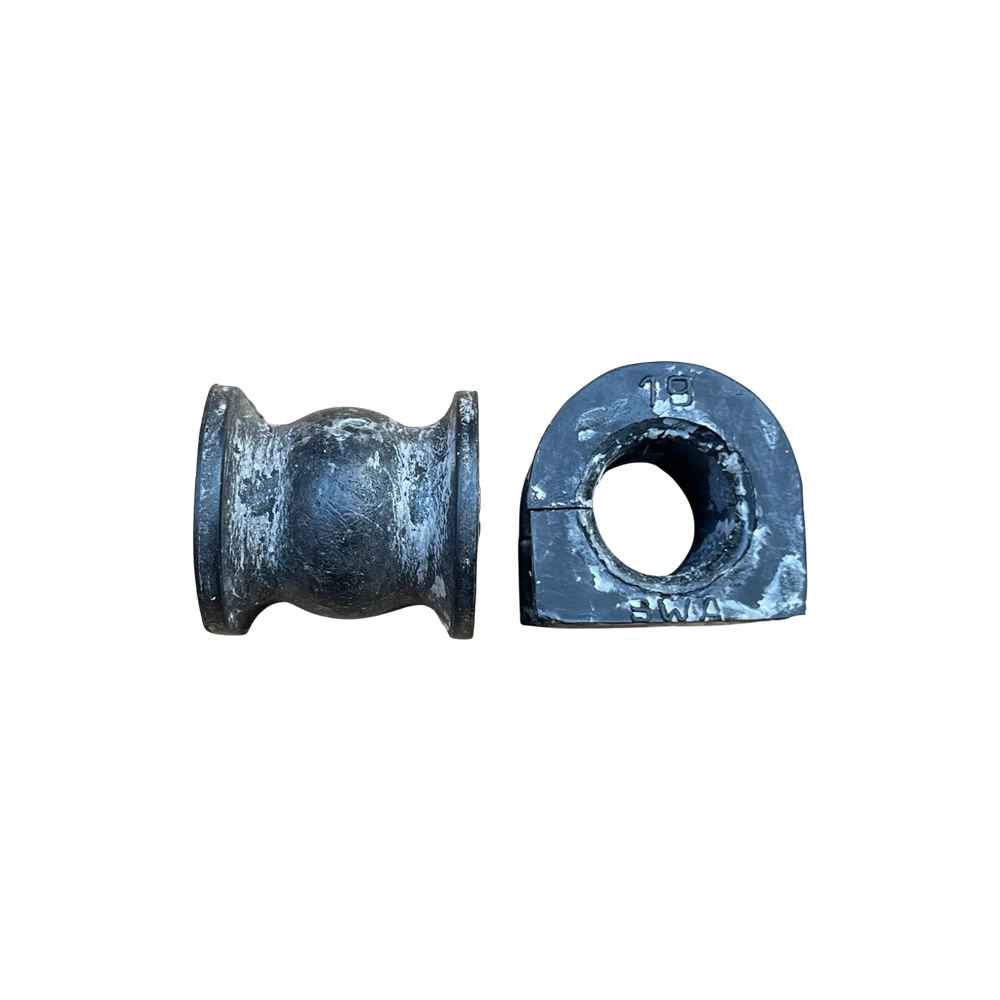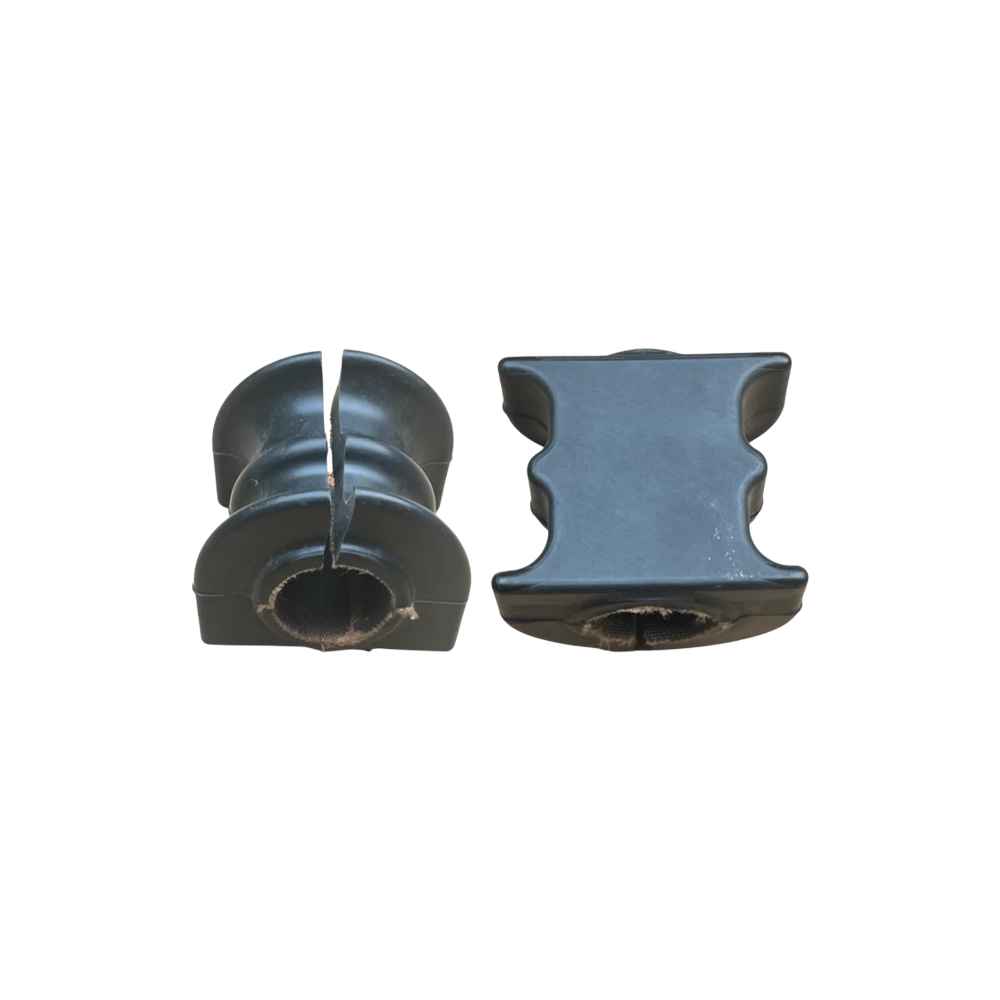
Understanding Rubber Aging and Cracking
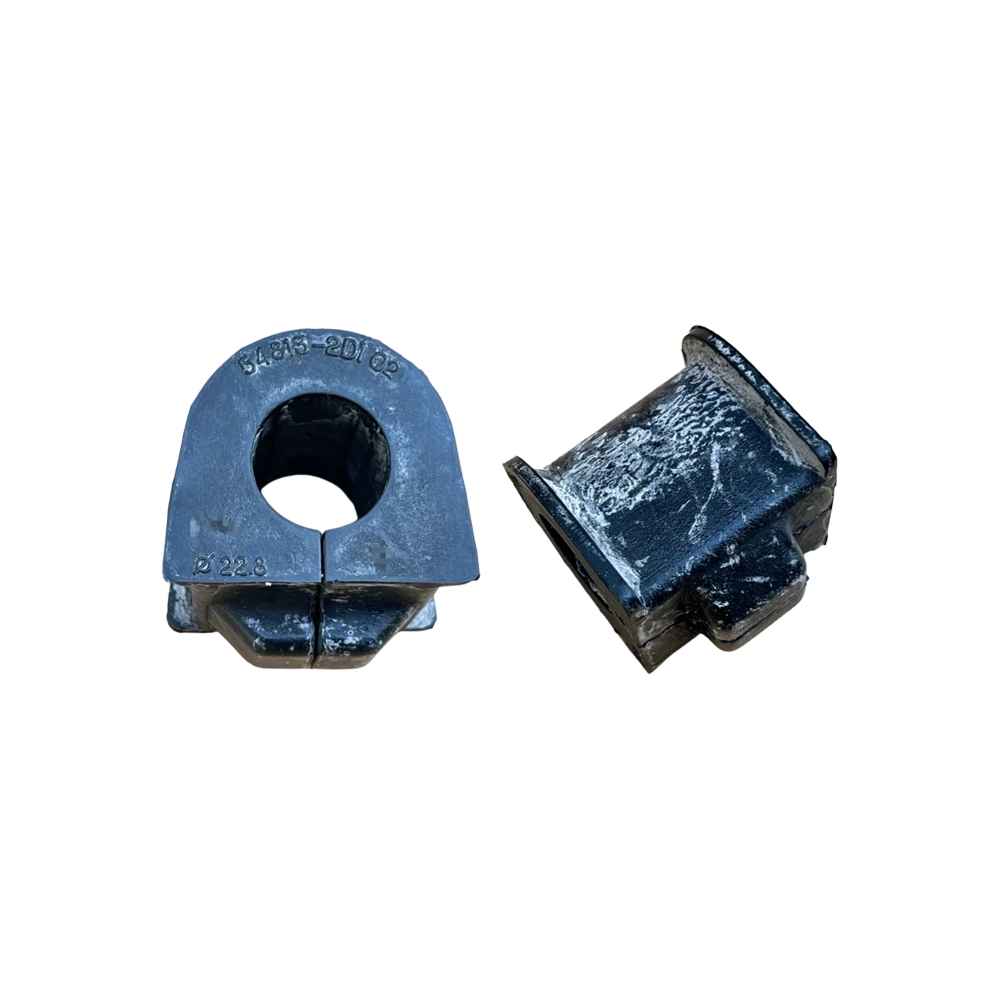
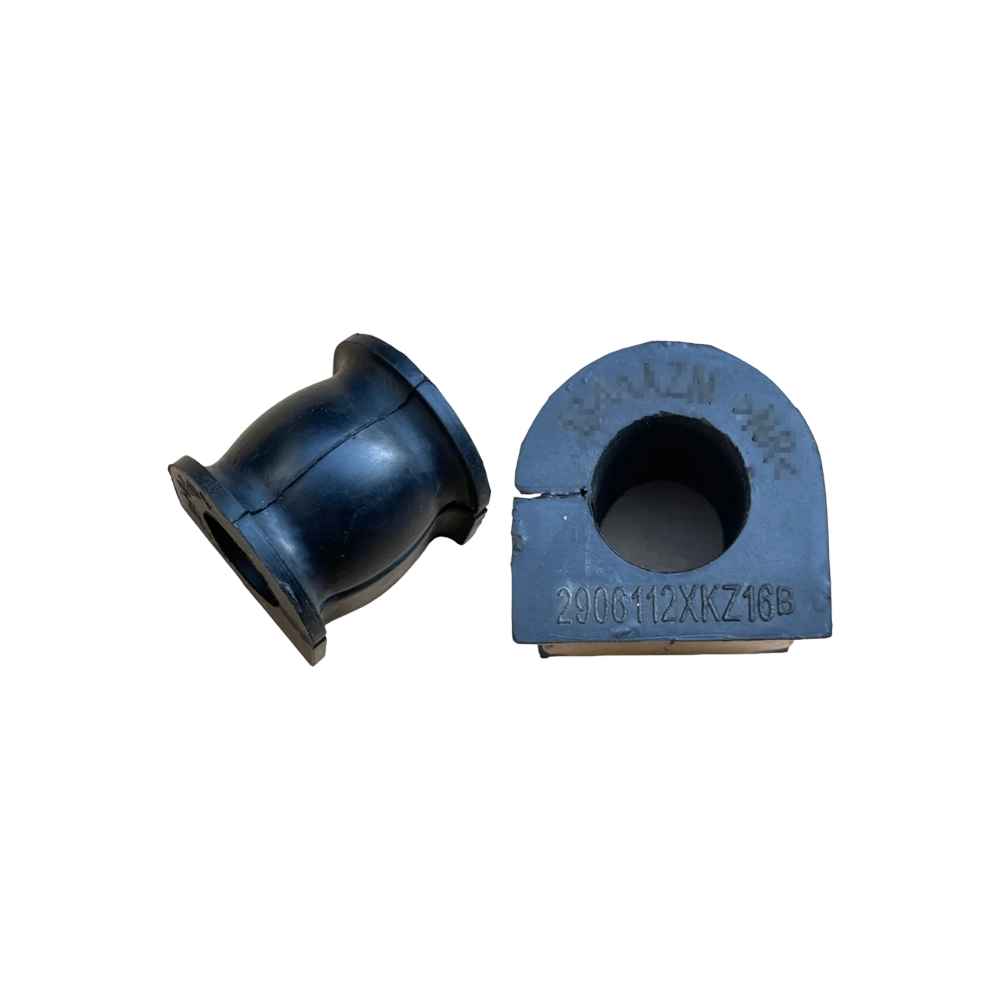
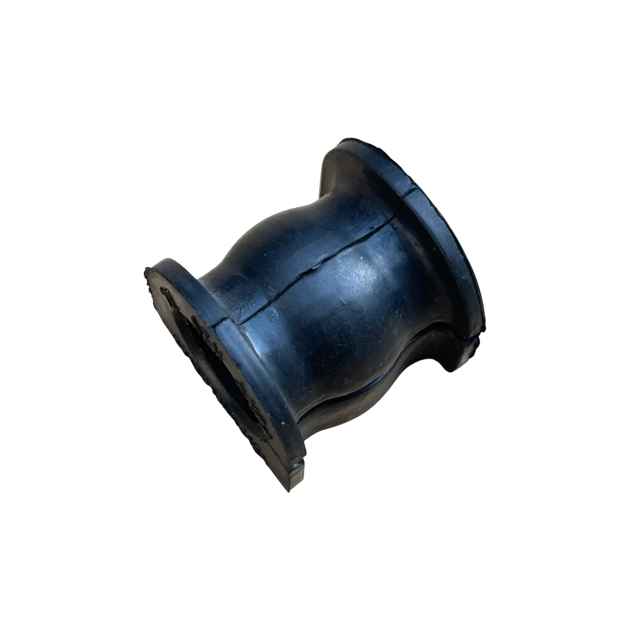
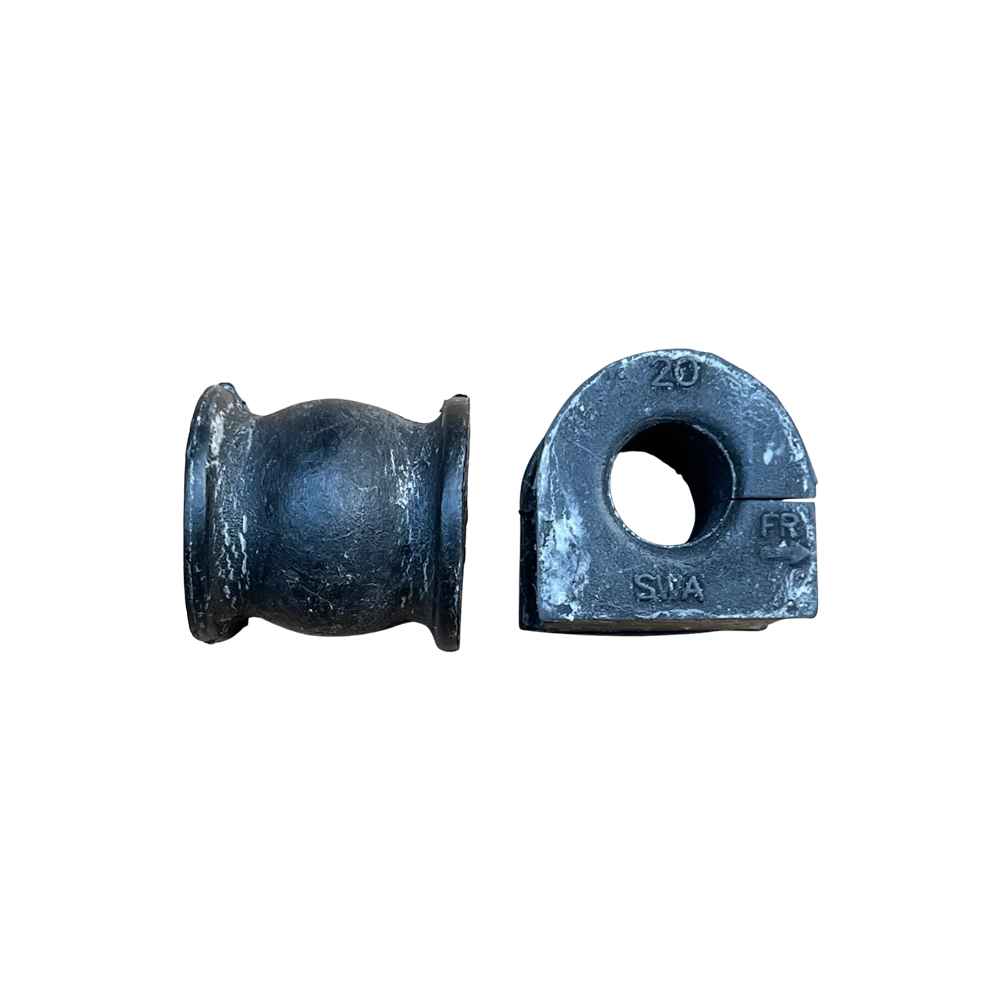
Rubber components in automotive suspension systems are essential for maintaining performance and ensuring vehicle stability. Over time, exposure to environmental factors such as heat, UV radiation, and ozone can lead to rubber cracking and aging, which compromises their functionality. Addressing these issues is crucial for the longevity of various suspension parts like CV Joint Boots , Steering Rack Boots , and Stabilizer Bar Bushings .
Factors Contributing to Rubber Degradation
Several factors contribute to the degradation of rubber components:
- Environmental Exposure: Prolonged exposure to sunlight and oxygen accelerates the aging process.
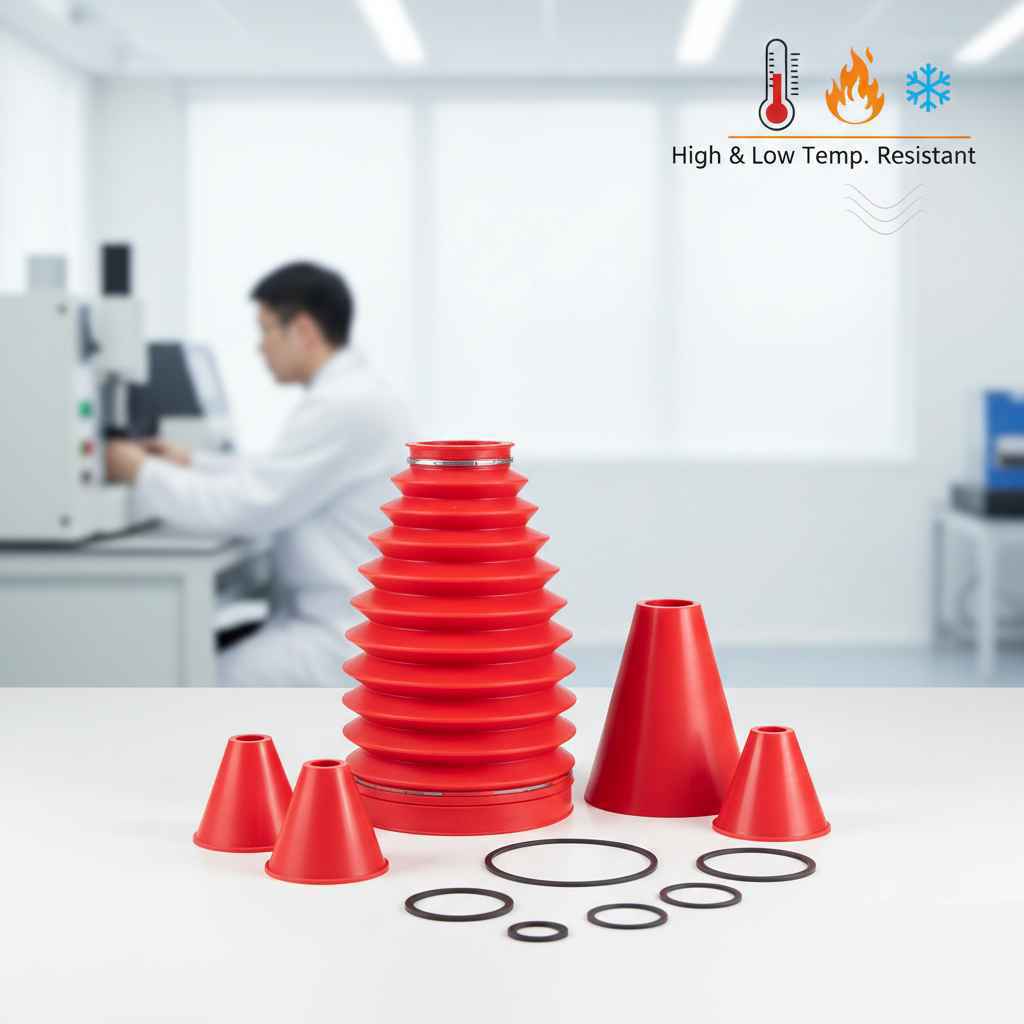
- Heat and Temperature Fluctuations: High temperatures can cause rubber to harden and lose elasticity.
- Chemical Contaminants: Oils, grease, and detergents can adversely affect the integrity of rubber.
- Mechanical Stress: Repeated flexing or stretching can lead to the formation of micro-cracks.
Identifying Symptoms of Rubber Aging
Recognizing the signs of rubber aging is essential for timely intervention. Common symptoms include:
- Visible cracks on the surface of components, particularly in high-stress areas.
- Loss of flexibility, making it difficult for parts such as shock absorber boots to function effectively.
- Increased noise or vibration during operation, indicating compromised seals.
- Fluid leaks from joints due to damaged O-rings or rubber sealing rings.
Preventive Measures to Extend Rubber Life
Implementing effective preventive measures can significantly reduce the risk of rubber degradation. These include:
- Regular Inspections: Routine checks for wear and tear can help identify issues before they escalate.
- Proper Cleaning: Using gentle, non-corrosive cleaners can prevent chemical damage to rubber parts.
- UV Protection: Applying protective coatings specifically designed for rubber can shield against harmful rays.
- Storage Conditions: Keeping spare rubber parts in a cool, dark place can minimize premature aging.
Replacement Options for Aged Rubber Parts
When rubber components show signs of significant wear, replacement often becomes necessary. It is advisable to opt for high-quality products from reputable manufacturers such as Guanghua, known for their durability and reliability.
- CV Joint Boots: Ensure proper fitment to maintain lubrication and protect joints from contaminants.
- Steering Rack Boots: A vital component that helps keep the steering system clean and functional.
- Shock Absorber Boots: Essential for preventing dirt and moisture ingress into the shock absorbers.
Repairing Minor Cracks in Rubber Components
For minor cracks, temporary repairs can be made using specialized rubber adhesives or sealants. However, this is only a short-term solution; regular monitoring should follow these repairs to ensure safety and performance standards are met.
Understanding Material Alternatives
Alternatives to traditional rubber materials are gaining popularity. Synthetic compounds, designed to resist aging and cracking, can provide enhanced performance. For example, thermoplastic elastomers (TPE) exhibit superior resistance to harsh environmental conditions compared to conventional rubber. Although perhaps initially more expensive, these alternatives may yield long-term savings by reducing maintenance costs and replacement frequency.
The Importance of Quality in Rubber Part Selection
Choosing high-quality rubber components is paramount. Opting for brands renowned for their commitment to quality, such as Guanghua, can ensure that the parts will withstand the rigors of daily use while minimizing issues related to aging and cracking. Always consult with professional mechanics or manufacturers for recommendations tailored to specific vehicles and driving conditions.
Conclusion: Ensuring Longevity of Suspension Rubber Parts
Maintaining the integrity of rubber components in suspension systems requires vigilance and proactive measures. Understanding the factors leading to aging and implementing effective strategies can extend the lifespan of critical parts, ultimately contributing to overall vehicle performance and reliability. Regular inspections, coupled with the use of quality replacements, play an instrumental role in preventing failures associated with rubber cracking and degradation.