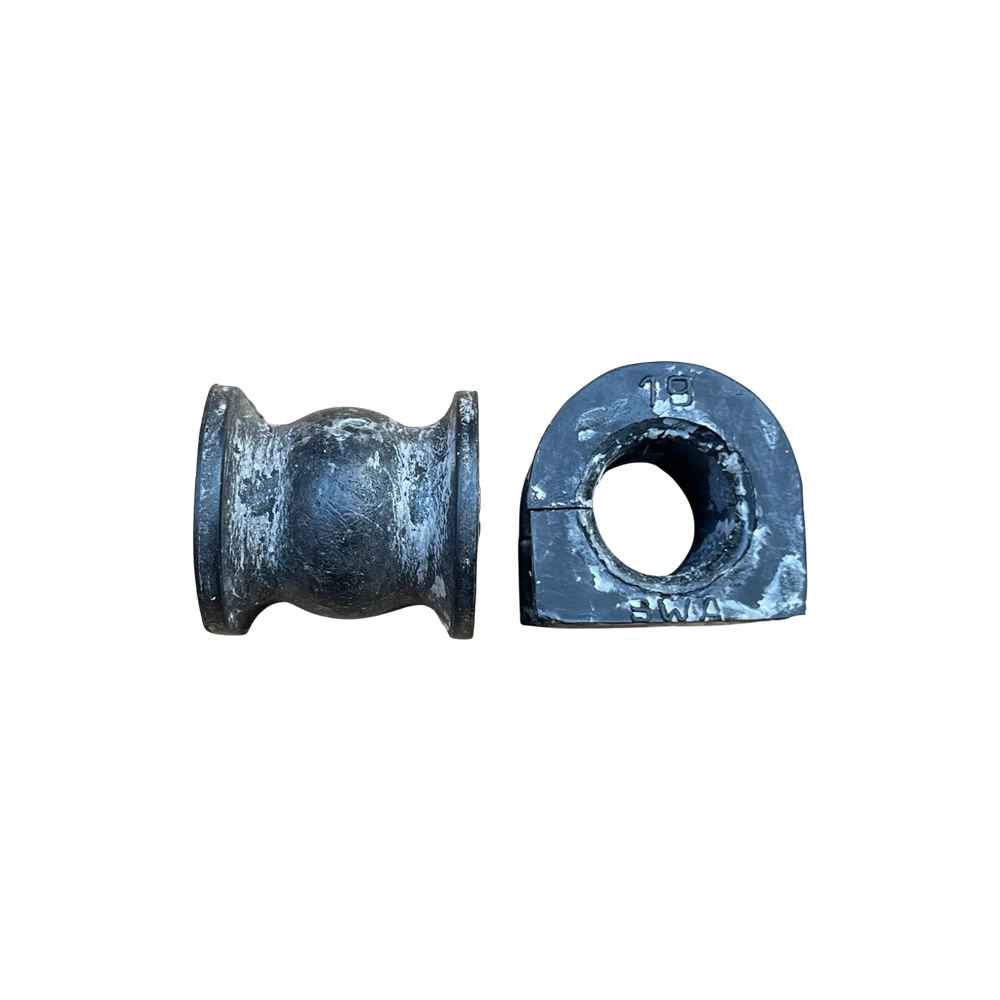
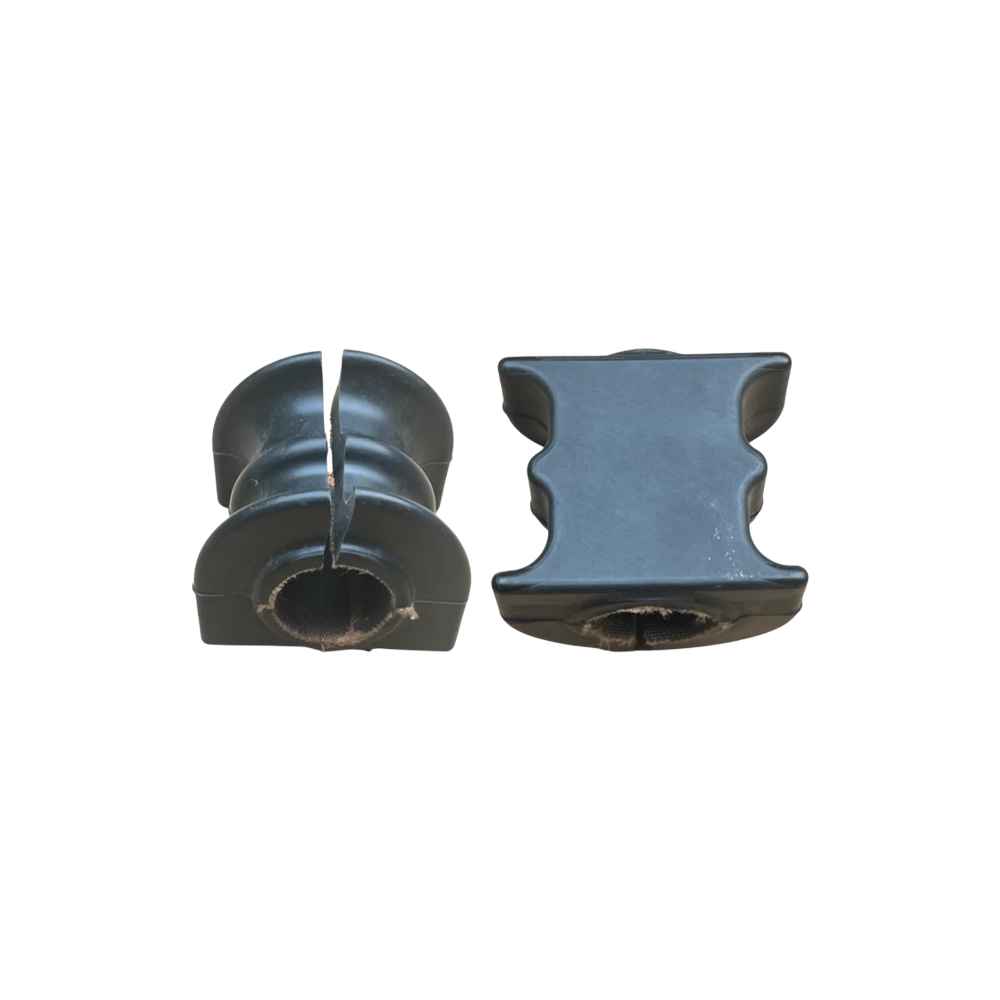
Understanding Rubber Cracking and Aging
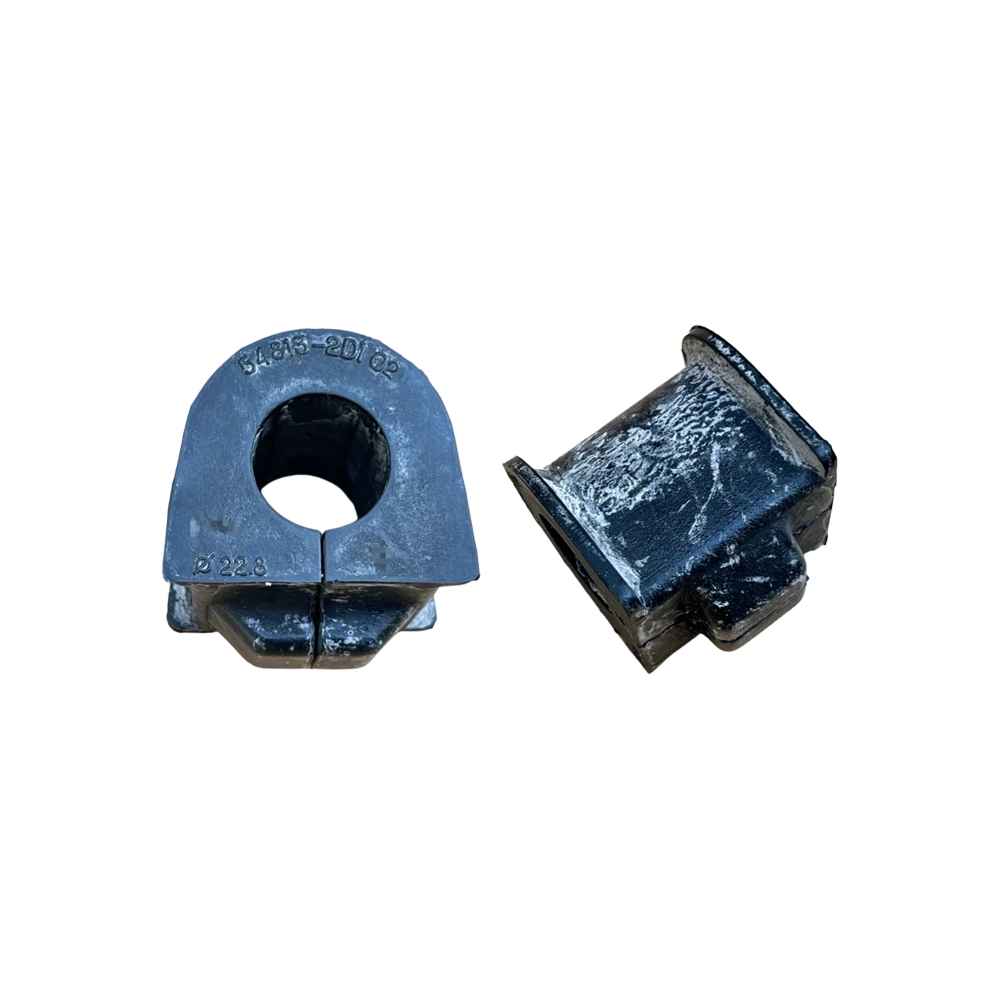
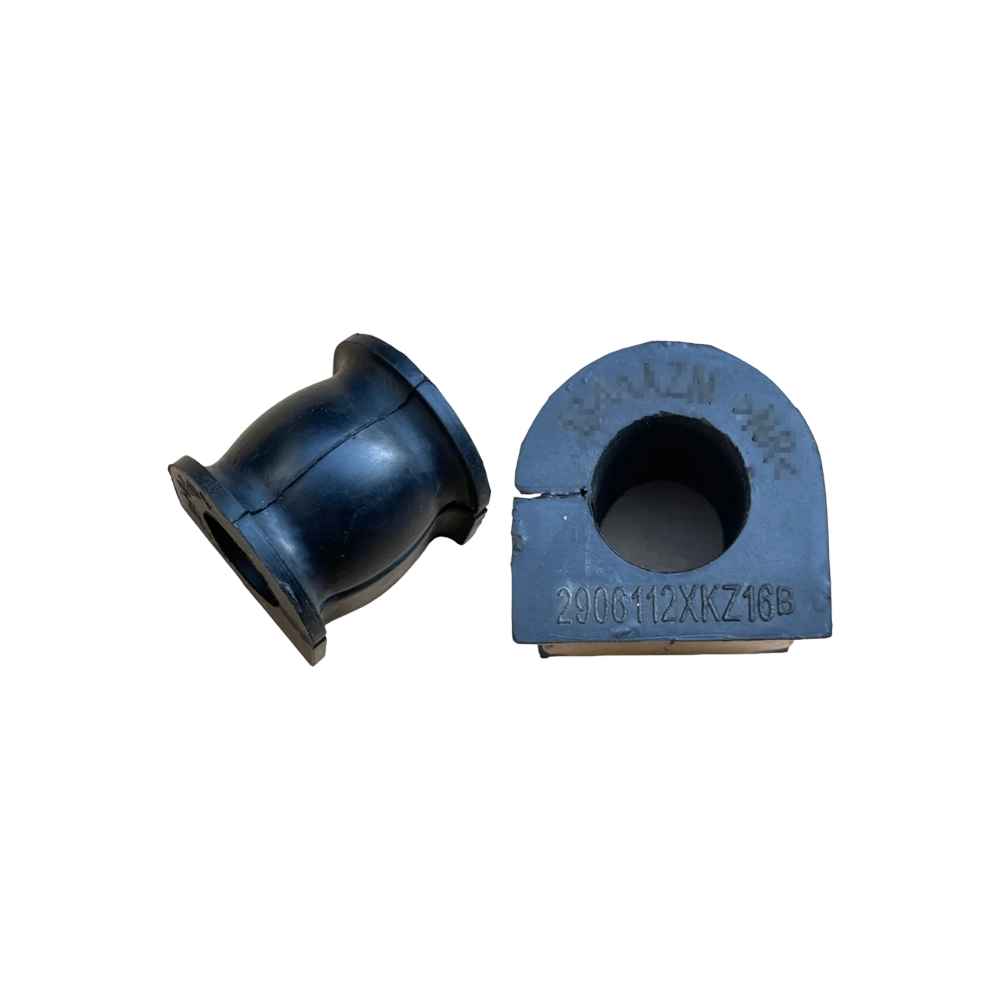
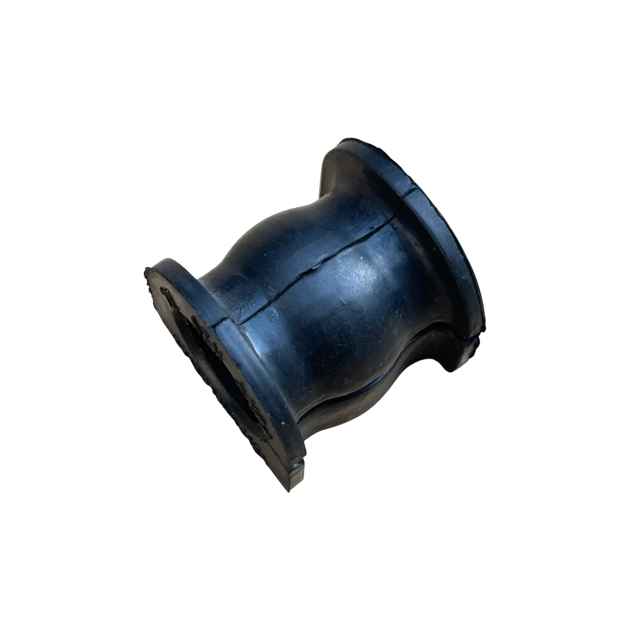
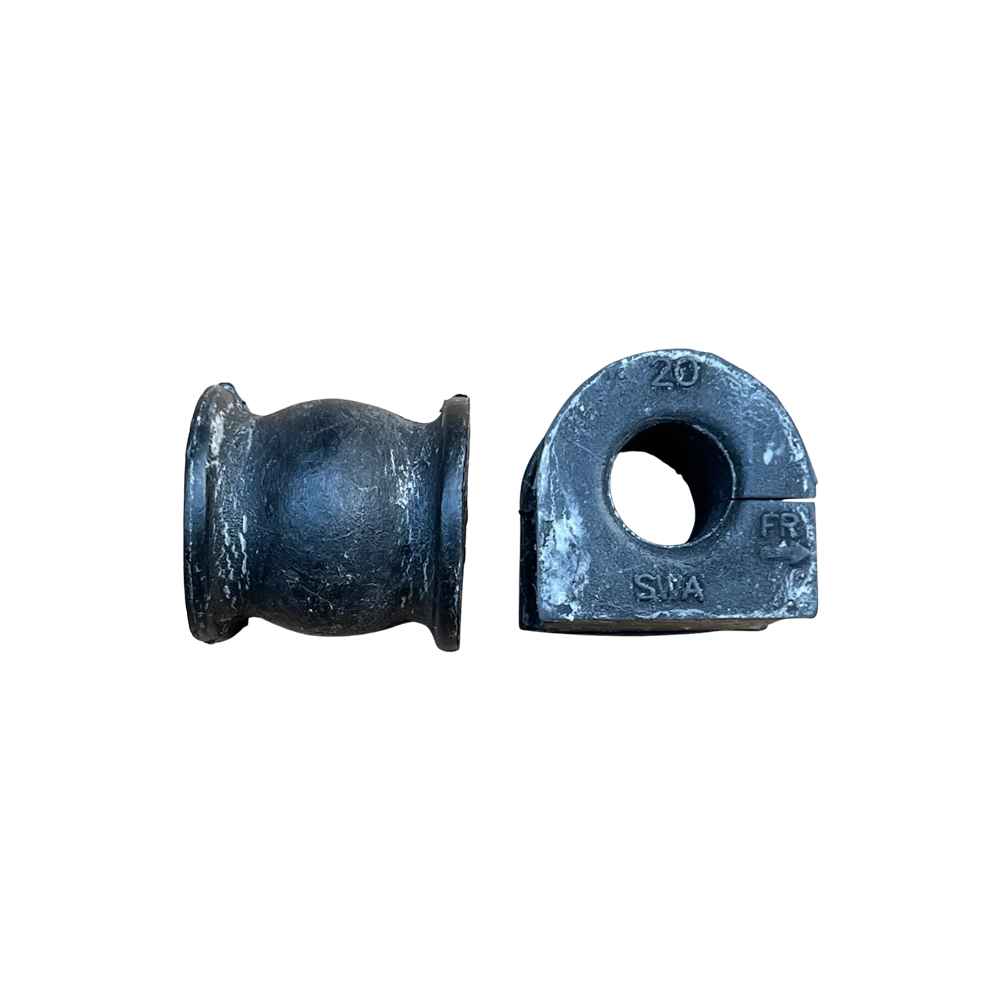
Rubber components in vehicles play a crucial role in ensuring smooth operation and longevity. However, over time, these parts can suffer from cracking and aging, leading to potential performance issues. Sway bar bushings are no exception. They are essential for stabilizing your vehicle during cornering, but their rubber composition makes them susceptible to wear and degradation.
Why Do Rubber Components Age?
Several factors contribute to the aging of rubber components like sway bar bushings:
- Environmental Exposure: UV rays from sunlight, ozone, and extreme temperatures can accelerate rubber degradation.
- Chemical Interactions: Contact with oils, greases, and other chemicals can weaken rubber, causing it to crack.
- Mechanical Stress: Constant movement and pressure during driving can lead to fatigue and eventual failure of rubber parts.
In practice, these elements can create significant problems for your vehicle's handling and safety. Therefore, recognizing early signs of wear is key.
Signs of Worn Sway Bar Bushings
How do you know if your sway bar bushings are aging? Here are some common indicators:
- Visible cracks or splits on the rubber surface.
- Unusual noises such as squeaking or clunking when turning.
- Poor handling or increased body roll during cornering.
If you notice any of these symptoms, it might be time to assess the condition of your sway bar bushings and consider replacement.
Solutions to Rubber Cracking and Aging
Addressing rubber cracking and aging involves a few strategies, including timely maintenance and the use of quality replacement parts. Here's a breakdown of effective solutions:
1. Regular Inspections
Make it a habit to regularly inspect your vehicle's suspension components, including sway bar bushings. A proactive approach ensures that any signs of wear are detected early, allowing for prompt action.
2. Quality Replacement Parts
When it's time for a replacement, choose high-quality sway bar bushings. Brands like Guanghua offer durable products designed to withstand harsh conditions, enhancing overall performance and durability. Investing in robust materials can significantly reduce the likelihood of future cracking and aging.
3. Lubrication and Maintenance
Keeping your rubber components well-lubricated can help mitigate wear. Use appropriate lubricants that are compatible with rubber to prevent drying out and cracking. However, avoid using petroleum-based products, as they can cause more harm than good.
4. Correct Installation
Ensure that sway bar bushings are installed correctly. Improper installation can place additional stress on these components, leading to premature failure. If you’re not confident in doing it yourself, consider seeking professional assistance.
Preventative Measures for Longevity
To further prolong the life of your sway bar bushings, consider the following preventative measures:
- Avoid Overloading Your Vehicle: Excess weight can put unnecessary stress on suspension components.
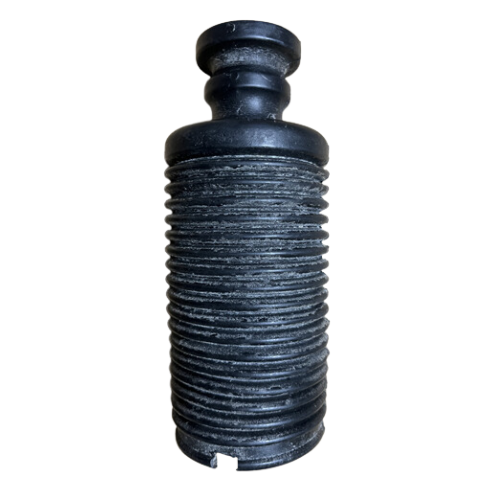
- Use Protective Covers: Installing protective covers can shield bushings from environmental factors.
- Monitor Driving Conditions: Be mindful of rough terrain, which can exacerbate wear on rubber components.
Conclusion: The Importance of Taking Action
Addressing rubber cracking and aging in sway bar bushings is vital for maintaining your vehicle's stability and performance. By implementing regular inspections, opting for quality replacements, and practicing proper maintenance, you can significantly enhance the lifespan of your rubber components. Ultimately, investing time and resources into your vehicle’s upkeep can save you from costly repairs down the road. Remember, it's always better to be proactive rather than reactive—your vehicle will thank you!