Understanding Suspension Squeaks and Rattles
The presence of squeaks and rattles in a vehicle's suspension system can be a source of frustration for drivers. These noises often indicate underlying issues that could compromise the vehicle's handling and overall safety. One common cause of such disturbances is the degradation or failure of various rubber components, including rack and pinion boots.
The Role of Rack and Pinion Boots
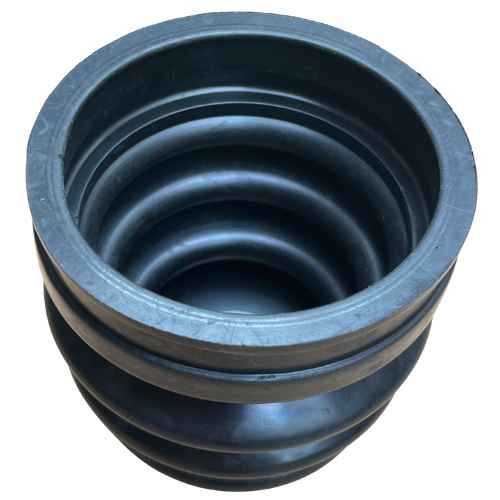
Rack and pinion boots serve as protective covers for the steering mechanism, preventing dirt and moisture from entering the joints. Over time, exposure to external elements can lead to wear and tear, resulting in cracks or tears in the boot material. This degradation allows contaminants to infiltrate the system, potentially causing unexpected noises like squeaking or rattling during steering maneuvers.
Identifying Symptoms of Worn Boots
- Squeaking Sounds: A direct indication that the lubrication within the joint may be compromised.
- Rattling Noises: Often arises due to loose components or debris trapped within the steering assembly.
- Visual Damage: Inspecting the boots for cracks or separation can provide visual confirmation of wear.
Inspecting Your Steering Rack Boots
To resolve suspension noises effectively, a thorough inspection of the Steering Rack Boots is essential. Begin by raising the vehicle on a level surface and securely supporting it with jack stands. Carefully examine the boots for any signs of damage, such as tears, holes, or significant wear. If any defects are found, immediate replacement is recommended, as neglecting this issue can lead to further complications and costly repairs down the line.
Replacement Process for Rack and Pinion Boots
Replacing worn rack and pinion boots involves multiple steps but can be undertaken with basic mechanical skills. Here’s a brief outline:
- Remove the front wheels to gain access to the suspension components.
- Disconnect the tie rod ends from the steering rack.
- Carefully remove the old boots, ensuring no debris enters the steering assembly.
- Install new boots, such as those offered by reputable brands like Guanghua, which are designed to withstand rigorous conditions.
- Reconnect the tie rods and ensure all components are secured before reattaching the wheels.
Additional Components Affecting Suspension Noise
While rack and pinion boots are a critical focus, it's also prudent to consider other related components that contribute to suspension performance and noise reduction. Items such as shock absorber boots, stabilizer bar bushings, and O-Rings & Rubber Sealing Rings play vital roles in maintaining a quiet ride.
Role of Shock Absorber Boots
Shock absorber boots protect the shafts from dirt and debris while providing an additional layer of dampening against vibrations. Worn or damaged shock absorber boots can exacerbate noise issues, leading to increased rattling sounds when driving over uneven surfaces.
Importance of Stabilizer Bar Bushings
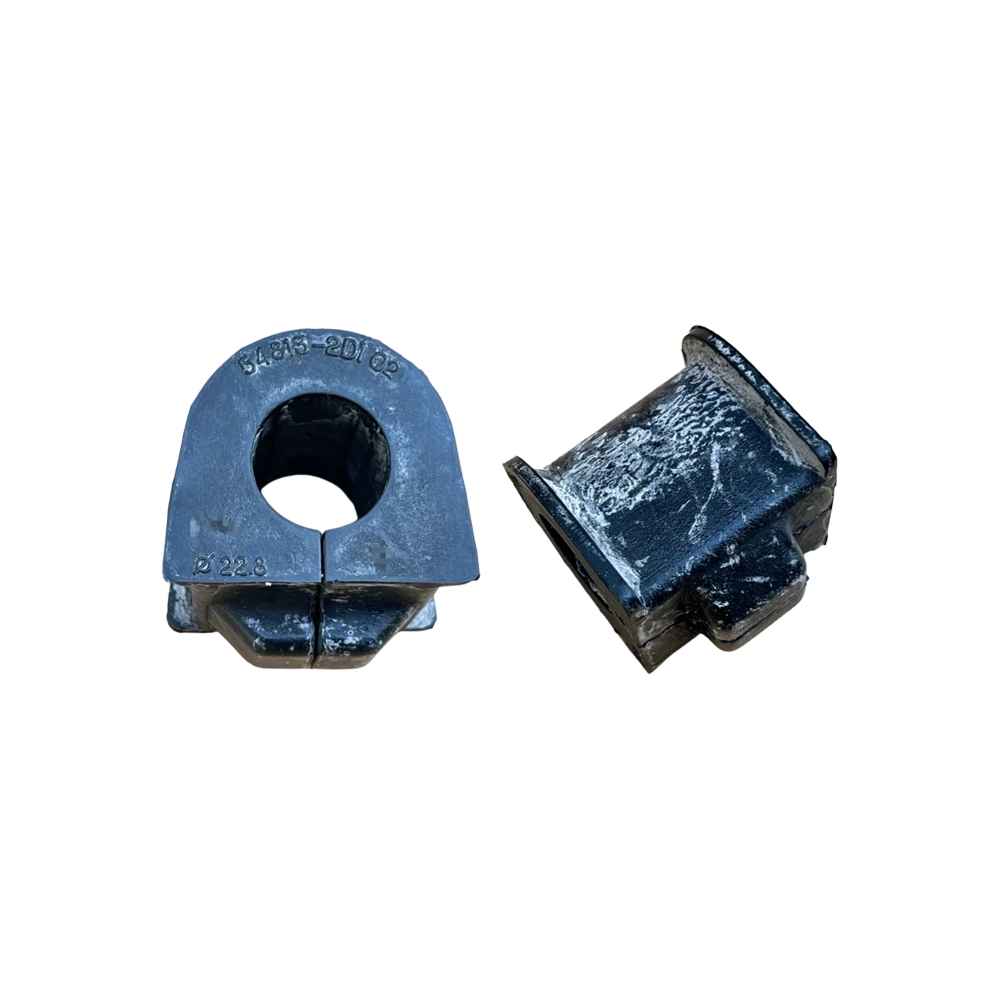
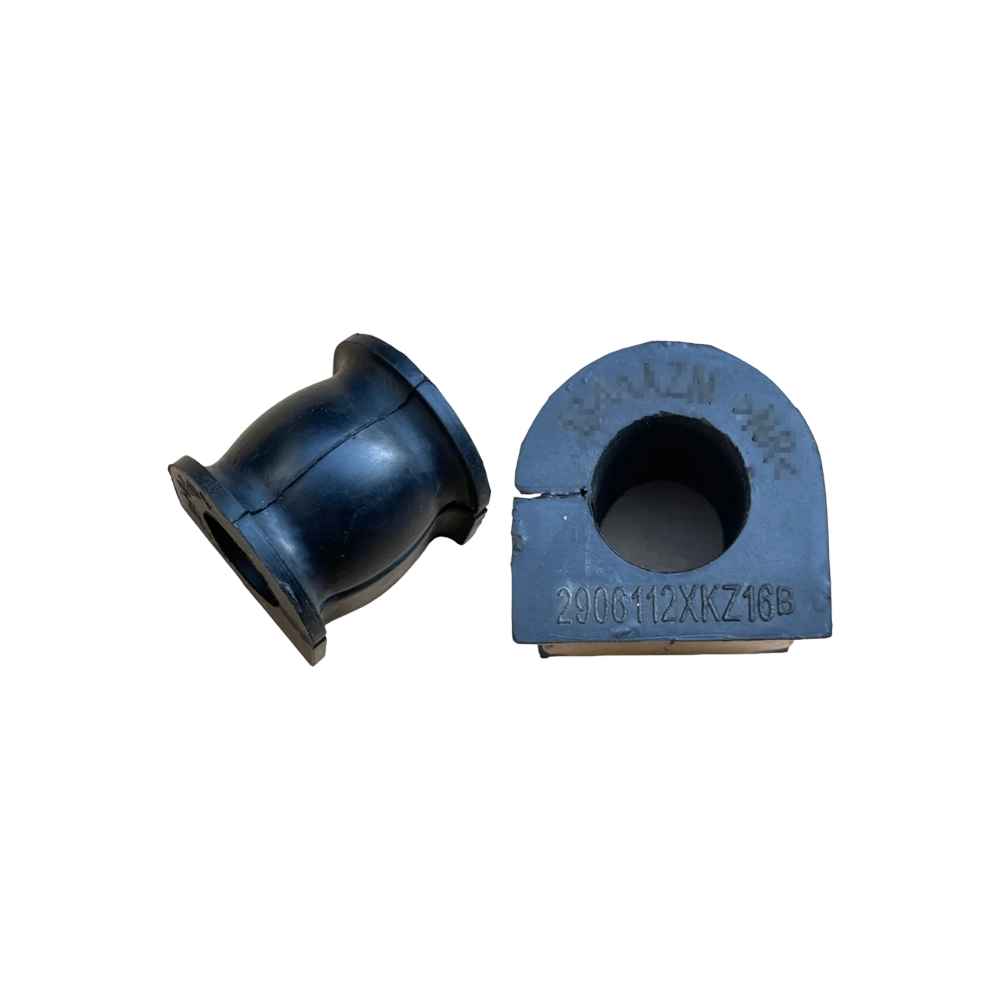
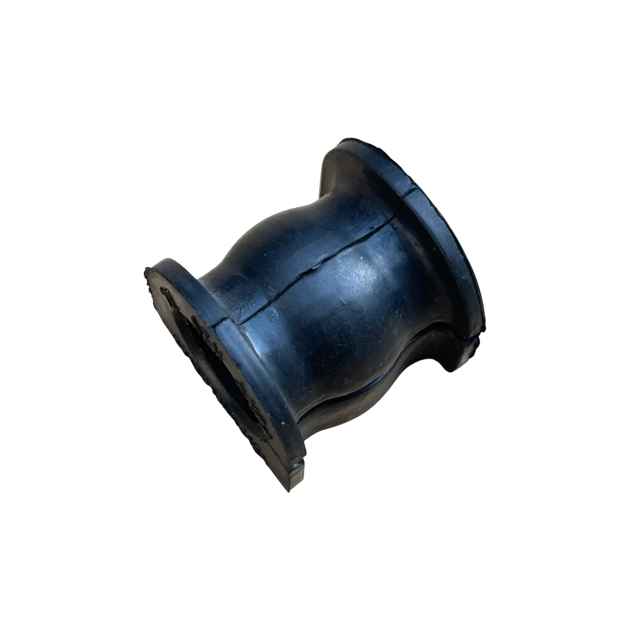
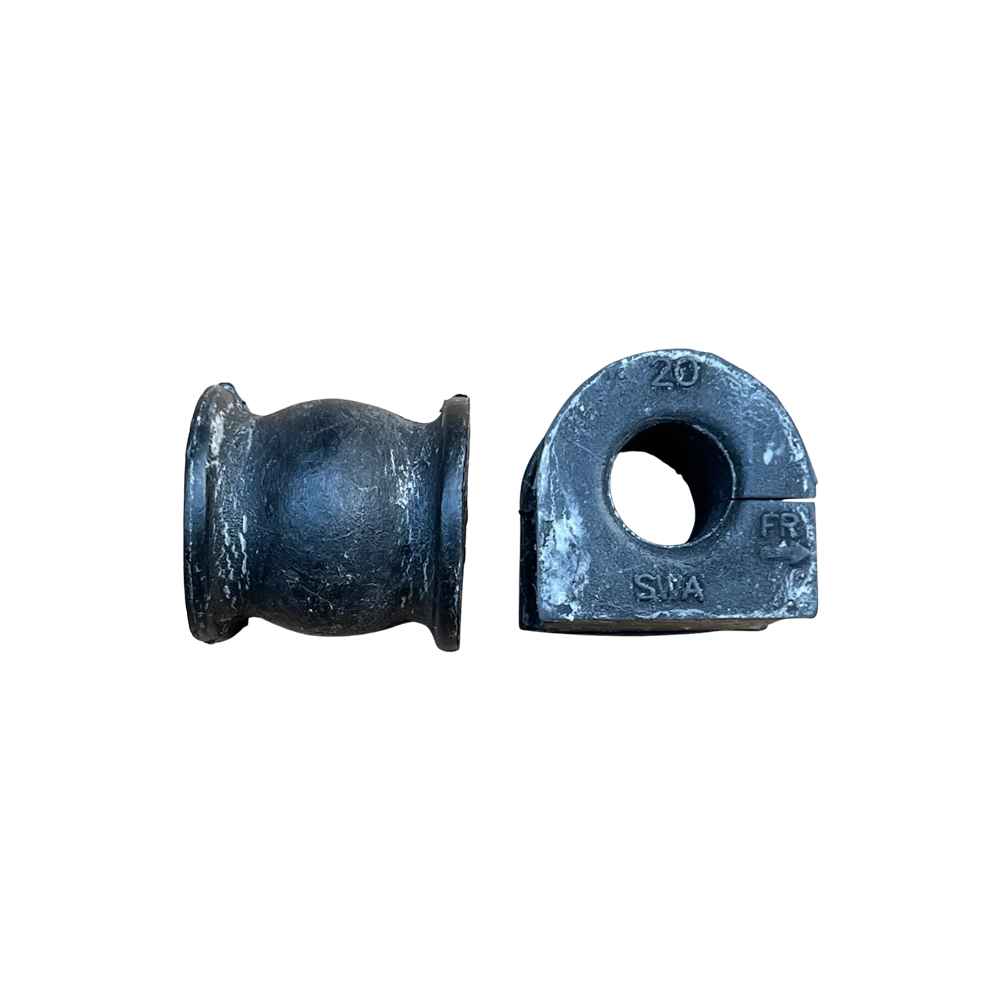
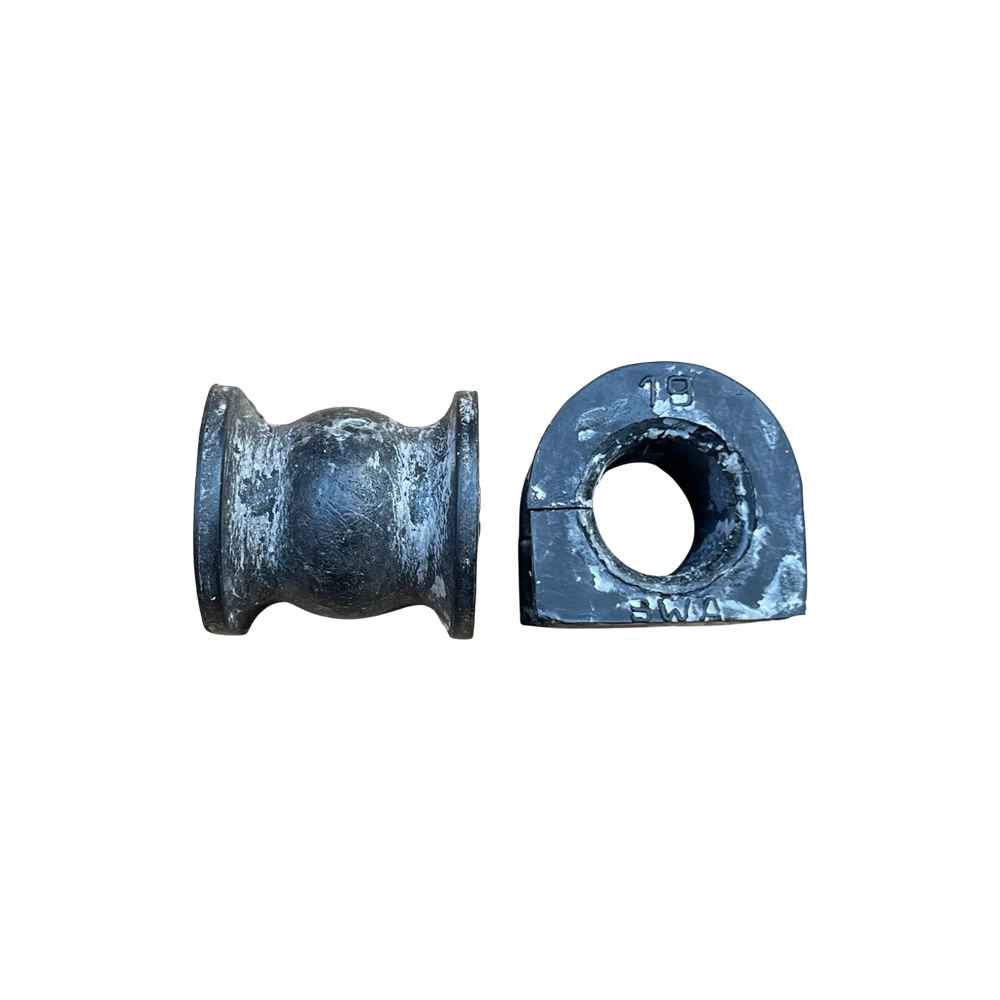
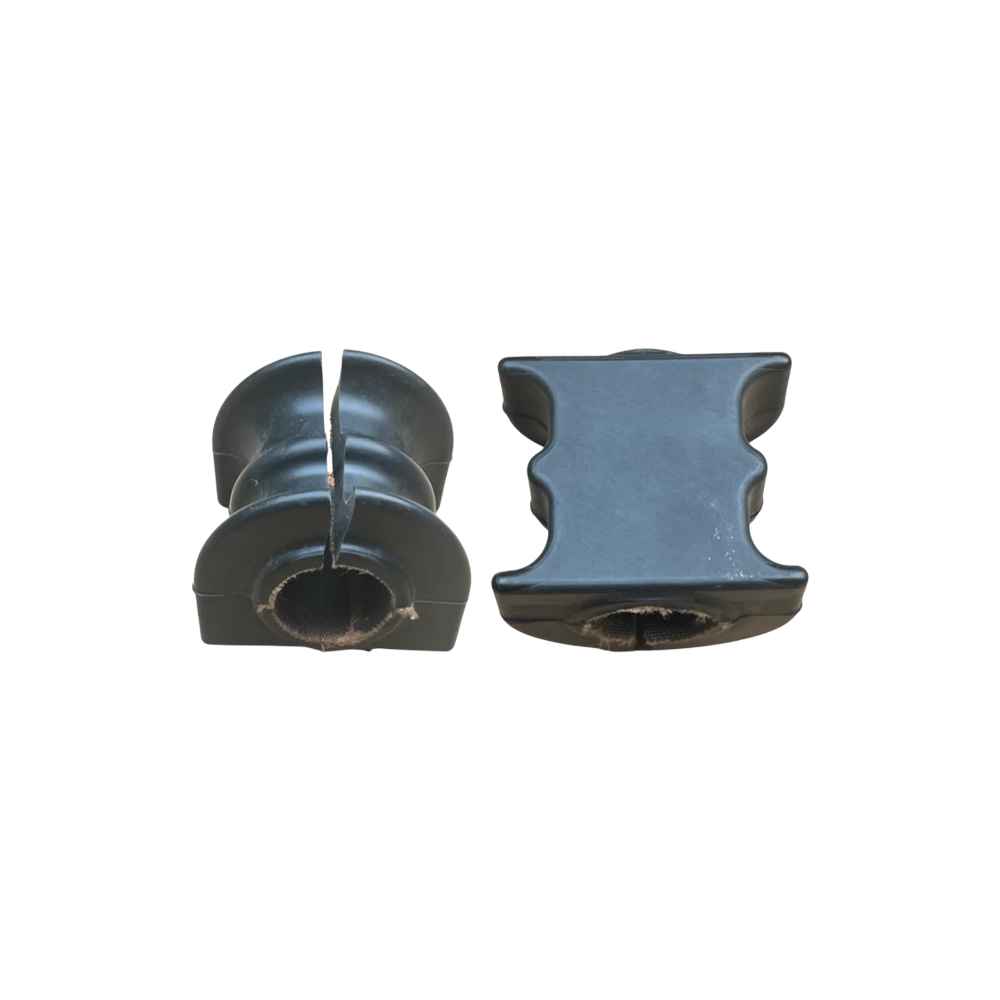
Stabilizer bar bushings help maintain proper alignment during cornering. If these bushings become brittle or break down, they can contribute to unwanted noise. Regular checks and timely replacements are essential for optimal performance.
Maintaining a Noise-Free Suspension
To minimize the likelihood of squeaks and rattles, regular maintenance is key. Routine inspections of all suspension components, including rack and pinion boots, shock absorber boots, and bushings, should be part of any comprehensive vehicle care routine. Additionally, using high-quality replacement parts can greatly improve durability and reduce the chances of future issues.
When to Seek Professional Help
If DIY inspections and replacements do not alleviate the problem, consulting with a professional mechanic is advisable. They possess the expertise and tools necessary to diagnose more complex suspension issues that may not be immediately visible. Ignoring persistent noises can lead to severe safety hazards and expensive repairs.
Conclusion
Addressing suspension squeaks and rattles requires a multifaceted approach, focusing not only on the rack and pinion boots but also on other components within the system. By staying proactive and vigilant regarding maintenance, drivers can ensure a smoother and quieter ride.