Understanding Hydraulic Steering
Hydraulic steering systems have become a standard feature in modern vehicles. They offer enhanced maneuverability and ease of operation compared to traditional mechanical systems. By using hydraulic fluid to assist in steering, these systems reduce the amount of physical effort required by drivers, making it easier to navigate tight corners or parallel park.
Performance Benefits
- Smoother Steering: The hydraulic assist provides a level of smoothness that many drivers appreciate, especially during long drives.
- Responsive Handling: The immediate response of the system allows for precise control, essential in high-speed situations.
Suspension Rubber Parts Overview
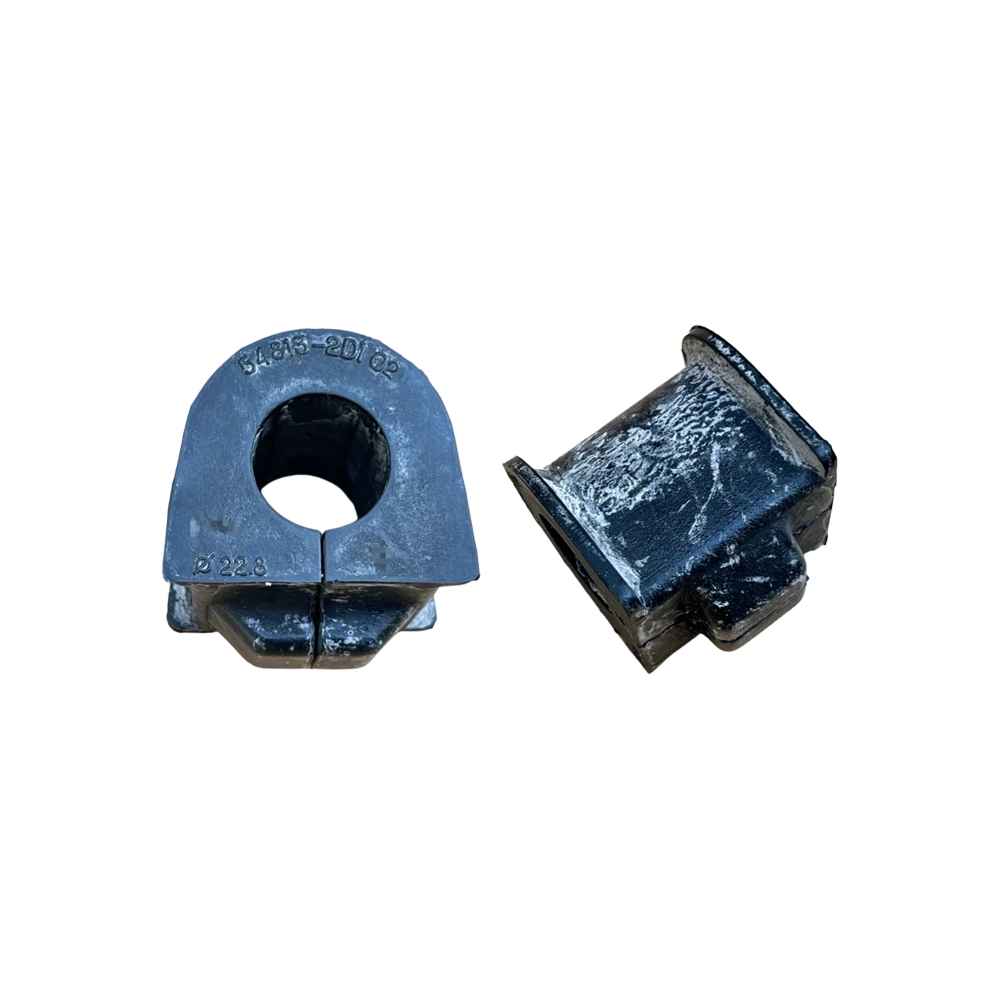
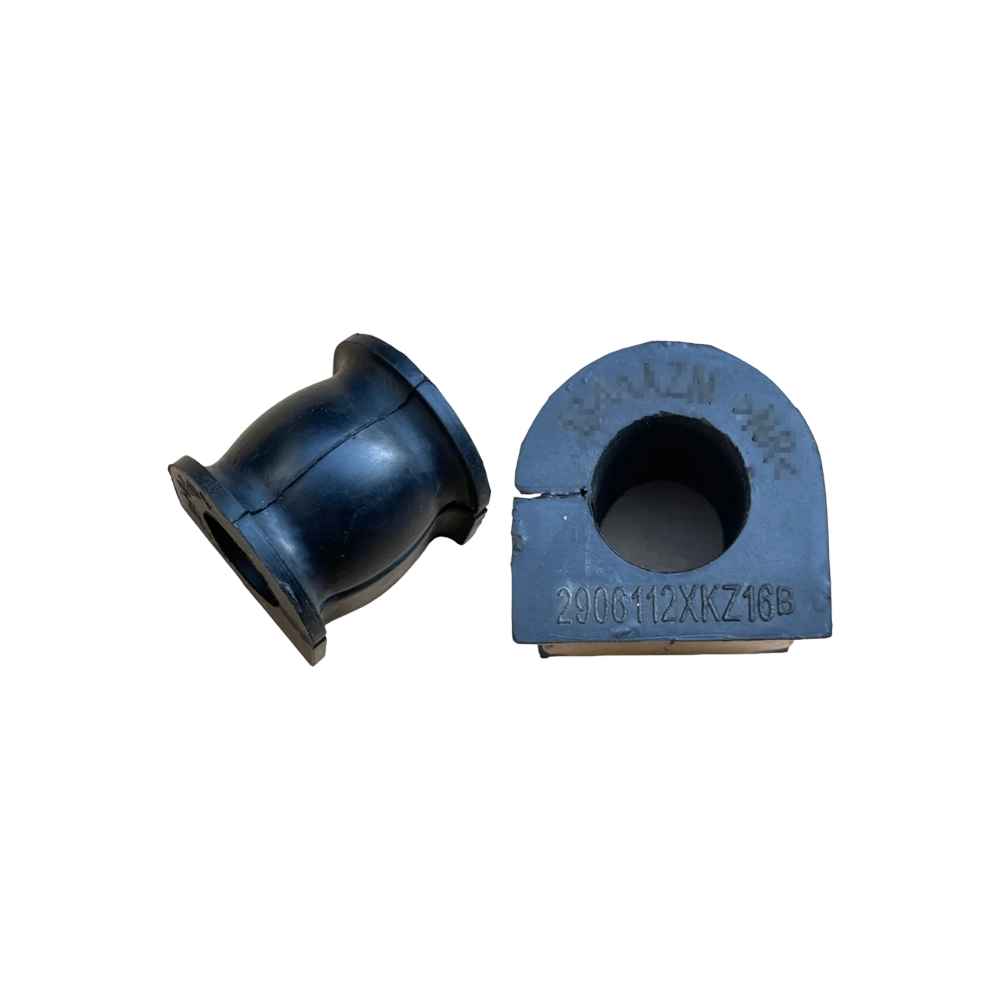
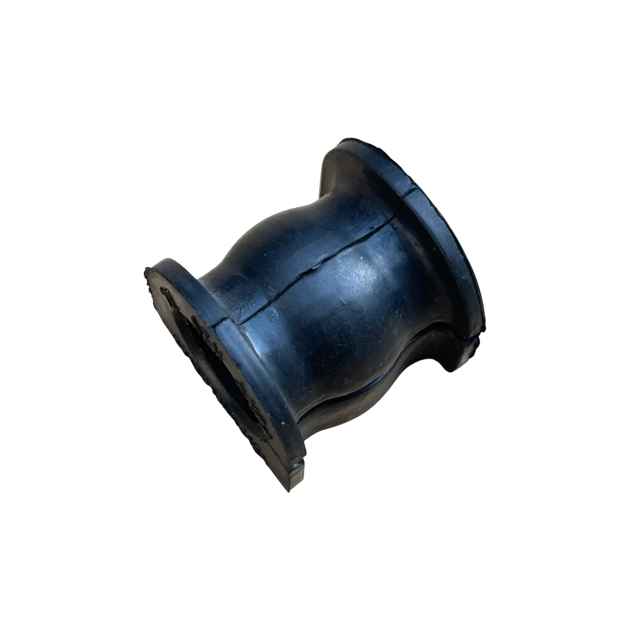
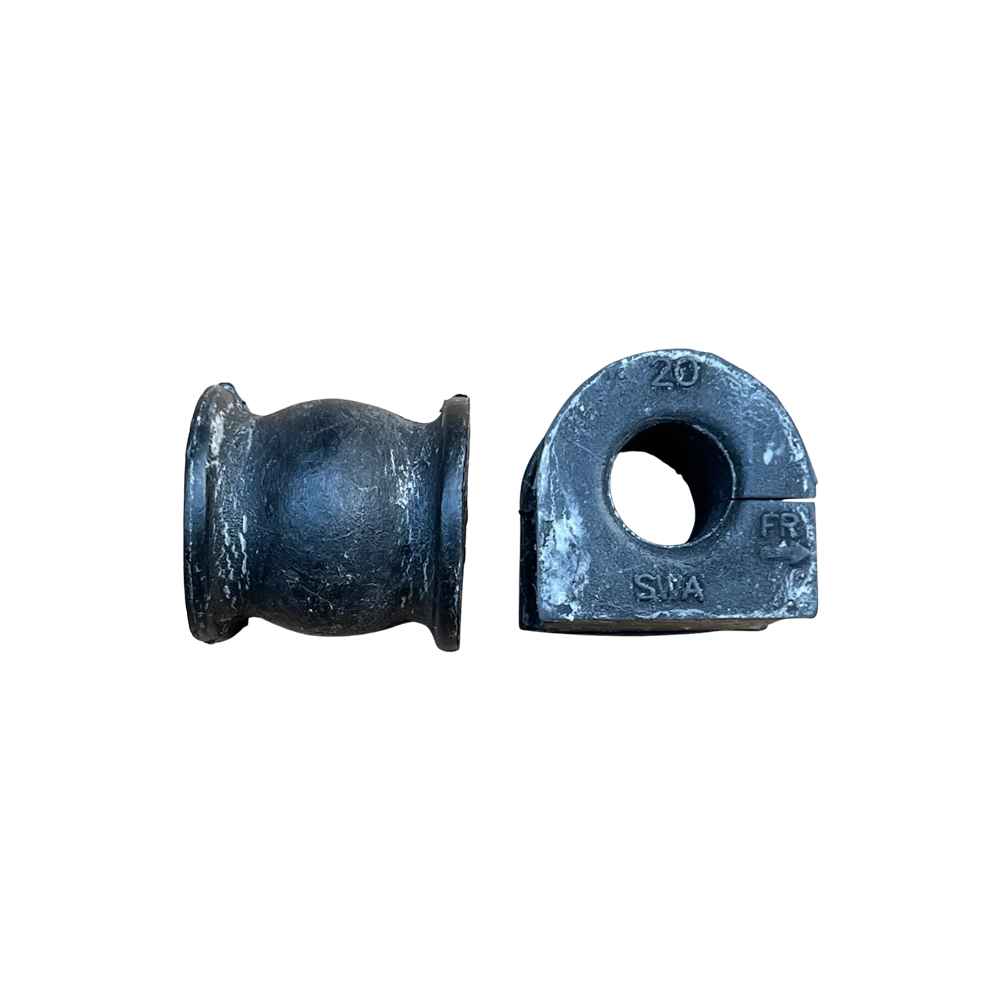
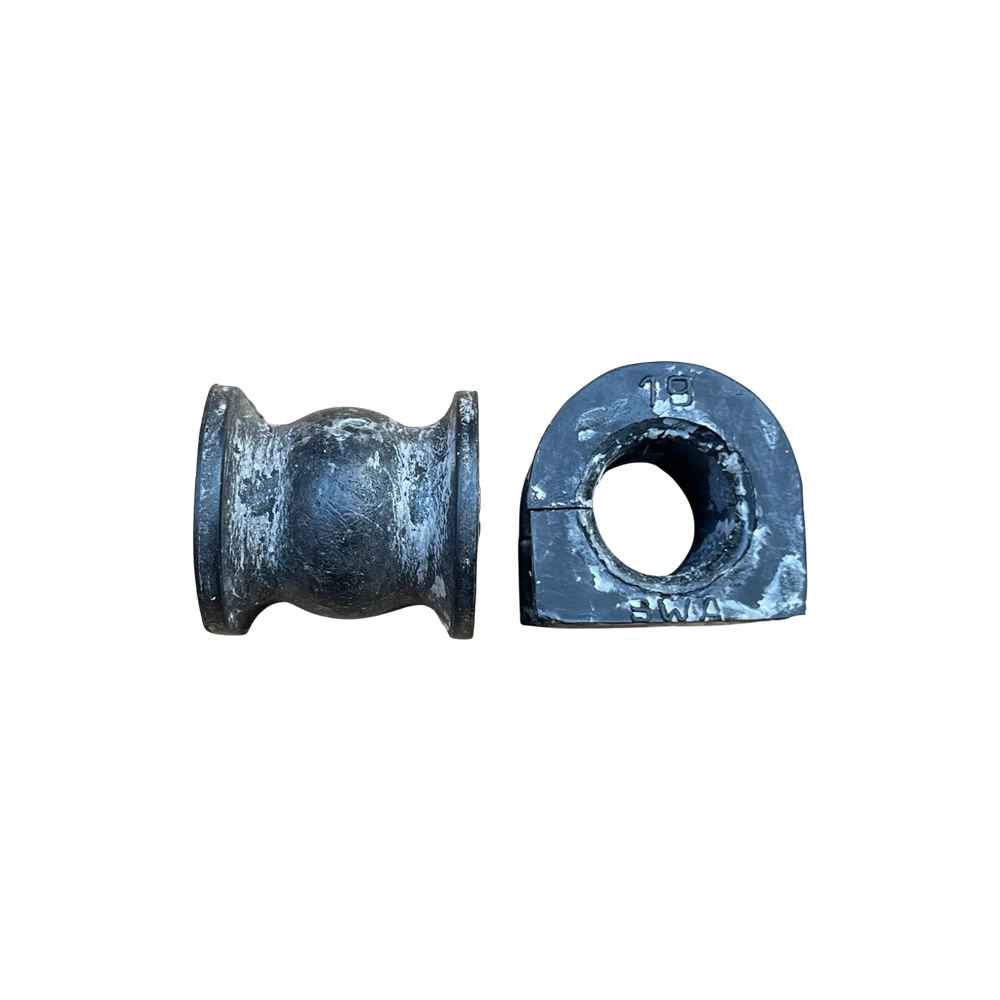
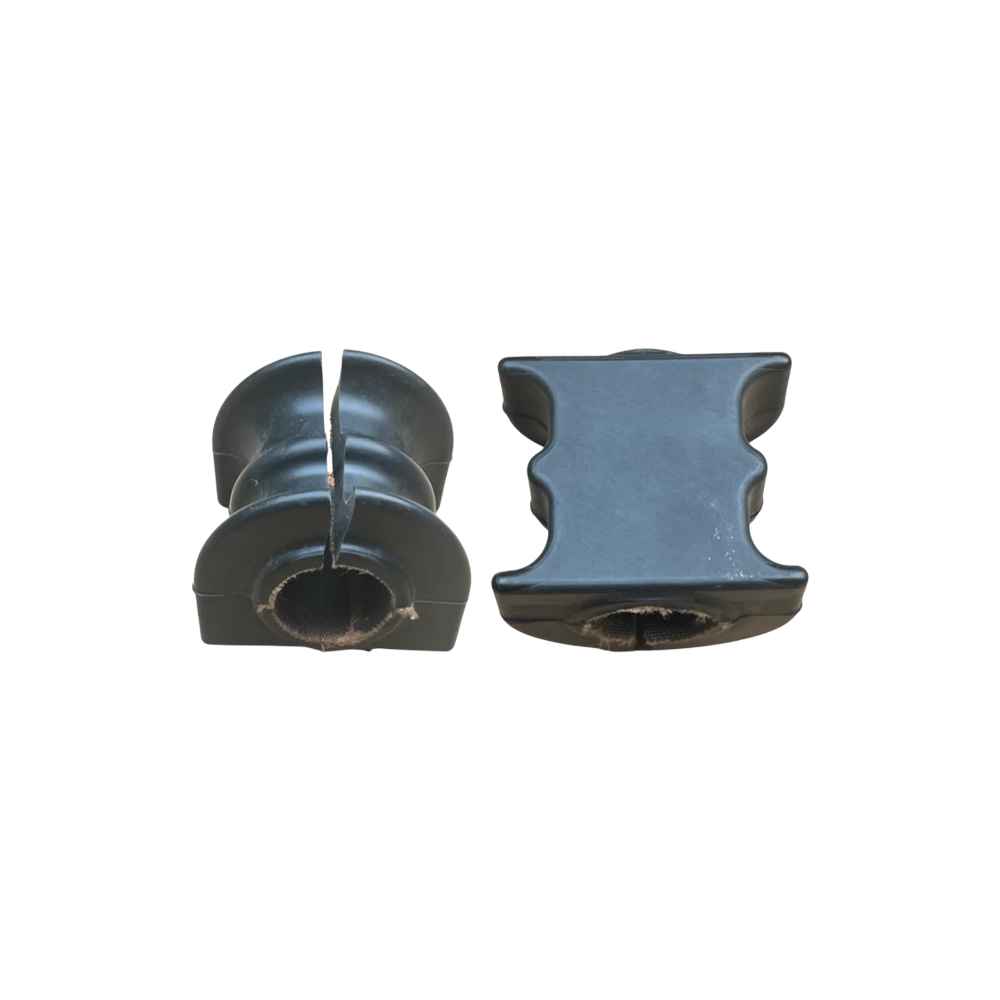
On the flip side, suspension rubber parts, like CV Joint Boots and Stabilizer Bar Bushings , play a crucial role in ensuring vehicle stability and comfort. They absorb shocks and vibrations from the road, which contributes to a smoother ride.
Durability and Wear
- Resistance to Elements: High-quality rubber components are designed to withstand harsh weather conditions, including heat and moisture.
- Longevity: Properly maintained suspension parts can last several years, but neglect can lead to premature wear.
Key Differences in Performance
While both hydraulic steering and suspension rubber parts affect a vehicle's handling, they do so in distinct ways. Hydraulic steering focuses on providing a direct connection between driver input and wheel movement, enhancing responsiveness. In contrast, suspension parts work to cushion the ride and keep the wheels in contact with the road.
Cost Considerations
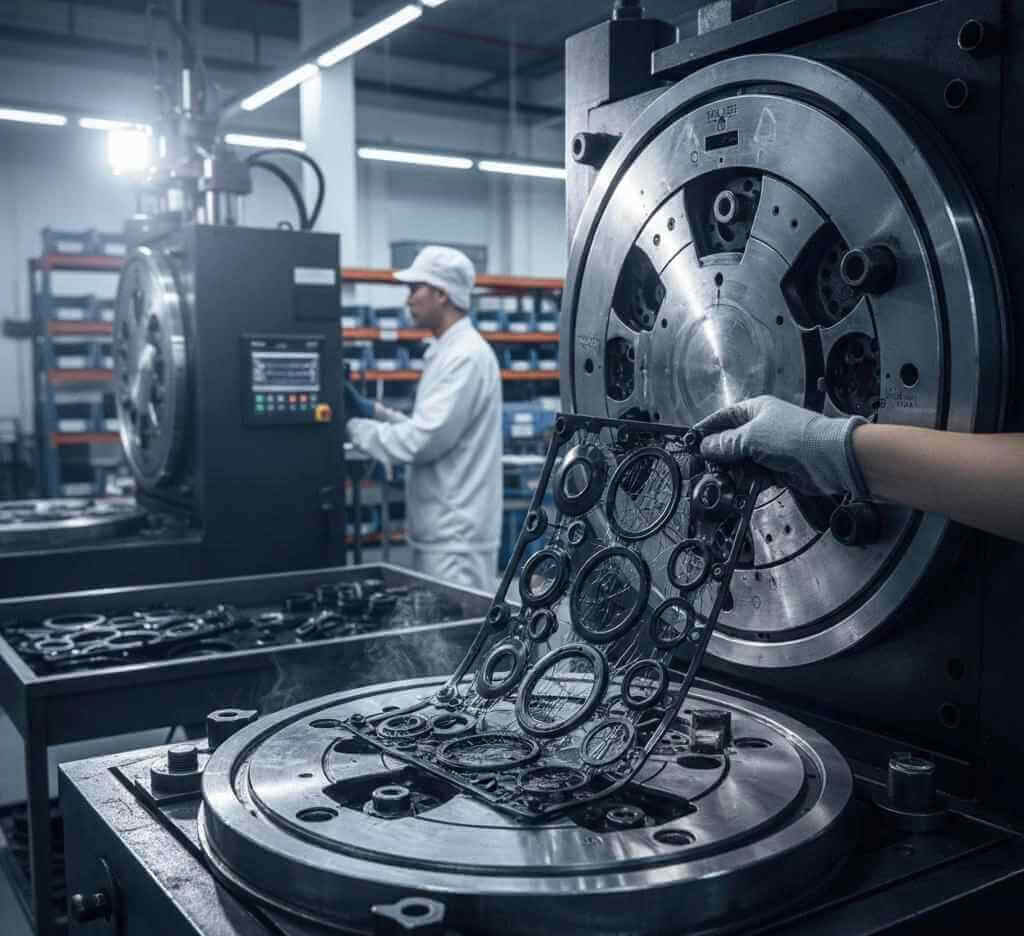
When considering cost, hydraulic steering systems tend to be more expensive upfront due to their complexity and the need for hydraulic fluid. On the other hand, while suspension rubber parts like O-Rings & Rubber Sealing Rings may seem cheaper, frequent replacements can add up over time, especially if installation costs are factored in.
Practical Applications
- Hydraulic Steering: Ideal for performance cars where quick steering response is paramount.
- Suspension Parts: Essential for off-road vehicles, where shock absorption is critical.
Real-World Impact
In real-world scenarios, a combination of both systems often delivers the best results. For instance, a robust hydraulic steering setup complemented by durable suspension parts from brands like Guanghua can significantly enhance driving satisfaction. Imagine zipping around turns effortlessly while enjoying a smooth ride over bumps!
Conclusion
The difference between hydraulic steering and suspension rubber parts often boils down to their roles in vehicle dynamics. One influences handling and responsiveness, while the other ensures comfort and stability. Understanding these differences helps drivers make informed choices about maintenance and upgrades. Regularly checking components like shock absorber boots or valve cover gaskets can prevent costly repairs down the line.