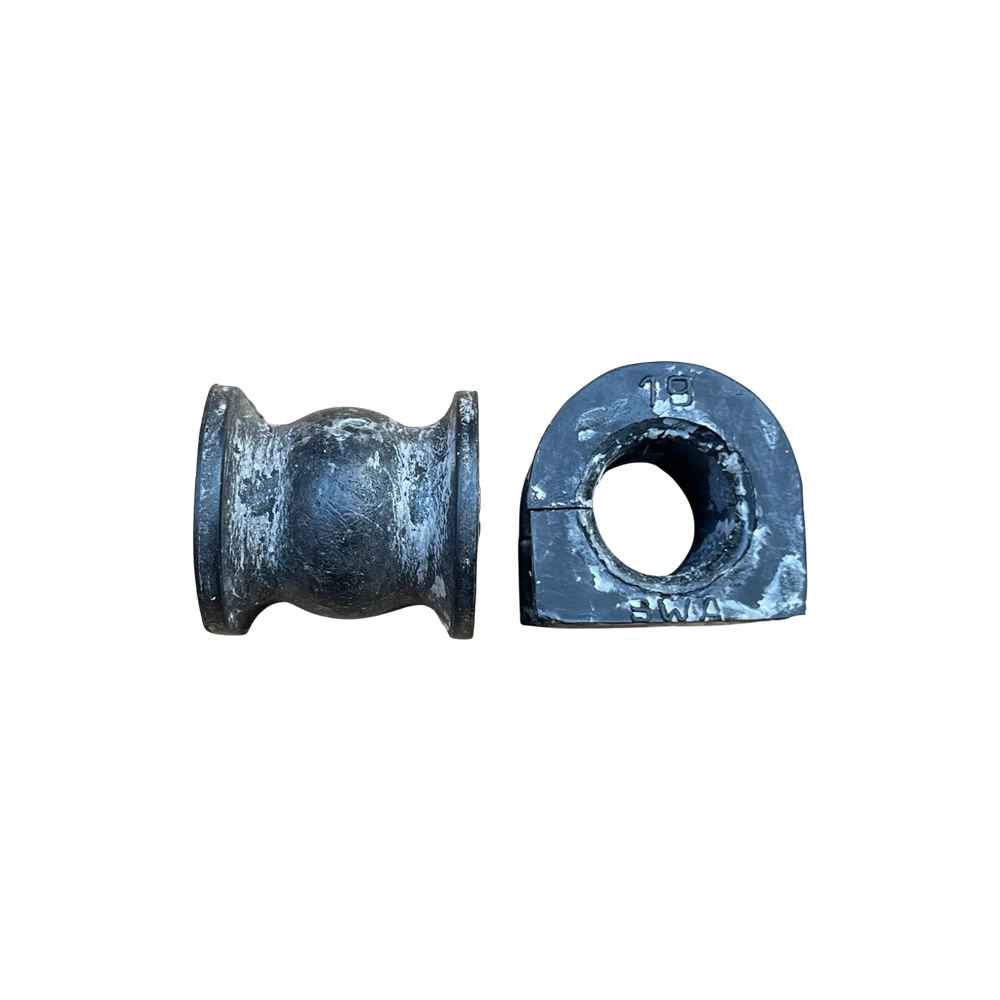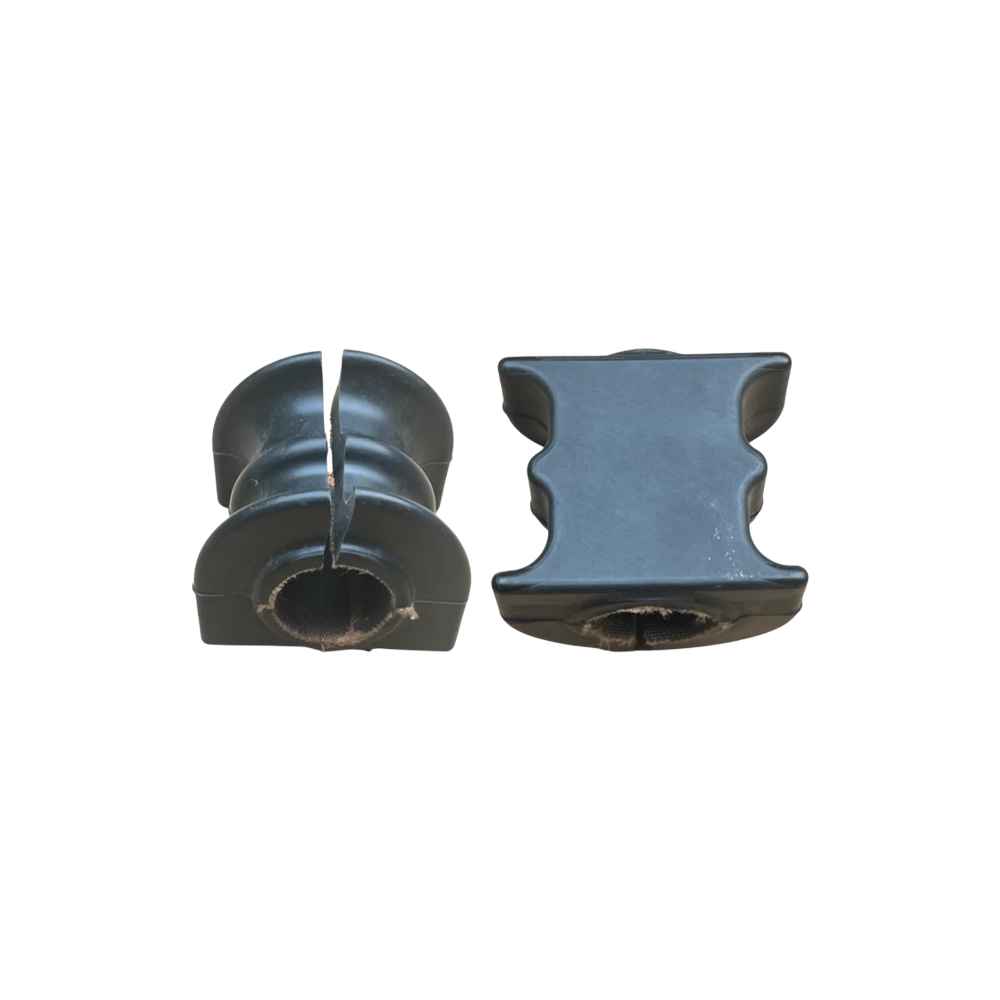
Understanding the Basics: Inner & Outer Seals
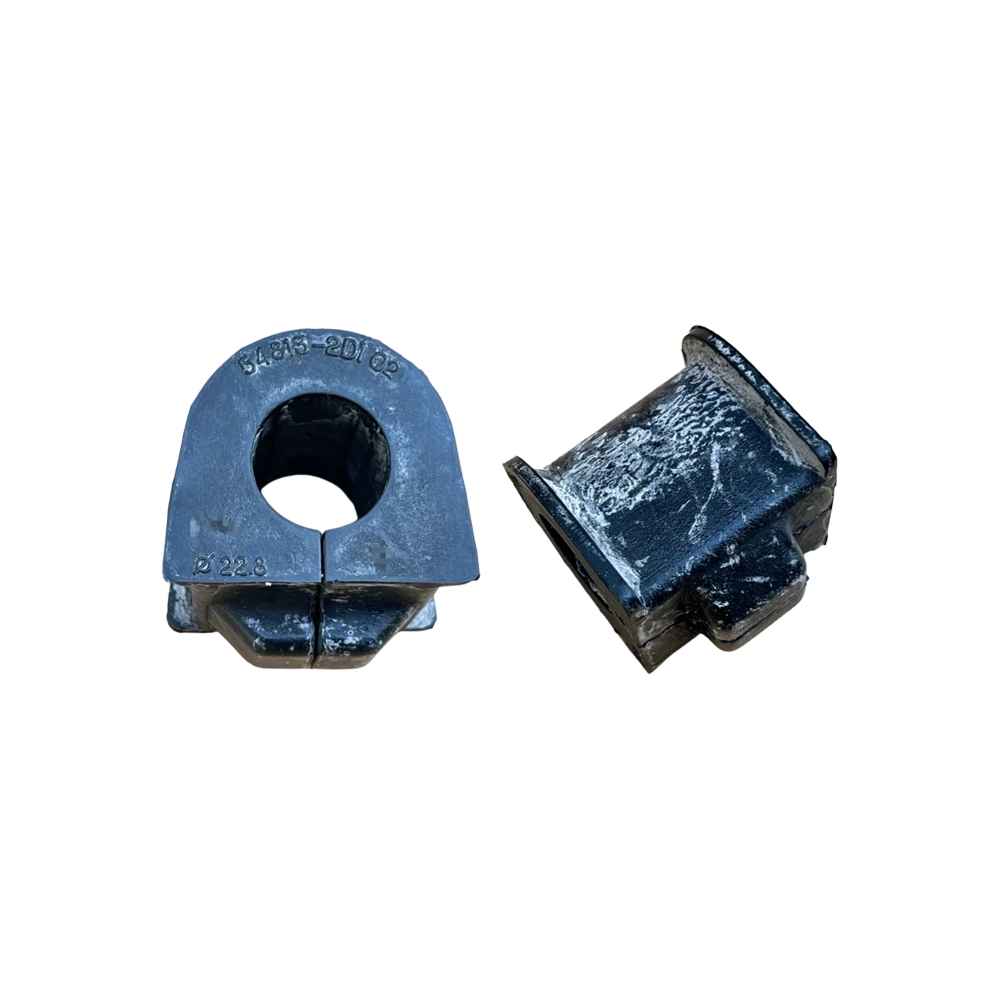
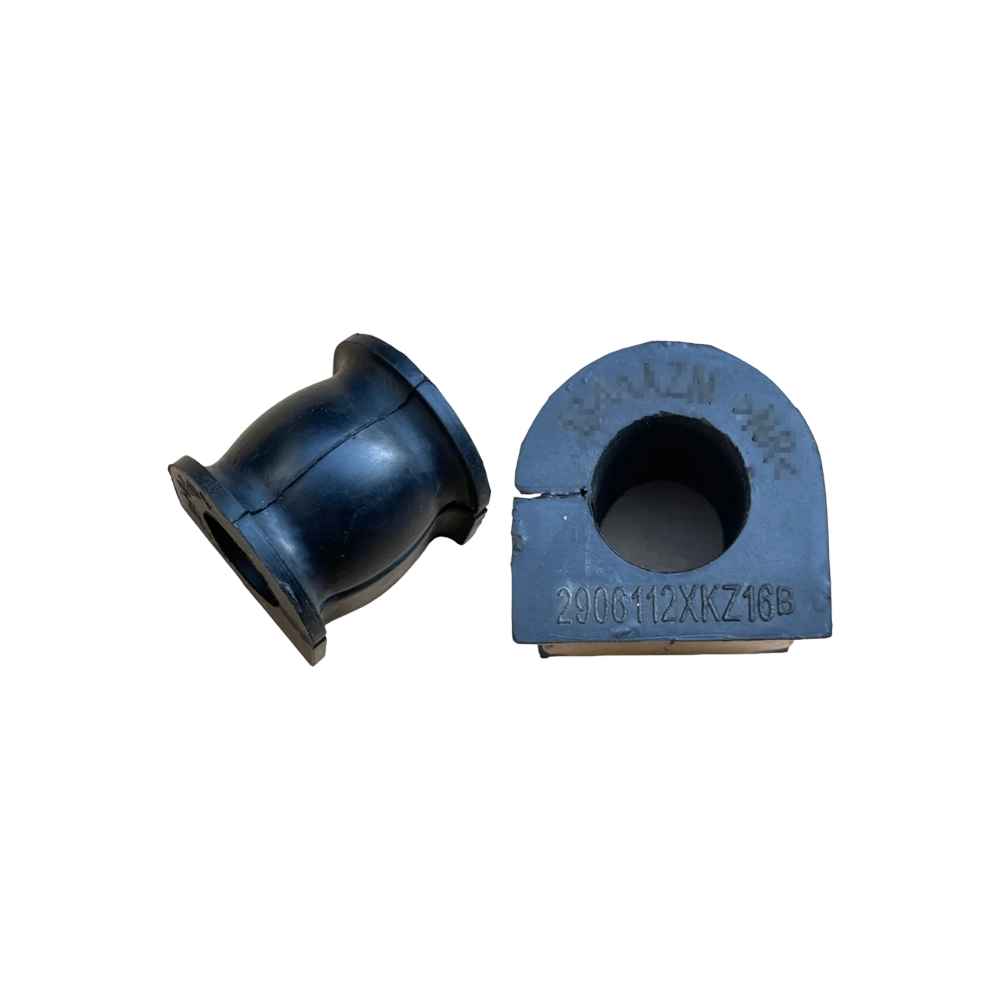
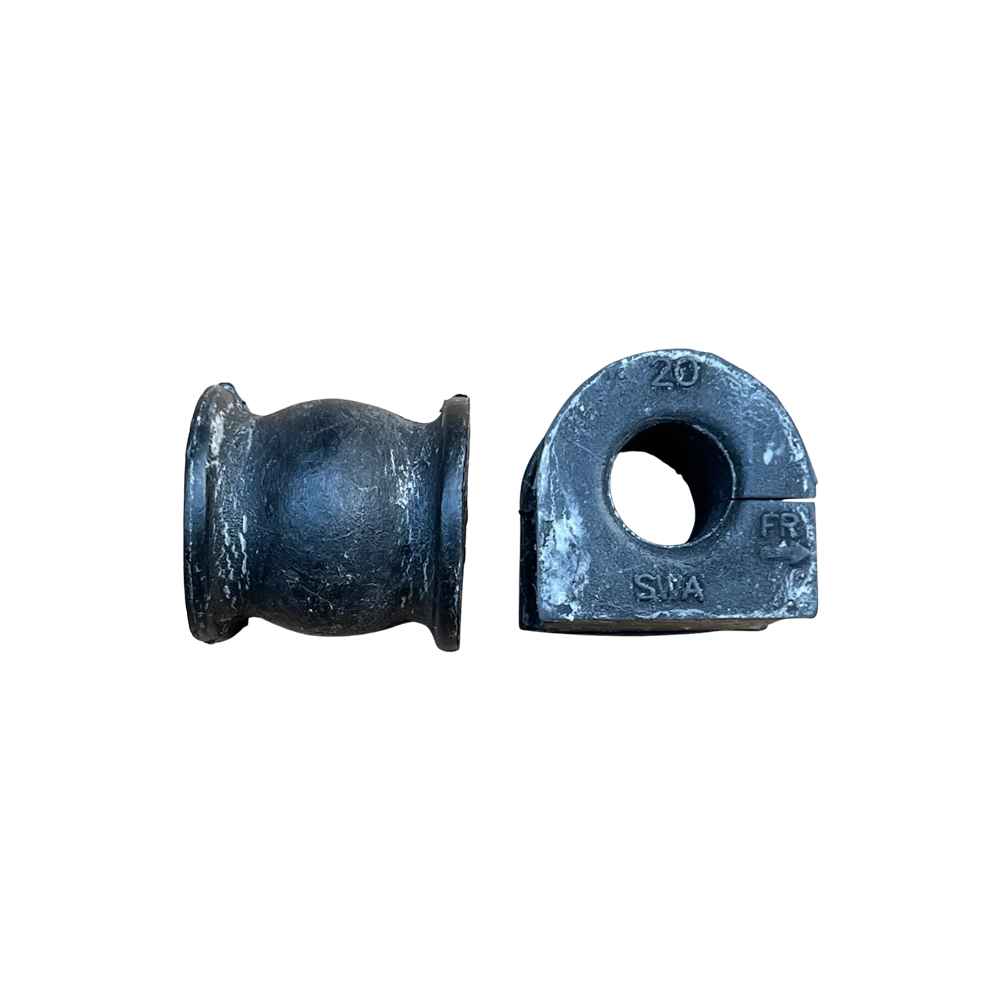
In the realm of automotive and mechanical engineering, seals are critical components designed to prevent leaks and ensure optimal performance. Specifically, inner and outer seals serve different purposes in various applications. The inner seal typically provides a barrier against contaminants within a system, while the outer seal protects against environmental factors.
Material Choices: NBR, Viton, and Silicone
The choice of material for these seals can significantly affect their performance, durability, and cost. Let's delve into the characteristics of each material:

- NBR (Nitrile Butadiene Rubber) : Known for its excellent resistance to oils and fuels, NBR is often the go-to choice for automotive applications. It has good tensile strength but may not perform well in extreme temperatures.
- Viton (Fluoroelastomer) : Exceptional for high-temperature applications, Viton offers remarkable chemical resistance. It's more expensive than NBR but is ideal for environments where oil and heat are prevalent.
- Silicone : While silicone seals are renowned for their flexibility and temperature resilience, they generally lack the chemical resistance of NBR and Viton. However, they're perfect for applications requiring broad temperature ranges.
Performance Comparison
Performance aspects vary not just based on the material but also on the environment in which they function. For example, NBR works well for regular operating conditions but struggles under extreme heat or cold. In contrast, Viton excels in high-stress scenarios, maintaining integrity even in harsh chemicals.
Durability Insights
When it comes to durability, each material has its strengths and weaknesses. Here’s a breakdown:
- NBR: Typically lasts around 5-7 years in standard automotive uses but can degrade faster in high temperatures.
- Viton: With proper application, Viton seals can last up to a decade or more, making them a worthwhile investment despite their higher initial cost.
- Silicone: Though offering flexibility and tolerance for varying temperatures, silicone seals might wear out quicker in abrasive environments.
Cost Analysis
While performance and durability are crucial, cost will always be a deciding factor. NBR is the most economical option, making it popular for standard applications. On the other hand, Viton, being more expensive, is better suited for specialized industries that prioritize longevity and reliability. Silicone, although moderately priced, offers unique benefits that justify its cost in specific scenarios.
Practical Applications
Understanding how these materials function in real-world applications can help businesses and individuals make informed choices. For instance, if you’re working on automotive components like CV Joint Boots or Steering Rack Boots , NBR might be the best fit. However, for high-performance vehicles or applications involving aggressive chemicals, using Viton O-Rings & Rubber Sealing Rings could be the best approach.
The Role of Brand Quality
Choosing reputable brands such as Guanghua can enhance the effectiveness of these materials considerably. High-quality seals not only improve performance but also reduce the incidence of failures or malfunctions in machinery.
Conclusion
When considering inner and outer seals for your next project, it’s essential to evaluate the material's performance, durability, and cost. Each type—whether NBR, Viton, or Silicone—has its place depending on the application requirements. Understanding these differences can lead to better decision-making and ultimately, improved efficiency in operations.