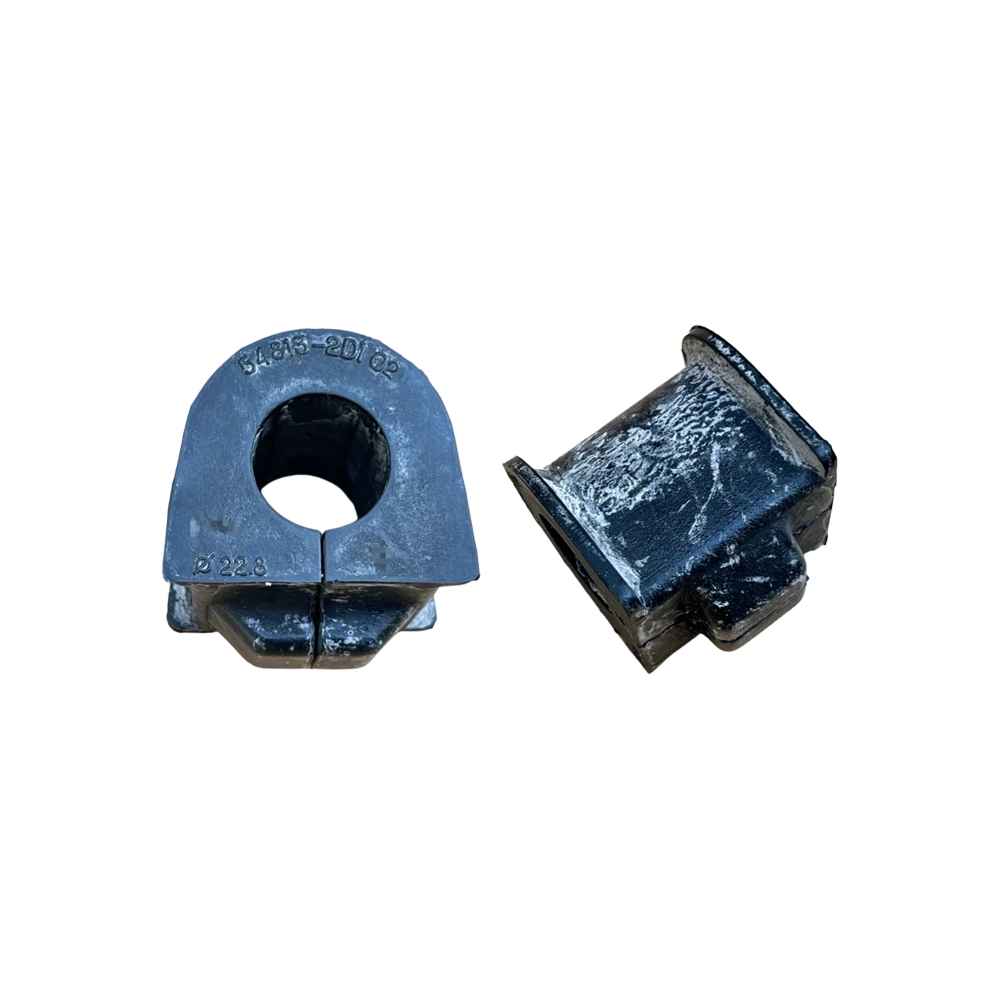
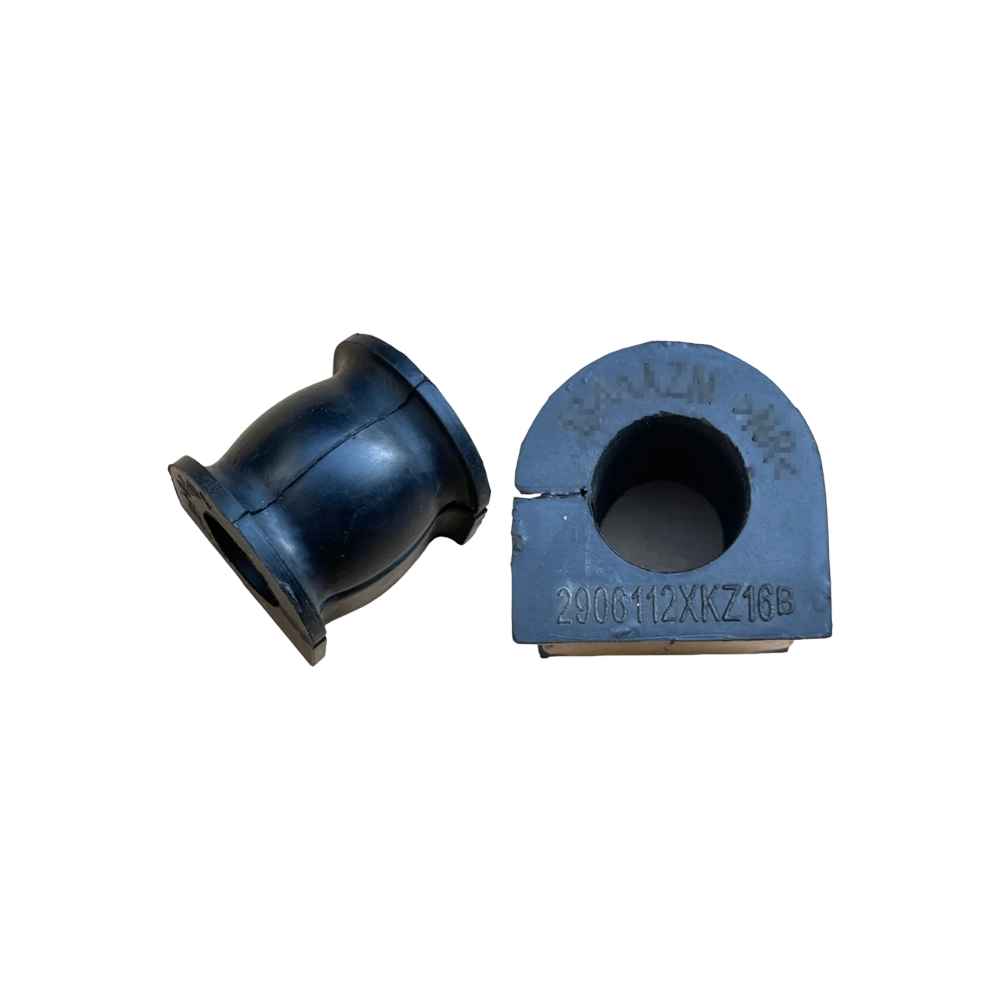
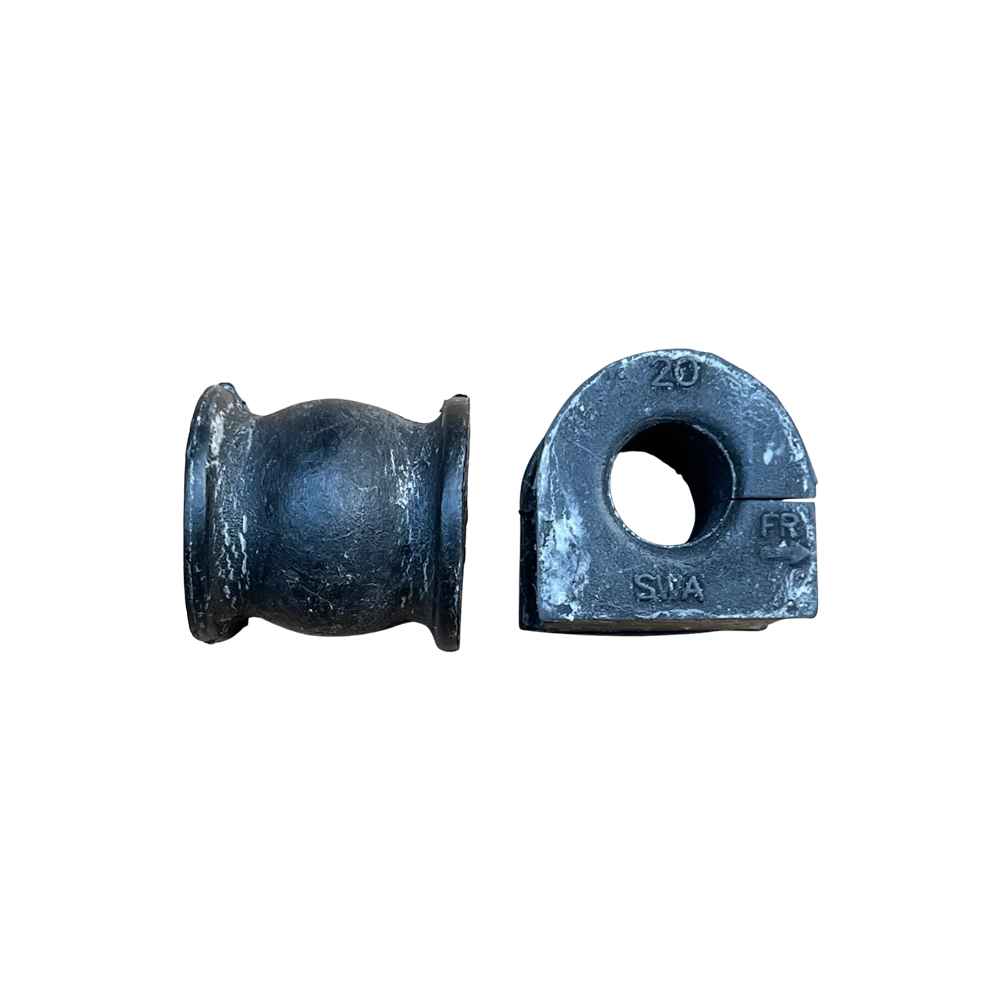
Introduction to Chassis Steering and Suspension Systems
Chassis steering and suspension systems are critical components in vehicles, ensuring stability, handling, and ride comfort. Within these systems, various rubber components play significant roles in protecting essential parts from dirt, debris, and environmental damage. Among these components, CV Joint Boots and Shock Absorber Boots stand out for their unique materials and functions.
Understanding CV Joint Boots
The CV (Constant Velocity) joint boot is designed to protect the CV joint, which allows for smooth torque transfer while accommodating the movement of the suspension system. Typically made from high-quality rubber or thermoplastic materials, these boots need to exhibit excellent flexibility and durability.
- Material Properties: The rubber used in CV joint boots must resist wear, temperature fluctuations, and exposure to grease.
- Functionality: A well-sealed CV joint boot prevents moisture and contaminants from entering the joint, thus prolonging its lifespan.
Material Comparison with Shock Absorber Boots
In contrast, shock absorber boots serve a different purpose. While they also aim to protect another critical suspension component—namely, the shock absorber—they do not need to accommodate rotational movements like CV boots. The material for shock absorber boots often includes similar rubber compounds but may vary in thickness and design due to differing mechanical stresses.
Shock Absorber Boots: Features and Functions
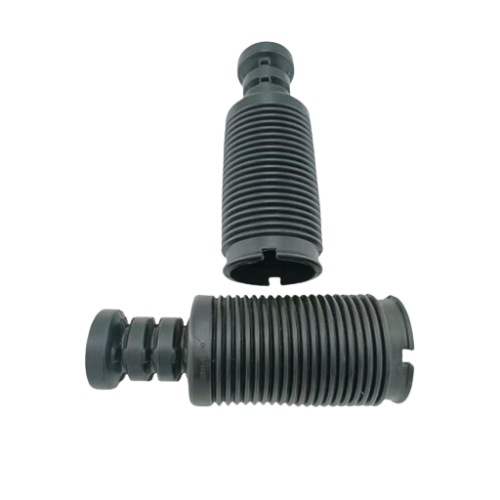
Shock absorber boots are primarily aimed at safeguarding the exposed shaft of the shock absorber from debris, dust, and moisture, ensuring optimal performance over time. Their construction typically includes:
- Durability: Materials chosen must withstand the hydraulic fluid found within shock absorbers.
- Flexibility: Similar to CV joint boots, shock absorber boots should maintain flexibility under varying temperatures.
- Installation: Installation processes for these boots can be more straightforward, as they generally fit over the shaft without the need for complex positioning.
Comparative Material Analysis
When comparing the materials used in CV joint boots versus shock absorber boots, several factors come into play:
- Type of Rubber: Both types of boots can utilize natural or synthetic rubber; however, the specific formulations may differ based on the expected environmental exposures and mechanical demands.
- Manufacturing Standards: Brands such as Guanghua often adhere to rigorous quality standards to ensure longevity and performance across their product lines.
- Resistance Properties: While both need abrasion resistance, CV joint boots require enhanced oil-resistance due to the presence of grease, while shock absorber boots focus more on resisting water intrusion.
Impact of Material Choices on Performance
The choice of materials for CV joint boots and shock absorber boots ultimately affects their performance and longevity. Factors influencing this choice include:
- Environmental Conditions: High heat, cold weather, and exposure to chemicals can impact material integrity.
- Mechanical Load: Higher loads may necessitate thicker materials or added reinforcements in either type of boot.
- Cost-Effectiveness: Balancing material quality with cost is crucial; lower-priced options may save money initially but could lead to increased maintenance costs over time.
Common Issues Related to Boot Failures
Failures in either CV joint boots or shock absorber boots can lead to severe vehicle performance issues. Common problems include:
- Cracking or Splitting: This is often observed in both types of boots due to age or extreme conditions.
- Contamination: A compromised boot can lead to grease leaking from CV joints or dirt entering shock absorbers, resulting in premature wear.
- Noise and Vibration: Damaged boots can lead to abnormal noises during driving, indicating worn components that may need replacement.
Conclusion on Material Choices
When it comes to chassis steering and suspension systems, understanding the materials used in CV joint boots and shock absorber boots is vital for optimal vehicle performance. Each component's material properties directly influence functionality, durability, and service life. As manufacturers continually innovate, the availability of advanced materials will further enhance performance, reducing the frequency of replacements and maintenance needs. For instance, brands like Guanghua are known for leveraging cutting-edge materials that offer improved durability and resistance. Ultimately, the careful selection of these rubber components can contribute significantly to overall vehicular safety and efficiency.