Understanding the Basics
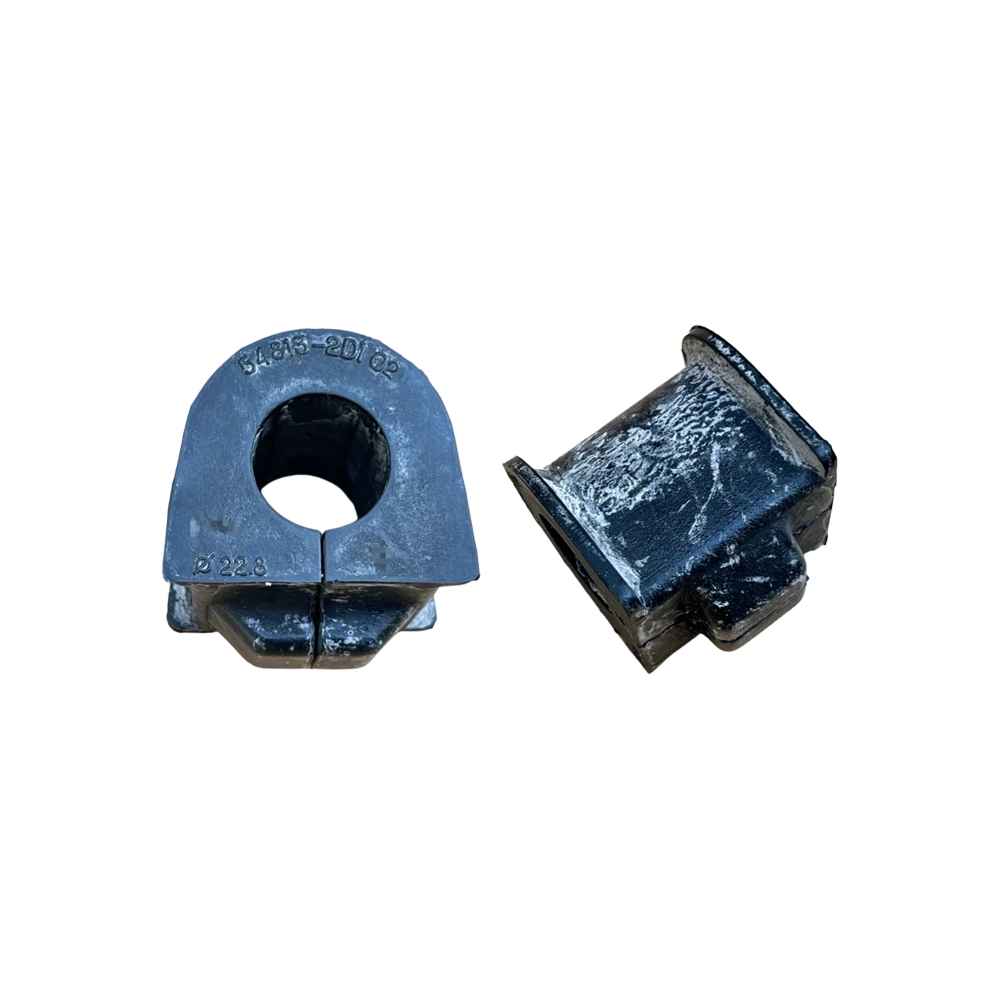
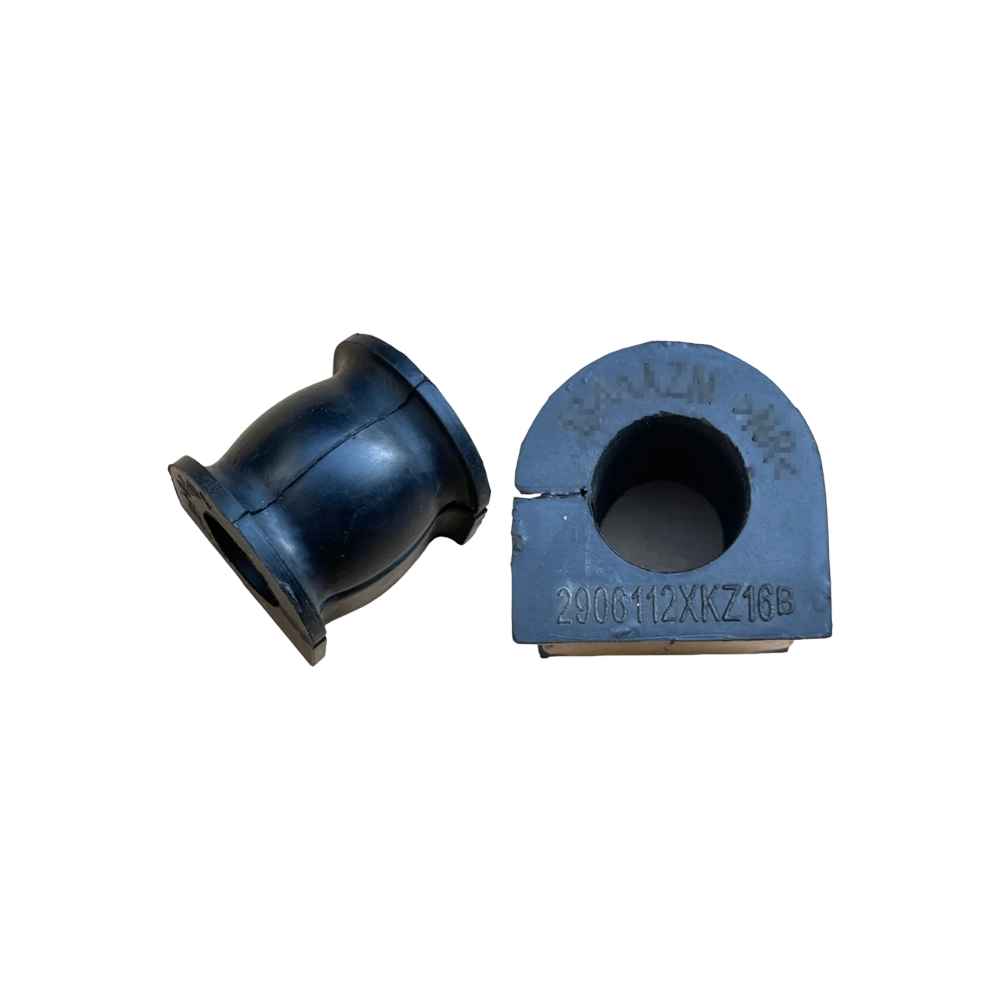
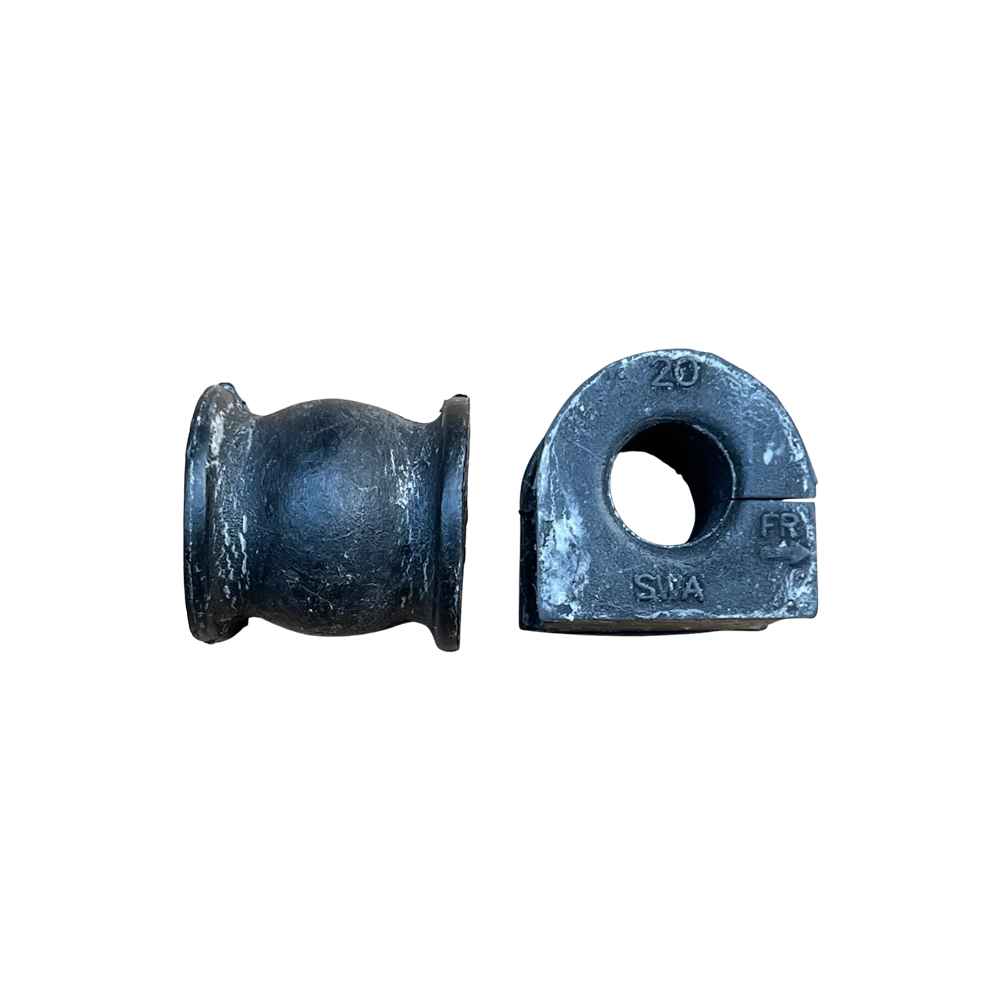
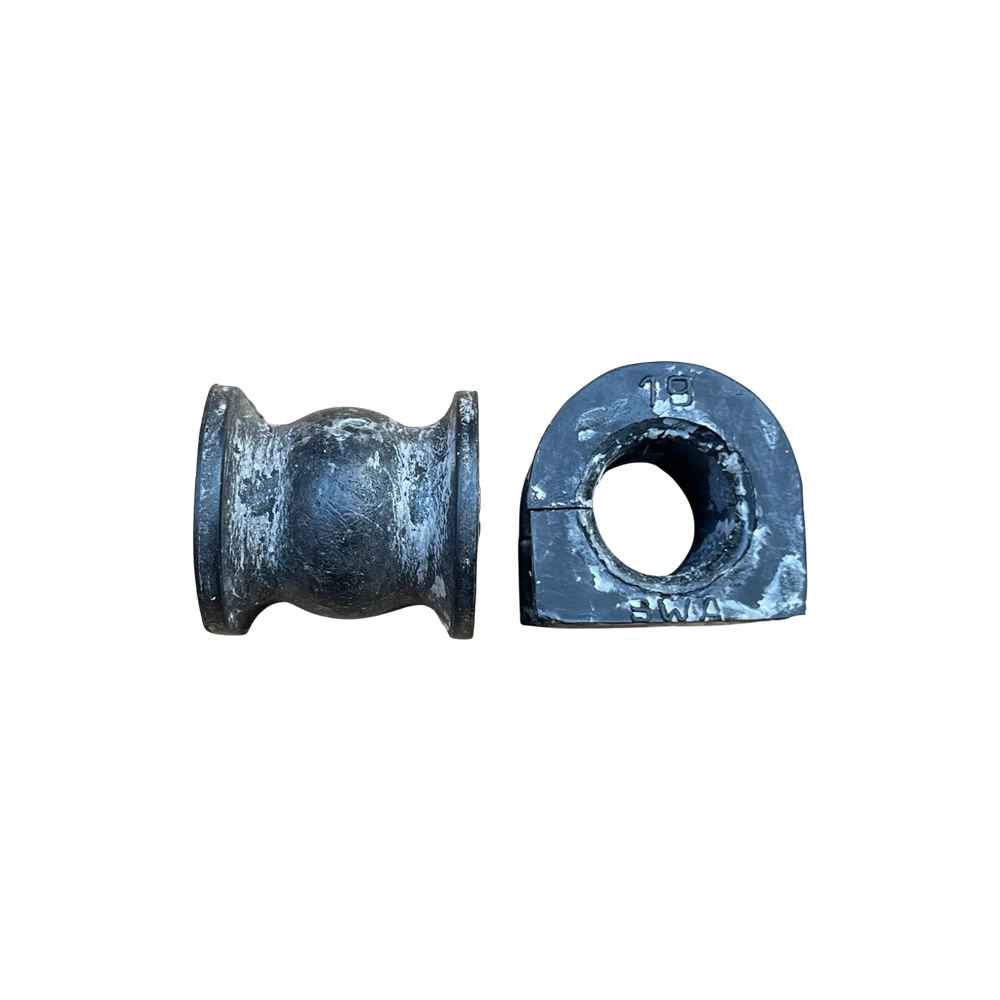
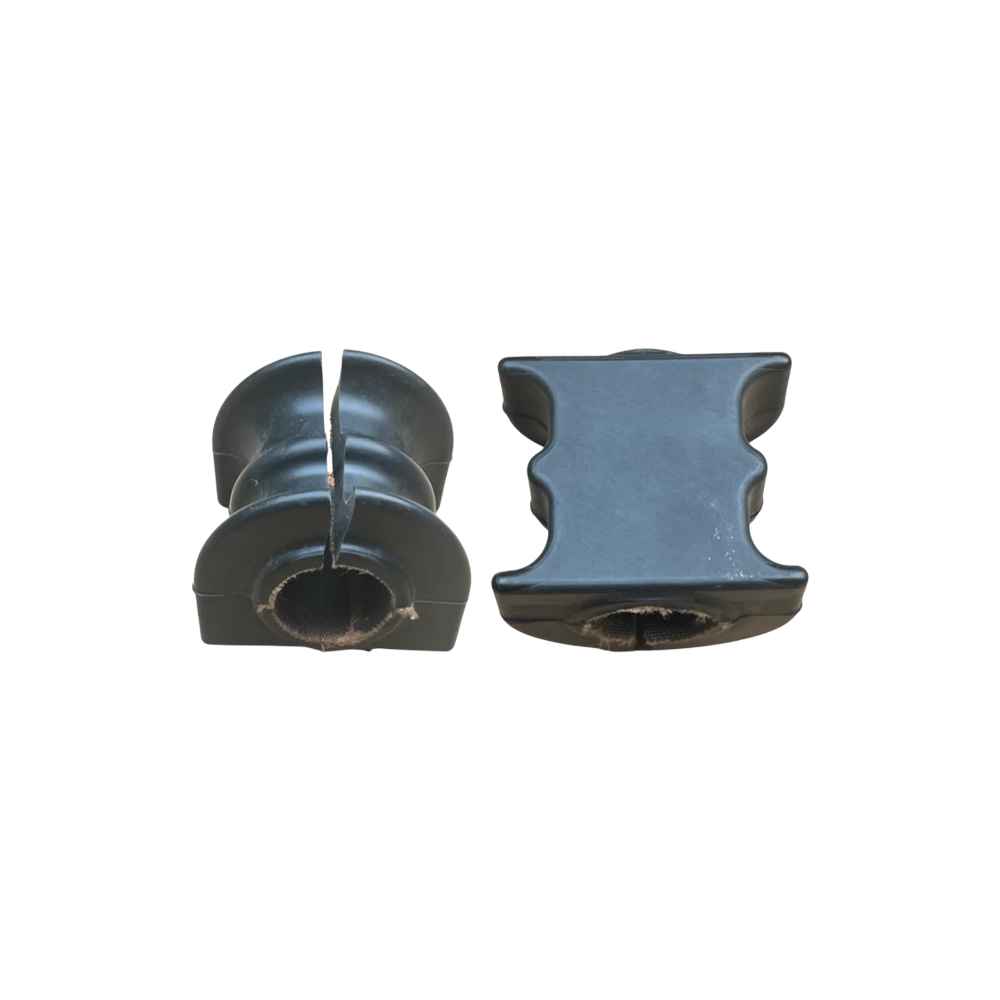
Heat-resistant ACM and suspension rubber parts—two key players in vehicle driveline and axle repair. They might seem similar at first glance, but their roles diverge significantly when it comes to performance under stress.
The Rising Heat Challenge
Heat is a relentless foe. In drivelines, components endure heat generated from friction, engine vibrations, and environmental factors. Take, for example, a vehicle navigating steep hills. The temperature can spike rapidly, affecting the integrity of materials. How do we combat this?
- ACM (Acrylic Copolymer Material): Designed for high-temperature resistance. It doesn’t just withstand heat; it thrives in it.
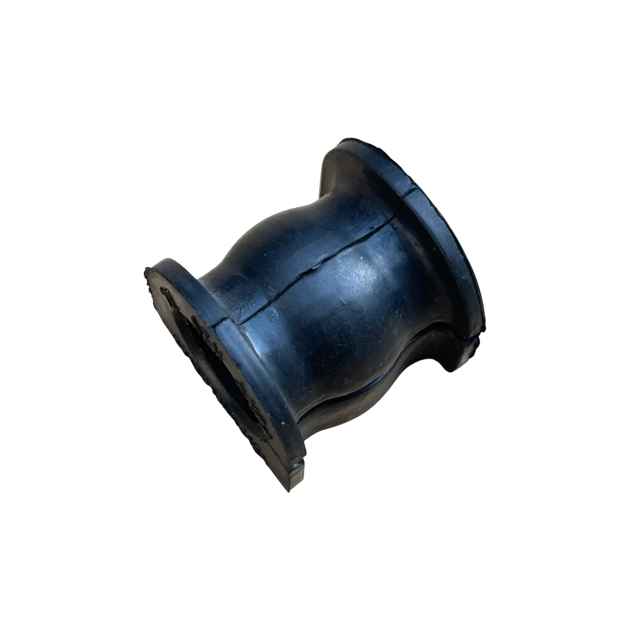
- Suspension Rubber Parts: Commonly used for flexibility and shock absorption. But how well does rubber handle extreme temperatures?
Material Properties: A Side-by-Side Comparison
Let’s dive into specifics. ACM typically has a temperature tolerance exceeding 150°C, while standard suspension rubber parts often struggle beyond 90°C. Imagine a scenario where an overheated vehicle part fails due to subpar material choice. Frustrating, right?
- Temperature Resistance: ACM wins hands down in high-heat scenarios.
- Durability: While rubber offers decent elasticity, ACM boasts better longevity under aggressive conditions.
Real-World Applications
Consider a fleet of delivery trucks operating in varying climates. During peak summer, the asphalt heats up, radiating warmth that penetrates the vehicle structure. If these trucks employ rubber suspension parts without considering heat effects, the result? Premature wear and costly repairs.
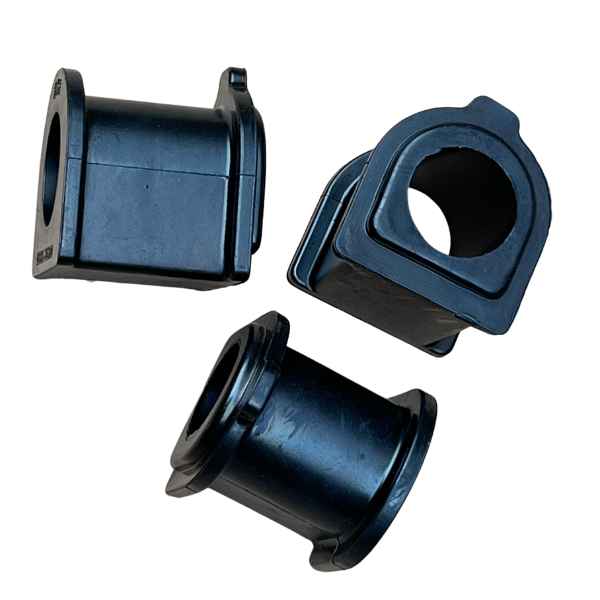
Switching to ACM-based solutions can substantially reduce these risks. With companies like Guanghua leading the charge in producing advanced ACM parts, the industry is witnessing a shift towards more durable solutions.
Installation & Maintenance Considerations
Installation isn't just about fitting parts together. It's about understanding the material properties to ensure compatibility with existing components. For instance, coupling ACM joints with rubber components might require custom adaptations. Isn’t it fascinating how much thought goes into what seems simple?
- Compatibility: Ensure materials complement each other to avoid failures.
- Maintenance: Regular checks on joint integrity help prolong lifespan, especially in mixed-material applications.
Cost Implications
While ACM parts tend to have a higher upfront cost, consider the long-term savings. Less frequent replacements mean fewer labor costs and less downtime. In fact, some fleets report nearly a 30% drop in maintenance costs by switching materials. Surprising, isn’t it?
Final Thoughts
It scratches the surface of material selection. Choosing between heat-resistant ACM and traditional rubber parts hinges not only on immediate needs but also on future performance expectations. As the automotive industry evolves, so too does the technology behind these materials. Make informed choices—your driveline deserves nothing less.