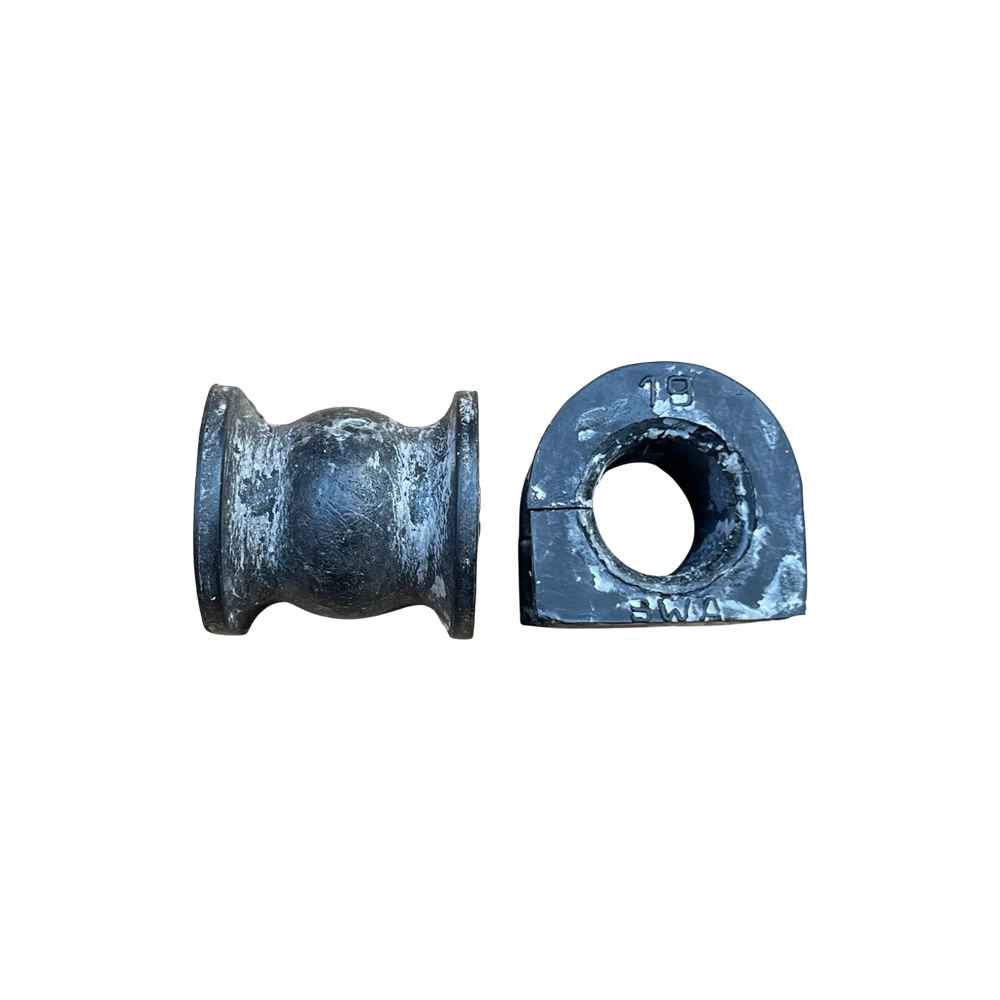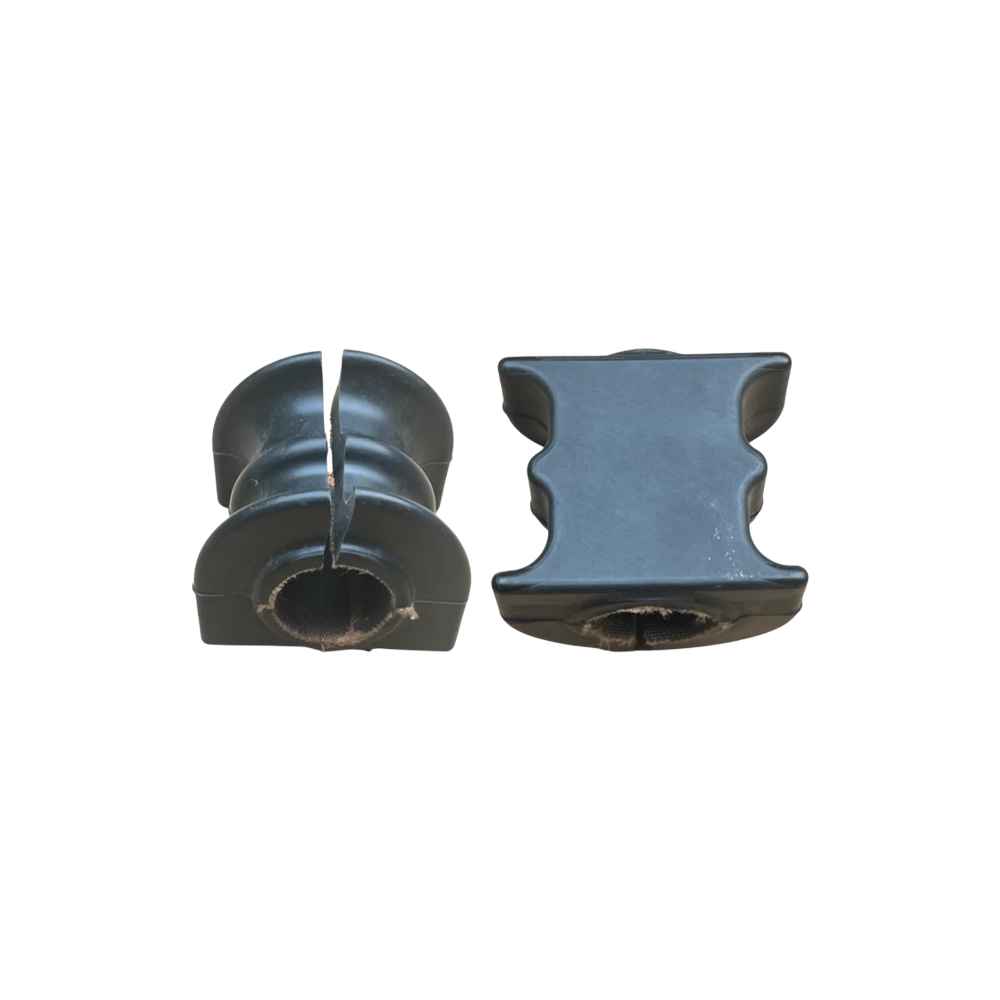
Overview of Engine Cylinder Head Sealing
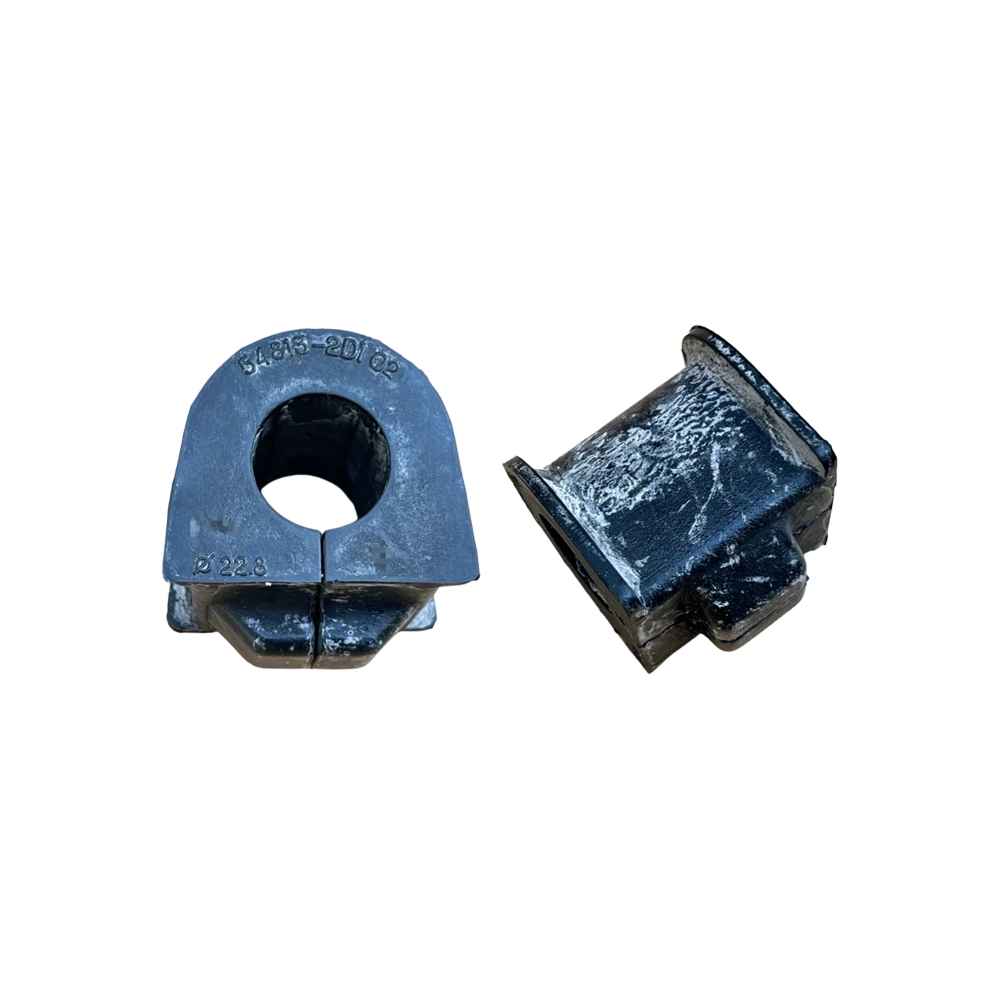
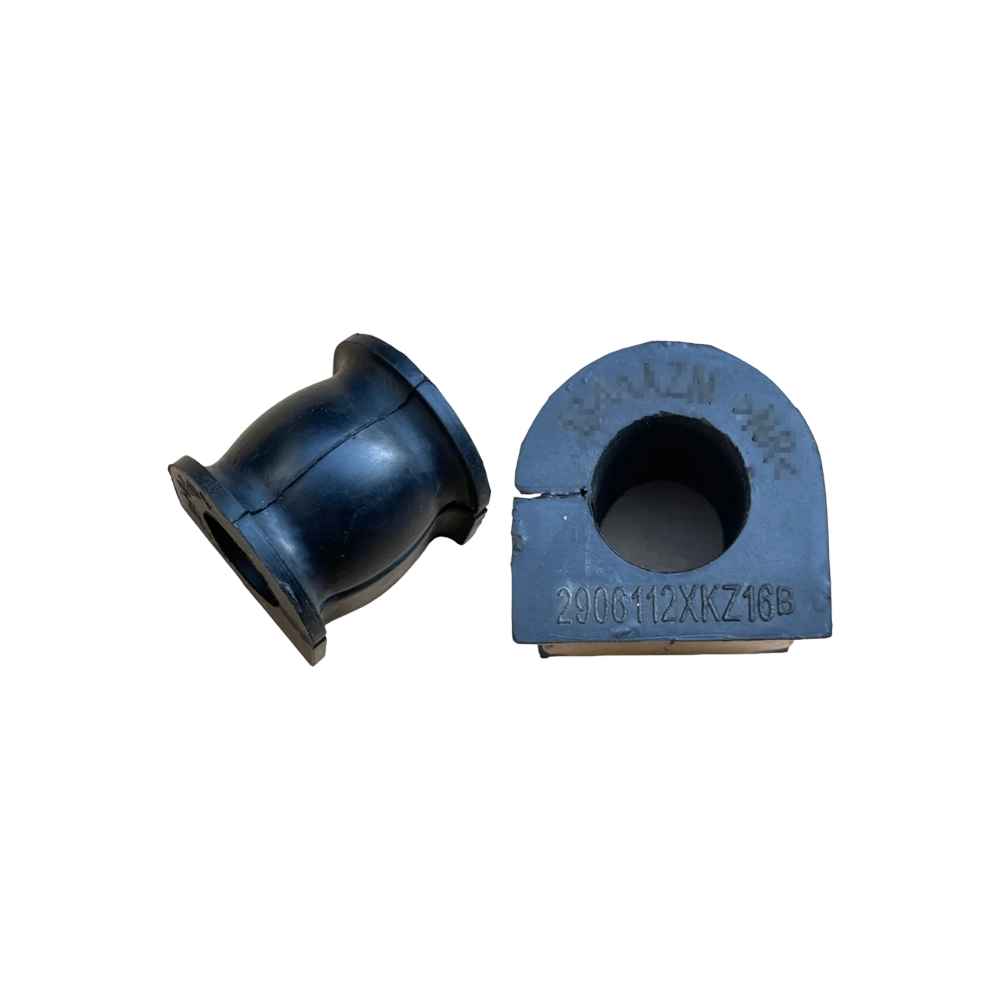
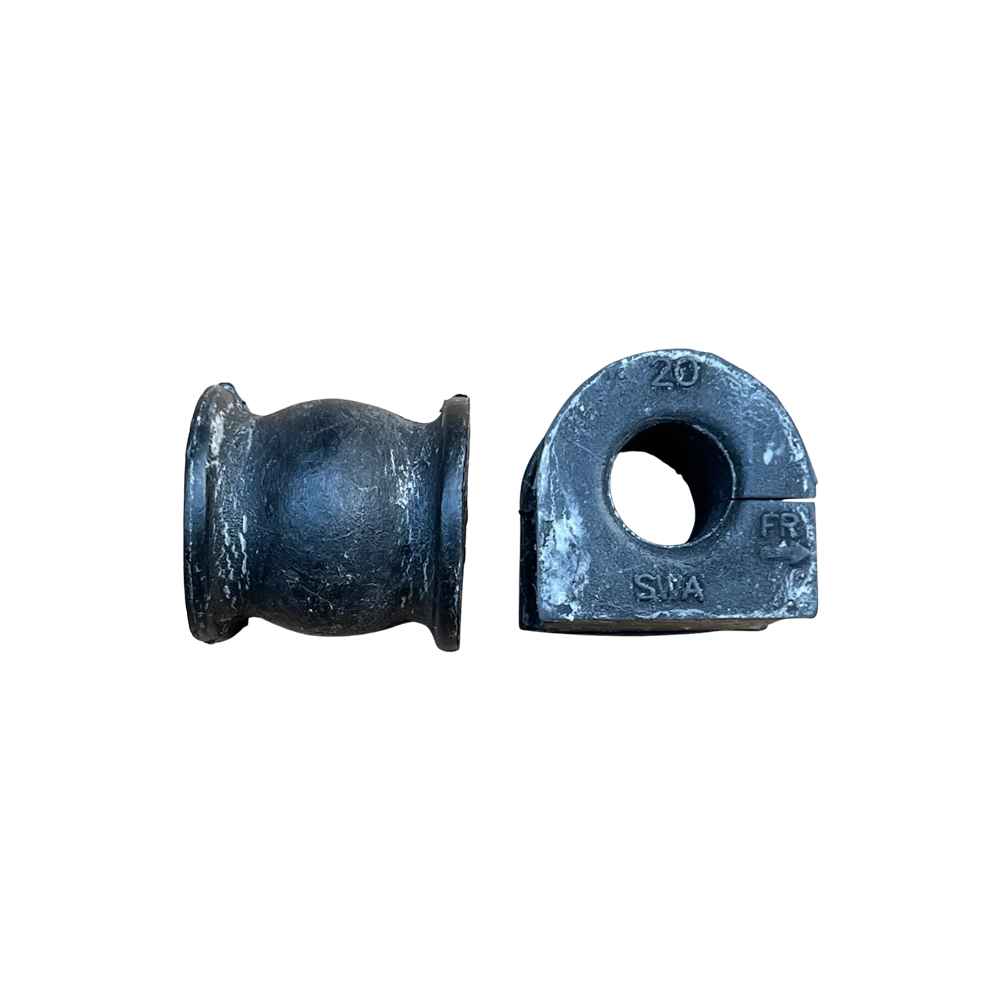
The sealing of the engine cylinder head is crucial for maintaining optimal engine performance and efficiency. This component not only ensures a tight seal between the cylinder head and the engine block but also plays a pivotal role in noise, vibration, and harshness (NVH) reduction. Various materials are utilized in the manufacturing of these seals, each exhibiting unique properties that affect their effectiveness.
Material Types for Inner and Outer Seals
When discussing inner and outer seals, one must consider several material types that are commonly used in the industry:
- Rubber-Based Materials: Often found in O-rings and rubber sealing rings, these materials provide excellent flexibility and resilience, making them suitable for dynamic applications.
- Metallic Seals: Although less common, metallic seals can be advantageous in high-temperature environments due to their durability and resistance to deformation.
- Composite Materials: Combining various materials can yield seals that possess superior thermal stability while maintaining flexibility, thus mitigating NVH effectively.
Evaluating NVH Reduction Capabilities
One of the primary functions of the cylinder head seal is to minimize NVH. The choice of material directly influences this capability. For instance, rubber-based seals often exhibit exceptional sound-dampening characteristics, which can significantly reduce engine noise. Conversely, metallic seals tend to transmit vibrations more readily, potentially leading to increased NVH levels.
Inner vs. Outer Seal Considerations
In the context of engine assembly, the distinction between inner and outer seals cannot be underestimated. Inner seals typically function under higher pressure and temperature conditions, demanding materials that are not only resilient but also resist fatigue over time. On the other hand, outer seals may prioritize ease of installation and cost-effectiveness without compromising undue wear or degradation.
Application of Advanced Materials
Recent advancements in material science have introduced innovative options for sealing applications. For example, companies like Guanghua have developed proprietary sealing solutions that combine advanced polymers with traditional materials to enhance seal longevity and performance. These hybrid materials can offer benefits such as:
- Increased resistance to chemical degradation.
- Enhanced thermal stability for high-performance engines.
- Improved flexibility, contributing to better sealing under varying operational stresses.
Impact on Engine Efficiency
A well-sealed engine cylinder head directly correlates with improved fuel efficiency. An effective seal prevents combustion gases from escaping, ensuring maximum power output from fuel consumption. Furthermore, reduced NVH levels also contribute to overall driver comfort and satisfaction, enhancing the driving experience.
Challenges in Material Selection
While selecting the appropriate materials for cylinder head sealing applications, engineers face numerous challenges. Each material's performance characteristics must be balanced against factors such as cost, availability, and environmental impact. Additionally, varying engine designs and operating conditions necessitate a tailored approach to sealing solutions.
Durability Testing Methods
To ensure reliability over time, rigorous testing protocols must be implemented. These methods often include:
- Thermal cycling tests to assess material stability under fluctuating temperatures.
- Compression set tests to evaluate material resilience after prolonged compression.
- Dynamic load tests simulating real-world operational stresses.
Future Trends in Engine Sealing Technologies
As automotive technologies evolve, so too will the requirements for engine cylinder head sealing. Emerging trends such as electrification and the push for greater fuel efficiency drive innovation in material development. Future seals may incorporate smart materials capable of self-healing or adjusting properties based on operational conditions, further enhancing their NVH reduction capabilities.

Conclusion
The comparison of inner and outer seals in relation to NVH reduction highlights the importance of material selection in engine cylinder head sealing applications. With a wide array of materials available, including rubber-based composites and advanced polymers, manufacturers must judiciously choose the right combination to optimize performance, durability, and efficiency.