Understanding NVH Reduction in Automotive Systems
Noise, Vibration, and Harshness (NVH) are critical factors in automotive engineering that significantly affect the overall driving experience. Engineers continually strive to enhance vehicle comfort by minimizing these undesirable attributes, particularly within hydraulic systems.
The Role of Hydraulic Systems in Vehicles
Hydraulic systems play a crucial role in modern automobiles, especially in steering mechanisms. The rack-and-pinion system, for example, translates the rotational movement of the steering wheel into lateral motion of the wheels. However, this system is prone to NVH issues due to mechanical interactions and external factors.
Materials Used in Rack and Pinion Boots
Rack and pinion boots serve as protective covers that shield the inner components from dirt, moisture, and other contaminants. Made of various materials, these boots can vary widely in terms of performance:
- Rubber: Commonly used for its flexibility and durability, rubber offers good resistance against wear but may not provide optimal NVH reduction.
- Thermoplastic Elastomers (TPE): These materials combine the benefits of rubber and plastic, providing excellent resilience and noise-dampening capabilities.
- Polyurethane: Known for its strength and tear resistance, polyurethane can effectively minimize vibrations yet often falls short in extreme temperature conditions.
Navigating the Balance: NVH Reduction vs. Performance
While focusing on NVH reduction, it’s paramount not to compromise the performance of the steering system. The choice of material for rack and pinion boots can directly impact both factors.
Impact of Material Selection
Different materials will exhibit distinct characteristics when subjected to stress and environmental factors. For instance, TPEs can absorb shocks better compared to standard rubber, resulting in lower NVH levels. This capability allows for a smoother driving experience; however, the cost and manufacturing complexity associated with TPEs could be a drawback for some manufacturers.
Real-World Applications of Advanced Materials
A notable example is Guanghua's line of rack and pinion boots which employs advanced thermoplastic elastomers designed specifically to combat NVH issues while maintaining structural integrity under diverse driving conditions. Such innovations indicate an industry trend towards using proprietary materials to enhance overall vehicle performance.
Comparative Analysis of Rubber Sealing Options
Beyond just rack and pinion boots, the integration of O-Rings & Rubber Sealing Rings across hydraulic systems can also influence NVH characteristics. These seals contribute not only to fluid retention but also to reducing vibration transmission through the assembly.
O-Rings vs. Traditional Seals
The use of O-rings presents certain advantages over traditional sealing methods. Their circular design allows for even distribution of compression, thus minimizing localized stress points that can lead to noise generation. Moreover, high-quality rubber O-rings can significantly improve the longevity of the hydraulic system.
Importance of Proper Installation
In any hydraulic system, even the best materials can fail if not installed correctly. Adequate attention must be paid to installation procedures, ensuring that items like Steering Rack Boots fit snugly to prevent any unwanted movement or noise.
Broader Considerations in NVH Management
While material selection is foundational in mitigating NVH, other aspects should not be overlooked. Factors such as component geometry, assembly techniques, and damping strategies all contribute to the overall acoustic landscape of an automobile.
Additional Components Influencing NVH
- Shock Absorber Boots : These components are integral to dampening road noise and vibrations, hence their quality plays a significant role in overall NVH management.
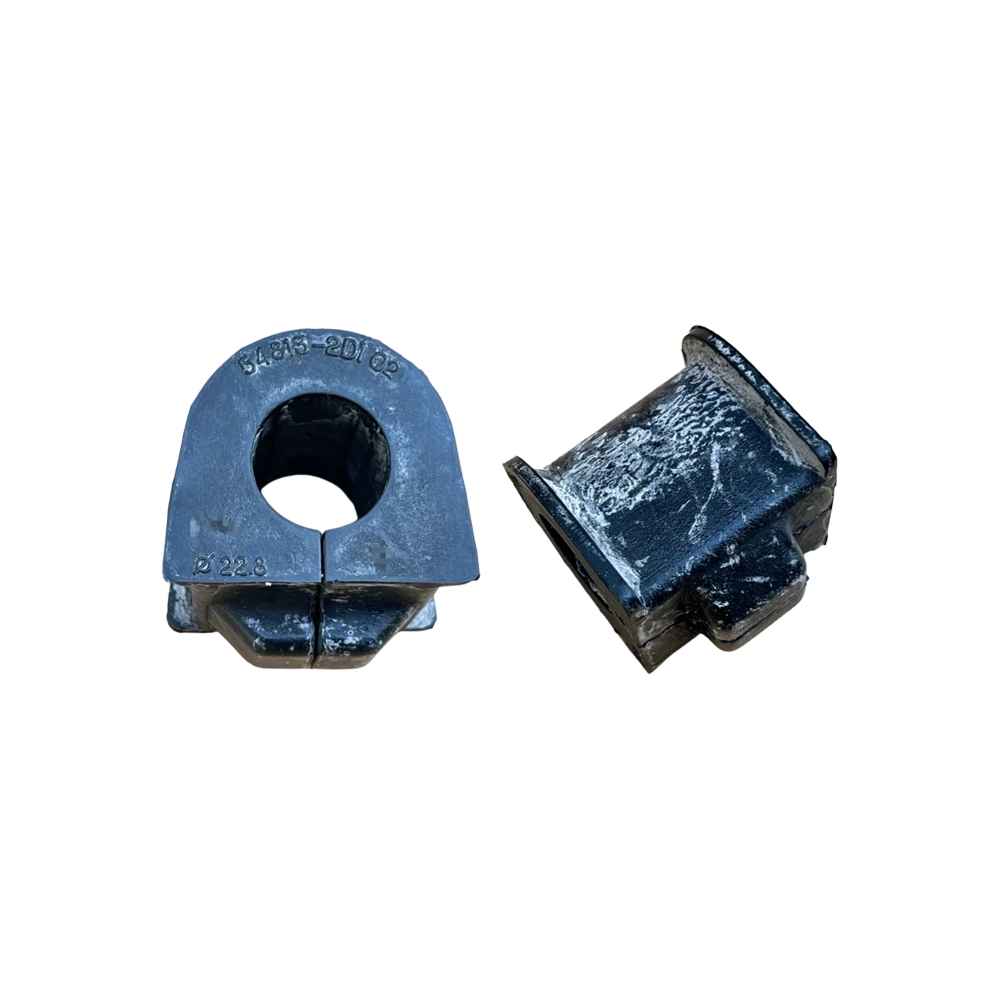
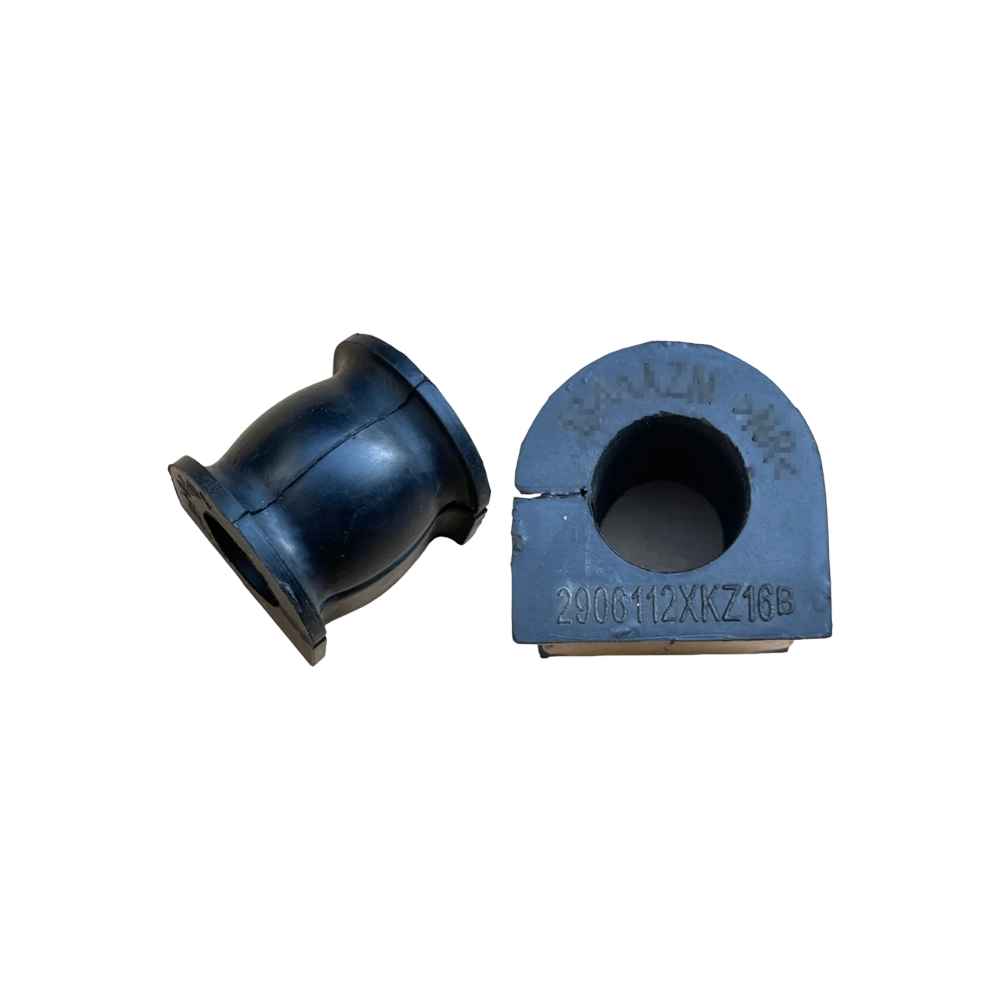
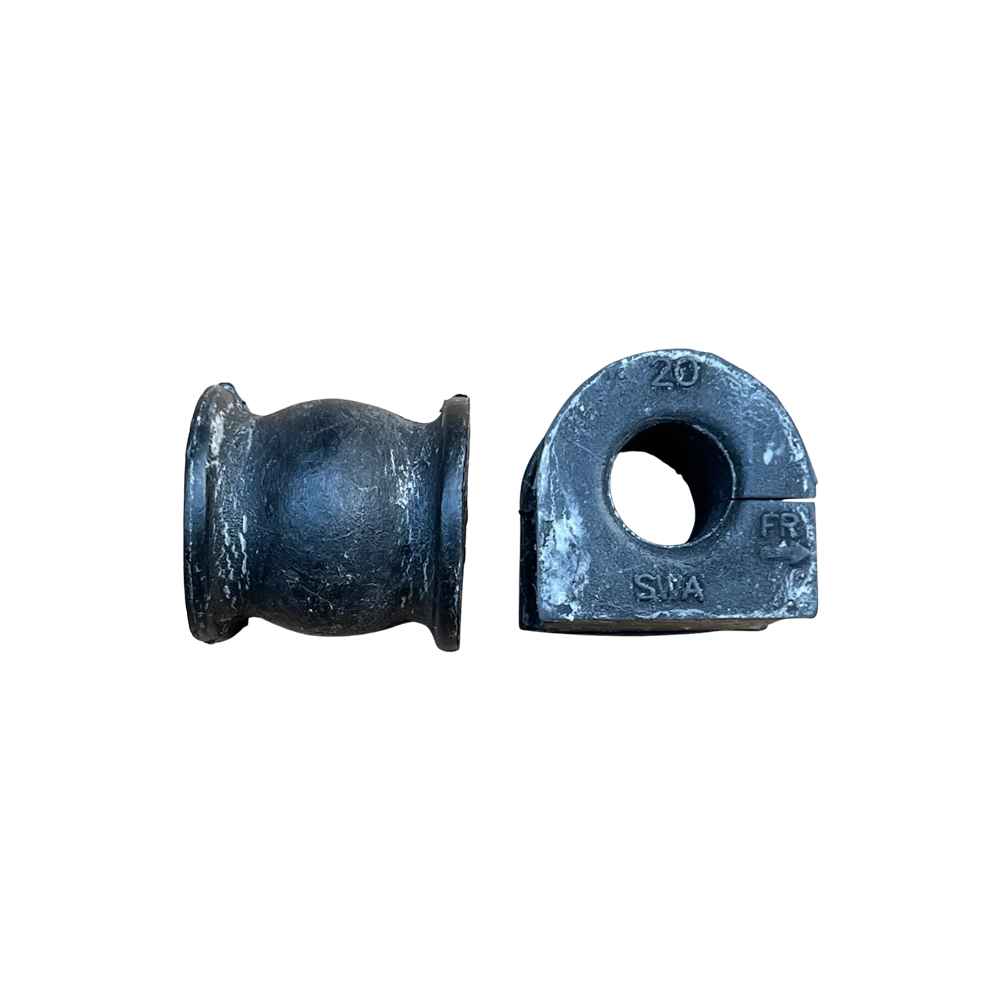
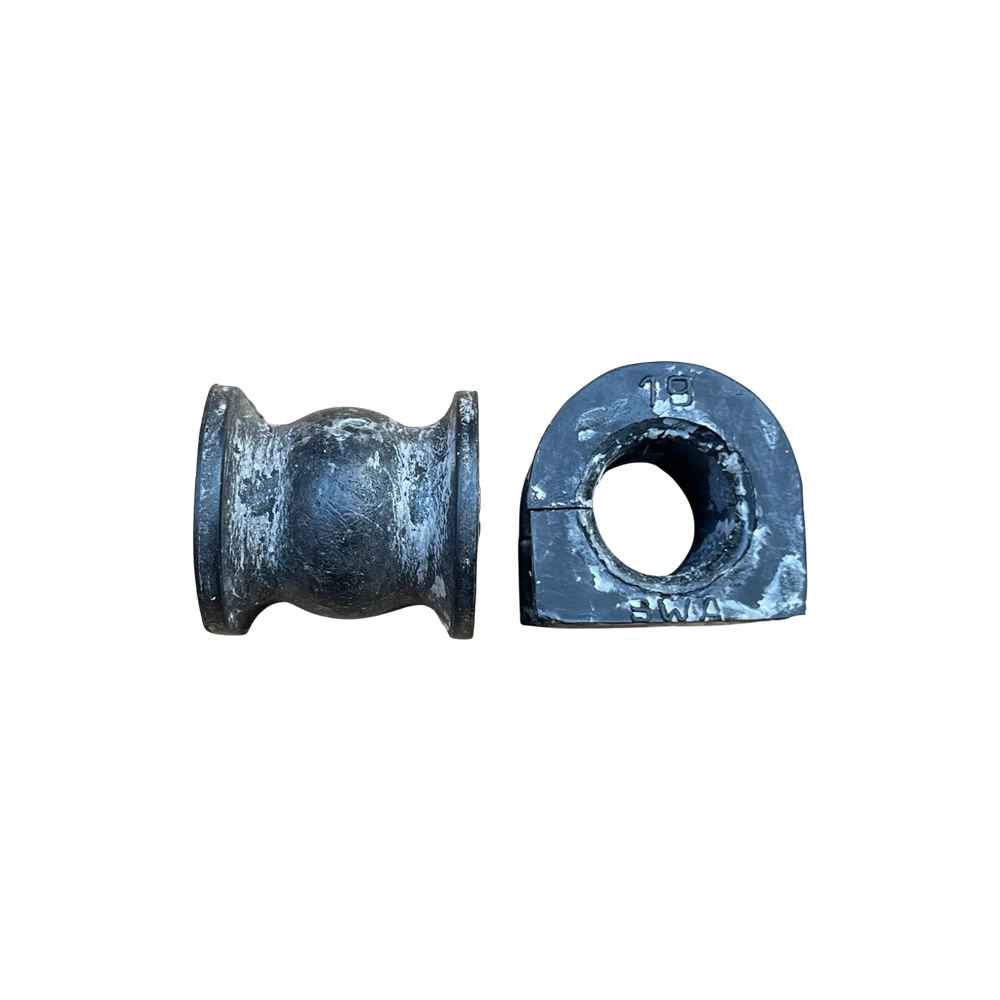
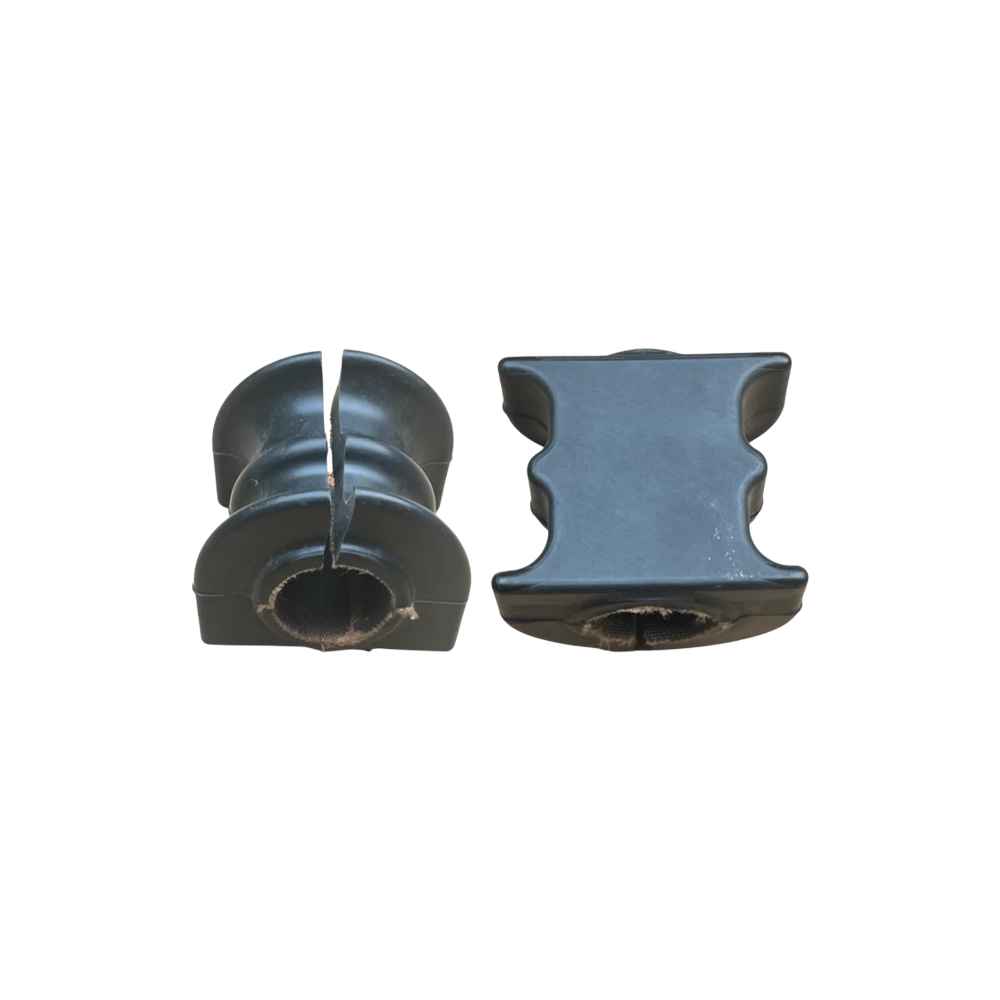
- Stabilizer Bar Bushings: Their composition and hardness can alter how vibrations are transmitted through the chassis, further impacting occupant comfort.
- Valve Cover Gasket: Although primarily serving as a seal, a well-designed gasket can also aid in reducing noise emanating from the engine bay.
The Future of NVH Reduction Materials
As technology evolves, the ongoing development of new materials promises even greater advancements in NVH reduction. Manufacturers will continue to explore innovative compounds that offer enhanced performance without sacrificing cost-effectiveness.

Conclusion
It is evident that the choice of materials for components such as rack and pinion boots and rubber sealing solutions plays a pivotal role in managing NVH in hydraulic systems. As the automotive industry moves forward, the emphasis on optimizing these materials remains a key focus area for engineers aiming to enhance vehicle comfort.