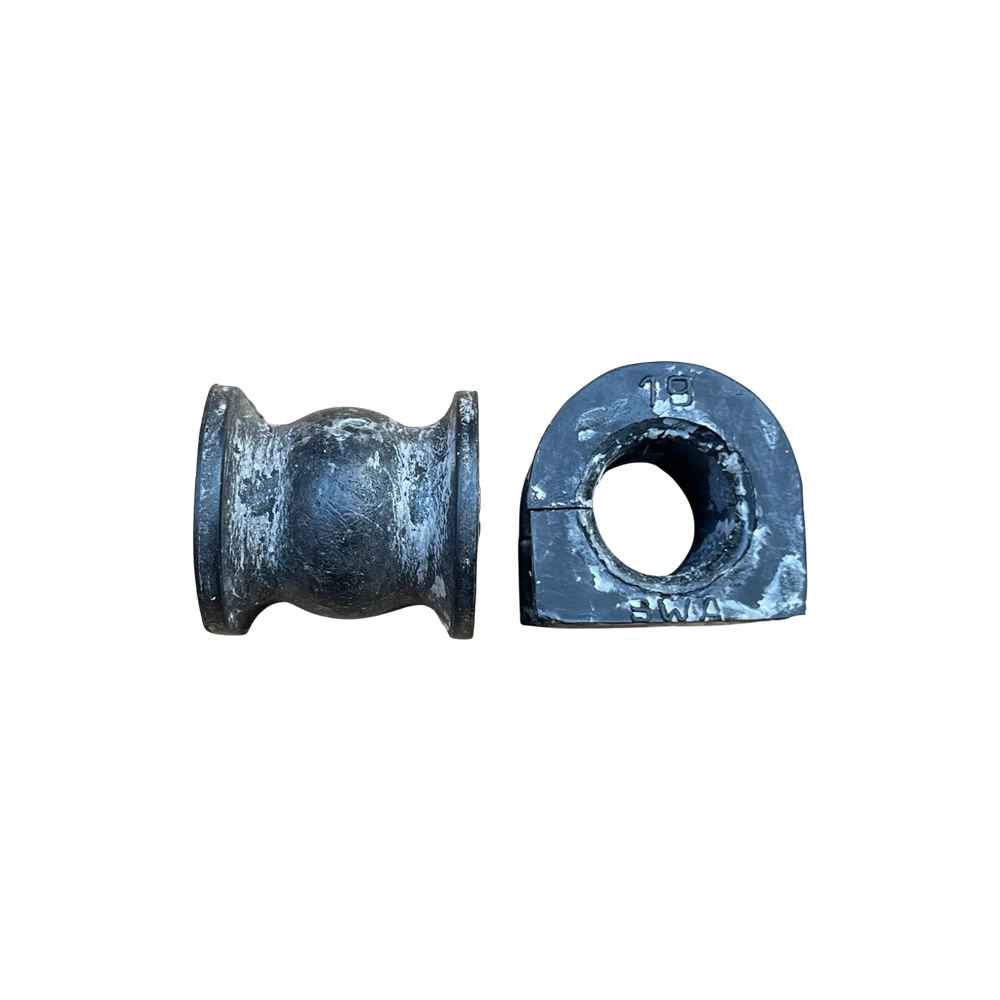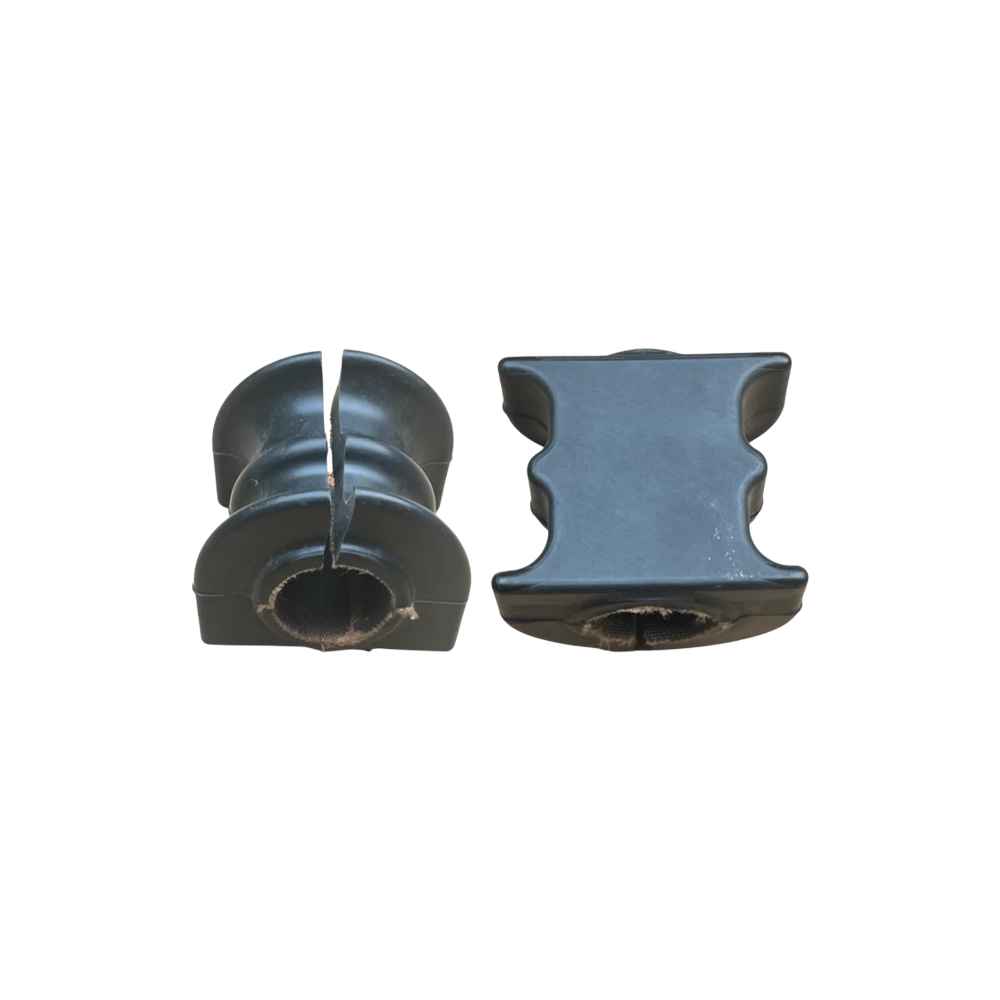
Material Comparison: O-ring Seals vs CV Axle Boots
When it comes to chassis steering and suspension systems, the material choice is critical. Often, engineers face a dilemma: should they opt for O-ring seals or CV axle boots? Let’s dive into this comparison with an unusual lens.
The Basics of Each Component
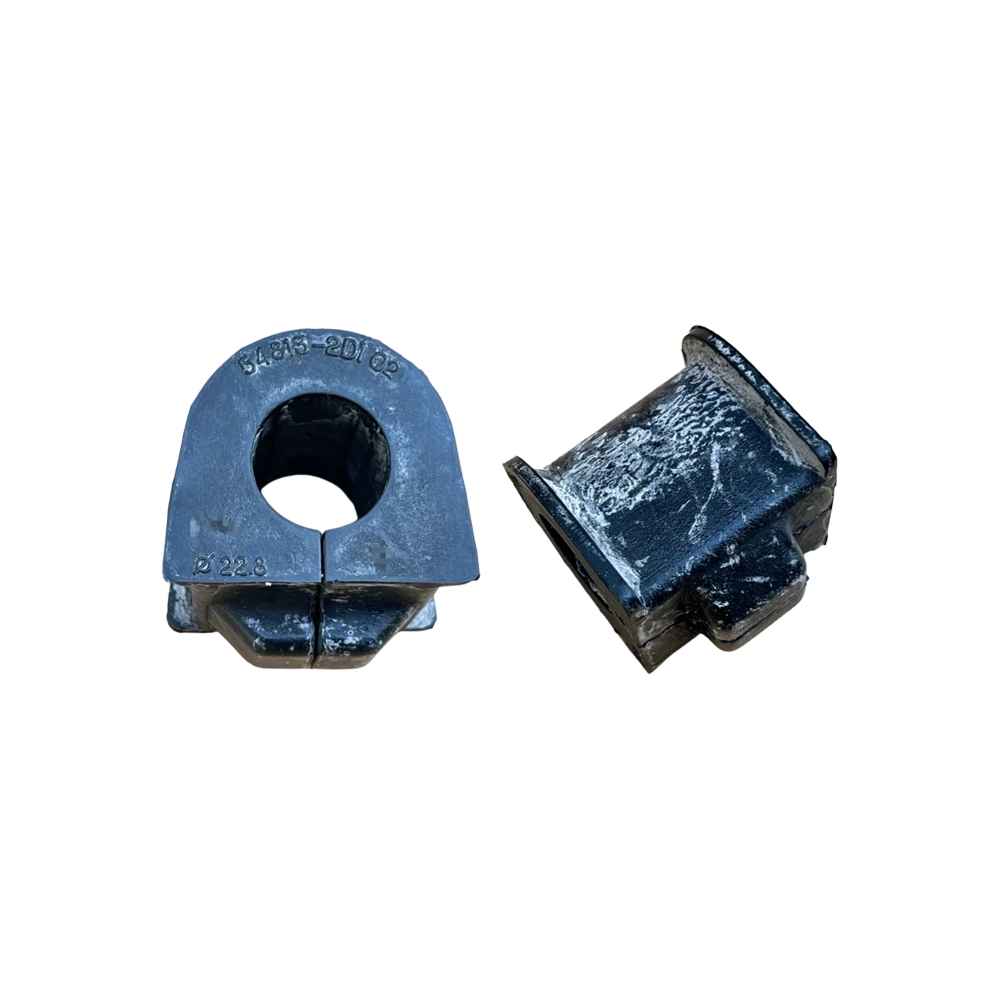
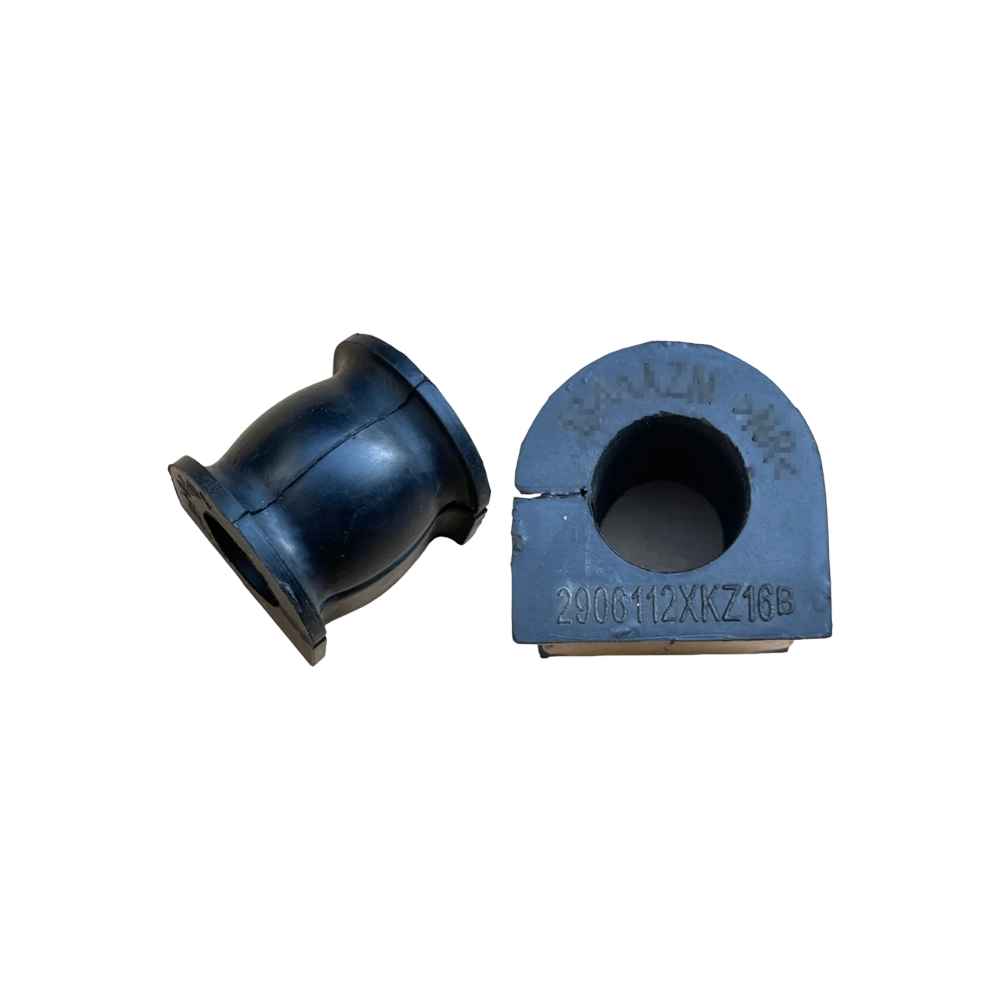
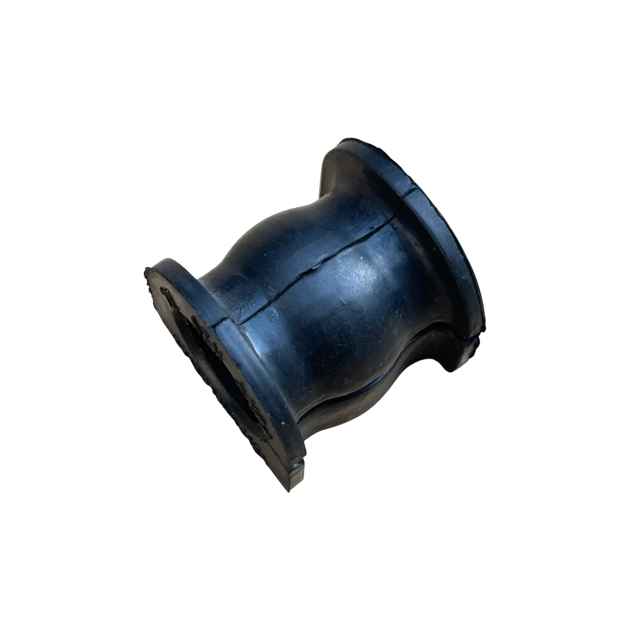
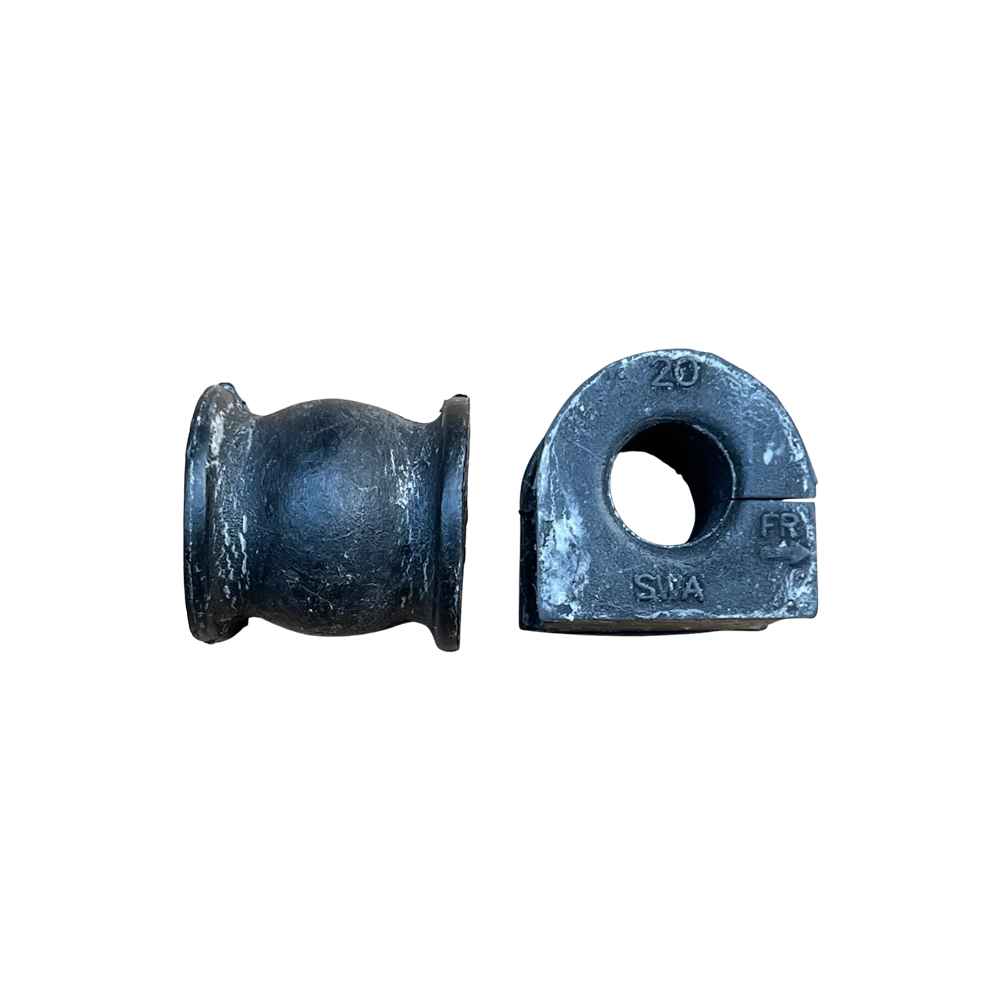
O-rings are circular seals designed to fit snugly into grooves, preventing leakage of fluids. They’re made from various materials, including rubber and silicone, which can impact their durability and performance. On the other hand, CV axle boots protect the constant velocity joints from dirt and debris while retaining grease within. A typical boot may be crafted from thermoplastic elastomer (TPE) or rubber compounds.

Why Does Material Matter?
Material affects everything. From longevity to flexibility, the choice carries weight. Did you know that the hardness of the material can alter its performance in extreme temperatures? For example, Guanghua's CV axle boots often withstand a broader range of temperatures compared to standard O-rings, making them more reliable in harsh conditions.
- Longevity: CV axle boots generally outlast O-rings in rugged environments.
- Flexibility: O-rings excel under compression, providing effective sealing.
- Temperature Resistance: Some materials perform poorly when exposed to heat; choose wisely.
A Case Study: The Track Test
Imagine a racing environment where precision is vital. During a recent track test, a vehicle equipped with O-ring seals experienced fluid leakage after just a few laps. Conversely, the rival car using Guanghua’s CV axle boots maintained integrity through rigorous turns and intense acceleration. It begs the question: why settle for less? Isn’t performance paramount?
Material Performance Index
Let’s break down some numbers:
- O-ring Seal Material: Nitrile Rubber (NBR) - hardness typically ranges between 70-90 Shore A.
- CV Boot Material: Thermoplastic Elastomer - noted for its excellent UV and ozone resistance.
When comparing these figures, one notices the stark difference in material properties. The TPE found in CV boots doesn’t just resist wear; it endures the elements. In contrast, O-rings might deform over time, especially under stress.
Installation Challenges
Installation can be a fiddly process. O-rings require precise fitting and sometimes lubrication to ensure proper sealing. However, CV axle boots usually come pre-greased, facilitating easier installation. Who wouldn’t prefer a hassle-free setup?
Cost Implications
Cost plays a role too. O-rings are often cheaper upfront, but their longevity factor may lead to higher replacement costs in the long run. On the contrary, investing in top-quality CV axle boots from brands like Guanghua means spending more initially but saving on maintenance and replacements.
Real-World Applications
Consider this: a fleet of delivery vans constantly navigating uneven terrains. Using O-rings might result in frequent repairs, while CV axle boots can handle the bumps without losing efficacy. This scenario emphasizes the importance of strategic material selection based on operational demands.
A Surprising Twist
It’s fascinating how often overlooked components can make or break a system. Just think about it: a tiny O-ring seal versus a robust CV axle boot! Which one would you trust more on a slippery road? The choice becomes clearer when performance trumps price.
Final Thoughts
In conclusion, while O-rings have their place, CV axle boots often outperform in terms of protection and longevity. For those who prioritize reliability in chassis steering and suspension systems, the evidence is compelling. Choose wisely, because every detail counts in engineering.