Understanding O-Ring Seals
O-ring seals are widely used in various applications due to their versatility and reliability. These little rings, often made from rubber or thermoplastics, provide a tight seal that prevents leaks of fluids or gases. They come in different sizes and materials, making them suitable for both OEM and aftermarket parts.
Benefits of O-Ring Seals
- Cost-Effective: O-rings are generally inexpensive compared to other sealing options.
- Simplicity: Their design allows for easy installation, which can save on labor costs during repairs.
- Wide Compatibility: O-rings can be found in a variety of equipment, ranging from automotive to industrial machinery.
Heat-Resistant ACM: A Strong Contender
On the other hand, Heat-resistant ACM (Acrylic Copolymer) is another material worthy of consideration, especially in high-temperature applications. This material is specifically designed to withstand extreme thermal conditions, which makes it an excellent choice for components like valve cover gaskets and Shock Absorber Boots .
Advantages of Heat-Resistant ACM
- High-Temperature Resistance: ACM can handle temperatures that would typically degrade other materials.
- Durability: Its robustness means less frequent replacements, providing long-term savings.
- Chemical Resistance: ACM is resistant to oils and other chemicals, making it suitable for automotive applications.
Material Comparison: O-Ring Seals vs. Heat-Resistant ACM
When comparing O-ring seals and heat-resistant ACM, one must consider various factors including application, environment, and cost. While O-rings excel in their simplicity and low cost, ACM shines in demanding situations where heat and chemicals come into play.
Performance Under Pressure
In terms of pressure tolerance, O-rings can perform admirably well in many scenarios but may fail when subjected to extreme temperatures or aggressive chemical exposure. Conversely, ACM handles heat like a champ but might not offer the same versatility in various applications where traditional O-rings are preferred.
Applications in OEM & Aftermarket Parts
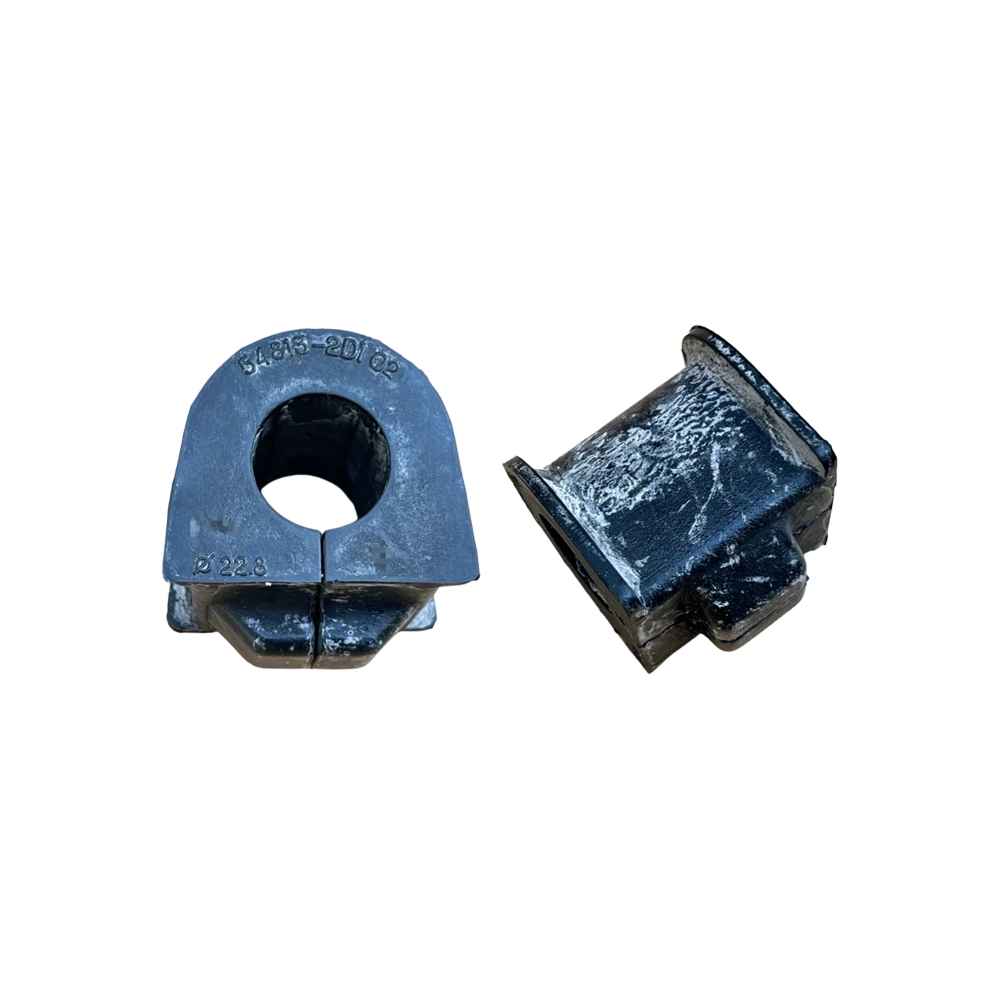
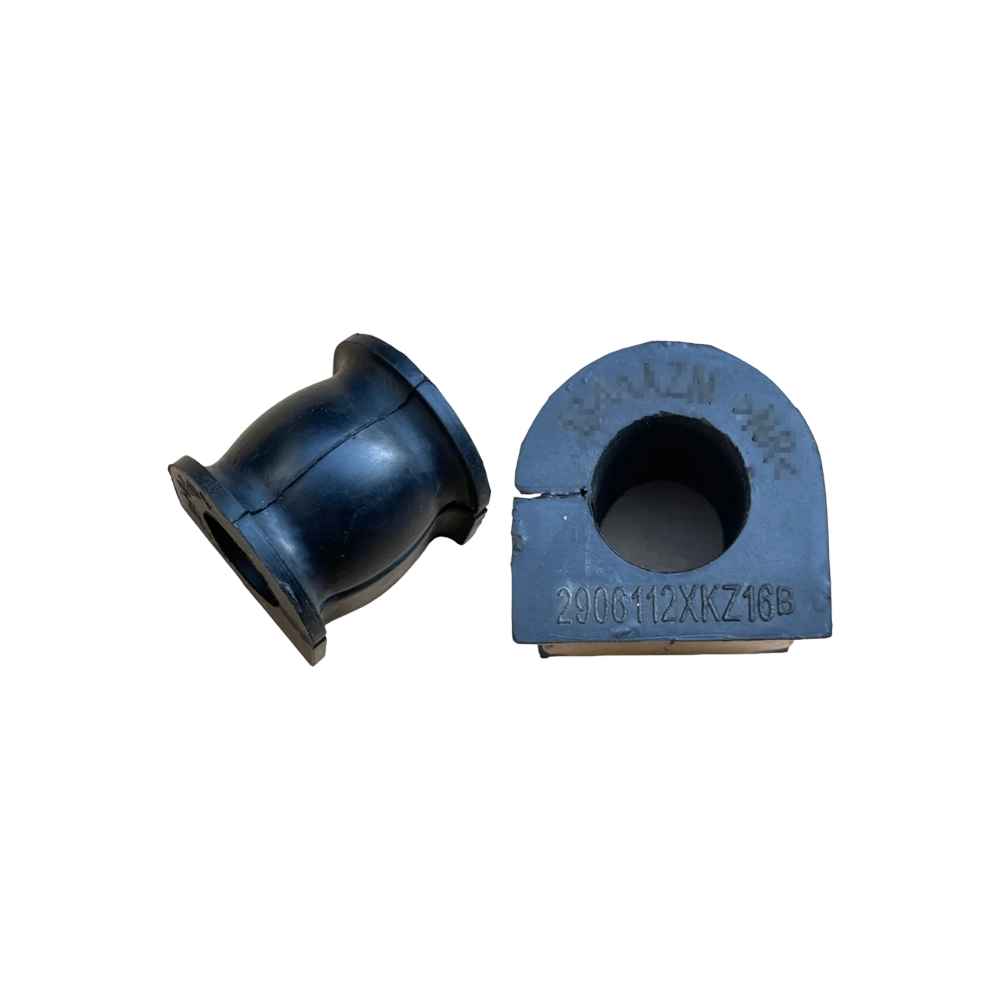
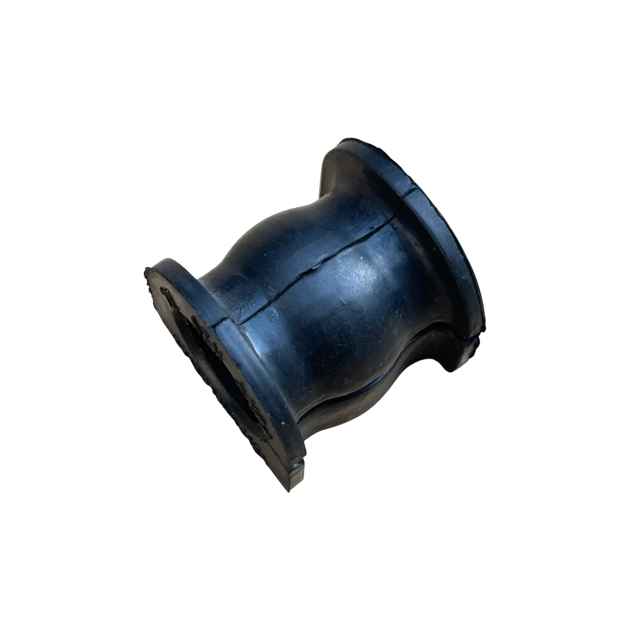
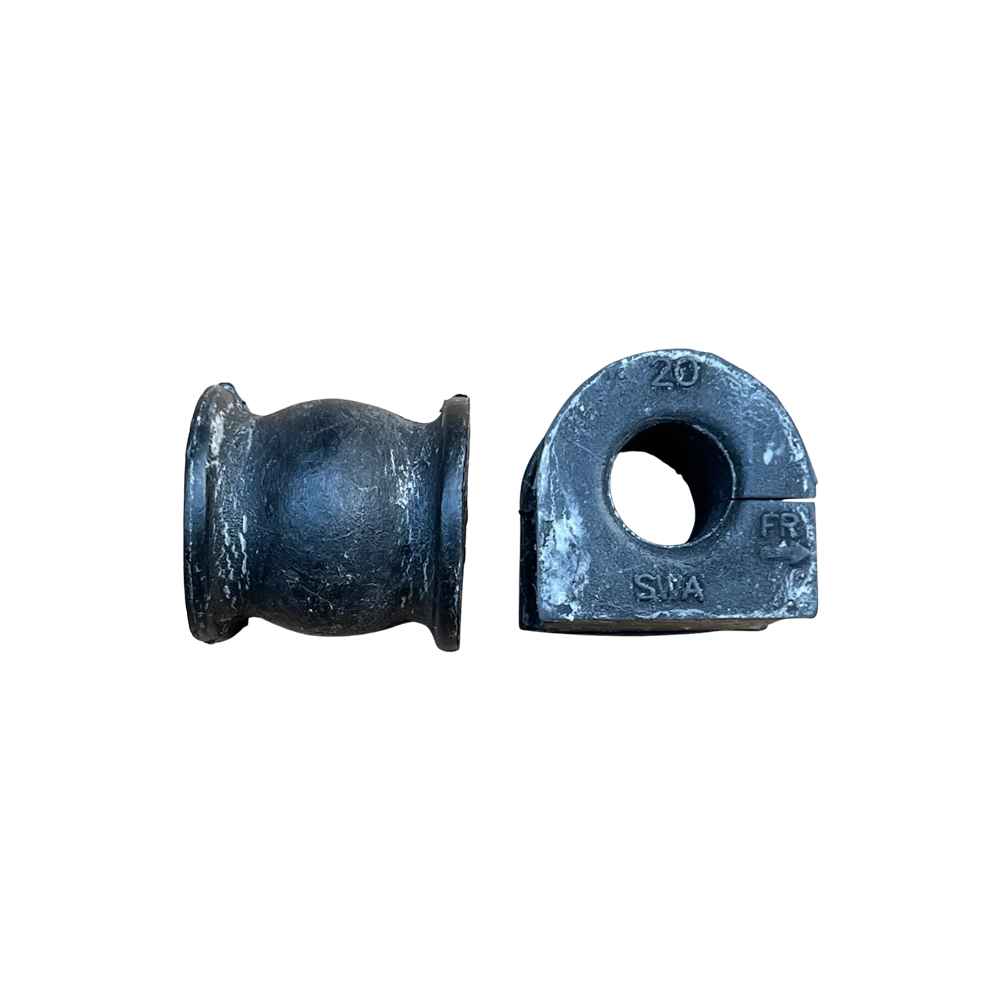
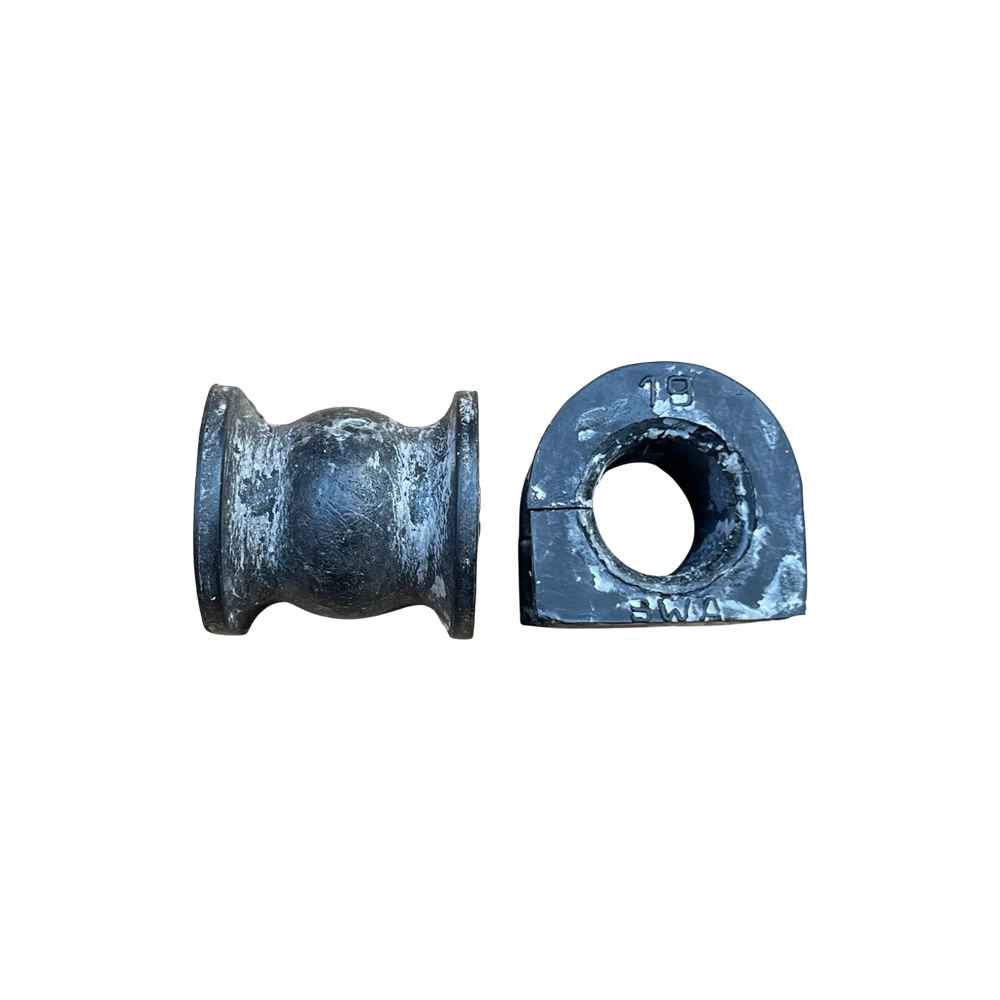
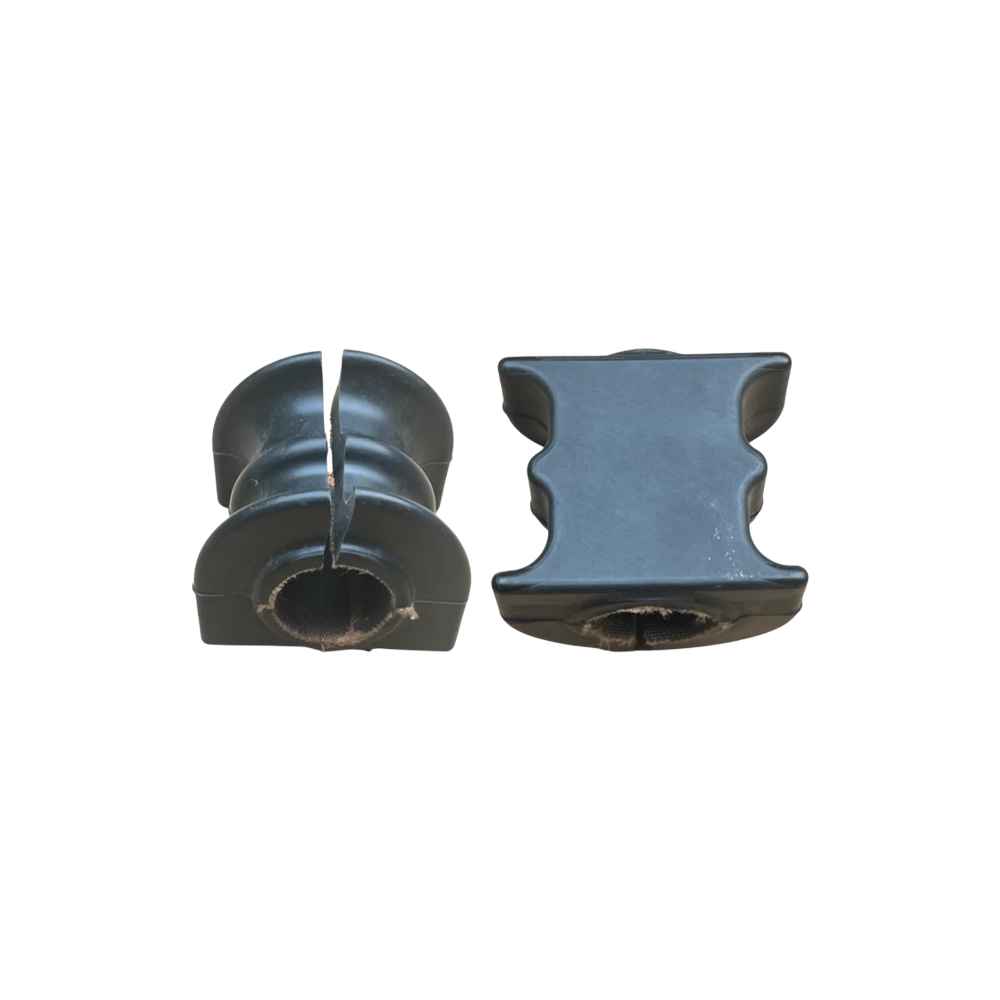
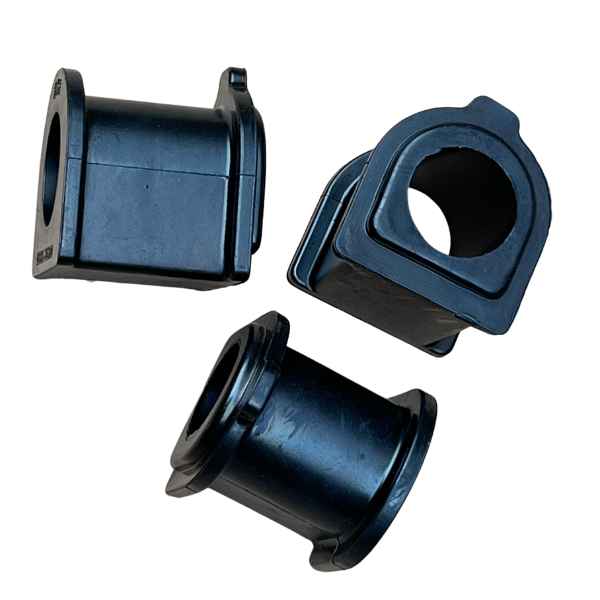
Both O-ring seals and heat-resistant ACM have their place in OEM and aftermarket parts. For instance, if you’re dealing with Steering Rack Boots or Stabilizer Bar Bushings , O-rings could do the trick just fine. However, when you need something more robust for high-performance engines, heat-resistant ACM becomes the go-to option.
The Cost Factor
Cost is always a consideration. O-rings are typically cheaper upfront, making them attractive for budget-conscious projects. But don’t forget to factor in long-term durability. Sometimes investing a bit more in heat-resistant ACM now can prevent costly repairs down the line.
Choosing the Right Material
Making the right choice between O-ring seals and heat-resistant ACM largely depends on your specific needs. If your application isn't exposed to harsh conditions, O-rings are a fantastic option. But if you're operating in an environment with high temperatures or aggressive chemicals, then you should definitely lean toward heat-resistant ACM.
Brand Recommendations
When shopping for these materials, brands like Guanghua offer reliable options for both O-rings and heat-resistant ACM. Their products are known for quality and durability, making them suitable choices for both OEM and aftermarket needs.
Final Thoughts on Material Selection
To wrap things up, whether you choose O-ring seals or heat-resistant ACM will depend on the requirements of your project. Both have unique advantages that make them indispensable in the world of automotive and industrial applications. The key is to understand your environment and choose accordingly.