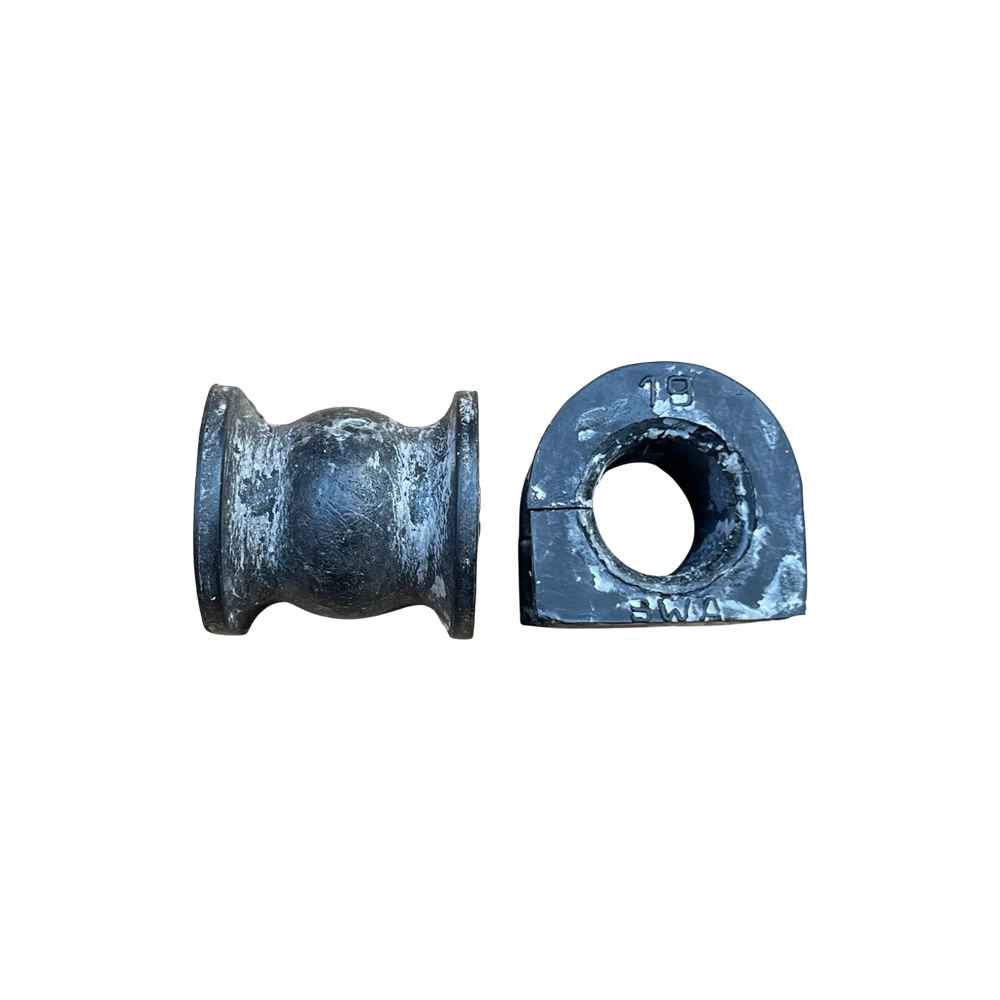
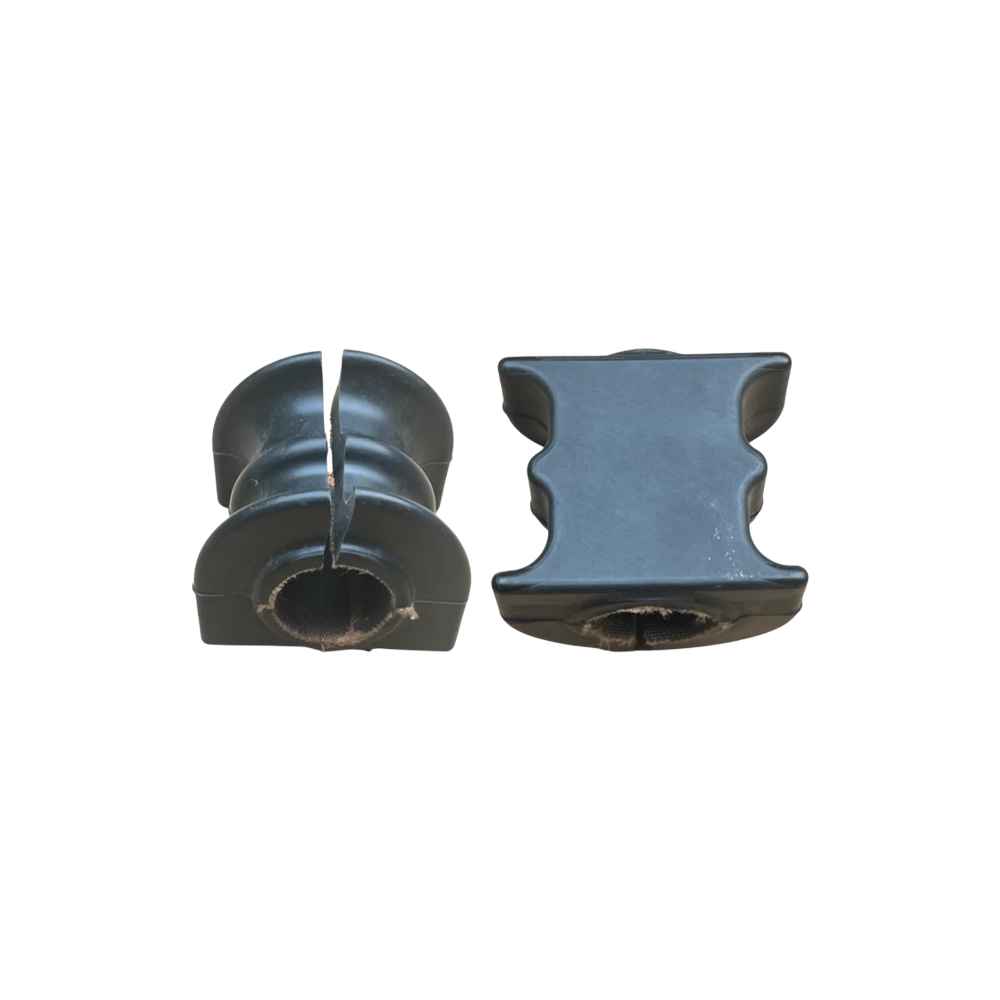
Material Properties: A Deep Dive
When it comes to sealing components, the choice of materials is not just a matter of preference; it can significantly affect performance. Have you ever wondered why some parts last longer than others? The debate between O-Rings & Rubber Sealing Rings versus NBR (Nitrile Butadiene Rubber), Viton, and Silicone in OEM and aftermarket applications raises quite a few interesting points.
O-Rings and Rubber Sealing Rings: Basics
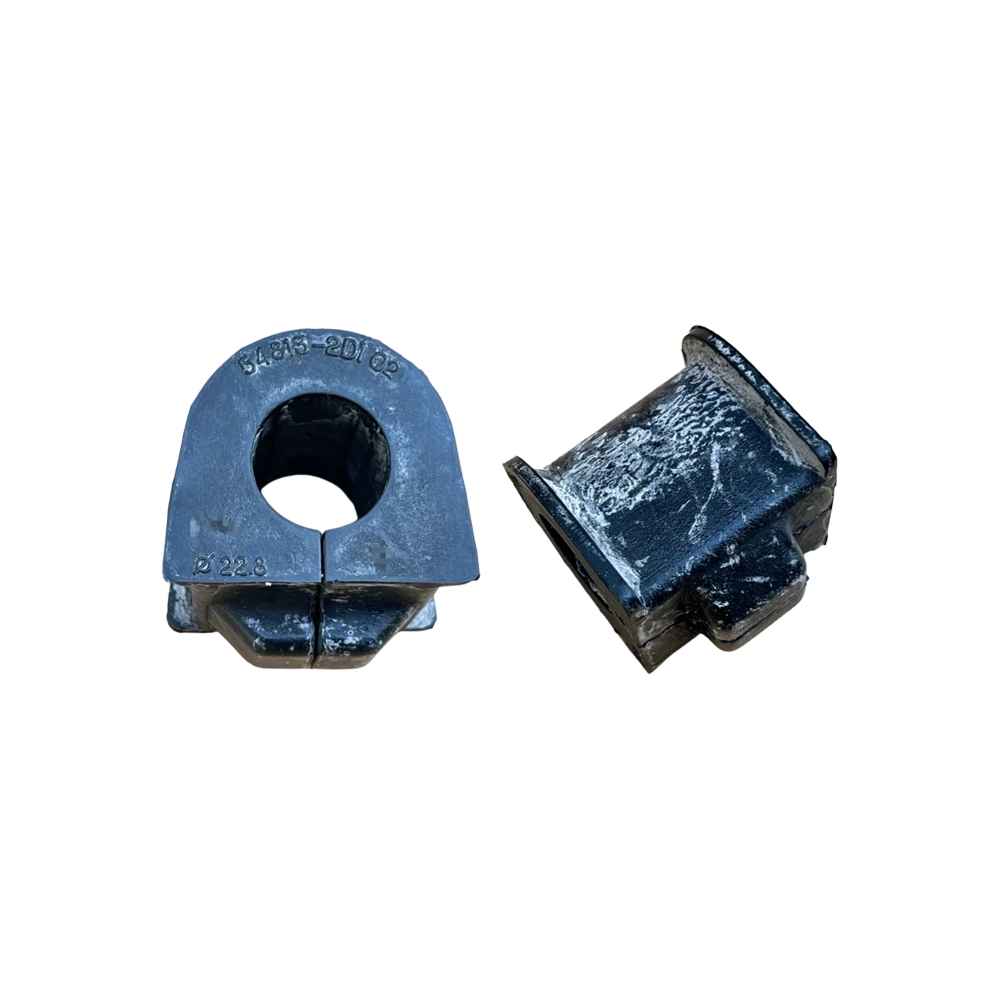
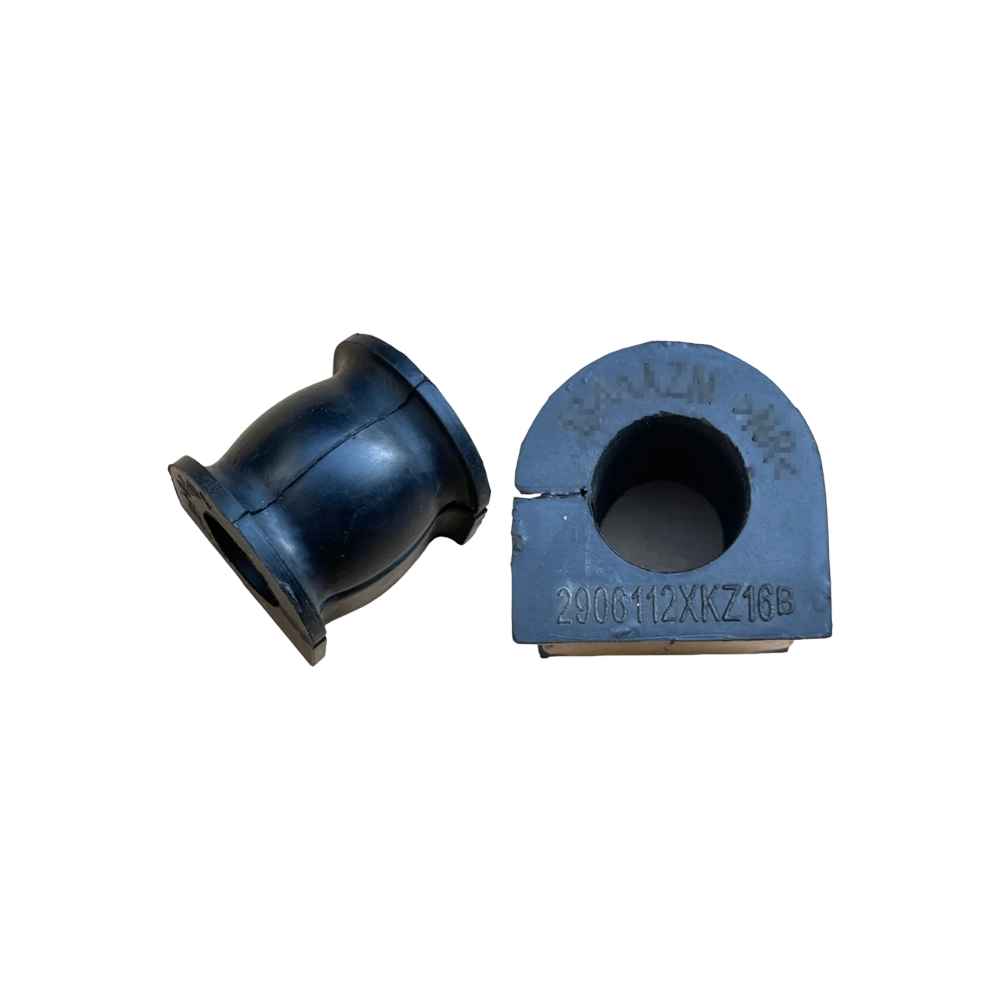
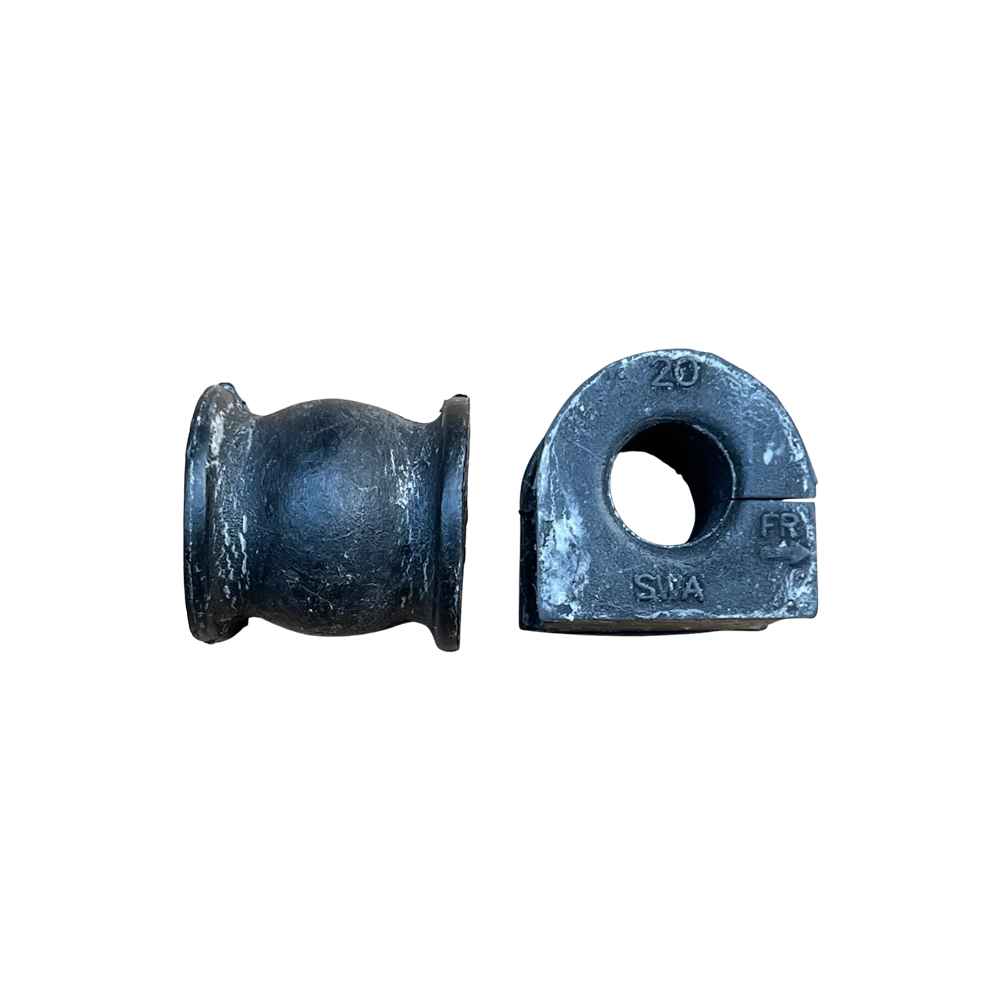
O-Rings are among the simplest yet most reliable sealing devices. Often made from elastomers, they provide excellent sealing properties under varying pressures and temperatures. They come in various sizes and types, making them extremely versatile for different applications. On the other hand, rubber sealing rings offer similar benefits, but with distinct material compositions that can enhance durability and flexibility.
NBR, Viton, and Silicone Explained
- NBR: Known for its excellent resistance to oils and chemicals, NBR is a go-to material for automotive applications.
- Viton: When heat and chemical stability are crucial, Viton is often the star player, suitable for high-performance environments.
- Silicone: This material shines in extreme temperature applications, providing elasticity and durability over a wide range.
Case Study: Automotive Applications
Imagine a scenario in an automotive workshop where a technician must replace parts for a vehicle experiencing oil leaks. The choice is between standard O-Rings and specialized NBR seals. What do you think would be the better option? After testing both, the NBR component exhibited remarkable resistance to oil degradation, lasting significantly longer than the O-Rings, which began to wear—surprising, right?
Comparative Analysis of Performance
Let’s dig deeper into specific performance metrics:
- Temperature Resistance: Silicone can withstand temperatures ranging from -60°C to +200°C, making it ideal for extreme conditions. In contrast, NBR caps out around 120°C.
- Chemical Resistance: Viton holds the title here, resisting aggressive solvents and fuels far better than its counterparts.
- Compression Set: Rubber sealing rings might lose their shape over time, leading to leaks, while NBR and Viton maintain their integrity even under compression.
Application Scenarios
Take an automotive steering system, for instance. Here, Steering Rack Boots , which often utilize silicone or rubber sealing rings, need to withstand not only hydraulic fluids but also varying temperatures and contaminants. Why choose anything less than top-quality materials like those offered by Guanghua?
Market Trends
The demand for durable aftermarket parts has surged. Data shows a 25% increase in orders for high-performance sealing solutions over the past three years. What does this suggest? That manufacturers are beginning to recognize the long-term benefits of investing in superior materials such as Viton and Silicone, especially when consumer expectations are higher than ever.

Final Thoughts on Selection
So, what should one choose? It’s increasingly clear that your application dictates the material. O-Rings and rubber sealing rings have their place, but for severe conditions? No contest—NBR, Viton, and Silicone lead the pack. Not only do they offer enhanced performance, but they also reduce maintenance costs over time, a win-win for any operation.
Conclusion
In the fast-paced world of OEM and aftermarket parts, understanding the material differences can save time and money in the long run. Are you ready to make the switch?