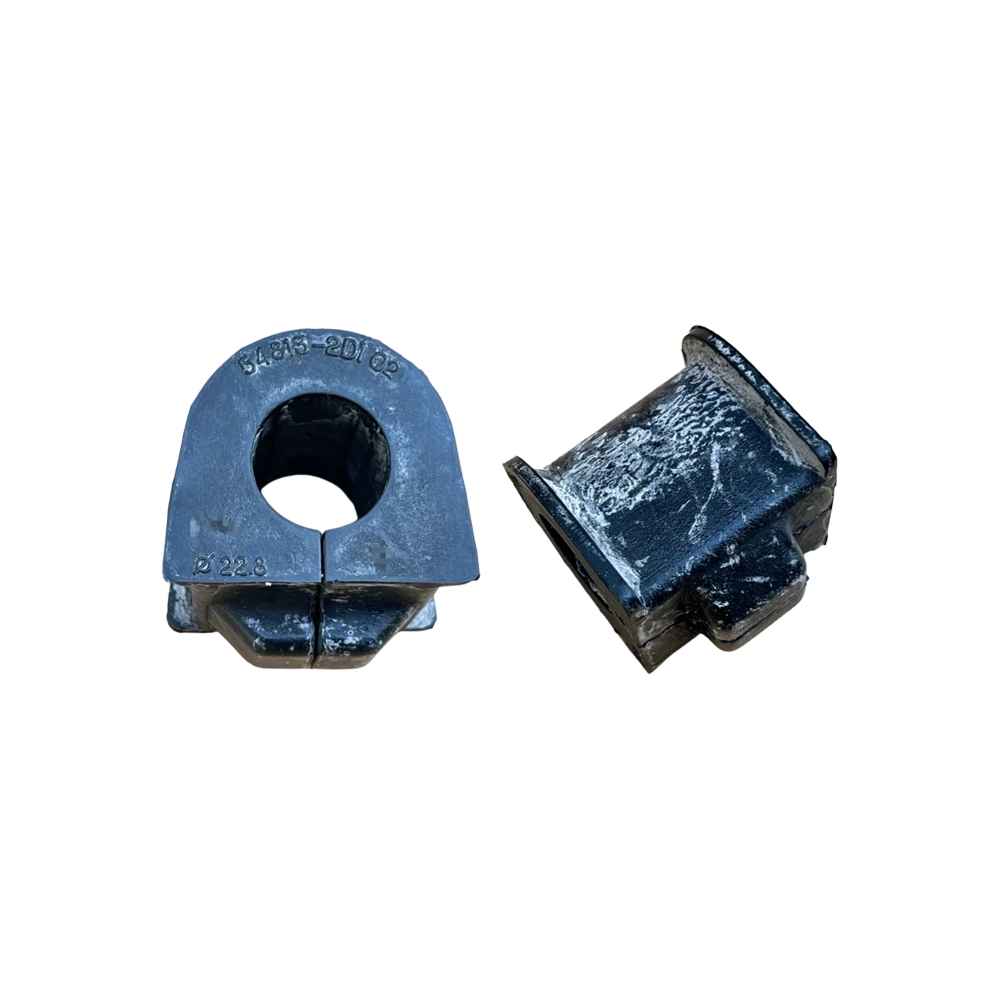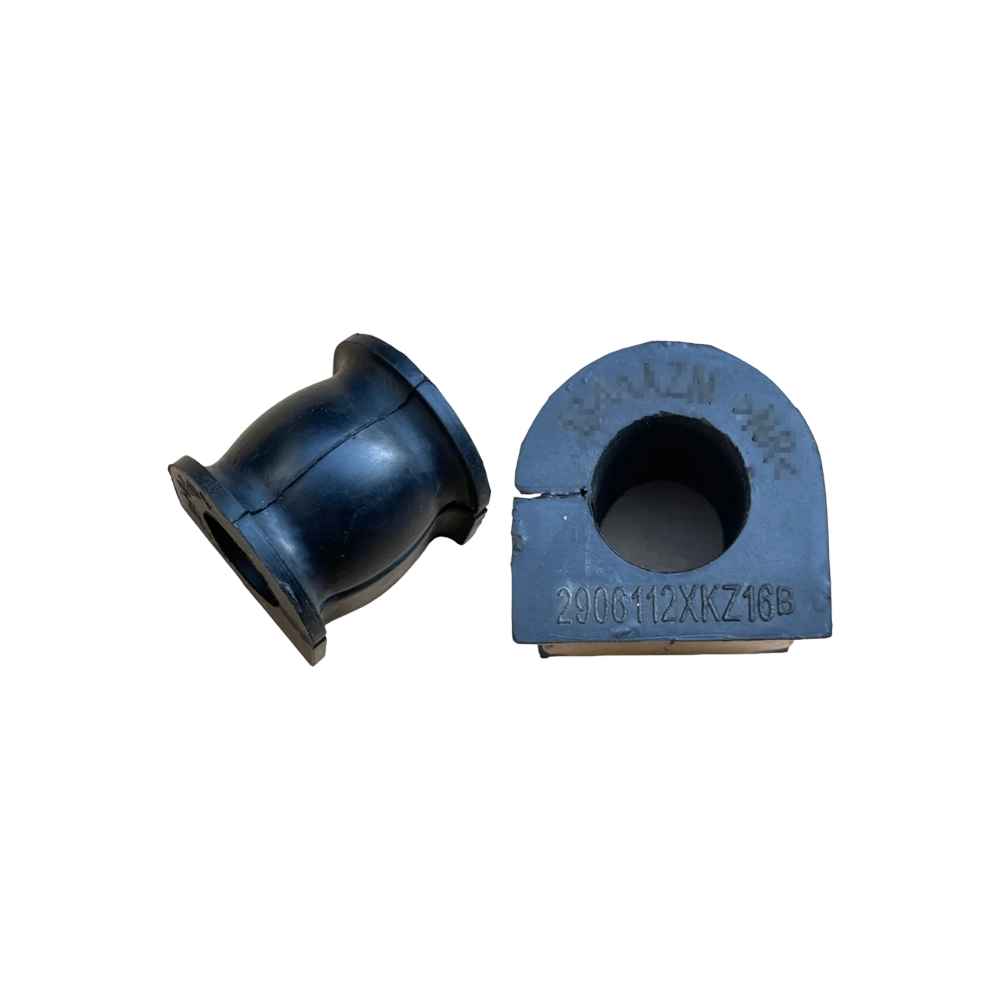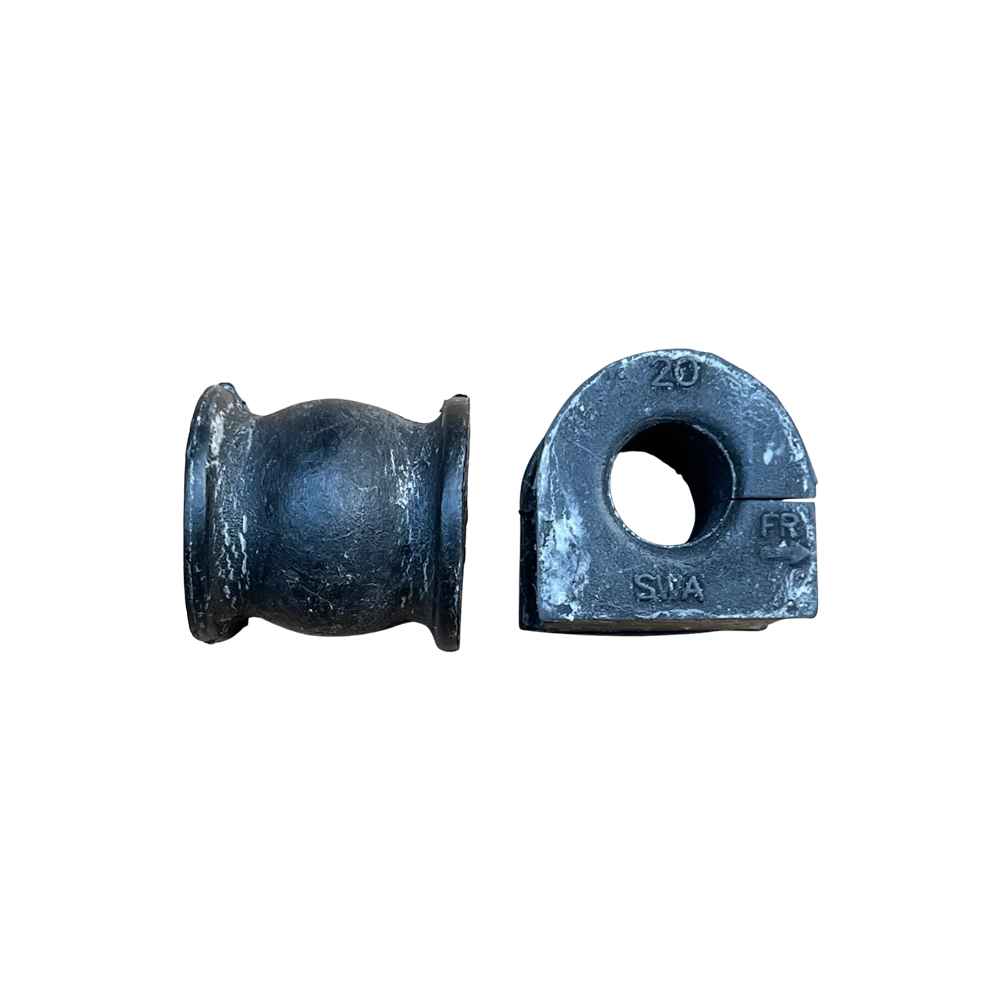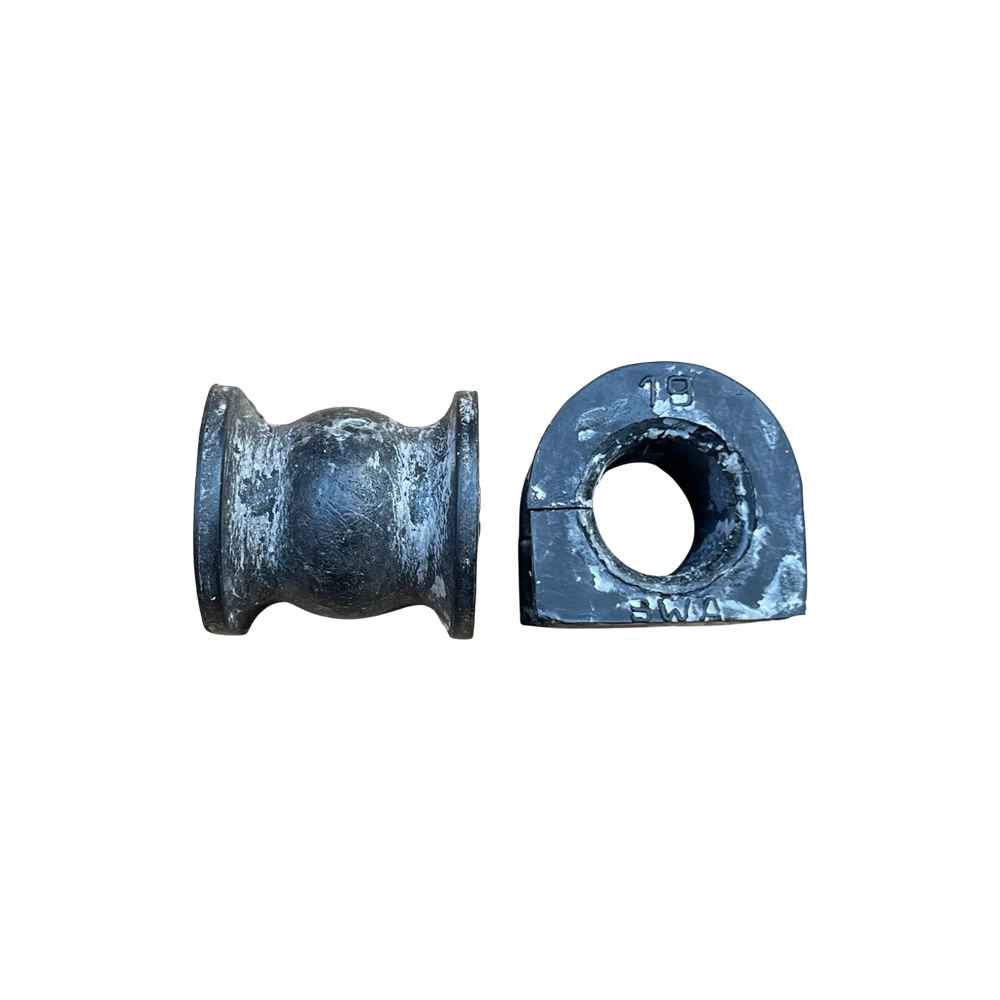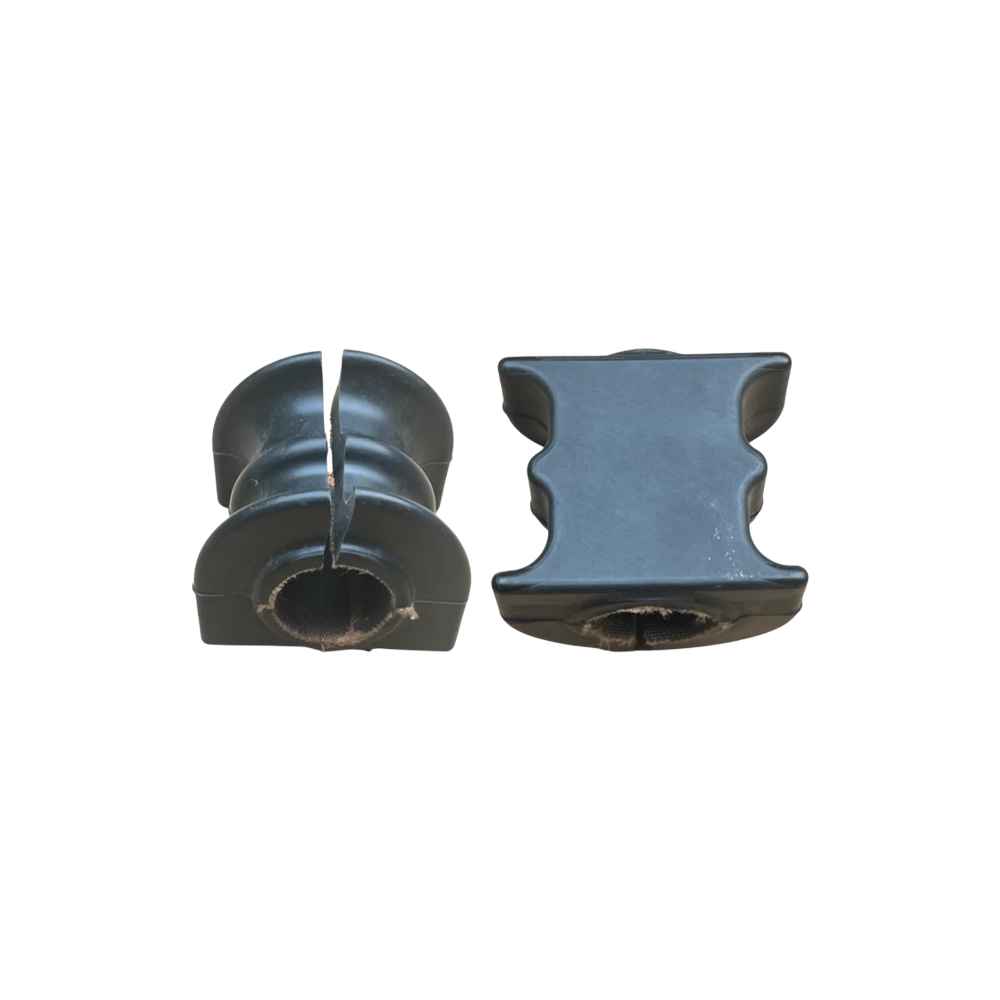
Material Comparison: Rack and Pinion Boots vs Steering Gear Boot
Ever seen a worn-out steering rack boot ? It’s often overlooked, yet vital. These components protect the sensitive inner workings of steering systems. Are you aware of the differences between rack and pinion boots and steering gear boots? Let’s dive deep.
Understanding Rack and Pinion Boots
Rack and pinion boots are designed to cover and seal the moving parts of the steering rack. They ensure that dirt and debris don’t compromise the integrity of the steering mechanism. Typically made from heavy-duty rubber or thermoplastic elastomer (TPE), these boots must withstand various environmental factors. Think about it: they endure extreme temperatures and the wear and tear of daily driving.

- Material Quality: High resistance to abrasion.
- Flexibility: Maintains shape despite repeated bending.
- Longevity: Can last up to five years with proper maintenance.
The Role of Steering Gear Boots
Steering gear boots function similarly but cater specifically to the steering gearbox. Their primary role is to protect the internal components from external contaminants while keeping the grease contained within. Generally crafted from softer rubber compounds, steering gear boots don’t enjoy the same level of durability as rack and pinion counterparts.
- Protection Level: Shields against water and dust.
- Cost-Effectiveness: Less expensive but potentially short-lived.
- Compatibility: Designed for specific models and makes.
Comparative Analysis of Materials
When comparing materials directly, one might think all rubber is the same. Not true! Examinations show that the elasticity of TPE in rack and pinion boots generally offers better performance than the typical rubber used in steering gear boots. This leads to fewer repairs and replacements over time. A case study showed that vehicles fitted with Guanghua rack and pinion boots reported a 30% decrease in necessary maintenance compared to those with standard steering gear boots.
Real-World Implications
Imagine this scenario: A family car, ten years old, is experiencing steering issues. The mechanic finds degraded steering gear boots, leading to fluid leaks. The owner faces costly repairs. What if they had opted for high-quality rack and pinion boots initially? Less hassle, more reliability. Isn’t it worth considering?
Common Mistakes in Choosing
Many overlook the importance of selecting the right type of boot. Some mechanics, focused solely on cost, will suggest steering gear boots for applications where rack and pinion boots are required. This can lead to premature failures. Think twice before cutting corners!
- Evaluate: Always assess your vehicle’s needs.
- Invest: Sometimes spending a bit more upfront saves money long-term.
- Research: Know the brands; not all are created equal.
Conclusion
In the grand scheme of chassis steering and suspension systems, the choice between rack and pinion boots and steering gear boots isn't just a matter of opinion—it's a critical decision. With the right choices, like opting for robust CV Joint Boots or Shock Absorber Boots , you create a reliable system that enhances vehicle performance.